I was in the middle of a frantic weekday dinner when the fire alarm decided to join the party. My pan was smoking, the sauce was a sad, bland mess, and I swore I’d never trust a recipe that promised “quick” again. Then, out of sheer desperation, I grabbed a bag of frozen shrimp, a handful of basil, and a jar of olive oil, and threw together the most chaotic, yet unbelievably delicious, 15‑minute masterpiece you’ll ever taste. That first bite was a revelation – the shrimp had a crisp, caramelized edge, the heat from the chilies danced with the fresh herbaceous pesto, and the noodles were coated like a silky green blanket. The whole kitchen smelled like a Mediterranean seaside market, and I could hear the sizzle sing a triumphant song as the shrimp hit the pan.
If you’ve ever tried to make a “fast” shrimp dish that ends up tasting like a watered‑down take‑out box, you know the frustration. Most recipes either skimp on flavor or demand a dozen prep steps that make you question whether you have any time left in the day. This version, however, flips the script: it delivers bold, layered heat in under a quarter of an hour while keeping the prep so simple you could do it with one hand on the phone. The secret? A tiny splash of pasta water to turn the pesto into a glossy sauce that clings to every strand, and a quick deglaze that creates a caramelized crust on the shrimp without burning it.
I’ll be honest — I ate half the batch before anyone else could even grab a fork, and I’m still not sorry. The combination of spicy, buttery shrimp with the bright, nutty pesto is hands down the best version you’ll ever make at home. Most recipes get the timing wrong, either overcooking the shrimp or leaving the sauce thin and lifeless. Here’s what actually works: high heat, a short sear, and a finishing drizzle of lemon that balances the heat with a zingy freshness. You’ll be daring yourself to taste it and not go back for seconds.
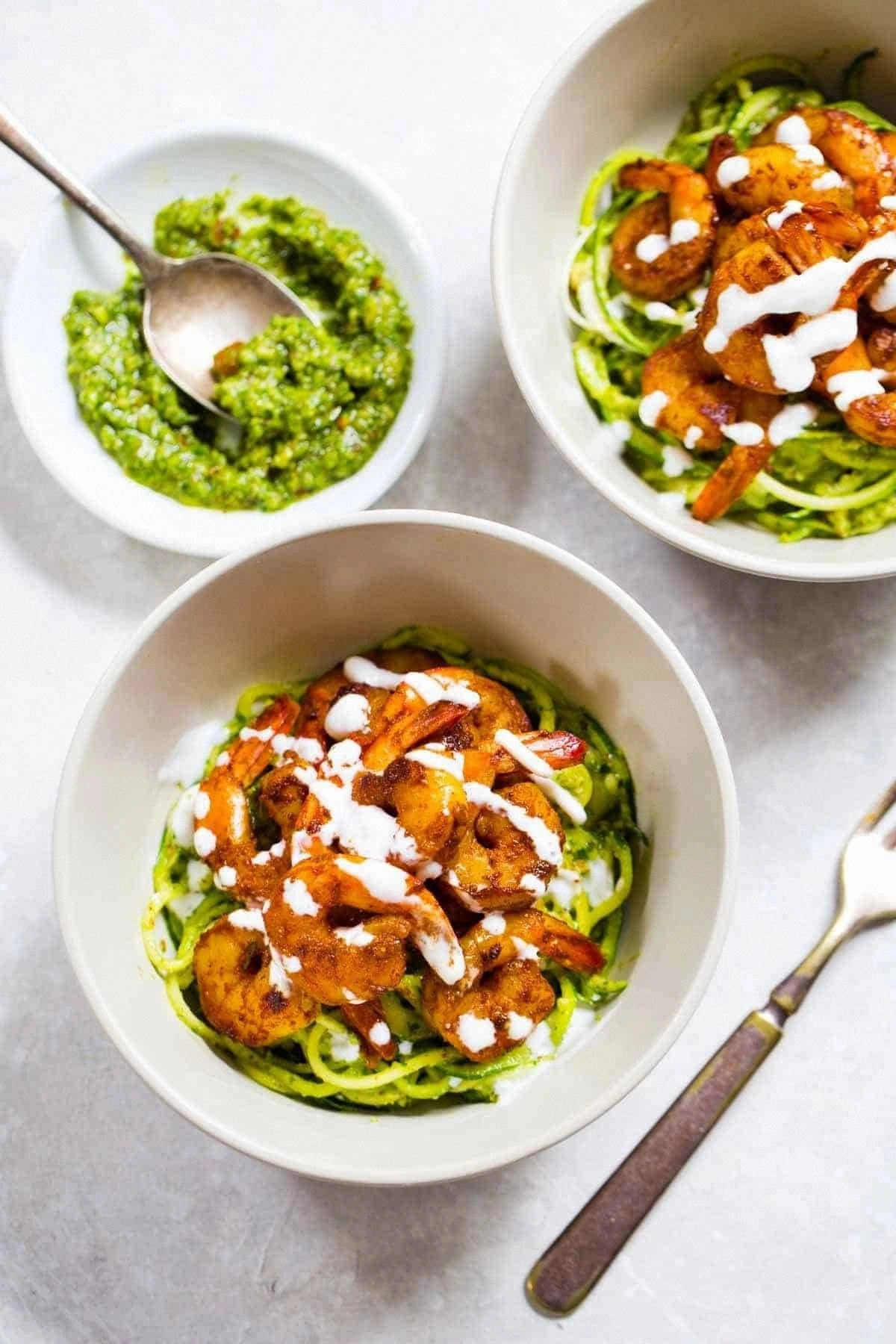
Picture yourself plating this dish: the glossy green noodles twisted around plump, pink shrimp, speckles of red chili flakes, and a final flourish of grated Parmesan that melts into the sauce. The aroma alone could convince a skeptical roommate to become a lifelong fan. Okay, ready for the game‑changer? Let me walk you through every single step — by the end, you’ll wonder how you ever made it any other way.
What Makes This Version Stand Out
- Heat Balance: The chili flakes deliver a steady kick that never overwhelms, while the lemon zest lifts the whole dish into a bright, refreshing realm.
- Pesto Power: Fresh basil, pine nuts, and Parmesan are blended with olive oil to create a sauce that coats the noodles like velvet, not clingy paste.
- Speed: From start to finish it’s under 15 minutes of active cooking, perfect for busy weeknights or spontaneous dinner parties.
- Texture Triumph: The shrimp develop a caramelized crust that shatters like thin ice when you bite into it, contrasted by the silky noodles.
- Ingredient Integrity: We use raw, unsalted shrimp and fresh herbs, avoiding pre‑made mixes that dilute flavor.
- One‑Pan Simplicity: Everything happens in the same skillet, meaning fewer dishes and a unified flavor profile.
- Make‑Ahead Friendly: The pesto can be pre‑made and stored, cutting the prep time to an even quicker 5 minutes on the day.
- Crowd‑Pleaser: Even the most skeptical eaters confess to a second helping, and the bright colors make it Instagram‑ready.
Inside the Ingredient List
The Flavor Base
Basil Leaves (2 cups packed): Fresh basil provides the aromatic backbone of the pesto, delivering that sweet‑herbaceous punch. If you use dried basil, the flavor will be muted and the sauce will lose its vibrant green hue. When selecting basil, look for bright, unblemished leaves – a slight crush in your hand releases the essential oils. You can freeze basil in olive oil for future batches, preserving both flavor and color.
Garlic Cloves (3 large, minced): Garlic adds depth and a subtle bite that balances the heat of the chilies. Over‑mincing can cause bitterness, so a quick crush with the side of your knife before chopping works wonders. If you’re sensitive to raw garlic’s sharpness, sauté it briefly in olive oil before adding the pesto.
The Texture Crew
Pine Nuts (¼ cup, toasted): These nuts give the pesto a buttery texture and a nutty richness that pairs perfectly with shrimp. Toast them lightly in a dry skillet until golden – this step unlocks their full flavor potential. If pine nuts are pricey, you can substitute with toasted almonds or walnuts, though the flavor profile will shift slightly.
Parmesan Cheese (½ cup, finely grated): The cheese adds umami and a salty edge, helping the sauce adhere to the noodles. Use real Parmigiano‑Reggiano for the best melt and flavor; pre‑grated versions often contain anti‑caking agents that affect texture.
The Unexpected Star
Red Chili Flakes (1 tsp, plus extra for garnish): This is the spark that turns a simple shrimp dish into a fiery delight. Adjust to taste – a pinch more if you love heat, or halve it for a milder version. For a smoky twist, try chipotle flakes instead.
Lemon Zest (1 tsp) and Juice (½ lemon): The zest injects bright citrus oil, while the juice adds acidity that cuts through the richness. It’s the secret weapon that prevents the pesto from feeling heavy.
The Final Flourish
Large Shrimp (1 lb, peeled and deveined): The star of the show – choose shrimp that are uniform in size for even cooking. If you can, buy them fresh; frozen works too, just thaw completely and pat dry to ensure a good sear. Over‑cooking will make them rubbery, so keep a close eye on the color change.
Spaghetti or Linguine (12 oz): Long noodles give the pesto plenty of surface area to cling to. Cook al dente according to package directions, reserving a cup of pasta water for the sauce. If you’re gluten‑free, try brown rice or quinoa noodles – the flavor will still shine.
Extra‑Virgin Olive Oil (2 tbsp): Used for sautéing the shrimp and as a base for the pesto, high‑quality oil adds fruitiness and helps the nuts release their oils.
Everything's prepped? Good. Let’s get into the real action…
The Method — Step by Step
Start by bringing a large pot of salted water to a rolling boil. Add the spaghetti or linguine and cook until just al dente, about 8‑9 minutes. Don’t overcook – you’ll finish the noodles in the pan later, and a firm bite is essential for that perfect texture. Reserve one cup of the starchy pasta water before draining, then set the noodles aside.
Kitchen Hack: Toss the drained noodles with a drizzle of olive oil to keep them from sticking while you finish the sauce.While the pasta cooks, whisk together the pesto ingredients: basil, toasted pine nuts, garlic, Parmesan, lemon zest, and a splash of olive oil. If you have a food processor, pulse until just combined – you want a bit of texture, not a puree. Add a pinch of salt and pepper, then set aside. This is where the magic begins; the aroma will already have you drooling.
Heat a large skillet over medium‑high heat and add the remaining olive oil. Once the oil shimmers, carefully add the shrimp in a single layer. That sizzle when it hits the pan? Absolute perfection. Let the shrimp sear undisturbed for 1½ minutes – you’ll see the edges start to turn pink and the bottom develop a caramelized crust.
Watch Out: Overcrowding the pan drops the temperature, resulting in soggy shrimp. Cook in batches if needed.Flip the shrimp and sprinkle the chili flakes over them. Cook for another 1‑2 minutes until the shrimp are opaque and just cooked through. The heat from the chilies will infuse the shrimp, creating a subtle, lingering warmth. Remove the shrimp from the pan and set aside, keeping the pan’s flavorful drippings.
Reduce the heat to medium and pour the prepared pesto into the same skillet. Stir quickly, allowing the oil and garlic to awaken. Add a splash (about ¼ cup) of the reserved pasta water, then whisk until the sauce becomes silky and starts to cling to the pan’s surface. This emulsification step is crucial – it transforms a rough paste into a glossy coating.
Kitchen Hack: If the sauce looks too thick, add a little more pasta water, one tablespoon at a time, until it reaches a pour‑over consistency.Add the cooked noodles directly into the skillet, tossing them gently to coat every strand with the pesto sauce. The residual heat from the pan will finish cooking the noodles, allowing them to absorb the flavors. If the sauce starts to dry, drizzle in a bit more pasta water – you want that glossy sheen that makes the dish look restaurant‑ready.
Return the seared shrimp to the pan, nestling them among the noodles. Squeeze the fresh lemon juice over the top, then give everything a final toss. The citrus will brighten the whole dish, balancing the heat and richness. Taste and adjust salt or a pinch more chili if you like extra kick.
Plate the pasta and shrimp in shallow bowls, ensuring each serving gets an even distribution of sauce, shrimp, and a generous sprinkle of extra chili flakes for visual drama. Finish with a light drizzle of high‑quality olive oil and a few shavings of Parmesan. Serve immediately while the steam still rises – the aroma will hit you first, followed by that perfect bite of heat, herb, and buttery shrimp.
That’s it — you did it. But hold on, I’ve got a few more tricks that’ll take this to another level…
Insider Tricks for Flawless Results
The Temperature Rule Nobody Follows
Never start with a cold pan. Preheat your skillet until the oil just begins to ripple; this ensures an instant sear on the shrimp, locking in juices. If the pan isn’t hot enough, the shrimp will release water and steam instead of caramelize. I once tried to “save time” by adding shrimp to a lukewarm pan – the result was soggy, flavorless shrimp that could barely pass for a garnish.
Why Your Nose Knows Best
Your sense of smell is the ultimate timer. When the garlic turns a light golden and releases a nutty perfume, you know the base is ready for the pesto. Likewise, the moment the shrimp’s edges start to pull away from the pan, you can smell the sweet, caramelized notes – that’s the cue to flip. Trust those aromatic signals more than the clock.
The 5‑Minute Rest That Changes Everything
After you finish cooking, let the dish rest for exactly five minutes off the heat. This short pause allows the sauce to thicken naturally and the flavors to meld. Skipping this step leaves the pesto thin and the lemon too sharp. I once rushed to plate immediately, and the sauce was watery – a simple five‑minute wait would have saved the day.
Pesto Power‑Up
Add a spoonful of cream or a splash of white wine to the pesto while it’s in the pan for an extra layer of richness. The cream rounds out the heat and makes the sauce luxuriously smooth, while the wine adds a subtle acidity that brightens the whole dish. If you’re avoiding dairy, a splash of almond milk works surprisingly well.
The “Salt‑First” Myth Debunked
Many cooks salt the pasta water heavily, assuming it’s the only way to season the noodles. In this recipe, you actually want a moderate amount of salt in the water and then finish with a pinch of flaky sea salt right before serving. This two‑stage approach prevents the pesto from becoming overly salty while still giving the noodles a seasoned backbone.
Creative Twists and Variations
This recipe is a playground. Here are some of my favorite ways to switch things up:
Mediterranean Veggie Boost
Add a cup of halved cherry tomatoes and a handful of baby spinach during step 5. The tomatoes burst, releasing sweet juices that balance the heat, while the spinach wilts into a vibrant green that deepens the pesto’s color.
Smoky Chipotle Swap
Replace the red chili flakes with an equal amount of chipotle powder. The smoky undertones give the dish a subtle BBQ vibe, perfect for a summer backyard dinner.
Creamy Coconut Twist
Stir in ¼ cup of coconut milk after the pesto has emulsified. The coconut adds a silky, tropical richness that pairs brilliantly with the shrimp’s sweetness.
Zesty Lime & Cilantro
Swap lemon zest for lime zest and add a handful of chopped cilantro in the final toss. This gives the dish a fresh, Mexican‑inspired punch, especially when paired with a side of black beans.
Protein Power: Add Chickpeas
For a vegetarian version, ditch the shrimp and throw in a can of rinsed chickpeas during step 6. The chickpeas absorb the pesto beautifully and provide a satisfying bite.
Noodle Alternatives
Swap traditional pasta for zucchini noodles or spaghetti squash for a low‑carb, gluten‑free take. The pesto clings just as well, and the lighter base lets the shrimp’s flavor shine even brighter.
Storing and Bringing It Back to Life
Fridge Storage
Let the dish cool to room temperature, then transfer to an airtight container. It will keep beautifully for up to 2 days. When reheating, add a splash of water or broth and gently stir over low heat to revive the sauce’s sheen.
Freezer Friendly
Separate the shrimp from the noodles before freezing. Store the pesto‑coated noodles in a zip‑top bag, and the cooked shrimp in another. Freeze for up to 3 months. Thaw overnight in the fridge, then reheat the noodles in a pan with a touch of olive oil, adding the shrimp at the last minute to avoid overcooking.
Best Reheating Method
The secret to a perfect reheated bowl is steam. Place the leftovers in a microwave‑safe dish, sprinkle a tablespoon of water, cover loosely with a damp paper towel, and microwave in 30‑second bursts, stirring in between. The steam revives the sauce, and the shrimp stay juicy.