Picture this: I was standing in my cramped apartment kitchen, the air thick with the scent of soy sauce and garlic, when my phone buzzed with a friend’s dare. “You’ve got to make the best beef and broccoli ramen ever,” she texted, her emoji‑filled challenge echoing the desperation of my taste buds. I stared at the unopened package of instant ramen, a relic from a late‑night grocery run, and thought, “Why not turn this into a show‑stopping stir‑fry?” That night, I pulled out a flank steak, a head of broccoli, and a handful of pantry staples, and the kitchen became a battlefield of sizzling sounds. The first sizzle, a sharp hiss as oil met the pan, was a promise that the ordinary was about to be transformed.
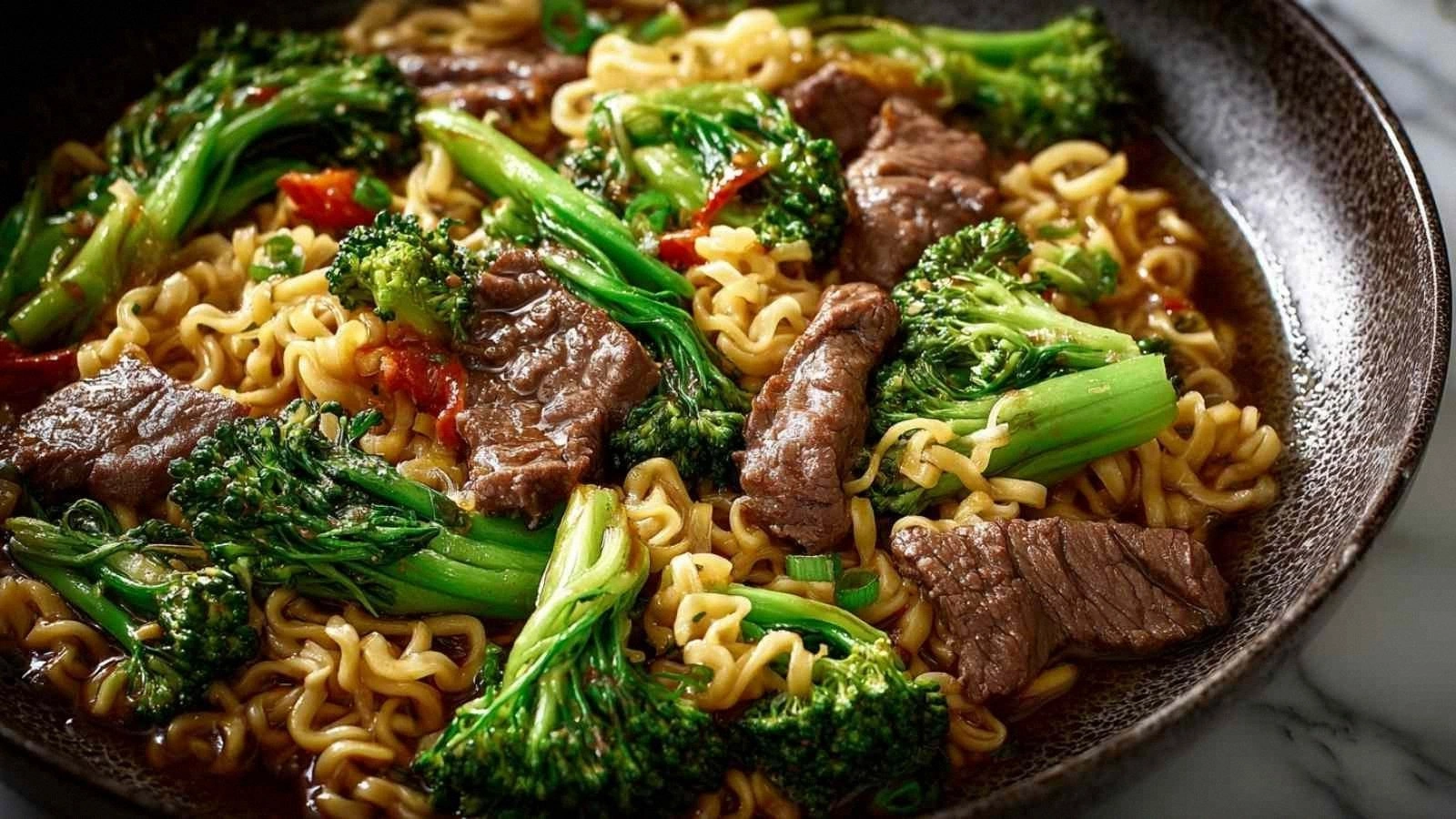
From the moment the steak hit the hot skillet, the aroma unfurled like a fragrant banner across the room. I tossed in minced garlic and grated ginger, watching the steam rise in a cloud of savory perfume that made my eyes water in the best way possible. The broccoli florets, bright green and slightly crisp, were added just in time to keep their crunch, a texture contrast that would become the dish’s secret weapon. I whisked together soy sauce, brown sugar, and a splash of sesame oil, creating a glaze that would coat the noodles like a velvet ribbon. The instant ramen, a quick fix for many, was turned into a luxurious base that absorbed every note of the sauce, turning the dish into a mouth‑watering masterpiece.
I didn't just follow a recipe; I rewrote the rules. I layered flavors in a deliberate order, letting the beef caramelize before the veggies, then letting the noodles soak up the sauce in a final, glorious toss. The result was a bowl where every bite was a harmonious blend of umami, sweetness, and a hint of heat from chili oil that danced on the tongue. I dare you to taste this and not go back for seconds, because once you hit that first spoonful, the craving will be a thing of the past. This is hands down the best version you'll ever make at home, and it’s proof that a simple pantry can produce a restaurant‑level experience.
Most recipes get this completely wrong by overcooking the noodles or under seasoning the steak, but I found the sweet spot that keeps everything tender and flavorful. I’ll be honest — I ate half the batch before anyone else got a chance to try it, and my friends were begging for the recipe. Picture yourself pulling this out of the pan, the whole kitchen smelling incredible, and the steam swirling around like a fragrant cloud. This next part? Pure magic. Let me walk you through every single step — by the end, you'll wonder how you ever made it any other way.
What Makes This Version Stand Out
- Flavor Depth: The marriage of soy sauce, brown sugar, and fresh ginger creates a complex sauce that lingers on the palate. The glaze coats each noodle strand, turning simple ramen into a silky, savory ribbon. The subtle sweetness balances the umami, preventing any single element from overpowering the rest.
- Texture Contrast: Tender flank steak, crisp broccoli, and chewy ramen form a symphony of textures that keeps every bite interesting. The broccoli retains its snap, while the noodles provide a comforting chew, and the steak offers a satisfying chew that’s far from mushy.
- Simplicity & Speed: In under 45 minutes, you can create a dish that feels like a five‑star takeout. No pre‑marinades, no long‑standing simmering—just quick sizzle, toss, and serve. The method is designed for the busy cook who still demands flavor.
- Ingredient Quality: Using fresh broccoli, high‑quality flank steak, and fresh ginger elevates the dish beyond the typical instant ramen fix. Each component is chosen for its ability to shine individually and harmonize together.
- Crowd Appeal: This bowl is a crowd‑pleaser, whether you’re feeding a family, a group of friends, or a solo night. The familiar flavors of beef and broccoli are instantly comforting, while the ramen twist adds excitement.
- Make‑Ahead Potential: The dish can be prepared in advance and reheated without losing its integrity. The sauce thickens slightly upon cooling, making it even more flavorful when you reheat.
- Heat Balance: A splash of chili oil adds a gentle kick that doesn’t overwhelm, allowing the dish to appeal to a wide range of spice tolerances. The heat is measured, not reckless.
Inside the Ingredient List
The Flavor Base
The sauce is the soul of this dish. Soy sauce provides the deep umami that anchors the flavor, while brown sugar adds a caramelized sweetness that balances the saltiness. Fresh ginger and garlic infuse the sauce with aromatic brightness that cuts through the richness of the steak. If you’re craving an extra punch, a splash of rice vinegar can add a subtle tang, but the classic combination remains unbeatable.
The Texture Crew
Broccoli florets are the crunchy backbone of the dish. They should be blanched briefly to preserve their bright green hue and snap, then tossed into the pan at the last minute to keep them lively. Instant ramen noodles bring a chewy, comforting texture that contrasts with the crisp veggies and tender beef. Choosing a ramen that retains a bit of bite—like the original flavorless variety—ensures the noodles don’t become mushy.
The Unexpected Star
Toasted sesame seeds add a nutty aroma and a delightful crunch that elevates the dish from ordinary to extraordinary. They’re the finishing touch that gives the bowl a professional feel. If you’re watching your sodium, consider using a low‑sodium soy sauce and a pinch of sea salt instead of a full tablespoon of salt.
The Final Flourish
Chili oil is the secret weapon that gives the dish its signature kick. It’s not just about heat; the oil carries the flavor of chili pepper into every bite, creating a lingering warmth that’s both comforting and exciting. A drizzle of sesame oil at the end of cooking adds a silky sheen and a subtle nutty aroma that ties everything together.
Everything's prepped? Good. Let's get into the real action.
The Method — Step by Step
- Heat a large skillet or wok over medium‑high heat until it shimmers. Add two tablespoons of vegetable oil, swirling to coat the surface. When the oil is hot enough that it starts to lightly smoke, it’s ready for the steak. Slice the flank steak into thin strips against the grain, ensuring each piece is about a quarter‑inch thick. The quick sear will lock in juices and give the meat a caramelized crust.
- Season the steak strips with a pinch of salt and pepper, then push them to one side of the pan. Add the minced garlic and grated ginger, letting the aromatics bloom for 30 seconds before you stir. The sizzling sound signals that the flavors are releasing—listen, it’s music. Then toss the steak into the aromatics, letting it brown for 2–3 minutes, stirring occasionally. The goal is a golden sear, not a char.
- Now it’s time for the sauce. In a small bowl, whisk together three tablespoons of soy sauce, one tablespoon of brown sugar, and one teaspoon of sesame oil. Pour the mixture over the steak, letting it coat each strip. Stir constantly to prevent sticking; the sauce should thicken slightly and coat the meat like a glossy glaze. The scent of caramelized sugar will fill the kitchen.
- Add the fresh broccoli florets to the pan, tossing them into the sauce. Let them steam for 2 minutes, then give them a quick stir. The broccoli should still have a bright green color and a slight crunch; don’t let it turn mushy. If you prefer softer florets, add a splash of water and cover the pan for a minute.
- Break the ramen package into four equal portions, discarding the seasoning packet. Add the noodles to the pan, breaking them apart with a spatula. Stir everything together, ensuring the noodles soak up the sauce. They should be tender but not overcooked; aim for a chewy bite. The noodles act as a vessel for the sauce, making each bite a flavor bomb.
- Just before serving, drizzle one tablespoon of chili oil over the bowl. The heat will bloom, releasing a fragrant aroma that will make your mouth water. Toss the noodles one last time to distribute the chili oil evenly. The dish should now have a glossy sheen and a subtle heat that lingers. The final touch is the crunch.
- Serve hot, straight from the skillet, and watch the steam rise like a fragrant cloud. Pair the bowl with a simple green salad or a cup of jasmine tea to balance the richness. The dish is ready to devour, and the best part? The flavors are still fresh after a few minutes of resting.
That's it — you did it. But hold on, I've got a few more tricks that'll take this to another level.
Insider Tricks for Flawless Results
The Temperature Rule Nobody Follows
Heat is the unsung hero of any stir‑fry. If your skillet is too hot, the steak will burn; too cool, it will steam and lose flavor. Use a medium‑high setting and test the oil by flicking a drop of water in the pan—if it sizzles and evaporates instantly, you’re good. This small adjustment can mean the difference between a mouth‑watering masterpiece and a soggy mess.
Why Your Nose Knows Best
Trust your senses. When the sauce begins to caramelize, the aroma will shift from sweet to savory. That subtle change signals that the glaze is ready to coat the noodles. If you’re unsure, let the pan cool for a minute and smell again; the scent will guide you to the perfect finish.
The 5‑Minute Rest That Changes Everything
Once you remove the pan from heat, let the dish sit for five minutes. This brief rest allows the flavors to meld, and the noodles to absorb the sauce fully. It also gives the broccoli a chance to firm up slightly, preserving that satisfying crunch.
A Friend’s Lesson on Timing
A friend once tried skipping the rest step and served the dish immediately. The result? The noodles were too wet and the broccoli soggy. The lesson? Timing matters, even in a seemingly simple stir‑fry.
The Secret to a Perfect Finish
A splash of sesame oil at the end adds a silky sheen and a nutty aroma that ties the dish together. The oil should be added just before serving to preserve its delicate flavor. This final touch is what separates a good meal from a great one.
Creative Twists and Variations
This recipe is a playground. Here are some of my favorite ways to switch things up:
Spicy Peanut Power
Swap the chili oil for a spoonful of creamy peanut butter and a dash of sriracha. The result is a nutty, spicy sauce that pairs beautifully with the beef. The peanut butter adds depth and a subtle sweetness that complements the ramen noodles.
Tropical Pineapple Kick
Add diced fresh pineapple during the last minute of cooking. The natural sweetness balances the heat and introduces a tropical flair. The pineapple’s acidity brightens the dish, making it feel lighter and fresher.
Seafood Sensation
Replace the beef with shrimp or scallops for a quick seafood version. The shrimp cooks in a minute, so add it last to keep it juicy. The combination of seafood and ramen creates a sophisticated yet approachable dish.
Vegan Upgrade
Use tofu or tempeh instead of beef and choose a gluten‑free ramen. Add extra veggies like carrots and bell peppers for color and crunch. The dish remains hearty while staying plant‑based.
Breakfast Bowl
Swap ramen for breakfast noodles and add a fried egg on top. The yolk adds richness and a silky texture that complements the stir‑fry. Serve with a side of kimchi for a Korean twist.
With these variations, you can keep the core of the dish intact while exploring new flavor landscapes. Each tweak brings a fresh perspective, proving that this recipe is as versatile as it is delicious.
Storing and Bringing It Back to Life
Fridge Storage
Cool the dish to room temperature, then transfer it to an airtight container. Store in the fridge for up to 2 days. The noodles may absorb some moisture, but the sauce will keep them flavorful. When you’re ready to eat, heat on the stove or microwave until steaming hot.
Freezer Friendly
For longer storage, place the dish in a freezer‑safe container or zip‑lock bag. Freeze for up to 3 weeks. Thaw overnight in the fridge, then reheat on the stove, adding a splash of water to rehydrate the noodles.
Best Reheating Method
Reheat on the stove over medium heat, stirring frequently. Add a tiny splash of water or broth to loosen the sauce. The dish should be hot and steaming, with noodles that still retain a slight chew. Finish with a drizzle of sesame oil for extra aroma.