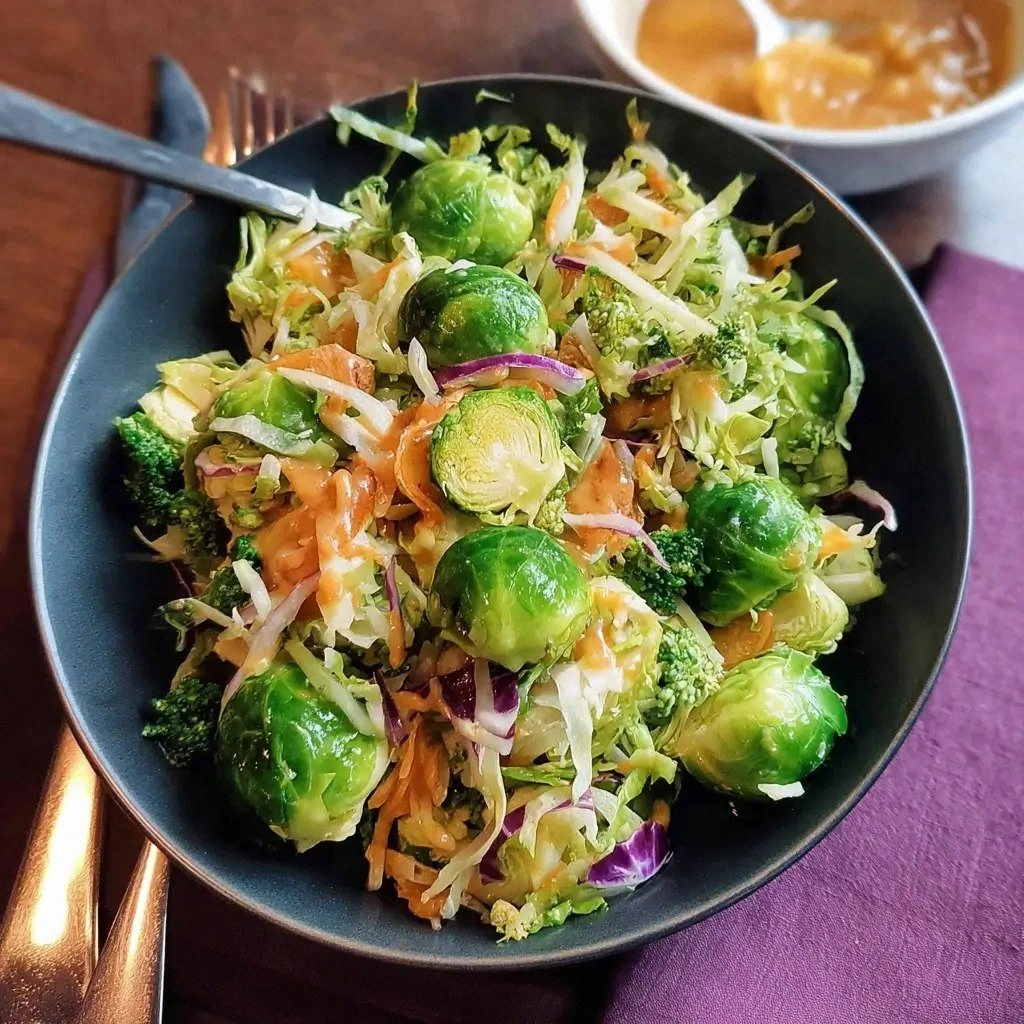
Picture this: you’re halfway through a week of work, the fridge is a sad jumble of leftovers, and you’re craving something that feels like a hug from the inside. The only thing standing between you and culinary bliss is a handful of ingredients that could easily end up forgotten in the back of your pantry. I was staring at a single chicken breast, a bunch of baby potatoes, and a jar of dried oregano, thinking, “Can I pull this together fast enough to impress myself?” The answer was a resounding yes, and the result was a dish that made me question why I ever settled for bland weeknights.
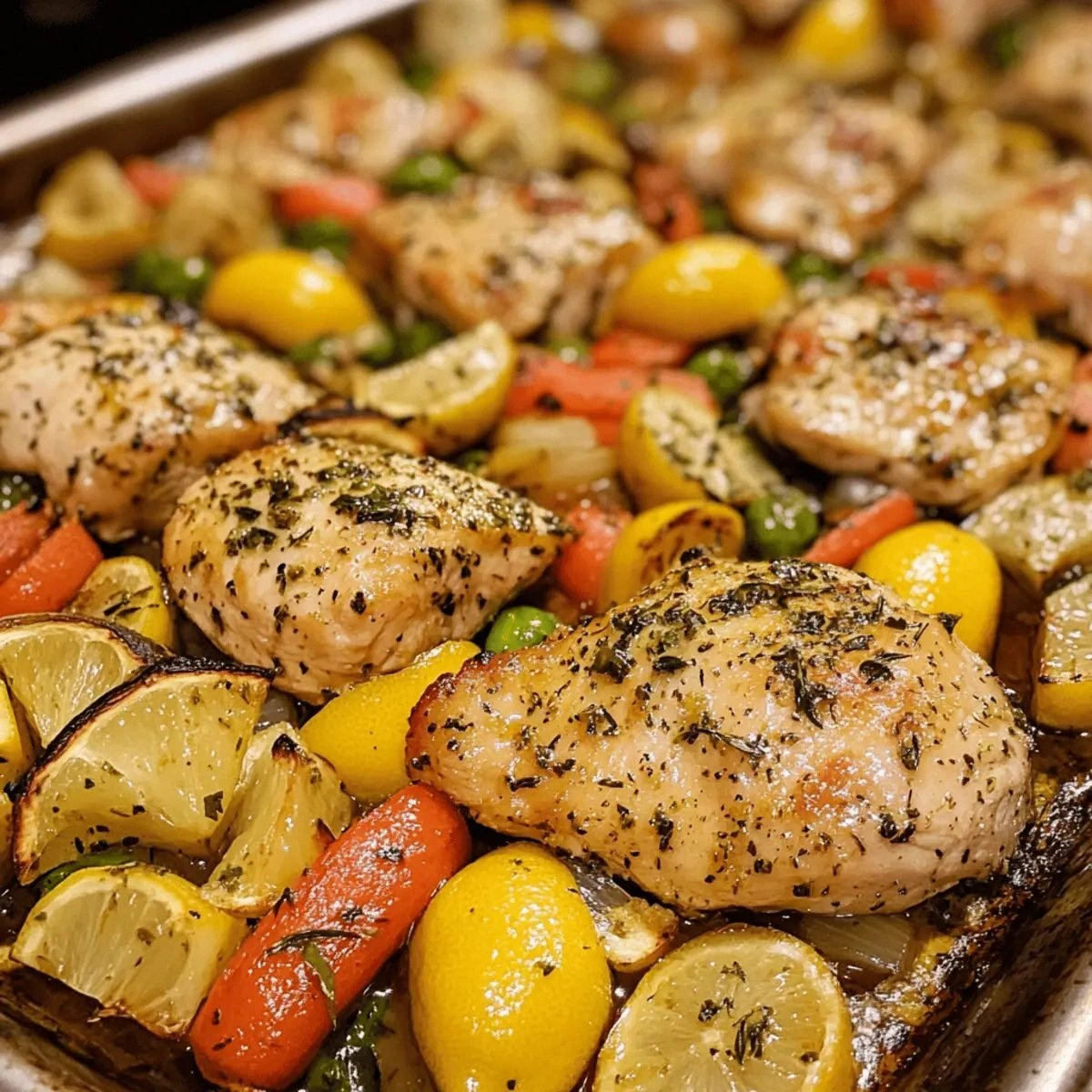
That night, I tossed the chicken, potatoes, carrots, and green beans onto a sheet pan, drizzled everything with olive oil, and let the lemon juice and herbs do their magic. The kitchen filled with a citrusy, herbaceous aroma that seemed to whisper, “This is going to be good.” I took a bite, and the chicken was juicy, the veggies had a satisfying crunch, and the lemon‑herb glaze was like a bright, refreshing blanket. I laughed at myself for being so dramatic—yet the taste was so simple yet profound that I could taste the difference between a grocery‑store version and a home‑cooked masterpiece.
I’m not going to lie: I almost ate the entire batch before anyone else could even see the plate. The combination of bright lemon, fragrant thyme, and earthy rosemary is a secret weapon that turns ordinary ingredients into a showstopper. If you’ve ever felt stuck in a recipe rut, this is the antidote you’ve been waiting for. I’ll be honest—this is hands down the best version you’ll ever make at home, and I dare you to taste this and not go back for seconds.
Now, if you’re ready for a recipe that feels like a culinary triumph, let me walk you through every single step. By the end, you’ll wonder how you ever made it any other way. Get ready, because this is going to be a game‑changer.
What Makes This Version Stand Out
- Flavor: The bright acidity of fresh lemon juice cuts through the richness of chicken, while thyme and rosemary add depth and a hint of pine. The combination feels like a sunny afternoon on a breezy patio.
- Texture: Sheet‑pan cooking locks in moisture, giving the chicken a tender, almost buttery bite, while the veggies remain crisp‑tender with a slight caramelization on the edges.
- Convenience: One pan, minimal prep, and everything finishes at the same time—no juggling pots or endless chopping.
- Ingredient Quality: Fresh herbs and real lemon juice elevate the dish far beyond a standard store‑brand sauce.
- Crowd‑Pleaser: The vibrant colors and aromatic profile make it a hit for family dinners, date nights, or a quick lunch with friends.
- Make‑Ahead Potential: The flavors deepen overnight, so you can prep the night before and simply roast in the morning.
- Versatility: Swap the protein for shrimp, tofu, or even a plant‑based patty and the dish still shines.
Alright, let's break down exactly what goes into this masterpiece...
Inside the Ingredient List
The Flavor Base
Fresh lemon juice is the star that brightens the entire dish. Its acidity not only tenderizes the chicken but also balances the earthy notes of rosemary and thyme. If you’re using bottled lemon juice, be sure it’s not the “sour” variety that’s too sweet; the fresh squeeze is essential. A pinch of sea salt enhances the citrus without overpowering the herbs.
The Texture Crew
Baby potatoes, carrots, and green beans are the textural backbone. The potatoes bring a comforting starch, the carrots add a natural sweetness, and the green beans introduce a satisfying crunch. Cutting the potatoes into even halves ensures uniform cooking; otherwise, some pieces will be underdone while others become mushy.
The Unexpected Star
Garlic is the unsung hero that adds depth. Minced finely, it releases a subtle, almost sweet aroma that lingers even after the dish is plated. If you’re a garlic purist, feel free to increase the amount—but remember, too much can become overpowering.
The Final Flourish
Dried oregano is a finishing touch that brings a Mediterranean vibe. It’s used sparingly; a teaspoon is enough to give a warm, slightly peppery finish. If you don’t have oregano on hand, a pinch of basil or oregano powder can work as a stand‑in.
Everything's prepped? Good. Let's get into the real action...
The Method — Step by Step
- Preheat your oven to 425°F (220°C). This high heat is essential for crisp edges on the veggies and a golden crust on the chicken. Let the oven warm up while you prep the ingredients, because timing is everything.
- While the oven is heating, wash and halve the baby potatoes. Place them in a bowl, drizzle with 1 tablespoon of olive oil, and season with ½ teaspoon salt and ¼ teaspoon black pepper. Toss until every piece is evenly coated. The oil helps the potatoes caramelize.
- Next, slice the carrots into 1-inch sticks and trim the ends of the green beans. In a separate bowl, combine 1 tablespoon of olive oil, ½ teaspoon salt, ¼ teaspoon pepper, and 1 teaspoon dried oregano. Toss the vegetables until they’re lightly coated. This step ensures the veggies stay moist and flavorful.
- Place the seasoned potatoes on one side of a large sheet pan, arranging them in a single layer. The even spacing ensures they roast evenly. If you’re short on pan space, you can use a second pan for the veggies.
- While the potatoes are roasting, prepare the chicken. Pat the chicken breasts dry with a paper towel. In a small bowl, whisk together ¼ cup fresh lemon juice, 2 tablespoons olive oil, 3 minced garlic cloves, 1 tablespoon each of fresh thyme and rosemary, 1 teaspoon salt, and ½ teaspoon black pepper. Coat the chicken thoroughly with the mixture.
- Place the marinated chicken breasts on top of the potatoes. The juices will seep into the vegetables, creating a delicious one‑pan flavor. If you’re using a second pan for the veggies, arrange them around the chicken.
- Roast in the preheated oven for 25–30 minutes, or until the chicken reaches an internal temperature of 165°F (74°C) and the vegetables are tender with caramelized edges. Halfway through, flip the chicken and stir the veggies to ensure even cooking.
- When the dish is done, let it rest for 5 minutes. This allows the juices to redistribute, ensuring every bite is moist. Slice the chicken against the grain for maximum tenderness.
- Plate the chicken on a bed of roasted veggies, drizzle any leftover pan juices over the top, and garnish with a sprinkle of fresh herbs if desired. The final presentation should look like a colorful, aromatic mosaic.
That's it — you did it. But hold on, I've got a few more tricks that'll take this to another level...
Insider Tricks for Flawless Results
The Temperature Rule Nobody Follows
Many people roast at 400°F, but 425°F is the sweet spot for crisp edges. The higher heat caramelizes the sugars in the veggies, giving them a delightful crunch. If your oven runs hot, reduce the temperature by 25°F to avoid burning.
Why Your Nose Knows Best
The first scent that hits you during roasting is a reliable indicator of doneness. When the air smells bright citrus and toasted herbs, the chicken is nearly done. Trust your nose; it’s a better judge than a timer.
The 5-Minute Rest That Changes Everything
Letting the chicken rest for 5 minutes after roasting allows the juices to settle. Skipping this step can leave the meat dry and the juices running off the plate. The rest period is a small price for maximum flavor.
Even Cooking on a Sheet Pan
If you’re using a large pan, rotate it halfway through roasting. This ensures even heat distribution and prevents one side from getting overcooked. A simple turn is all it takes.
Maximizing Flavor with Pan Drippings
After removing the chicken and veggies, pour the pan drippings into a small saucepan. Reduce over medium heat until it thickens into a glaze. Drizzle this over the plated dish for an extra layer of savory brightness.
The One-Pan Wonder
The beauty of this recipe lies in its simplicity—no separate pots, no extra cleanup. It’s ideal for busy weeknights or when you want a meal that looks impressive without the effort.
Creative Twists and Variations
This recipe is a playground. Here are some of my favorite ways to switch things up:
Spicy Kick
Add ½ teaspoon crushed red pepper flakes to the lemon‑herb mixture. The heat pairs wonderfully with the citrus, creating a balanced flavor profile that’s perfect for those who love a little spice.
Mediterranean Swap
Replace the baby potatoes with diced sweet potatoes and add 1 tablespoon of capers. The sweet potatoes bring natural sweetness, while the capers add briny depth, turning the dish into a Mediterranean-inspired feast.
Vegan Variation
Swap the chicken for firm tofu cubes, marinate them in the same lemon‑herb mix, and roast until golden. The tofu absorbs the flavors beautifully, offering a plant‑based version that still feels indulgent.
Pasta Side
Serve the chicken and veggies over a bed of cooked spaghetti or linguine tossed with a splash of olive oil and grated Parmesan. The pasta soaks up the lemony sauce, creating a comforting, all‑in‑one meal.
Grilled Version
Instead of roasting, grill the chicken and veggies on a preheated grill pan. The charred edges add a smoky flavor that complements the bright lemon notes.
Breakfast Twist
Add a fried egg on top of the plated dish. The runny yolk creates a creamy sauce that pairs with the citrusy chicken and crisp vegetables.
Storing and Bringing It Back to Life
Fridge Storage
Store leftovers in an airtight container for up to 3 days. Keep the chicken and vegetables separate if you plan to reheat them individually to preserve texture.
Freezer Friendly
Freeze the cooked chicken and veggies separately in freezer bags. Thaw overnight in the fridge, then reheat in a skillet or microwave. The veggies may soften slightly, but the flavor remains intact.
Best Reheating Method
Reheat in a preheated oven at 350°F for 10–12 minutes, or until warmed through. Add a splash of water or broth before reheating to keep the chicken moist. A quick sauté in a pan can also revive the veggies with a fresh crispness.