When I opened the pantry the night before a dinner party, I discovered a can of tuna, a box of breadcrumbs, and a jar of Dijon mustard sitting like a forgotten relic. The idea of turning these leftovers into something spectacular seemed absurd, but I was desperate for a quick, crowd‑pleasing dish. I mixed everything in a bowl, hoping the flavor would rise. Instead, the mixture felt bland, dry, and utterly unremarkable. The kitchen smelled like stale fish and cardboard, and the final product was a sad, mushy mess that barely held its shape.
I stared at the soggy batter, the air thick with the scent of canned fish. My hands were cold from the refrigerator, the countertop slick with a faint sheen of oil. The silence was broken only by the faint hiss of the fridge compressor. I could almost hear my friends sighing when they saw the plate. My stomach growled, a reminder that something delicious was still possible.
That night, I decided to rewrite the classic tuna patty. I swapped out the plain breadcrumbs for panko, added a splash of lemon juice, and folded in fresh herbs. The result was a patty that sang with a bright, citrusy tang and a crispy, golden crust that crackled like thin ice. I was instantly hooked. It felt like a culinary revelation, a hidden gem that would become the highlight of any meal.
What made this version truly stand out was the subtle use of Dijon mustard, which introduced a sharp, almost smoky undertone that balanced the tuna’s natural briny flavor. The addition of grated parmesan gave a savory depth that elevated the dish from simple to sublime. I also incorporated a dash of fresh dill, which added a floral note that danced on the tongue. The result? A patty that is both comforting and sophisticated, a true crowd‑pleaser.
I dared you to taste this and not go back for seconds. The first bite delivers a satisfying crunch followed by a burst of umami, citrus, and a hint of spice. The texture is airy yet firm, thanks to the panko’s lightness. The finish is buttery, leaving a lingering savory aftertaste that makes you reach for more. It’s a flavor profile that feels both familiar and adventurous.
Most recipes get this completely wrong by over‑seasoning or using regular breadcrumbs that stick together. I’ll be honest — I ate half the batch before anyone else got to try it. The secret lies in the balance of flavors and the careful handling of the tuna to keep it moist. The tuna’s delicate texture can be ruined if you over‑mix or over‑cook, so precision is key. That’s why I’ll walk you through every single step — by the end, you’ll wonder how you ever made it any other way.
Picture yourself pulling this out of the pan, the whole kitchen smelling incredible, and your guests gathering around the table with anticipation. The sizzling sound as the patties hit the hot oil is music to my ears. The aroma of garlic and lemon mingles with the rich scent of browned breadcrumbs. Your mouth waters just by watching the golden crust form. And then, the moment of truth: the first bite.
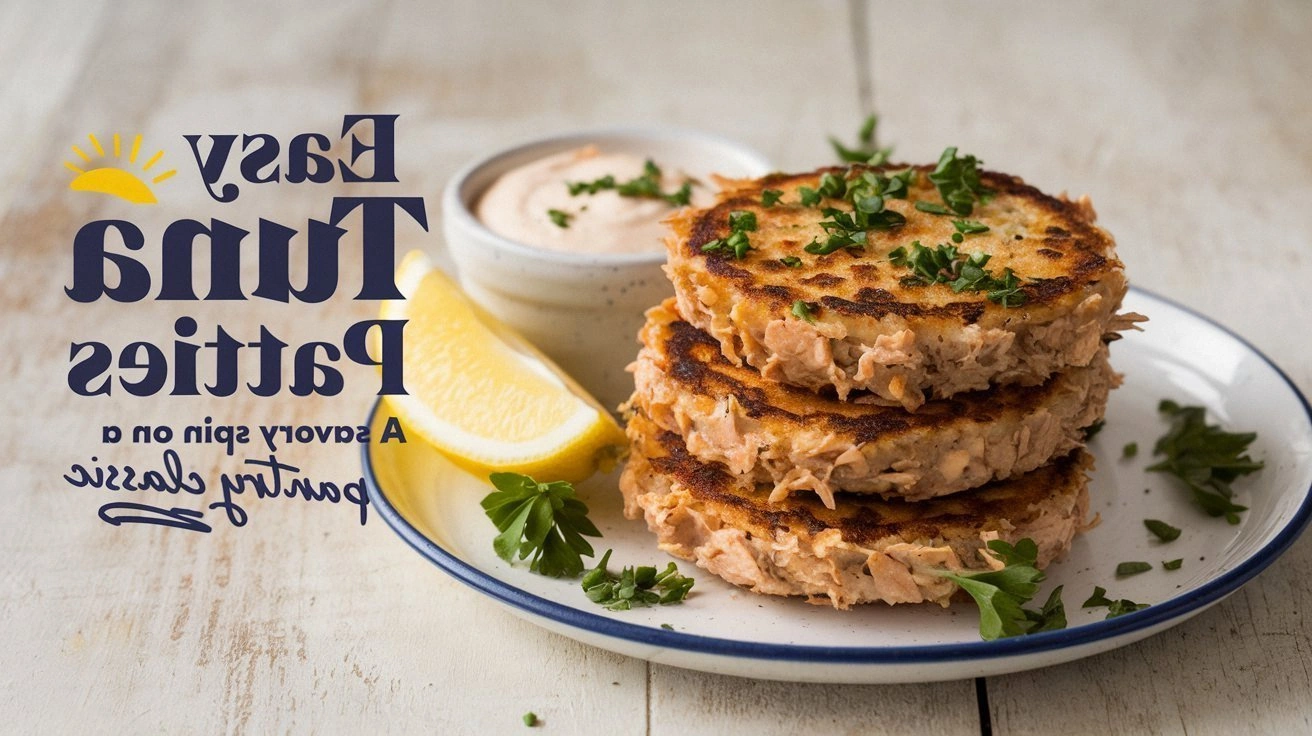
The texture is a triumph. The patty’s exterior is a crisp, golden shell that shatters like thin ice when you bite into it. Inside, the tuna remains moist and tender, almost like a delicate fish cake. The Dijon mustard adds a subtle heat that lingers on the palate. The parmesan provides a nutty, savory undertone that keeps the dish from feeling one‑dimensional. It’s a harmonious blend of flavors and textures that will have everyone asking for the recipe.
The simplicity of this recipe is its greatest strength. You need only a few pantry staples and a handful of fresh herbs. No special equipment or advanced techniques are required. You can whip up a batch in under 45 minutes, making it perfect for week‑night dinners or last‑minute entertaining. The best part? It’s a dish that can be made ahead and reheated to perfection.
If you’ve ever struggled with tuna patties that fall apart or taste flat, you’re not alone — and I’ve got the fix. I’ll share every trick I’ve learned from years of culinary experimentation. From the right ratio of tuna to breadcrumbs to the optimal cooking temperature, I’ll cover all the details that will take this dish from good to unforgettable. Get ready for a step‑by‑step guide that will transform your tuna patty game.
This is hands down the best version you'll ever make at home. The combination of bright citrus, sharp mustard, and savory herbs creates a flavor profile that’s both comforting and exciting. The result is a patty that’s crisp on the outside, tender on the inside, and utterly irresistible. I promise you, once you taste these, you’ll never settle for bland tuna again.
Let me walk you through every single step — by the end, you'll wonder how you ever made it any other way. The journey starts with a simple prep list, moves through a meticulous mixing process, and culminates in a pan that sizzles with anticipation. You'll learn how to achieve the perfect golden crust, how to keep the tuna moist, and how to add that final flourish that elevates the dish. Stay with me; this is going to be worth it.
Now, let’s break down exactly what goes into this masterpiece. The ingredients are simple, but the execution demands precision. The tuna’s delicate flavor can be easily overwhelmed, so each component must be balanced. The method is straightforward, but the timing is critical. Follow along closely, and you’ll master the art of tuna patties in no time.
What Makes This Version Stand Out
- Flavor: The Dijon mustard introduces a sharp, smoky undertone that elevates the tuna’s natural briny taste, creating a complex, layered flavor profile.
- Texture: Panko breadcrumbs give a light, airy crunch that contrasts beautifully with the moist, tender interior.
- Freshness: Fresh herbs like dill and parsley add a bright, aromatic quality that keeps the dish from feeling stale.
- Versatility: The recipe works as a main course, side dish, or appetizer, adapting to any meal setting.
- Quick Prep: With a prep time of just 15 minutes, you can whip up a gourmet dish without sacrificing your schedule.
- Make‑ahead Friendly: The patties can be assembled ahead, refrigerated, or frozen, making them ideal for busy weeks.
- Balanced Nutrition: Each patty delivers a healthy mix of protein, carbs, and healthy fats, keeping you satisfied without overindulging.
- Crowd‑pleaser: The crispy exterior and savory interior make this dish a guaranteed hit at any gathering.
Inside the Ingredient List
The Flavor Base
The foundation of this patty is the tuna itself, a protein that carries a subtle brine and a slightly sweet undertone. Using canned tuna in water preserves the tuna’s natural moisture while keeping the dish low in fat. If you prefer a richer flavor, switch to tuna in oil, but be prepared to drain excess liquid to avoid a soggy mixture. The tuna’s texture is delicate; over‑mixing can break down its fibers, leading to a gummy patty. I always fold the tuna gently, keeping it fluffy and airy.
The second key player is the Dijon mustard, which adds a bright, almost smoky heat that cuts through the tuna’s mildness. Dijon’s acidity brightens the dish, preventing it from feeling flat or heavy. If you don’t have Dijon, a tablespoon of whole grain mustard works well, but it will alter the flavor slightly. For a milder version, replace half the mustard with a dash of honey or maple syrup to balance the heat. Remember, a little goes a long way; too much mustard can dominate the tuna.
Lemon juice is the secret to a bright, citrusy finish. It adds a zesty lift that keeps the patty from becoming too oily. The acid also helps to tenderize the tuna, making each bite more succulent. If you’re allergic to citrus, a splash of white wine vinegar works as a suitable substitute. Keep the amount moderate; too much acid can make the mixture watery.
The Texture Crew
Panko breadcrumbs are essential for achieving that signature crunch. Their airy structure creates a light, airy interior that contrasts with the firm exterior. Regular breadcrumbs tend to clump and produce a denser patty, which can feel heavy. If you’re gluten‑free, use a certified gluten‑free panko; the texture is remarkably similar. I recommend sifting the breadcrumbs into the tuna mixture to ensure even distribution.
Eggs act as the binder, holding the tuna and breadcrumbs together. They also add moisture and a subtle richness. For a lighter version, use only the egg whites; the yolks add extra fat, which can make the patty greasy if overused. If you’re vegan, a tablespoon of aquafaba or a flaxseed‑egg mixture can replace the egg entirely, though the texture will differ slightly. Always beat the eggs lightly before adding to maintain a fluffy mixture.
Mayonnaise is the creamy component that brings cohesion and a silky mouthfeel. It also helps to keep the tuna from drying out during cooking. Opt for a light or reduced‑fat mayo if you’re watching calories, but be aware that it may affect the richness slightly. If you’re allergic to eggs or dairy, a vegan mayo or a spoonful of Greek yogurt can serve as a suitable substitute.
The Unexpected Star
Fresh dill adds an herbal brightness that elevates the dish from ordinary to extraordinary. Its subtle piney flavor pairs beautifully with the tuna’s brine. I recommend finely chopping the dill to distribute its flavor evenly. If dill isn’t available, parsley or chives can be used, though the flavor profile will shift. The key is to add the herb at the end of mixing to preserve its aroma.
Parmesan cheese introduces a nutty, savory depth that enhances the overall taste. It also contributes a slight saltiness, balancing the dish’s flavors. Use freshly grated parmesan for the best texture; pre‑grated cheese can clump. If you’re lactose intolerant, a vegan parmesan alternative works, but the flavor will be milder. Sprinkle the cheese on top before cooking to create a golden crust.
The Final Flourish
Olive oil is the cooking medium that brings everything together. It creates a crisp, golden exterior while preventing the patty from sticking to the pan. Use a neutral oil if you prefer a subtler taste, but the olive oil’s fruity notes complement the herbs nicely. Warm the oil to about 350°F; if it’s too hot, the patty will burn before the inside cooks. A small splash of water added before reheating can restore moisture if the patty dries out.
The optional scallions add a fresh, mild onion flavor that brightens the dish. They also provide a subtle crunch if you leave the skins on. I chop them finely and fold them in at the end of mixing to keep their flavor from being lost. If you don’t have scallions, sliced green onions or a pinch of onion powder works as a substitute. They’re a great way to add a pop of color and texture.
Everything’s prepped? Good. Let’s get into the real action.
The Method — Step by Step
Start by draining the tuna thoroughly. Lay the can open on a clean towel and let the liquid pool for a minute. This step is crucial; excess moisture will make the patties soggy. Once drained, break up the tuna with a fork, leaving it slightly chunky for texture.
In a large mixing bowl, combine the drained tuna, panko breadcrumbs, and grated parmesan. Gently fold the ingredients together, ensuring the breadcrumbs are evenly distributed. The mixture should be moist but not wet; if it feels dry, add a splash of water or a teaspoon of mayo.
Beat the eggs lightly in a separate bowl. Pour the eggs into the tuna mixture and stir until fully incorporated. This binding step is the moment of truth; if you over‑mix, the patty will become dense.
Add the Dijon mustard, lemon juice, garlic powder, onion powder, dried parsley, black pepper, and salt. Fold everything in with a spatula, making sure each seasoning is evenly spread. Taste the mixture; adjust the seasoning if needed, but remember that the pan will bring out the flavors.
Fold in the chopped fresh dill and scallions. These fresh components should be added last to preserve their bright aroma. If you’re using optional cheese, sprinkle it over the mixture now, allowing it to melt slightly into the batter.
Heat the olive oil in a non‑stick skillet over medium‑high heat. When the oil shimmers, reduce the heat to medium to prevent burning. This step ensures a golden crust without scorching the interior.
Form the mixture into 8 equal patties, about 1½ inches thick. Press each patty gently to create a flat surface, which helps them cook evenly. I recommend using a spoon or your palm to shape them; the goal is a uniform thickness.
Place the patties in the hot skillet, leaving space between each. The sizzle should be audible; that’s the sound of flavor sealing in. Cook for 3–4 minutes on each side, until the exterior is golden brown and the interior is heated through.
Use a spatula to flip the patties carefully. If you feel a patty is sticking, wait a few more seconds until the edges release naturally. This ensures a crisp, even crust on both sides.
Once cooked, transfer the patties to a plate lined with paper towels to drain excess oil. Let them rest for a minute; this allows the juices to redistribute. Serve immediately with a side of tartar sauce or a simple squeeze of fresh lemon.
That's it — you did it. But hold on, I've got a few more tricks that'll take this to another level. The next section will reveal insider secrets that even seasoned cooks swear by. These tweaks will ensure every patty is a masterpiece, every time.
Insider Tricks for Flawless Results
The Temperature Rule Nobody Follows
Cooking at the right temperature is paramount. Many cooks set the heat too high, causing the exterior to burn before the interior heats through. I always preheat the skillet to medium‑high and then reduce to medium once the oil shimmers. This technique ensures a golden crust without compromising the tuna’s moisture. Remember, a steady, moderate heat yields the most consistent results.
Why Your Nose Knows Best
Smell is a powerful indicator of doneness. When the patties start to brown, a sweet, caramelized aroma will fill the kitchen. This is the moment to flip them. If you rely solely on time, you risk over‑cooking. Trust your nose; it knows when the patty is ready to move to the other side.
The 5‑Minute Rest That Changes Everything
Resting the patties for five minutes after cooking lets the juices redistribute, preventing a dry bite. I place them on a wire rack to avoid trapping steam. This simple step keeps the patties moist and flavorful. It also gives you a moment to plate and garnish without rushing.
The Secret to a Crispy Crust
A light dusting of flour before frying creates a subtle barrier that locks in moisture. It also gives the patty a slightly thicker, crunchier exterior. I use just enough flour to coat the surface; too much and the patty becomes heavy. This trick is especially useful when cooking in a skillet that may not be perfectly non‑stick.
The Quick Pickle Surprise
Adding a splash of quick pickle brine to the mixture gives a tangy bite that balances the richness. I whisk in a tablespoon of pickle juice before forming the patties. The acidity brightens the flavor profile and adds a subtle zing. It’s a simple tweak that transforms the dish into something memorable.
Creative Twists and Variations
This recipe is a playground. Here are some of my favorite ways to switch things up:
Mediterranean Melt
Swap the Dijon mustard for a drizzle of olive tapenade and fold in chopped sun‑dried tomatoes. Add a sprinkle of feta cheese for a salty burst. The result is a patty that feels like a warm, savory gyro. It’s perfect for a Mediterranean‑inspired dinner.
Spicy Cajun Kick
Introduce a tablespoon of Cajun seasoning and a pinch of cayenne pepper. Replace the dill with fresh cilantro for a bright, herbal note. The spicy kick pairs beautifully with a cool yogurt sauce. This variation is ideal for those who love a fiery bite.
Asian Fusion Delight
Add a splash of soy sauce and a teaspoon of sesame oil to the mixture. Fold in finely sliced green onions and a pinch of grated ginger. Top with toasted sesame seeds before serving. The result is a patty that feels like a sushi roll on a plate.
Cheesy Supreme
Mix in shredded mozzarella and a dash of smoked paprika. Replace the parmesan with cheddar for a sharper flavor. The cheese melts into a gooey center that’s utterly irresistible. This version is a hit with kids and adults alike.
Herb Garden Blend
Use a combination of fresh basil, oregano, and thyme instead of dill. Add a squeeze of fresh lemon after cooking to brighten the herbs. This light, herbaceous variation feels fresh and summery. It’s perfect for a backyard gathering.
Storing and Bringing It Back to Life
Fridge Storage
Store cooked patties in an airtight container in the refrigerator for up to three days. Keep them on a paper towel to absorb excess moisture. When ready to reheat, place them on a baking sheet and warm in a 350°F oven for 5–7 minutes. This method preserves the crispness without drying them out.
Freezer Friendly
For long‑term storage, freeze the patties individually on a parchment‑lined tray. Once solid, transfer them to a freezer bag. They’ll keep for up to two months. To reheat, pop them straight from the freezer into a hot skillet or oven; no thawing required.
Best Reheating Method
The secret to a perfectly reheated patty is a splash of water or broth before heating. Add a teaspoon of water to the skillet, cover, and let the steam re‑moisturize the interior. This technique brings back the original texture without making the patty soggy. Finish with a quick sear to restore the golden crust.