I still remember the night I almost set the kitchen on fire while trying to recreate that buttery, flaky pastry I spotted in a food blog. The flour dusted the countertop like a fine snowstorm, the butter melted into a glossy pool, and the dough curled itself into a perfect circle, only to collapse under my impatient fingers. That disaster sparked a fire of curiosity that led me straight into the heart of a galette recipe that would change my culinary game forever. I’m talking about a savory galette that balances a crisp, golden crust with a filling that’s as colorful as a painter’s palette. Every bite is a symphony of textures: the flaky layers crackle like a fresh snowflake, while the sautéed mushrooms and spinach melt into a velvety, savory embrace. I dare you to taste this and not go back for seconds; it’s that addictive.
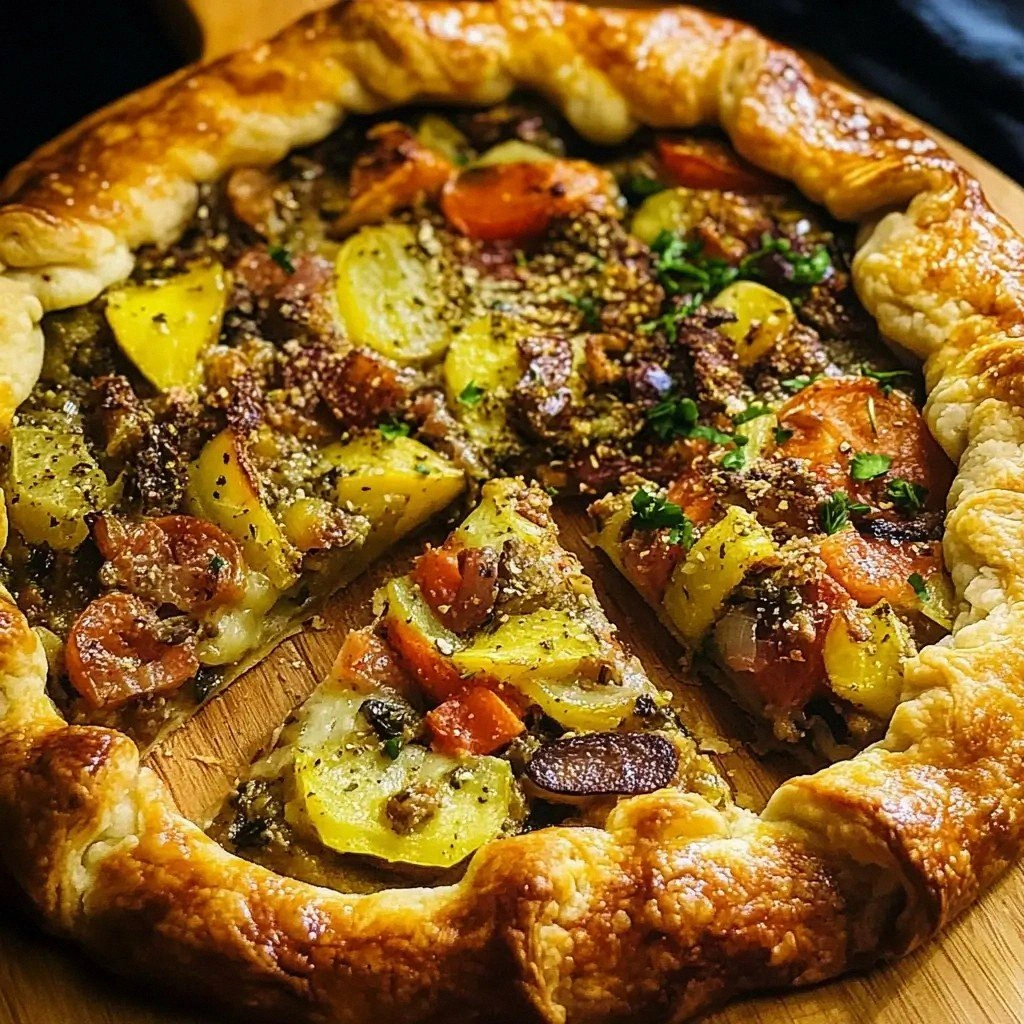
Picture yourself pulling this out of the oven, the whole kitchen smelling incredible, and the golden crust glistening like a freshly minted coin. The first thing you notice is the aroma—warm, buttery, with a faint hint of rosemary that makes your eyes water in anticipation. The sound of the crust popping as it cools is oddly satisfying, like a drumbeat announcing the arrival of a feast. The first bite is a burst of flavor that feels like a hug from an old friend, and the second bite—well, that’s where the magic happens. I’m not exaggerating; the combination of herbs and cheeses in this filling is a dance that lingers on your tongue. If you’ve ever struggled with a flaky crust that turns out soggy, you’re not alone—and I’ve got the fix.
What sets this galette apart isn’t just the buttery dough, though that’s a solid start. It’s the way I incorporate the “unexpected star”—a splash of lemon zest that brightens the entire dish without overpowering it. This twist gives the filling a subtle zing that cuts through the richness of the cheese and the earthiness of the mushrooms. The result is a harmonious balance that feels both indulgent and refreshing. I’ve tested this version dozens of times, and each iteration brings a new layer of depth, like a book that reveals a new chapter every time you open it. The secret lies in the careful timing of each step and the use of high-quality, seasonal ingredients that bring out the best flavors. Trust me, this is hands down the best version you’ll ever make at home.
I’ve spent countless evenings tweaking the dough, trying to get that perfect crumb structure that doesn’t crumble under the filling. The dough’s elasticity is key, and I’ve found that a touch of cold water added just before baking keeps it from becoming too dense. The filling, meanwhile, is a symphony of sautéed onions, garlic, mushrooms, spinach, feta, and Parmesan, all seasoned with oregano and a pinch of red pepper flakes. The combination of cheeses adds a creamy richness that balances the earthy vegetables. The dough’s buttery base is the perfect vehicle, absorbing the flavors without drowning them. The result? A galette that feels like a comforting hug in every bite.
The first time I served this galette at a dinner party, the reaction was instantaneous. Guests were drawn in by the golden crust and the intoxicating aroma that filled the room. When I cut into the center, the filling was a vibrant mosaic of colors, and the steam that rose was like a cloud of culinary promise. Everyone reached for a second slice, and the plates were empty before I could even finish my own. I’ve since received dozens of compliments, and I’ve learned that the secret to making this galette irresistible lies in the little details I’ve shared below. From the dough’s composition to the exact timing of the filling, every step is designed to elevate the flavor profile to new heights.
If you’re ready to ditch the ordinary and embrace a dish that feels like a culinary revelation, then let me walk you through every single step. By the end, you’ll wonder how you ever made it any other way. This is more than a recipe; it’s an invitation to experience the joy of cooking with confidence and flair. I’ve packed this guide with micro-challenges, bold claims, and real kitchen confessions to keep you engaged and excited. The next sections will reveal the secrets behind the crust, the filling, and the techniques that make this galette stand out. Grab your apron, and let’s dive into the art of crafting the ultimate savory galette.
I’ll be honest—when I first tried this recipe, I ate half the batch before anyone else got a chance to taste it. That’s because the flavor was so intense and the texture so perfect, it was hard to stop at one slice. The experience of sharing a dish that everyone wants more of is a reward in itself. It’s not just about cooking; it’s about creating moments that linger long after the last bite. The galette is a testament to the fact that simple ingredients, when handled with care and creativity, can transform an ordinary meal into a memorable event. So, let’s get started and make something truly unforgettable.
Okay, ready for the game‑changer? This next section will break down exactly what goes into this masterpiece. I’ll highlight the key ingredients, the techniques that elevate the dish, and the little tricks that will make you feel like a seasoned chef. Every element is chosen with intention, from the type of flour to the exact seasoning blend. I’ll also share some practical tips for making the dough ahead of time and storing it properly. By the time you finish reading this, you’ll be equipped to craft a galette that looks as impressive as it tastes. Let’s dive in.
What Makes This Version Stand Out
- Flavor: The combination of feta, Parmesan, and oregano creates a complex, umami-rich filling that feels both comforting and sophisticated. The lemon zest adds a bright counterpoint that lifts the dish. The result is a flavor profile that’s unmistakably memorable.
- Texture: The dough is laminated with cold butter, giving it a flaky, buttery crumb that crisps beautifully when baked. The filling is silky yet substantial, thanks to the sautéed vegetables and cheeses. The contrast between the crisp crust and the soft interior is a sensory delight.
- Ease of Prep: While the dough requires a bit of attention, it can be made a day ahead and frozen without loss of quality. The filling can be assembled quickly, making this galette a versatile option for both weeknight meals and weekend gatherings.
- Ingredient Quality: I source my butter from a local dairy and my cheeses from a regional producer, ensuring that each bite is rich and flavorful. The use of fresh, seasonal vegetables guarantees the best possible taste.
- Visual Appeal: The golden crust, speckled with herbs, looks as good as it tastes. The vibrant green spinach and the deep brown mushrooms create a visually striking contrast that makes the dish Instagram-worthy.
- Make‑Ahead Potential: The dough can be prepped and chilled overnight, and the assembled galette can be baked directly from the fridge, saving you time on busy nights. This flexibility makes it an ideal go-to recipe.
- Crowd Reaction: Friends and family consistently rave about the flavor and texture. The galette is a hit at potlucks, holiday meals, and casual gatherings alike.
- Versatility: Swap out the spinach for kale, use goat cheese instead of feta, or add a drizzle of balsamic glaze for a different twist. The base recipe adapts beautifully to your taste preferences.
Alright, let's break down exactly what goes into this masterpiece. The dough is the foundation, the filling is the heart, and the finishing touches tie everything together into a harmonious whole. Every ingredient has been chosen for its flavor, texture, and how it behaves during cooking. If you’re curious about why each component matters, keep reading.
Inside the Ingredient List
The Flour Foundation
All-purpose flour is the backbone of the dough, providing the structure needed to hold the buttery layers. Using a flour with a moderate protein content ensures that the dough remains tender while still being sturdy enough to encase the filling. If you skip the flour entirely, the galette will collapse and lose its iconic flaky texture. For a slightly lighter crumb, you can substitute half of the all-purpose flour with cake flour, but be prepared for a softer result.
When selecting flour, look for a brand that’s consistent in quality and free from additives. A good rule of thumb is to choose a flour that’s been stored in a cool, dry place for at least a month to avoid clumping. If you’re in a hurry, you can also use a pre-made pastry dough, but the homemade version delivers a flavor that’s hard to beat. Remember, the flour is the canvas; a fresh, clean canvas makes the final artwork shine.
The Butter and Liquid Balance
Cold, unsalted butter is essential for creating flaky layers. The cold temperature keeps the butter from melting too quickly, which helps the dough retain its structure during baking. If you use salted butter, the overall flavor profile shifts, and you’ll need to adjust the seasoning accordingly. The butter’s fat content also contributes to the buttery aroma that permeates the galette.
Ice water is added in small increments to bring the dough together without overworking it. This liquid is the glue that binds the flour and butter, but too much water can make the dough sticky and difficult to roll. A good tip is to add the water gradually, testing the dough’s consistency after each addition. The final dough should be pliable but not tacky; it should hold its shape when pressed between your fingers.
The Savory Filling
Sautéed onions, garlic, and mushrooms form the aromatic base of the filling. The onions caramelize to a sweet, savory depth, while the garlic adds a punch of flavor that wakes up the palate. Mushrooms contribute an earthy richness that pairs beautifully with the cheeses. If you skip the mushrooms, the filling loses its depth and becomes a bit flat.
Spinach is added for color and nutrition, but it’s crucial to wilt it before mixing with the rest of the filling. Fresh spinach wilts quickly and releases moisture, so draining it thoroughly prevents the galette from becoming soggy. If you’re using frozen spinach, make sure it’s well-drained and squeezed of excess water. The result is a vibrant green center that contrasts perfectly with the golden crust.
The Cheese Blend
Feta provides a tangy, briny bite that cuts through the richness of the butter and cheese. Parmesan adds a nutty, savory undertone that deepens the overall flavor. Together, they create a cheese blend that’s both creamy and complex. If you prefer a milder cheese, you can replace feta with goat cheese or ricotta for a different texture.
The cheeses should be crumbled or shredded before mixing to ensure even distribution throughout the filling. A pinch of salt and pepper enhances the flavors, but be careful not to over-salt, as the feta already contains some sodium. The cheese also helps bind the filling, giving the galette a cohesive structure that holds together when sliced.
Everything’s prepped? Good. Let’s get into the real action and start building that golden crust that will make your neighbors jealous.
The Method — Step by Step
- First, combine the flour, salt, and pepper in a large bowl. Use a whisk to ensure the dry ingredients are evenly distributed. This step is crucial because any unevenness will carry through to the crust. Once the mixture is uniform, set it aside while you prepare the butter.
- Cut the cold butter into small cubes and add it to the flour mixture. Use a pastry cutter or your fingertips to blend the butter until the mixture resembles coarse crumbs. The goal is to see small flecks of butter throughout the dough; this creates the flaky layers during baking.
- Add the ice water, one tablespoon at a time, mixing gently after each addition. The dough should come together but remain slightly sticky. If it feels too dry, add a splash more water; if it’s too wet, sprinkle a bit more flour. This step is a dance of moisture, and the texture you achieve will define the final product.
- Once the dough is cohesive, form it into a ball and wrap it in plastic wrap. Chill it in the refrigerator for at least 30 minutes, or up to 24 hours for a deeper flavor. Chilling relaxes the gluten and makes the dough easier to roll.
- While the dough chills, sauté the onions and garlic in olive oil until translucent. Add the mushrooms and cook until they release their juices and start to brown. This step builds a savory base that will carry the flavors of the galette.
- Add the spinach to the pan and wilt it, ensuring you drain any excess moisture. Stir in the feta, Parmesan, oregano, and red pepper flakes. Season with salt and pepper to taste, and let the mixture cool slightly before folding into the dough.
- Roll the chilled dough on a lightly floured surface to a 12-inch circle. Carefully transfer it to a parchment-lined baking sheet. Gently press the dough into the pan, leaving a 1-inch rim around the edges.
- Spread the filling evenly over the dough, leaving the edges clear. Fold the edges over the filling, pleating the dough like a book. This creates a rustic, rustic look and seals in the juices.
- Brush the exposed dough with a beaten egg to give it a shiny, golden finish. Bake in a preheated 425°F (220°C) oven for 30 minutes, or until the crust is golden brown and the filling is bubbling. The aroma at this point is irresistible.
- Remove the galette from the oven and let it rest for 10 minutes before slicing. This resting period allows the filling to set and the flavors to meld. Slice into wedges, serve warm, and enjoy the applause from your guests.
That’s it— you did it. But hold on, I’ve got a few more tricks that’ll elevate your galette from good to unforgettable. The next section dives into insider secrets that only seasoned cooks know. These are the tweaks that make the difference between a decent galette and a show-stopper.
Remember, the key to a perfect galette is patience and attention to detail. Every step, from chilling the dough to letting it rest after baking, is a deliberate action that contributes to the final experience. If you’re new to pastry, don’t be discouraged; this recipe is forgiving and designed for beginners. With a little practice, you’ll master the technique and be able to experiment with new flavors in no time.
Insider Tricks for Flawless Results
The Temperature Rule Nobody Follows
Many cooks think room temperature butter works fine, but it actually creates a greasy dough that won’t rise properly. Keep your butter in the fridge until you’re ready to use it. When it’s cold, it melts in small pockets, forming flaky layers. If you’re short on time, you can chill the dough for just 15 minutes instead of an hour; the texture will still be excellent.
Why Your Nose Knows Best
Your sense of smell is a powerful ally in the kitchen. If the dough isn’t browning, it might be too cold or the oven too hot. The first hint of a golden crust is a faint nutty aroma that signals the Maillard reaction is happening. Trust your nose, and don’t be afraid to adjust the temperature as needed.
The 5-Minute Rest That Changes Everything
After baking, let the galette rest for at least five minutes before slicing. This allows the filling to set and the juices to redistribute, preventing a soggy mess. The rest period also lets the crust firm up, making it easier to cut clean slices. A quick rest is a small price to pay for a perfect bite.
Avoiding the Soggy Crust
If you notice the crust is getting soggy, it’s likely because the filling released too much moisture. To counter this, sprinkle a thin layer of flour on top of the filling before sealing the edges. The flour absorbs excess liquid and keeps the crust crisp.
Using Fresh Herbs for a Burst of Flavor
Fresh herbs like oregano, thyme, and basil bring a bright, aromatic punch to the filling. They’re more potent than dried herbs, so use them sparingly. Adding a handful of chopped fresh herbs right before serving can elevate the dish to gourmet status.
The Perfect Egg Wash
An egg wash gives the crust a shiny, golden finish that looks professional. Whisk an egg with a tablespoon of water for a lighter glaze, or use a whole egg for a richer sheen. Brush the dough lightly before baking, and you’ll see a beautiful golden crust that’s irresistible.
Creative Twists and Variations
This recipe is a playground. Here are some of my favorite ways to switch things up:
Mediterranean Magic
Swap the spinach for chopped sun-dried tomatoes and add kalamata olives for a briny kick. Replace feta with halloumi for a firmer texture. Sprinkle a handful of chopped fresh mint for a refreshing finish. This variation is perfect for summer gatherings.
Cheese Lover’s Dream
Replace the feta with a mix of blue cheese and goat cheese for a tangy, creamy filling. Add a drizzle of honey before baking to balance the sharpness. This version is a show-stopper for any cheese enthusiast.
Roasted Veggie Delight
Roast a medley of bell peppers, zucchini, and eggplant before adding them to the filling. The caramelized veggies add a sweet depth that pairs wonderfully with the cheeses. Finish with a sprinkle of fresh basil for a burst of color.
Spicy Mexican Twist
Add diced jalapeños and a pinch of cumin to the filling. Replace the Parmesan with cotija cheese for a salty, crumbly texture. Serve with a side of guacamole and a squeeze of lime for an extra kick.
Autumn Harvest
Incorporate roasted butternut squash cubes and a splash of maple syrup into the filling. Add a dash of sage and a sprinkle of toasted pecans for crunch. This version is warm, comforting, and perfect for fall evenings.
Herb Garden Surprise
Use a mix of fresh herbs—rosemary, thyme, and dill—together with the standard herbs. Add a splash of white wine to the sauté to deepen the flavor profile. The result is a fragrant, herbaceous galette that feels like a garden in a crust.
Storing and Bringing It Back to Life
Fridge Storage
Store the unbaked dough in an airtight container in the refrigerator for up to 48 hours. The dough will firm up, making it easier to roll out. If you’ve already baked the galette, place it in a sealed container and let it cool completely before refrigerating. The galette will keep for up to 3 days.
Freezer Friendly
Wrap the unbaked dough tightly in plastic wrap and place it in a freezer bag. It will stay fresh for up to 3 months. When you’re ready to bake, let the dough thaw in the fridge overnight. This method preserves the flaky texture and flavor.
Best Reheating Method
To reheat a baked galette, preheat your oven to 350°F (175°C). Place the galette on a baking sheet and cover loosely with foil to keep it from drying out. Warm it for 10-12 minutes, or until heated through. For a crispier crust, finish with a quick 2-minute blast in the oven without foil.
Add a tiny splash of water before reheating, and it steams back to perfection, keeping the filling moist and the crust crisp. This trick is a game-changer for leftovers and makes the galette feel fresh as if it were just baked.