Picture this: I’m standing in my cramped kitchen, a half‑finished lasagna cooling on the counter, and a sudden craving for something fresh, bright, and impossibly comforting hits me like a bolt of summer lightning. I’ve tried the classic Caprese salad a dozen times, but every time the mozzarella ends up rubbery and the tomatoes turn soggy, leaving me with a soggy mess that looks nothing like the glossy Instagram photos I adore. In a moment of culinary desperation (and a dare from a friend who claimed “no one can make a better Caprese pasta”), I grabbed a pot, tossed in a handful of penne, and decided to reinvent the whole thing from scratch. The result? A dish that sings with the sweet pop of cherry tomatoes, the creamy melt of fresh mozzarella, and a basil‑kissed olive oil that clings to every curve of the pasta like a lover’s whisper.
The kitchen was alive with sound: the gentle hiss of garlic sautéing in oil, the rhythmic bubble of boiling water, and the occasional clatter of a wooden spoon against the pot’s side. The air filled with an intoxicating aroma—ripe tomatoes mingling with the peppery perfume of fresh basil, a hint of garlic that makes you want to close your eyes and inhale deeply, and that unmistakable, buttery note of mozzarella melting just enough to become silky but not stringy. My fingertips felt the heat of the pan, the weight of the pot, and the slickness of olive oil as it swirled around the ingredients, creating a glossy coat that promised each bite would be a perfect balance of texture and flavor. The taste? Imagine a summer garden captured in a single forkful, where the acidity of the tomatoes dances with the richness of the cheese, and the peppery basil adds a fresh snap that lifts the whole composition.
What makes this version of Caprese Penne truly stand out is a few daring choices that most recipes overlook. First, I use a splash of high‑quality extra‑virgin olive oil not just for sautéing but also to finish the dish, creating a silk‑smooth sauce that clings to the penne like velvet. Second, I add a quick flash of garlic and then immediately deglaze with a splash of balsamic reduction, giving the dish a subtle depth that feels almost luxurious without overpowering the fresh ingredients. Third, the mozzarella isn’t shredded; it’s halved bocconcini that melt into luscious pockets, ensuring every bite has that perfect gooey center. And finally, I finish with a handful of torn basil leaves that release their aromatic oils just before serving, preserving their bright green color and fresh flavor. I dare you to taste this and not go back for seconds—because once you’ve experienced this harmony, ordinary Caprese will feel like a bland afterthought.
Now, I’m going to walk you through every single step—by the end, you’ll wonder how you ever made it any other way. Okay, ready for the game‑changer? This next part? Pure magic. I’ll share the exact technique for getting that glossy sauce, the secret timing for the mozzarella, and a few kitchen hacks that will save you time and elevate the flavor. Stay with me here — this is worth it.
What Makes This Version Stand Out
- Flavor Explosion: The combination of sweet cherry tomatoes, creamy mozzarella, and fragrant basil creates a symphony that hits every taste bud, making each forkful unforgettable.
- Texture Harmony: Al dente penne provides a satisfying bite while the sauce coats each tube like silk, and the mozzarella adds a melt‑in‑your‑mouth surprise.
- Simplicity Meets Sophistication: Only a handful of ingredients, yet each one is treated with care to bring out its peak performance.
- Unique Ingredient Twist: A splash of balsamic reduction adds a subtle tang that elevates the classic Caprese profile without stealing the show.
- Crowd‑Pleaser Factor: Whether it’s a weeknight dinner or a dinner‑party centerpiece, this dish garners rave reviews and repeat requests.
- Ingredient Quality Focus: Using fresh, high‑quality mozzarella and ripe, sun‑kissed tomatoes makes the difference between ordinary and extraordinary.
- Cooking Method Mastery: The quick sauté‑then‑deglaze technique locks in flavor and prevents sogginess, a common pitfall in many pasta salads.
- Make‑Ahead Potential: Prep the components ahead of time; the final assembly takes minutes, perfect for busy evenings.
Inside the Ingredient List
The Flavor Base
At the heart of this dish lies the aromatic trio of garlic, extra‑virgin olive oil, and balsamic reduction. Garlic, when minced finely and sautéed just until fragrant, releases a sweet, nutty essence that forms the backbone of the sauce. The olive oil not only carries the garlic’s flavor but also adds a luxurious mouthfeel that coats the penne like a silk sheet. The balsamic reduction, a concentrated splash of sweet‑tart goodness, introduces a nuanced depth that balances the acidity of the tomatoes. Skipping any of these means missing out on the layered complexity that makes this version sing.
The Texture Crew
Penne is the star of the show here, chosen for its ridged surface that grabs onto the sauce, ensuring each bite is drenched in flavor. Cooking it al dente—just firm to the bite—provides that satisfying chew that prevents the dish from feeling mushy. Fresh mozzarella bocconcini, halved, melt gently into pockets of creamy goodness, offering a contrast to the firm pasta. If you substitute shredded mozzarella, you’ll lose those delightful pockets, and the texture will become uniformly gooey rather than exciting.
The Unexpected Star
Cherry tomatoes bring a burst of juiciness and a natural sweetness that rivals any added sugar. Their thin skins break down quickly, creating a light, fresh sauce that clings to the pasta without turning watery. The key is to use tomatoes that are fully ripe—if they’re still firm, they won’t release enough juice, and the dish will lack that bright, summery flavor. A quick tip: give them a gentle toss in a pinch of salt before cooking; this draws out moisture and intensifies their natural sweetness.
The Final Flourish
Fresh basil is the aromatic finishing touch, its peppery, slightly sweet notes lifting the entire composition. Tear the leaves just before serving; this releases the essential oils without bruising the leaves, preserving their vibrant green color. A final drizzle of high‑quality olive oil adds a glossy sheen, while a sprinkle of grated Parmesan adds a salty umami punch that rounds out the flavor profile. If you’re feeling adventurous, a light drizzle of the same balsamic reduction used earlier can create a beautiful visual contrast and a sweet finish.
Everything's prepped? Good. Let's get into the real action...
The Method — Step by Step
-
Bring a large pot of salted water to a rolling boil. Add the penne and cook until just al dente—usually about 9 minutes, but start checking at the 7‑minute mark. Once the pasta reaches that perfect firm‑yet‑tender bite, reserve a cup of the starchy cooking water, then drain the penne and set aside. The reserved water will later help emulsify the sauce, ensuring it clings to every curve of the pasta. This is the moment of truth: the pasta must be perfectly timed, because overcooked penne will turn mushy and undercooked will be harsh.
Kitchen Hack: Add a pinch of olive oil to the boiling water; it prevents the pasta from sticking together and makes the final sauce distribution smoother. -
While the pasta cooks, heat 1/2 cup of extra‑virgin olive oil in a large skillet over medium heat. Add the minced garlic and sauté for about 30 seconds, just until you smell that nutty, caramelized aroma—be careful not to let it brown, or it will turn bitter. Quickly deglaze the pan with 2 tablespoons of balsamic reduction, letting it sizzle and reduce by half, which concentrates its flavor and adds a glossy sheen to the sauce. The sizzling sound at this point? Absolute perfection, a tiny pop that tells you the pan is hot enough to lock in flavor.
-
Introduce the halved cherry tomatoes to the skillet, stirring gently to coat them in the garlicky‑balsamic oil. Cook for 3–4 minutes, just until the tomatoes begin to soften and release their juices, forming a light, fragrant sauce. If the mixture looks too dry, splash in a splash of the reserved pasta water—this will help create a silky emulsion that clings to the penne later. Remember, the goal is a sauce that’s thick enough to coat but not watery; this balance is what makes the dish feel luxurious.
Watch Out: Overcooking the tomatoes will turn them into a mushy puree, losing the bright pop that defines a good Caprese. Keep the heat moderate and watch closely. -
Now, add the cooked penne directly into the skillet, tossing it gently to ensure every tube is enveloped by the tomato‑garlic‑balsamic mixture. Sprinkle in a generous handful of torn basil leaves, allowing their aromatic oils to mingle with the sauce. At this stage, the pasta should start to glisten, each piece looking as if it’s been brushed with a thin layer of olive oil. The basil’s fresh scent will rise, signaling that the flavor foundation is nearly complete.
-
Introduce the halved mozzarella bocconcini to the pan, spreading them evenly among the pasta. Let the heat of the skillet melt the cheese just enough to become soft and creamy, but not so much that it disappears entirely—aim for that perfect gooey pocket that bursts with milky goodness on each bite. This step is crucial; if you add the cheese too early, it will over‑melt and become a greasy film, ruining the texture.
-
Season the dish with salt and freshly ground black pepper to taste. Remember, the cheese and tomatoes already carry some natural saltiness, so start with a light sprinkle and adjust gradually. Taste the sauce—if it feels a little flat, a dash more balsamic reduction can brighten it up, adding a subtle sweet‑tart lift that makes the flavors pop.
-
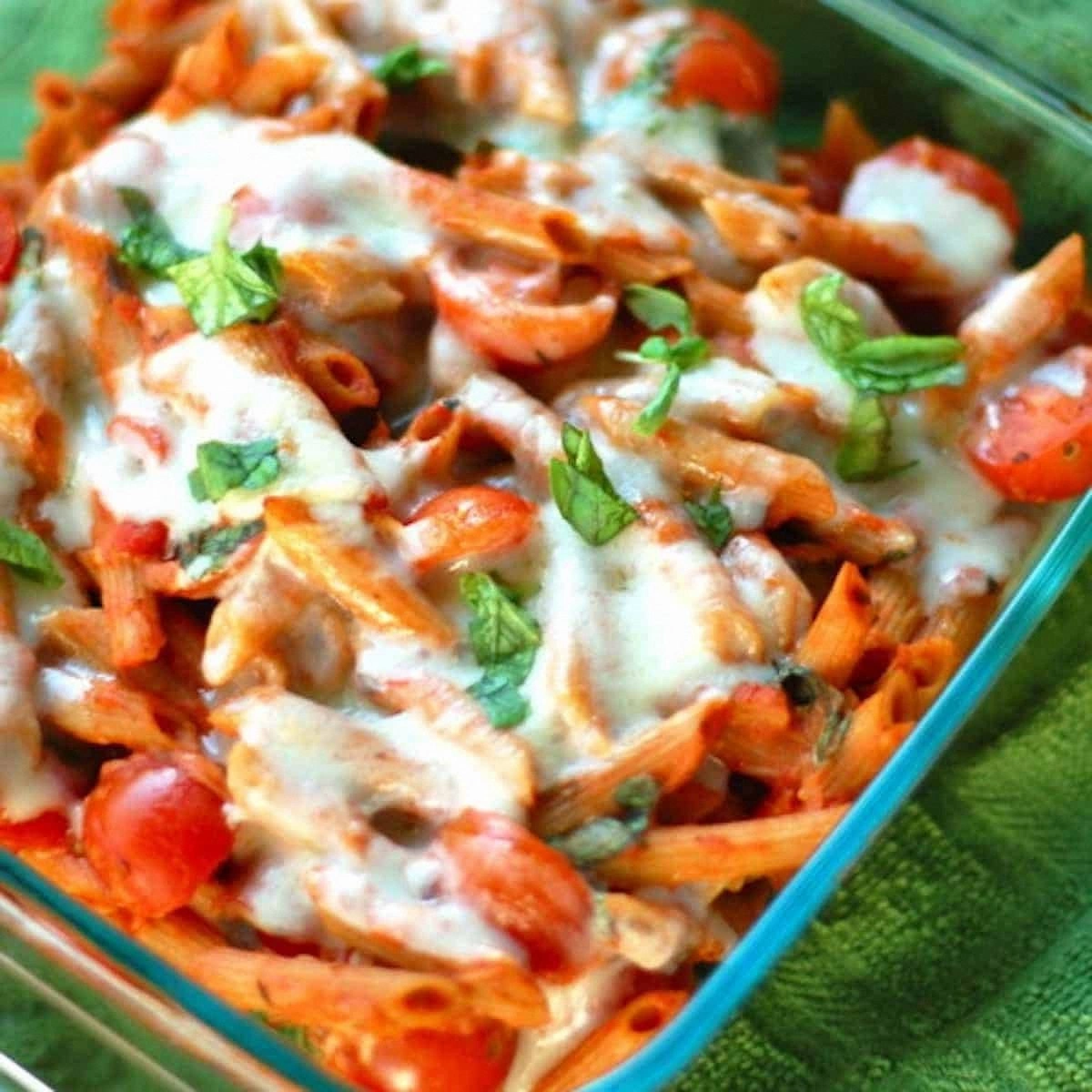
Finish with a final drizzle of high‑quality olive oil and, if you love an extra layer of umami, grate a quarter‑cup of Parmesan over the top. Toss everything together one last time, allowing the cheese to melt just enough to coat the pasta in a velvety sheen. The final visual should be a vibrant red‑white‑green tableau, with glossy sauce, melted mozzarella, and fresh basil speckles.
Kitchen Hack: Right before serving, toss the pasta with a tablespoon of cold butter; it creates an extra silkiness that makes the sauce cling like a second skin. -
Plate the Caprese Penne in shallow bowls, ensuring each serving gets an even distribution of mozzarella, tomatoes, and basil. For the ultimate finishing touch, drizzle a thin line of balsamic reduction across the top for a visual contrast and a burst of sweet acidity. Let the dish sit for a minute, allowing the residual heat to finish melting the cheese and marrying the flavors together. Picture yourself pulling this out of the oven, the whole kitchen smelling incredible, and the first forkful delivering a perfect harmony of textures and tastes.
That's it — you did it. But hold on, I've got a few more tricks that'll take this to another level...
Insider Tricks for Flawless Results
The Temperature Rule Nobody Follows
Never cook the pasta at a rolling boil that’s too aggressive; a gentle, steady boil keeps the penne from breaking and ensures even cooking. I once turned the heat up to “max” in a rush, and the penne turned into mushy noodles that fell apart when tossed. Keep the flame moderate and you’ll get that perfect al dente bite every time. Pro tip: use a kitchen timer and set it for two minutes less than the package instructions—then test for doneness.
Why Your Nose Knows Best
When sautéing garlic, trust your sense of smell more than the clock. The moment you detect that sweet, nutty aroma, you know the garlic is perfectly cooked. If you wait too long, it’ll turn bitter and ruin the entire sauce. This sensory checkpoint is a lifesaver for anyone who’s ever burned garlic and ended up with a blackened, acrid flavor.
The 5‑Minute Rest That Changes Everything
After mixing the pasta with the sauce, let it rest off the heat for five minutes. This short pause allows the flavors to meld, the cheese to settle, and the pasta to absorb a bit more of the sauce, resulting in a cohesive dish rather than a collection of separate components. I’ve seen people serve it immediately and miss out on that depth—trust me, those extra minutes are worth it.
Salt Timing Trick
Season the pasta water generously—about 1 tablespoon of kosher salt per gallon of water. This is the first layer of seasoning and it penetrates the penne from the inside out. If you skip this step, you’ll end up adding more salt later, which can over‑season the delicate mozzarella. Properly salted water is the secret behind many chefs’ flawless pasta dishes.
Finish with a Splash of Water
When reheating leftovers, add a splash (about 2‑3 tablespoons) of water before microwaving. The steam created revives the sauce’s glossy texture and prevents the pasta from drying out. This tiny trick transforms cold leftovers into a dish that feels freshly made, keeping the mozzarella creamy and the tomatoes juicy.
Creative Twists and Variations
This recipe is a playground. Here are some of my favorite ways to switch things up:
Spicy Arrabbiata Kick
Swap the balsamic reduction for a quick arrabbiata sauce—sauté garlic with crushed red pepper flakes, then add canned crushed tomatoes and simmer. The heat adds a fiery contrast to the sweet mozzarella, perfect for those who love a little heat.
Smoky Bacon Boost
Introduce crisp‑cooked bacon bits after the pasta is tossed. The smoky, salty crunch pairs beautifully with the fresh basil and juicy tomatoes, turning the dish into a hearty, indulgent meal.
Vegan Delight
Replace the mozzarella with firm tofu cubes marinated in lemon juice and nutritional yeast, and use a drizzle of olive oil mixed with a splash of white wine vinegar instead of balsamic. The result is a plant‑based version that still delivers that creamy‑mouthfeel and bright flavor.
Herb‑Infused Olive Oil
Infuse your olive oil with rosemary and thyme before sautéing the garlic. This adds an earthy, piney note that deepens the flavor profile and gives the dish a rustic Italian vibe.
Grilled Veggie Mix‑In
Add grilled zucchini, eggplant, and red bell pepper strips after the tomatoes have softened. The charred veggies introduce a smoky sweetness that complements the fresh basil and mozzarella.
Cheese‑Lover’s Upgrade
Finish the dish with a blend of Pecorino Romano and aged Parmesan, creating a sharp, salty edge that contrasts with the sweet tomatoes and creamy mozzarella. This version is perfect for cheese enthusiasts seeking a bolder profile.
Storing and Bringing It Back to Life
Fridge Storage
Transfer any leftovers into an airtight container and store them in the refrigerator for up to three days. The sauce may thicken as it cools; simply stir in a teaspoon of olive oil before reheating to restore its glossy texture.
Freezer Friendly
Caprese Penne freezes well for up to two months. Portion the pasta into freezer‑safe bags, removing as much air as possible. When ready to eat, thaw overnight in the fridge, then reheat gently on the stovetop with a splash of water to revive the sauce.
Best Reheating Method
For the ultimate reheating experience, use a skillet over medium heat. Add a tablespoon of water or broth, cover the pan, and stir occasionally until the pasta is heated through and the mozzarella becomes melty again. This method prevents drying and keeps the flavors vibrant.