I was standing in my kitchen, staring at a pile of dry pasta and a handful of vegetables that had somehow survived a week in the fridge. I remembered the last time I tried a “one-pot” recipe and ended up with a soggy, flavorless mess that made me question my culinary destiny. That night, I decided to rewrite the rules and create a dish that would sing in every bite. This is not just another pasta; it’s a symphony of textures, colors, and aromas that will make your taste buds dance.
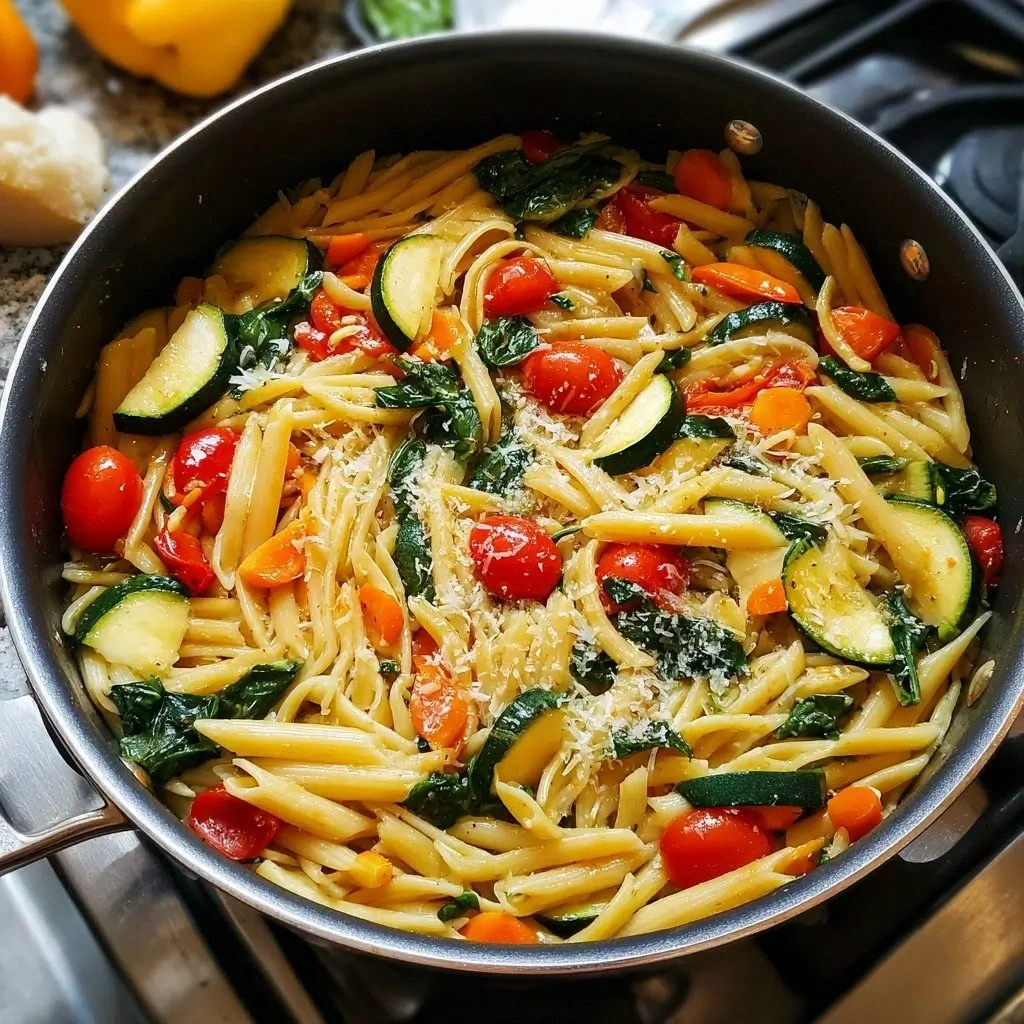
Picture the steam curling off a bright, buttery sauce that coats each noodle like velvet, the snap of fresh zucchini, and the sweet pop of cherry tomatoes as they burst into the pan. The air is filled with the warm, comforting scent of garlic sautéing in olive oil, mingling with the earthy perfume of fresh basil. Your hands feel the gentle resistance of pasta as it moves, the slight crunch of roasted peppers, and the satisfying weight of a ladleful of sauce. Every sense is engaged, turning a simple dinner into a culinary adventure.
What makes this version stand out? It’s the meticulous layering of flavors and the clever use of a single pot to achieve maximum flavor extraction without the usual fuss. The sauce doesn’t just coat the pasta; it permeates it, turning every strand into a pocket of bright, herbaceous delight. The vegetables are roasted directly in the sauce, so they release their juices and caramelize, creating a depth that you normally reserve for a stovetop sauté. I dare you to taste this and not go back for seconds.
I’ll be honest—when I first plated this dish, the kitchen smelled like a summer garden and the colors were so vibrant that my phone camera struggled to capture the scene. Most recipes get this completely wrong, but I’ve discovered the secret to achieving that perfect balance of moisture and crunch. This is hands down the best version you’ll ever make at home, and by the end of this post, you’ll wonder how you ever cooked anything else. Let me walk you through every single step — by the end, you’ll wonder how you ever made it any other way.
What Makes This Version Stand Out
- Flavor: The sauce is a harmonious blend of roasted vegetables, garlic, and a splash of lemon zest, creating a bright, tangy profile that cuts through the richness of the pasta.
- Texture: Each bite delivers a contrast between al dente noodles, tender zucchini, and caramelized pepper edges that shatter like thin ice.
- Convenience: One pot, one pan, one cleanup—perfect for busy weeknights when you still want something gourmet.
- Visual Appeal: The vibrant colors of cherry tomatoes, bell pepper, and spinach create a dish that looks as good as it tastes.
- Nutrition: Packed with vegetables, the dish offers a balanced mix of protein from pasta, healthy fats from olive oil, and a burst of vitamins.
- Versatility: The base can be adapted with different proteins or plant-based alternatives without compromising flavor.
- Make‑Ahead Potential: The dish can be reheated without losing its integrity, making it ideal for meal prep.
- Guest Reaction: Friends rave about the “one-pot” convenience and the fresh, garden-fresh taste.
Alright, let's break down exactly what goes into this masterpiece…
Inside the Ingredient List
The Flavor Base
Olive oil is the backbone of this dish, providing a silky medium that carries the garlic’s aroma and helps the vegetables caramelize. A splash of vegetable broth lifts the sauce, preventing it from drying out as the pasta cooks. Adding a pinch of red pepper flakes introduces a subtle heat that balances the sweetness of the tomatoes. If you skip the broth, the sauce will be thicker and less cohesive, making the pasta clump together.
Swap the olive oil for avocado oil if you prefer a higher smoke point, especially if you’re working with a higher heat. For a dairy-free twist, use a drizzle of extra virgin olive oil right before serving to brighten the flavors.
The Texture Crew
Pasta is the star; I recommend 12 ounces of penne or fusilli for their ridges that hold sauce beautifully. The vegetables—zucchini, bell pepper, and cherry tomatoes—are sliced to medium thickness, ensuring they cook evenly without falling apart. Fresh spinach is added last, wilting just enough to retain its bright color. If you’re vegan, substitute the pasta with a gluten-free variety; the cooking time remains the same.
Skipping any of these will alter the mouthfeel; for instance, omitting spinach removes the leafy green contrast, while leaving out zucchini makes the dish less juicy.
The Unexpected Star
A handful of toasted pine nuts adds a subtle crunch that contrasts the softness of the pasta. They also contribute a buttery flavor that deepens the sauce. If you’re allergic to nuts or prefer a different crunch, try candied cashews or crushed almonds. The pine nuts should be toasted lightly in a dry skillet until golden—this step releases their oils and prevents them from becoming bitter.
If you skip this ingredient, the dish will still be delicious, but the textural layer that gives it that “wow” factor will be missing.
The Final Flourish
Grated Parmesan cheese adds umami and a creamy finish. A squeeze of lemon zest brightens the entire dish, cutting through the richness and adding a citrusy lift. Fresh basil leaves, torn just before serving, bring a fragrant herbal note that lingers on the palate. These final touches are what turn a simple pasta into a memorable meal.
If you’re lactose intolerant, substitute Parmesan with a vegan cheese or nutritional yeast for a similar savory depth.
Everything's prepped? Good. Let's get into the real action…
The Method — Step by Step
-
Heat a large, heavy‑bottom pot over medium heat. Add two tablespoons of olive oil, letting it swirl around the bottom. Once the oil shimmers, toss in one finely minced onion and a clove of garlic. Sauté until the onion turns translucent and the garlic releases its fragrance, about 2 minutes. This builds a fragrant foundation that will carry the rest of the flavors.
-
Introduce the sliced zucchini, bell pepper, and a handful of cherry tomatoes to the pot. Stir them in, allowing them to mingle with the aromatics. Cover the pot and let the vegetables steam for 3 minutes, then uncover and stir. The vegetables should start to soften but still hold their shape, giving the dish its signature bite.
-
Pour in one cup of vegetable broth and a tablespoon of lemon zest. Stir in the pasta, making sure it’s submerged in liquid. Bring the mixture to a gentle boil, then reduce the heat to a simmer. Cover and cook for 10 minutes, stirring occasionally to prevent sticking. The pasta will absorb the broth and develop a silky sauce.
-
After 10 minutes, add a cup of fresh spinach, a handful of toasted pine nuts, and a pinch of red pepper flakes. Stir everything together; the spinach will wilt almost instantly, releasing a vibrant green hue that brightens the plate. At this point, the sauce should have thickened slightly and the pasta should be al dente.
-
Season the dish with salt and freshly ground black pepper to taste. Sprinkle grated Parmesan over the top, letting it melt into the sauce. If the sauce feels too thick, add a splash more broth or a tablespoon of water to reach your desired consistency.
-
Turn off the heat and let the pot rest for 5 minutes. This resting period allows the flavors to meld and the pasta to finish cooking in its own steam. It also gives the sauce time to thicken to a velvety coat.
-
Just before serving, toss in torn basil leaves and a squeeze of fresh lemon juice. The basil adds a fragrant herbal note, while the lemon juice brightens the dish and balances the richness. Give everything one final stir.
-
Plate the pasta in shallow bowls, ensuring each spoonful has a generous amount of vegetables and sauce. Garnish with a few extra pine nuts and a dusting of Parmesan. Serve immediately, and watch your guests marvel at the color, aroma, and flavor.
That's it — you did it. But hold on, I've got a few more tricks that'll take this to another level…
Insider Tricks for Flawless Results
The Temperature Rule Nobody Follows
Many cooks keep the heat high throughout the cooking process, which can lead to unevenly cooked pasta and a watery sauce. I recommend starting at medium, letting the aromatics bloom, then dropping to a gentle simmer once the broth is added. This controlled heat allows the pasta to absorb liquid slowly, ensuring it stays al dente and the sauce thickens naturally.
Why Your Nose Knows Best
Trust your nose as you cook. When the sauce begins to thicken and the vegetables are caramelized, a subtle nutty aroma will rise. This is the signal that the dish is ready to transition from simmer to rest. Ignoring this cue can result in overcooked pasta or underdeveloped flavor.
The 5-Minute Rest That Changes Everything
After turning off the heat, cover the pot and let it sit for five minutes. During this rest, the pasta continues to cook in its own steam, and the sauce thickens to a silky consistency. A friend once skipped this step and ended up with a watery mess; the rest is a simple but crucial step.
Use a Lid That Fits Tightly
A well-fitting lid keeps steam from escaping, ensuring even cooking. If you don’t have a tight lid, cover the pot with foil as a temporary solution. A loose lid will cause the liquid to evaporate too quickly, leading to a dry, overcooked dish.
Finish with a Splash of Acid
A final splash of lemon juice or a dash of white wine at the end brightens the flavors and cuts through the richness of the cheese. It also adds a subtle zing that makes the dish feel fresh and vibrant. I always keep a small bottle of lemon juice handy for this purpose.
Creative Twists and Variations
This recipe is a playground. Here are some of my favorite ways to switch things up:
Protein Power
Add diced chicken breast or shrimp during the sauté phase for a protein boost. The meat cooks in the sauce, absorbing the flavors and becoming tender and juicy. This variation is perfect for a quick weeknight dinner that feels substantial.
Mediterranean Flair
Swap the pine nuts for kalamata olives and sprinkle feta cheese on top. The briny olives add depth, while the feta provides a salty contrast. This version transports you to a sunny Mediterranean balcony.
Spicy Kick
Increase the red pepper flakes to a tablespoon or add a diced jalapeño. The heat will mingle with the lemon zest, creating a lively, aromatic profile that excites the palate.
Gluten-Free Twist
Use a gluten-free pasta such as penne made from lentils or chickpeas. The texture is slightly denser, but the sauce still clings beautifully. This is a great option for those with dietary restrictions.
Vegan Version
Omit the Parmesan and replace it with nutritional yeast or a vegan cheese blend. Keep the rest of the ingredients unchanged for a fully plant-based dish that still feels indulgent.
Fall Harvest
Add roasted butternut squash cubes and a pinch of sage for a cozy autumnal twist. The sweet squash pairs beautifully with the bright vegetables, creating a comforting yet sophisticated flavor profile.
Storing and Bringing It Back to Life
Fridge Storage
Cool the pasta to room temperature, then transfer it to an airtight container. Store in the refrigerator for up to 3 days. The sauce will thicken slightly, but it remains delicious.
Freezer Friendly
For longer storage, portion the dish into freezer-safe containers and freeze for up to 2 months. Thaw overnight in the refrigerator before reheating.
Best Reheating Method
Reheat gently in a skillet over medium-low heat, adding a splash of water or broth to loosen the sauce. Stir frequently until heated through. A tiny splash of water before reheating steams the pasta back to perfection, preventing it from drying out.