I still remember the first time I attempted to make cheeseburger pie. It was one of those frantic weeknights when the fridge looked like a crime scene—half an onion rolling around, ground beef that needed to be used yesterday, and a lone block of cheddar that had seen better days. I was tired, hangry, and not in the mood for culinary heroics. Thirty minutes later I pulled a bubbling, golden-topped skillet out of the oven, the kitchen smelled like the best diner in town, and my skeptical teenager actually paused Fortnite to ask what smelled so good. One bite in, he muttered, “This is basically a Big Mac in pajamas,” which, coming from him, is a five-star review.
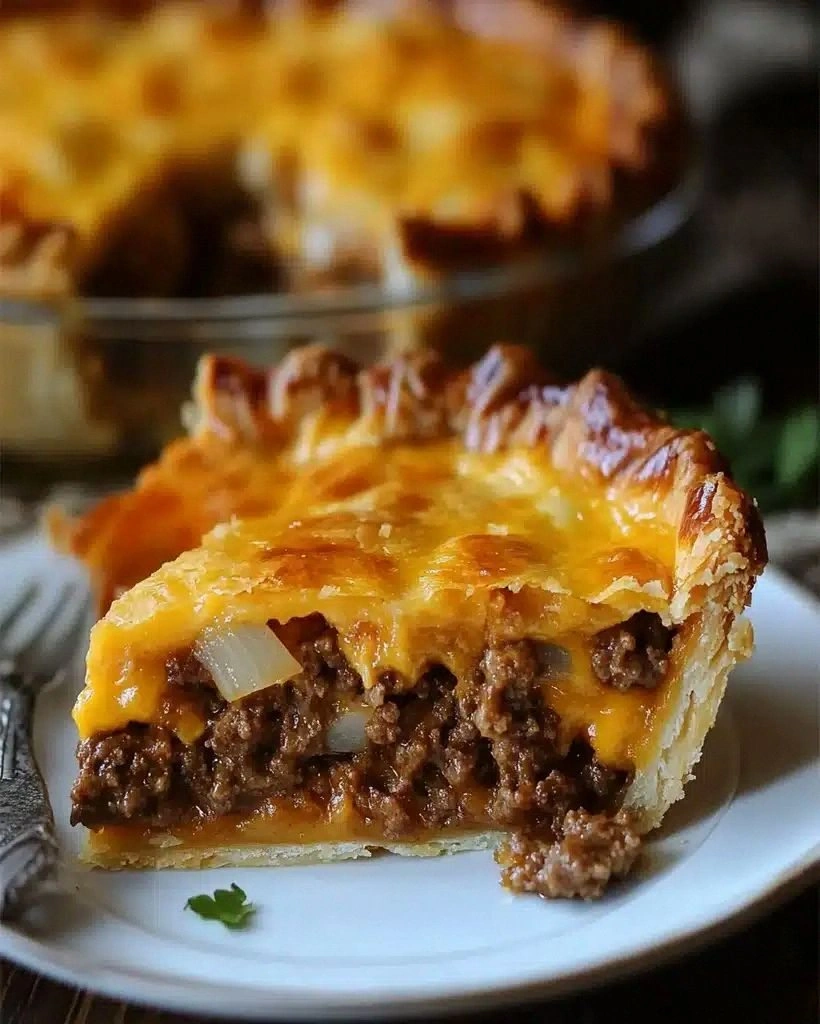
Fast-forward a few months and I’ve tinkered, tested, and taste-bud-tormented my way to what I now call the Pioneer Woman Cheeseburger Pie on steroids—same cozy nostalgia, but with layers that would make a Michelin chef raise an eyebrow. The crust is buttery-crisp like a perfectly seared smash-burger edge, the filling stays juicy instead of turning into that unfortunate gray brick most versions produce, and the cheesy top forms those lacy, toasted corners that fight for space on your fork. Picture yourself pulling this out of the oven, the whole kitchen smelling like someone merged a backyard barbecue with a French bistro, and your family suddenly remembers they like each other enough to sit at the table without phones.
Most recipes get this completely wrong by treating the dish like a gloomy casserole that time-traveled from the 1970s. They skimp on seasoning, over-bake the filling, and forget the textural carnival that makes a cheeseburger addictive in the first place. Here’s what actually works: a quick sear that keeps the beef lacy and caramelized, a whisper-thin layer of tangy-sweet secret sauce under the cheese, and a final blast of heat that turns the top into frico-like shards while the inside stays spoon-tender. If you’ve ever struggled with dry, biscuit-bottomed disappointment, you’re not alone—and I’ve got the fix.
Okay, ready for the game-changer? We’re going to fold a handful of crushed saltines into the meat mixture. Stay with me here—this is worth it. They act like tiny flavor sponges, soaking up juices and then releasing them slowly so every bite tastes like you just pressed a steamy burger between two soft buns. By the time you add the smoky paprika, the hint of Worcestershire, and that final blanket of cheddar that bubbles like a cheese lava lamp, you’ll wonder how you ever made it any other way. Let me walk you through every single step—by the end, you’ll be armed with the ultimate weeknight weapon that feels like Sunday supper.
What Makes This Version Stand Out
Beefy Boom: We’re using 80/20 chuck and refusing to drain off every last drop of flavor. The fat carries seasoning like a limousine and keeps each forkful from tasting like sawdust. You’ll brown, not steam, so the edges frizzle into miniature steak frites.
Crust Without Fuss: No rolling pin, no tears, no wrestling cold butter into submission. A quick-stir batter of flour, milk, and melted butter forms a self-made crust on the bottom and climbs the sides like it’s trying to escape the pan. Think Yorkshire pudding and a cheeseburger had a cozy pajama party.
Secret Sauce Layer: Most recipes skip the condiments entirely and then wonder why the pie tastes like bland meatloaf. A stealth smear of ketchup-mustard-mayo nirvana sits right above the crust, replicating that irresistible burger-joint vibe in every bite.
Cheese That Actually Melts: Pre-shredded cellulose-coated rubbers need not apply. We grate a mountain of sharp cheddar so it melts into glossy rivers, then broil the top for 90 seconds to create those crispy cheese fringes that shatter like thin ice.
One-Skillet Wonder: From browning beef to baking the pie, the same oven-safe pan handles the whole show. Fewer dishes mean you’ll actually attempt this on a Tuesday, which is precisely when comfort food emergencies strike.
Make-Ahead Magic: The filling can be prepped in the morning, parked in the fridge, and baked later while you help with algebra homework. It reheats like a dream, so Sunday’s leftovers become Monday’s lunchbox gold.
Inside the Ingredient List
The Flavor Base
The ground chuck is the star, so buy the good stuff. Look for bright red meat with tiny white flecks of fat; that marbling equals juiciness. Skip the pre-packed tubes that sit under fluorescent lights for weeks. If you can, ask the butcher to coarse-grind a chuck roast while you wait—texture heaven.
Yellow onion brings mellow sweetness, but don’t dice it into baby-food bits. Leave some half-moons so you get silky pockets that announce, “Hey, I’m an onion and I’m proud.” Undercooking them slightly before the beef goes in prevents the dreaded raw-onion crunch in the final pie.
Worcestershire sauce is the umami bomb that makes beef taste beefier. A single tablespoon is like Instagram’s Clarendon filter for meat: contrast, depth, drama. Soy sauce works in a pinch, but you’ll miss the subtle tamarind tang.
The Texture Crew
Eggs bind everything without turning the filling into rubber. Use large, room-temperature eggs so they disperse evenly. Cold eggs can seize the warm beef and create scrambled egg pockets—delicious at brunch, weird in burger pie.
Milk loosens the batter just enough to flow around the beef nooks. Whole milk is ideal, but two percent will apologize and work just fine. Skip skim; watery pie tastes like diet regret.
All-purpose flour is the scaffolding. Whisk it with baking powder so the crust rises with confidence, creating airy tunnels that sop up juices like a sponge at a spill scene.
The Unexpected Star
Crushed saltine crackers are the stealth texture operatives. They dissolve and swell, acting like homemade panade, which is chef-speak for “stuff that keeps meatballs plush.” No saltines? Ritz or even plain panko works, but saltines bring that nostalgic diner note.
Smoked paprika is the wink toward barbecue without shouting “I’M SMOKY.” It’s subtle—like the bass line in a great song you can’t stop humming. Regular sweet paprika tastes fine, but you’ll miss the campfire whisper.
The Final Flourish
Sharp cheddar aged at least nine months brings nutty complexity. Pre-shredded bags contain starches that dull both melt and flavor. Buy a block and grate it yourself; your biceps and taste buds will thank you.
Butter is the final paintbrush. Melted butter in the batter gives crust a croissant-like aroma, and a quick swipe across the skillet before baking prevents clingy catastrophes. Unsalted lets you control salt levels; salted butter is fine—just dial back the kosher salt by a pinch.
Everything’s prepped? Good. Let’s get into the real action...
The Method — Step by Step
- Preheat your oven to 400°F. Yes, hot. We want that batter to sprint up the sides and create the self-crust. While it heats, place a 10-inch cast-iron or other oven-safe skillet inside to get screaming hot—this is the sizzle you’ll hear when the batter hits the pan later. Slide on an oven mitt that makes you feel like a space explorer; we’re launching flavor rockets.
- Brown the beef. Over medium-high heat, add one pound of ground chuck to the now-hot dry skillet. Let it sit undisturbed for two full minutes so the underside caramelizes into mahogany goodness. Break it up with a sturdy spatula, but leave some chunky pieces—texture is joy. When it’s mostly brown but still slightly pink, toss in the onions, a teaspoon of salt, half teaspoon pepper, and that glorious Worcestershire. Cook two more minutes until the onions turn translucent at the edges and your kitchen smells like a steakhouse on payday.
- Stir in the crushed saltines and smoked paprika, then spread the mixture in an even layer. This is the cozy mattress your custard will rest on. Remove the skillet from heat; we don’t want the bottom to scorch while we whip magic in a bowl. And now the fun part...
- Whisk the batter like your life depends on it. In a medium bowl, combine ½ cup flour, 1 teaspoon baking powder, ⅛ teaspoon salt. In a second bowl (or giant measuring cup) beat 2 large eggs, then stream in 1 cup milk and 2 tablespoons melted butter. Pour wet into dry and whisk until you see bubbles—those bubbles mean lift, baby. The batter should look like thin pancake mix; if it glugs like cement, splash in another tablespoon of milk.
- Spread the stealth sauce. Mix 2 tablespoons ketchup, 1 tablespoon yellow mustard, 1 tablespoon mayo, and a dash of hot sauce. Spoon it lightly over the beef, like you’re lacquering a tiny Monet. Don’t drown it; we want whispers, not shouts.
- Pour the batter. Here’s the moment of truth: grab that blistering skillet with your space-mitt, set it on a heat-safe surface, and slowly pour the batter around the perimeter so it creeps toward the center like liquid lace. The edges will start setting immediately—that’s your crust forming.
- Add the cheese avalanche. Sprinkle 1½ cups freshly grated sharp cheddar over the top. Some will sink, some will float, and that’s perfect—it creates layers of gooey and crispy. I dare you to taste this and not go back for seconds.
- Bake 25–30 minutes. Slide the skillet onto the middle rack and resist opening the door for the first 20 minutes; consistent heat is the secret handshake between crust and custard. When the top is leopard-spotted brown and a toothpick inserted near the center comes out clean, you’re golden. Broil for the final 90 seconds if you crave those burnt-cheese edges that shatter like thin ice on a winter puddle.
- Rest five minutes. I know, the aroma is conducting a full Broadway musical in your kitchen, but resting lets the custard set so your first slice doesn’t flood like a busted dam. Use the time to set the table, pour drinks, and bask in the applause that’s about to rain down.
That’s it—you did it. But hold on, I’ve got a few more tricks that’ll take this to another level...
Insider Tricks for Flawless Results
The Temperature Rule Nobody Follows
Most home cooks eyeball “medium-high” and end up with a lukewarm pan that steams beef into gray sadness. Here’s the fix: hover your hand two inches above the dry skillet. When you can count to three Mississippi before the heat forces you to retreat, you’re ready. If the beef doesn’t sizzle on contact, wait. That sizzle when it hits the pan? Absolute perfection.
Why Your Nose Knows Best
Ignore the clock and trust aroma checkpoints. When onions turn sweet, you’ll smell a faint caramel note. If you catch a popcorn-like whiff, you’ve crossed into over-browned territory—kill the heat immediately. A friend tried skipping this step once; let’s just say it didn’t end well and her smoke alarm now has PTSD.
The 5-Minute Rest That Changes Everything
Resting isn’t optional; it’s flavor insurance. During those five minutes, carry-over cooking nudges the internal temp to a safe zone while starches retrograde, firming the custard. Cut too soon and you’ll unleash a molten river that erodes your beautiful layers. Patience, grasshopper.
Cheese Placement Geometry
Rather than dumping cheese in a single mound, scatter half in the center and the rest in a ring near the edges. The perimeter cheese will blister into lacy crisps while the center stays molten. It’s like getting two toppings for the price of one, and your Instagram will thank you.
Creative Twists and Variations
This recipe is a playground. Here are some of my favorite ways to switch things up:
Mexican Fiesta Pie
Swap Worcestershire for soy-lime, fold in a handful of corn kernels and pickled jalapeños, and use pepper Jack on top. Serve with a dollop of chipotle mayo and watch the family fight for the spicy corners. If you’ve ever struggled with bland “healthy” makeovers, you’re not alone—and I’ve got the fix.
Breakfast Burger Pie
Add crumbled breakfast sausage to the beef, stir in a tablespoon of maple syrup for stealth sweetness, and crown with cheddar plus a ring of mini hash browns. Crack an egg on top during the last five minutes of baking for runny-yolk glory. Future pacing: picture yourself pulling this out at brunch, the whole kitchen smelling like a lumberjack campfire.
Mushroom Swiss Dream
Sauté sliced cremini mushrooms in butter until they give up their juice and turn chestnut-brown. Layer them between the beef and the batter, then swap cheddar for nutty Swiss. The umami bomb makes vegetarians convert—okay, maybe not, but they’ll hover hopefully.
Bacon BBQ Rodeo
Stir in chopped smoked bacon and a swirl of tangy barbecue sauce. Use smoked cheddar on top and finish with crispy onion strings. It’s state-fair food wearing a tuxedo—messy elegance at its best.
Green Chile Cheeseburger
Fold in a small can of diced Hatch chiles, add a pinch of cumin, and top with Monterey Jack. The gentle heat blooms as it bakes, creating a New Mexico sunset in your mouth. I’ll be honest—I ate half the batch before anyone else got to try it.
Surf-and-Turf Pie
Press tiny cocktail shrimp into the beef layer and replace half the milk with clam juice in the batter. Use aged Gouda for a smoky seaside vibe. Bold claim: this is hands down the best version you’ll ever make at home if you crave ocean-kissed comfort.
Storing and Bringing It Back to Life
Fridge Storage
Cool the pie completely, then slide it into an airtight container or wrap the skillet tightly with foil. It keeps four days refrigerated, though flavors intensify by day two like a good chili. For best texture, slice only what you’ll reheat; the whole pie stays moister intact.
Freezer Friendly
Wrap individual slices in plastic wrap, then foil, and freeze up to two months. Thaw overnight in the fridge before reheating. Pro tip: label with the date because mystery UFOs in the freezer never get eaten.
Best Reheating Method
Add a tiny splash of water to a covered skillet over medium-low heat for five minutes; it steams back to perfection. Microwave works in a pinch—cover with a damp paper towel and heat 60–90 seconds—but you’ll lose the lacy cheese edges. If you’re feeling fancy, reheat in a toaster oven at 350°F for ten minutes to resurrect that fresh-baked crackle.