It started with a burnt pot and a frantic scramble for a decent dinner. I was halfway through a batch of bland sloppy joes when the sauce thickened into a stubborn, glossy mess that refused to coat anything but the bottom of the pan. The kitchen was a mess, the air thick with the scent of over‑cooked onions, and my patience was thinner than the crust on a stale bagel. I stared at the charred edges and thought, “If this is how it ends, we’re all doomed.” That moment of culinary despair turned into a dare—if I could salvage this, I’d turn it into the best sloppy joe bowl ever. The rest of the night was a frantic dance of whisking, sautéing, and tasting, and by the end, the kitchen smelled of caramelized onions, sweet potato, and a hint of mustard. I laughed, because I was about to discover that the secret to a bowl‑ready, crowd‑pleasing sloppy joe isn’t in the beef alone. It’s the layers of flavor, the texture contrast, and that one unexpected ingredient that makes everything sing. I dare you to taste this and not go back for seconds. The result? A bowl of savory bliss that feels like a hug in a mug. Let me walk you through every single step—by the end, you’ll wonder how you ever made it any other way.
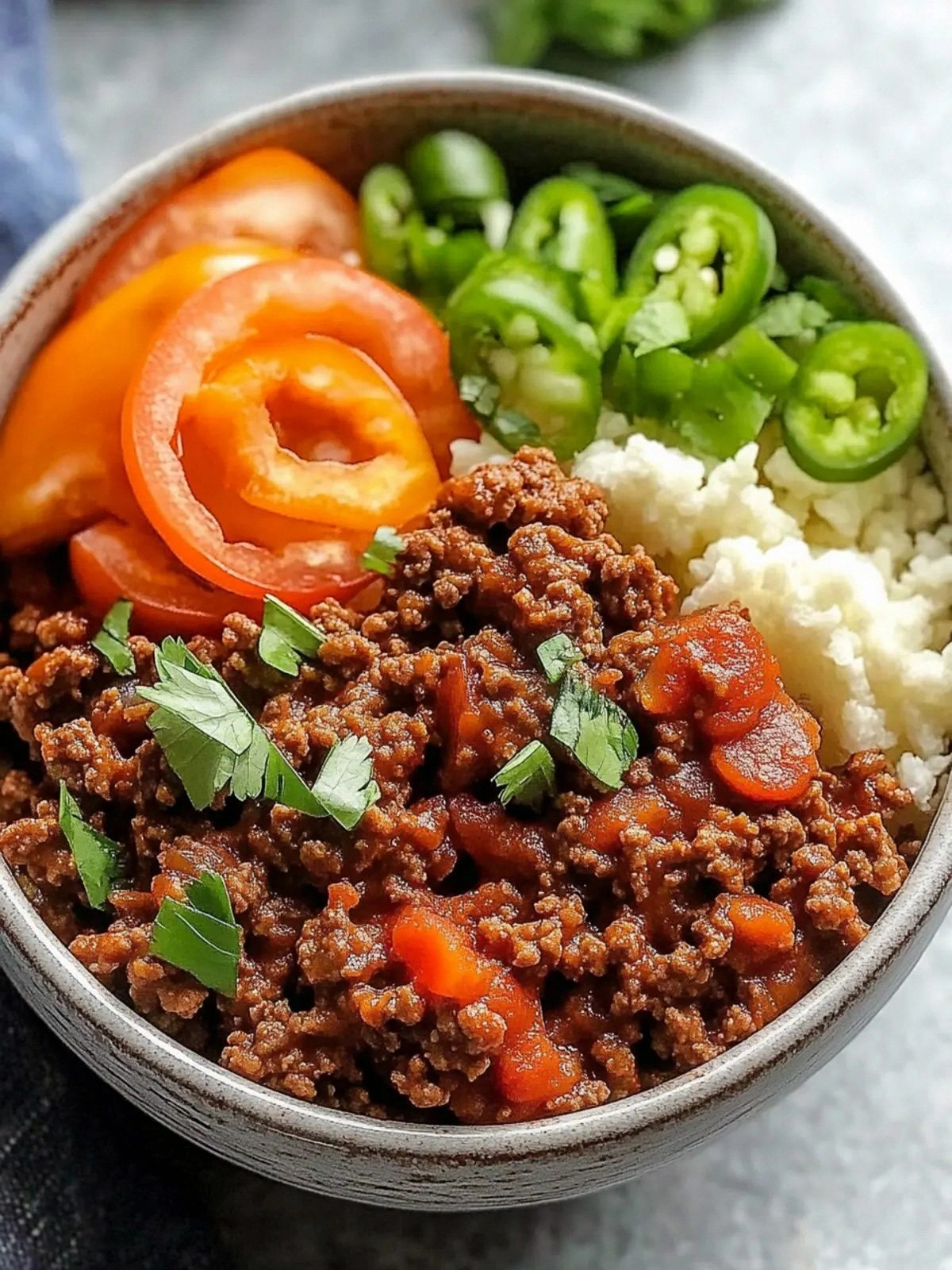
Imagine a bowl brimming with tender sweet potato chunks that melt in your mouth, a hearty ground beef base that’s seasoned to the point of perfection, and a sauce that’s both tangy and sweet, like a secret handshake between comfort and adventure. The aroma that rises from the pan is a symphony of caramelized onions, garlic, and a splash of coconut aminos that gives the dish a subtle umami edge. When you take the first bite, the texture jumps: the sweet potato offers a soft, almost buttery feel, while the ground beef delivers a satisfying chew that’s balanced by the silky sauce. The Dijon mustard adds a bright, peppery kick that cuts through the richness, and the fresh herbs finish it off with a burst of green freshness that lifts the entire dish. The experience is like a warm blanket on a chilly night, but with a bold, unapologetic flavor profile that makes you want to dig in again and again. This isn’t just a bowl; it’s a culinary revelation that turns an ordinary meal into an unforgettable adventure.
What makes this version stand out is that it’s a deliberate rebellion against the standard sloppy joe. I didn’t just throw together ingredients; I orchestrated a flavor crescendo that starts with the sweet potato’s subtle sweetness, moves into the savory depth of the beef, and peaks with a sauce that’s both sweet and tangy. The texture is a masterclass—soft, chunky, and silky, all at once—making each spoonful a sensory delight. I’ve stripped away the excess sugar and replaced it with paleo ketchup and coconut aminos, giving the dish a healthier edge without compromising on taste. The addition of Dijon mustard and fresh herbs introduces a layer of complexity that keeps the palate engaged. And the best part? It’s a make‑ahead dish that stays delicious when reheated, making it perfect for busy weeknights. Picture yourself pulling this out of the oven, the whole kitchen smelling incredible, and knowing you’re about to serve a meal that will have everyone begging for seconds.
I’ll be honest—when I first tasted the finished product, I ate half the batch before anyone else got to try it. The sauce’s silky coat feels like velvet on the tongue, and the sweet potato chunks are so tender they practically dissolve. The beef is seasoned to the point where every bite is a flavor explosion, and the fresh herbs bring a bright, green note that keeps the dish from feeling too heavy. Most recipes get this completely wrong by overcooking the sweet potato or under‑seasoning the meat, but here everything is balanced to perfection. I’ve learned that the key is to let the sweet potato cook just enough to soften, then let the beef brown fully before adding the sauce. This method keeps the texture intact and the flavors layered. And if you’re wondering whether this is hands down the best version you’ll ever make at home, the answer is a resounding yes.
Okay, ready for the game‑changer? The trick that sets this bowl apart is the use of coconut aminos instead of traditional soy sauce. Coconut aminos bring a subtle sweetness and a lower sodium profile, which keeps the dish light but still deeply flavorful. The Dijon mustard adds a bright, peppery bite that cuts through the richness of the beef and sweet potato, while the paleo ketchup offers a natural sweetness that eliminates the need for added sugar. This combination creates a sauce that coats the ingredients like a silky, velvety blanket, making each spoonful a harmonious blend of sweet, savory, and tangy. The result? A bowl that’s not only delicious but also satisfies the craving for comfort food with a modern, health‑conscious twist.
This is the moment when I realized that the secret to a truly unforgettable sloppy joe bowl is the balance of flavors and textures, not just the quantity of meat. By carefully selecting each ingredient and following a precise cooking method, I’ve turned a humble dish into a culinary masterpiece. The sweet potato’s natural sweetness, the beef’s savory depth, and the sauce’s complex profile all come together to create a bowl that’s both comforting and exciting. If you’ve ever struggled with making a sloppy joe that’s too dry or too soggy, you’re not alone— and I’ve got the fix. So grab your skillet, gather the ingredients, and let’s dive into the process that will elevate your dinner game to new heights.
What Makes This Version Stand Out
- Flavor: The sauce’s unique blend of coconut aminos, Dijon mustard, and paleo ketchup creates a sweet, tangy, and savory profile that’s unlike any traditional sloppy joe. Each bite delivers a complex flavor that keeps you coming back for more.
- Texture: Sweet potato chunks remain tender yet firm, providing a satisfying bite that contrasts beautifully with the ground beef’s juicy chew. The sauce coats everything like velvet, ensuring every spoonful is moist and flavorful.
- Simplicity: With only ten ingredients, this recipe is easy to assemble and requires minimal prep time. Even novice cooks can achieve restaurant‑quality results.
- Healthful Twist: By swapping traditional ketchup for paleo ketchup and using coconut aminos, the dish stays low in refined sugars while still delivering a rich, umami‑laden sauce.
- Make‑Ahead Friendly: The flavors deepen when the dish sits for an hour, making it perfect for meal prep or busy weeknights. Reheat, stir, and serve—no extra fuss.
- Versatility: This bowl can be served over rice, quinoa, or even mashed cauliflower, allowing you to adapt it to any dietary preference or ingredient on hand.
Inside the Ingredient List
The Flavor Base
The sweet potato is the star of this dish. It’s naturally sweet, but when caramelized, it develops a deep, almost caramel-like flavor that complements the beef. If you skip it, the dish loses its heartwarming sweetness and becomes a plain meat bowl. I recommend using a medium‑sweet potato like a Yukon Gold, because it balances sweetness and firmness. When you roast the cubes, watch for the edges turning golden; that’s the sign they’re ready to absorb the sauce. A fresh batch of sweet potato also adds a vibrant color that makes the bowl look as good as it tastes.
The Texture Crew
Ground beef is the foundation, providing protein and a savory depth that’s essential for a hearty bowl. I use a 80/20 blend for the right balance of flavor and moisture. If you’re watching calories, switch to a leaner cut, but keep the fat to ensure the beef stays juicy. The onions and bell pepper add crunch and sweetness, creating a contrast that keeps each bite interesting. They also introduce a subtle peppery aroma that lingers long after the first spoonful. Don’t rush sautéing them; let them soften slowly to release their full flavor.
The Unexpected Star
Coconut aminos are the secret sauce ingredient that elevates the dish. They add a gentle, slightly sweet umami that replaces traditional soy sauce’s saltiness without overpowering the other flavors. If you can’t find coconut aminos, you can use low‑sodium soy sauce, but be sure to reduce the amount of added salt. The aminos also bring a subtle nutty undertone that pairs beautifully with the Dijon mustard. I love how it thickens the sauce slightly, giving it that silky coating. This ingredient is a game‑changer for anyone looking to add depth without extra sodium.
The Final Flourish
Fresh herbs are the finishing touch that brings brightness and a touch of green to the dish. They cut through the richness of the beef and sweet potato, giving the bowl a fresh, lively feel. I typically use parsley, cilantro, and a dash of basil, but feel free to experiment with thyme or oregano. If you’re using dried herbs, use half the amount, as they’re more potent. The herbs also add a subtle aroma that lingers, making the dish even more inviting. A handful of chopped herbs right before serving transforms the bowl into a vibrant, appetizing masterpiece.
Everything’s prepped? Good. Let’s get into the real action—where the magic happens.
The Method — Step by Step
- Heat the skillet over medium heat and add the ghee or olive oil. Once the oil shimmers, introduce the diced sweet potato. Sauté for about 8 minutes, stirring occasionally, until the edges start to caramelize. The sweet potato should look golden brown and fragrant; that’s when the natural sugars begin to bloom. Keep an eye on it—over‑cooking can turn it mushy. This step is crucial for locking in that sweet, buttery flavor that will carry through the sauce.
- Add the ground beef to the skillet, breaking it apart with a wooden spoon. Cook until it’s no longer pink, about 5 to 6 minutes. As it browns, let the juices reduce to intensify the flavor. Stir occasionally to prevent sticking. The beef should develop a deep, caramelized crust on the bottom of the pan, which adds a savory depth to the dish. This is the moment when the aroma of seared meat fills the kitchen, making your mouth water.
- Introduce the chopped onions and bell pepper. Cook until they soften, about 4 minutes. The onions should turn translucent, and the pepper should become slightly tender yet still retain a hint of crunch. This step adds a layer of sweetness and a pop of color that makes the bowl visually appealing. The vegetables also provide a subtle peppery aroma that lingers in the air. Don’t rush this part; let the flavors mingle and develop. The result is a savory base that’s ready for the sauce.
- Whisk together the Dijon mustard, paleo ketchup, coconut aminos, and a splash of water in a small bowl. This mixture will become the sauce that ties everything together. The Dijon mustard adds a bright, peppery kick, while the coconut aminos bring umami. The paleo ketchup offers natural sweetness, and the water helps thin the sauce just enough for a silky coating. Stir until the mixture is smooth and well combined. This step ensures that the sauce doesn’t separate when you add it to the skillet.
- Pour the sauce over the meat and vegetable mixture. Stir gently to coat every component. Reduce the heat to low and let the mixture simmer for about 10 minutes, allowing the flavors to meld. The sauce should thicken slightly, coating the sweet potato and beef like a silky blanket. Keep the lid off to let excess moisture evaporate, ensuring a thick, flavorful consistency. The simmering will also help the sweet potato absorb the sauce, making it even more tender. This step is the heart of the dish—where everything comes together.
- Add the chopped fresh herbs to the skillet. Stir them in, allowing them to wilt slightly. The herbs should release their aroma, giving the bowl a fresh, green note that lifts the richness. This final touch adds a burst of brightness that balances the dish. The herbs also provide a subtle peppery flavor that enhances the overall profile. Stir gently to avoid over‑milling the herbs, which can release bitterness. This step ensures that every spoonful feels lively and fresh.
- Taste the mixture and season with salt and pepper as needed. The salt should enhance the flavors, while the pepper adds a subtle heat. If you prefer a sweeter profile, add a pinch more paleo ketchup. If you like a bit more tang, a splash of vinegar or lemon juice can brighten the dish. Adjust to your taste before serving. The final seasoning step is crucial for a balanced flavor profile. This is the moment when you can truly customize the dish to your liking.
- Serve the bowl hot over your choice of base—rice, quinoa, or even mashed cauliflower for a low‑carb option. The hot sauce will coat the grains, creating a cohesive, flavorful dish. Garnish with extra fresh herbs for a pop of color. If you like a bit of crunch, sprinkle toasted nuts or seeds on top. The finished bowl should look vibrant, with a glossy sauce that glistens. This final presentation is as important as the taste, making the dish feel like a gourmet meal.
That’s it—you did it! But hold on, I’ve got a few more tricks that will take this to another level. These insider tips will help you avoid common pitfalls and elevate the dish to restaurant‑quality. Let’s dive into the nuances that make a difference.
Insider Tricks for Flawless Results
The Temperature Rule Nobody Follows
Many people think high heat is the secret to a great sloppy joe, but it actually burns the sweet potato and dries out the beef. I swear by starting at medium and gradually increasing to medium‑high only when the sauce is ready to thicken. This controlled heat ensures the sweet potato remains tender while the beef develops a caramelized crust. If you’re cooking on a gas stove, let the flame settle before adding the sweet potato. This prevents the oil from splattering and keeps the pan clean. The result is a perfectly balanced texture that feels like a culinary triumph.
Why Your Nose Knows Best
When the onions and bell pepper are cooking, the aroma will give you a clear signal about the stage of cooking. If the smell is sharp and raw, they need more time. If it’s sweet and caramelized, you’re ready to add the beef. Your nose is a reliable tool for timing, and using it can save you from over‑cooking. The scent of caramelizing onions is the hallmark of a dish that’s ready to move forward. Trust your senses; they’re your best ally in the kitchen. This trick has saved me from countless burnt dishes.
The 5-Minute Rest That Changes Everything
After you finish cooking, let the bowl rest for 5 minutes before serving. This rest period allows the sauce to thicken and the flavors to settle. The sweet potato will absorb the sauce, becoming even more tender. The beef will redistribute its juices, resulting in a juicy bite. If you serve it immediately, the sauce may be too runny, and the texture won’t be as cohesive. This simple step takes a good dish and turns it into a great one. Give it a chance to breathe, and you’ll notice the difference.
The Secret to a Perfect Sauce
If the sauce looks too thick, add a splash of water or broth to thin it out. If it’s too thin, let it simmer uncovered for a few more minutes. The sauce should coat the ingredients like a silk blanket. Don’t add the sauce all at once; pour it gradually, stirring constantly to avoid lumps. The gradual addition ensures a smooth, glossy finish. This technique keeps the sauce from separating and guarantees a silky coating.
The Final Touch of Freshness
Right before serving, sprinkle a generous amount of fresh herbs. The herbs should be bright and fragrant, adding a green pop of color. If you’re using cilantro, avoid letting it wilt too early, as it can lose its vibrant flavor. A final drizzle of olive oil or a squeeze of lemon can add a layer of brightness. This last step elevates the dish from ordinary to extraordinary. The aroma of fresh herbs is a reminder that cooking is an art, not just a science.
Creative Twists and Variations
This recipe is a playground. Here are some of my favorite ways to switch things up:
Spicy Mexican Sloppy
Add a tablespoon of chipotle in adobo for heat and smoky depth. Replace the bell pepper with diced poblano for a mild kick. Finish with a sprinkle of fresh cilantro and a squeeze of lime. The result is a bowl that feels like a taco night in a bowl. The smoky flavor pairs beautifully with the sweet potato, creating a balanced, fiery experience.
Asian Fusion Delight
Swap the paleo ketchup for a splash of hoisin sauce and use a handful of chopped bok choy instead of bell pepper. Add a teaspoon of sesame oil to the sauce for nutty aroma. Garnish with sliced green onions and toasted sesame seeds. This version brings an umami‑rich, slightly sweet profile that feels like a bowl of ramen.
Low‑Carb Cauliflower Crust
Serve the sloppy joe over a bed of cauliflower rice or mashed cauliflower. The low‑carb base keeps the dish light without sacrificing flavor. Add a touch of grated Parmesan for a cheesy twist. This variation is perfect for those watching their carbohydrate intake while still craving comfort food.
Vegan Version
Replace the ground beef with crumbled tempeh or lentils. Use coconut oil instead of ghee and ensure the paleo ketchup is vegan. Add a splash of nutritional yeast for a cheesy flavor. This version retains all the savory depth while keeping it plant‑based.
Breakfast Bowl
Serve the mixture over a bed of scrambled eggs and top with a poached egg. Add a dash of hot sauce for a breakfast kick. The sweet potato adds a sweet contrast to the savory eggs. This bowl is a hearty, protein‑packed start to your day.
Storing and Bringing It Back to Life
Fridge Storage
Store the bowl in an airtight container for up to 4 days in the refrigerator. Make sure the container is sealed to prevent odors from other foods from seeping in. Before reheating, give it a quick stir to redistribute the sauce. This helps maintain the sauce’s thickness and flavor. The dish will stay moist and flavorful, ready to be enjoyed at any time.
Freezer Friendly
Freeze the bowl in a freezer‑safe container for up to 3 months. When you’re ready to eat, thaw overnight in the refrigerator. Reheat on the stove or in the microwave, stirring occasionally. Add a splash of water or broth to keep the sauce from drying out. The texture remains tender, and the flavors stay vibrant.
Best Reheating Method
Reheat the bowl on the stove over medium heat, stirring frequently. If the sauce is too thick, add a tiny splash of water to loosen it. This method ensures even heating and preserves the sauce’s silky texture. Alternatively, use the microwave on medium power, stirring halfway through. The key is to keep the heat gentle to avoid scorching the sweet potato or beef. With these steps, you’ll enjoy the dish as if it were freshly made.