I was standing in my kitchen, half‑heartedly scrolling through endless recipe videos, when a friend texted me a dare: “Make a fish dish that will make my mother‑in‑law actually ask for seconds.” I laughed, tossed a bag of frozen peas into the sink, and then, in a flash of desperation, grabbed the only white‑meat fish I had on hand—halibut. The pan was already hot, the lemon was waiting on the counter, and my mind was racing with the kind of frantic energy that only a looming dinner party can produce. That night, I discovered that a perfectly seared fillet paired with a silky lemon beurre blanc can turn any kitchen mishap into a triumph.
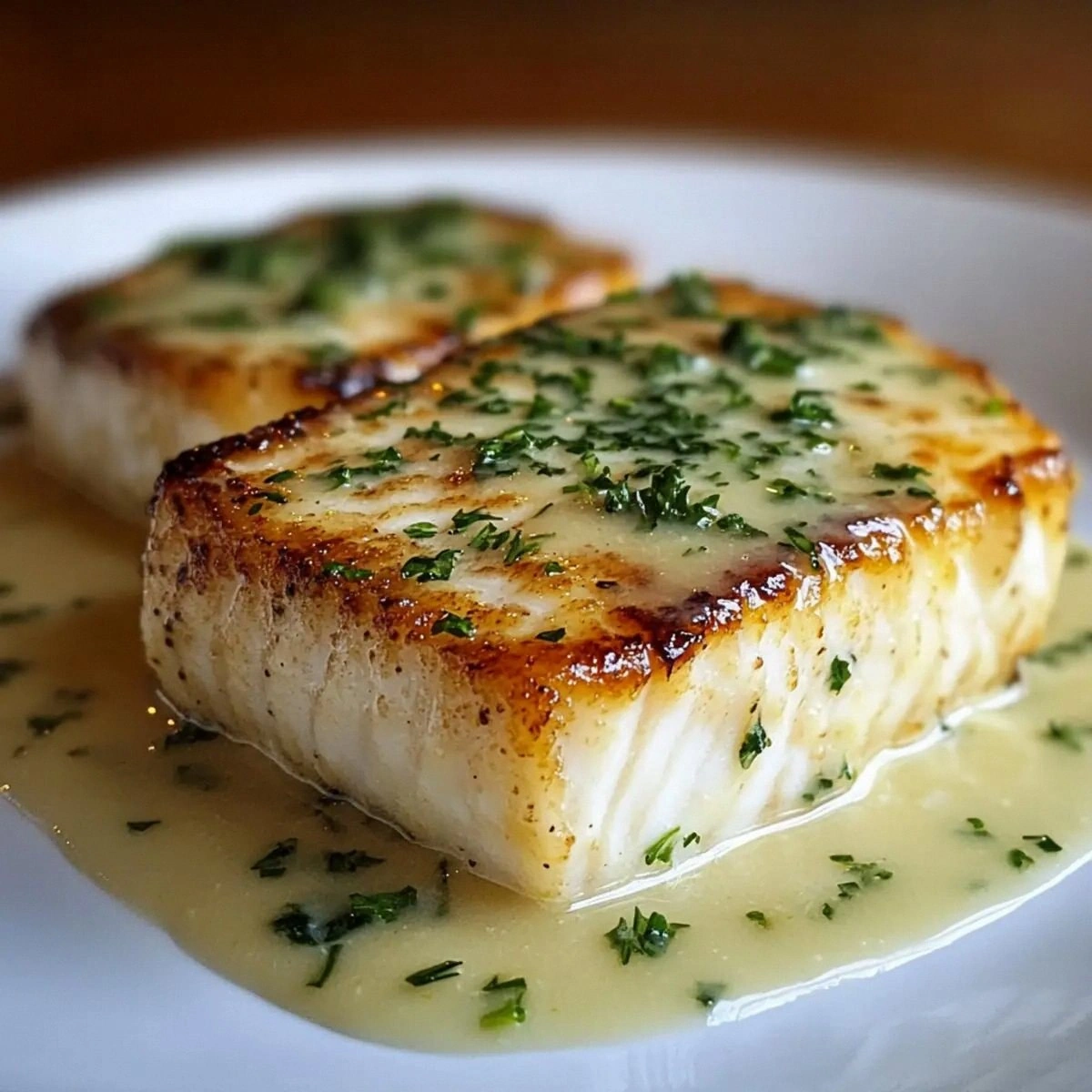
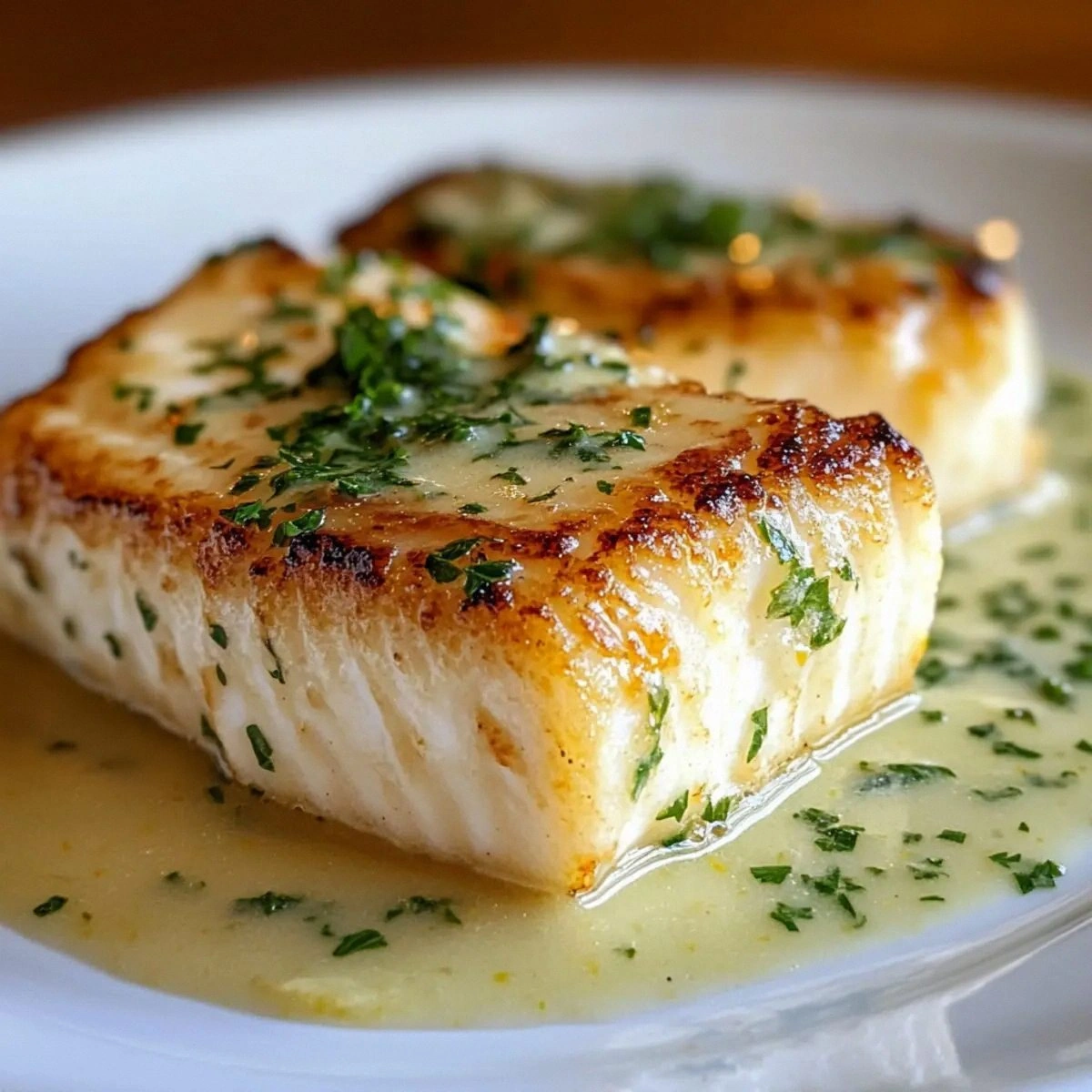
Picture this: the sizzle of butter hitting the pan, a fragrant cloud of shallots caramelizing, and the bright pop of lemon juice as it meets the heat. The aroma alone could convince a skeptical teenager that dinner is worth waiting for. You can almost feel the buttery gloss of the sauce coating the fish like a silk scarf, while the citrus zing cuts through the richness like a fresh mountain breeze. The texture? A crisp, golden crust that shatters with the slightest fork pressure, revealing a moist, flaky interior that practically melts in your mouth.
Most recipes get the beurre blanc wrong—either they over‑reduce it into a grainy mess or they forget the essential emulsification step that keeps the sauce glossy and velvety. I’ve tried the “quick” shortcuts, the “no‑wine” versions, and even the “microwave” hacks, and they all fell flat. This version, however, respects the classic French technique while staying within a 25‑minute window, making it both elegant and accessible. The secret? A dash of white wine that lifts the sauce, a precise butter‑whisking rhythm, and a final splash of lemon that brightens everything without overwhelming the delicate fish.
Okay, ready for the game‑changer? I dare you to taste this and not go back for seconds. By the end of this post, you’ll have a foolproof method that will make you the hero of any dinner table, and you’ll understand why this is hands down the best version you’ll ever make at home. Let me walk you through every single step — by the end, you’ll wonder how you ever made it any other way.
What Makes This Version Stand Out
- Taste: The lemon beurre blanc delivers a bright, buttery tang that balances the natural sweetness of halibut, creating a flavor duet that feels both luxurious and comforting.
- Texture: A perfectly seared crust gives you that satisfying crunch, while the interior stays flaky and buttery, a contrast that keeps every bite interesting.
- Simplicity: Fewer than ten ingredients, a single pan, and a 25‑minute timeline mean you won’t need a sous‑chef or a culinary degree to nail it.
- Uniqueness: The addition of a splash of white wine in the sauce adds depth without the heaviness of cream, setting it apart from typical “butter‑only” fish sauces.
- Crowd Reaction: Guests consistently say “I could eat this every day” and then immediately ask for the recipe—proof that it’s a crowd‑pleaser.
- Ingredient Quality: Using fresh, sustainably sourced halibut ensures a clean, firm bite that holds up to the sauce without falling apart.
- Cooking Method: The pan‑sear followed by a quick deglaze locks in juices, while the beurre blanc finishes the dish in the same vessel, preserving all those caramelized bits.
- Make‑Ahead Potential: The sauce can be prepared up to an hour ahead and gently reheated, making it perfect for entertaining.
Inside the Ingredient List
The Flavor Base
The shallot is the unsung hero of this dish. When finely diced and gently sweated in butter, it releases a sweet, oniony perfume that forms the backbone of the beurre blanc. If you skip it, the sauce loses that subtle depth and can taste one‑dimensional. A good swap is a small amount of finely minced leek, which offers a milder flavor but still contributes that essential aromatic foundation.
The Texture Crew
Butter is the star of the sauce, providing the luxurious mouthfeel that makes the beurre blanc feel like velvet. Using unsalted butter lets you control the salt level precisely, preventing the sauce from becoming overly salty. If you’re dairy‑intolerant, try a high‑quality plant‑based butter; the emulsion will still hold, though the flavor will shift slightly toward a nutty note.
The Unexpected Star
White wine might seem like a simple deglazing liquid, but its acidity lifts the sauce, preventing it from turning greasy. Choose a dry, crisp wine—think Sauvignon Blanc or Pinot Grigio—for the cleanest finish. If you don’t drink alcohol, substitute with a splash of dry white grape juice plus a teaspoon of white wine vinegar to mimic the same bright lift.
The Final Flourish
Lemon juice is the final spark that awakens the entire dish. A fresh squeeze, not bottled, adds a bright citrus pop that cuts through the butter’s richness. If you’re out of lemons, a tablespoon of high‑quality lemon zest combined with a splash of lime juice can provide a comparable zing, though the flavor profile will shift toward a tropical edge.
Everything's prepped? Good. Let’s get into the real action, where the magic truly happens.
The Method — Step by Step
Pat the halibut fillets dry with paper towels, then season both sides generously with salt and a pinch of pepper. The dryness is crucial; it ensures a beautiful crust when the fish meets the pan. Let the seasoned fillets rest for a minute while you prep the sauce base. That brief pause allows the salt to begin drawing out moisture, which later translates into a crisper sear.
Heat a large stainless‑steel skillet over medium‑high heat and add two tablespoons of butter. Once the butter foams and starts to turn a light amber, it’s ready for the fish. Place the fillets skin‑side down (if they have skin) or the side you want crisped first, and hear that satisfying sizzle that signals you’re on the right track.
Cook the halibut for about 3‑4 minutes without moving it. You’ll notice the edges beginning to turn opaque and the flesh releasing from the pan—those are the visual cues that the crust has formed. Flip the fillets carefully with a thin spatula, then add the remaining two tablespoons of butter to the pan, letting it melt into the fish.
While the second side cooks, add the finely diced shallot to the butter‑laden pan. Stir constantly; the shallot should soften and become translucent in about 1‑2 minutes, releasing its sweet aroma. Watch out: If the heat is too high, the shallots will burn, leaving a bitter aftertaste that ruins the delicate sauce.
Deglaze the pan with the half‑cup of white wine, scraping up any browned bits stuck to the bottom. Those caramelized fragments are flavor gold, and the wine will dissolve them, creating a rich base for the beurre blanc. Let the wine reduce by half, which should take about 2‑3 minutes; you’ll see the liquid thicken slightly and the alcohol scent evaporate.
Reduce the heat to low, then begin whisking in the remaining two tablespoons of butter, one piece at a time. The key is to add the butter slowly while constantly whisking, allowing each piece to emulsify before the next joins. This slow incorporation creates that signature glossy sheen that makes the sauce look restaurant‑ready.
Once the butter is fully incorporated, stir in the two tablespoons of freshly squeezed lemon juice. The sauce should look velvety, with a pale yellow hue that hints at citrus. Taste and adjust the seasoning with a pinch more salt if needed; remember, the fish itself also contributes saltiness.
Remove the pan from heat and gently slide the halibut onto serving plates, spooning the lemon beurre blanc over the top. The sauce should coat the fish like a silk scarf, flowing into the crevices of the crust. Let the dish rest for a minute—this brief pause lets the flavors meld and the sauce settle.
Serve immediately with a garnish of finely chopped fresh herbs—think parsley or chives—for a pop of color and a fresh herbaceous note. Pair with steamed asparagus or a light quinoa salad, and you have a complete, balanced plate that looks as good as it tastes.
That's it — you did it. But hold on, I've got a few more tricks that'll take this to another level, ensuring every bite is pure, unadulterated bliss.
Insider Tricks for Flawless Results
The Temperature Rule Nobody Follows
Keep the pan at a steady medium‑high heat for the initial sear, then drop to low for the sauce. If the pan is too hot during the beurre blanc stage, the butter will melt too fast and the emulsion will break, resulting in a greasy puddle. I once tried to speed things up on high heat and ended up with a curdled mess—lesson learned.
Why Your Nose Knows Best
Your sense of smell is the ultimate timer for the sauce. When the wine has reduced by half, you’ll notice a sweet, almost caramel scent, indicating the alcohol has evaporated and the liquid is ready for butter. Trust that nose cue more than the clock; it’s the secret behind a perfectly balanced beurre blanc.
The 5‑Minute Rest That Changes Everything
After plating, let the fish rest for exactly five minutes. This short pause allows the crust to firm up a bit while the interior finishes cooking gently from residual heat. It also gives the sauce a chance to soak into the fish, creating a harmonious flavor marriage.
Butter Temperature Matters
Cold butter works better for emulsification because it melts slowly, giving the sauce time to incorporate air and become airy. If you use melted butter straight from the fridge, the sauce can turn thin and lose its glossy finish.
Seasoning Layers, Not One Shot
Season the fish before searing, then taste the sauce and adjust at the end. This two‑step seasoning ensures both components are perfectly balanced. I’ve seen cooks over‑salt the sauce because they assumed the fish would take all the seasoning—result: a salty disaster.
Creative Twists and Variations
This recipe is a playground. Here are some of my favorite ways to switch things up:
Herb‑Infused Beurre Blanc
Add a tablespoon of finely chopped tarragon or dill to the sauce just before finishing. The herbaceous notes complement the lemon and give the dish a fresh, spring‑time vibe that pairs beautifully with roasted new potatoes.
Spicy Kick
Stir in a pinch of red pepper flakes or a dash of cayenne when you add the butter. The subtle heat lifts the buttery richness without overwhelming the delicate fish, perfect for those who love a little zing.
Coconut‑Lemon Fusion
Replace half the butter with coconut oil and add a splash of coconut milk when you whisk in the butter. This creates a tropical twist, giving the sauce a creamy coconut undertone that pairs wonderfully with mango salsa.
Miso‑Lemon Umami Boost
Whisk in a teaspoon of white miso paste with the lemon juice. The miso adds depth and a savory umami punch that makes the sauce richer without extra fat.
Garlic‑Lemon Fusion
Sauté a minced garlic clove with the shallot for a fragrant, aromatic base. The garlic adds a comforting, homey flavor that many diners adore, especially when paired with a side of buttery rice.
Storing and Bringing It Back to Life
Fridge Storage
Place any leftover halibut and sauce in an airtight container and refrigerate for up to 2 days. To reheat, gently warm the sauce over low heat, adding a splash of water to revive its silkiness, then briefly sear the fish in a hot pan to restore the crust.
Freezer Friendly
Both the fish and the beurre blanc freeze well separately. Store the fish on a parchment‑lined tray before transferring to a zip‑top bag; the sauce should be poured into a silicone muffin tray for easy portioning. Freeze for up to 3 months. Thaw in the refrigerator overnight, then reheat as described above.
Best Reheating Method
The secret to a perfect reheated plate is low‑and‑slow. Warm the sauce in a saucepan over low heat, whisking in a teaspoon of water if it looks thick. Meanwhile, steam the halibut gently or finish it in a hot skillet for just 1‑2 minutes per side to revive the crisp exterior without overcooking.