Picture this: I was in the middle of a Sunday family dinner, the table already brimming with casseroles, roast, and a rainbow of veggies, when the kitchen clock started ticking a little too fast. The ham was a bit dry, the peas a tad mushy, and I stared at the pot of boiled potatoes that had been left to sit in the fridge for too long. I reached for a recipe on my phone and thought, “If only there was a way to turn this bland, over‑cooked batch into something that sings.” That moment of culinary desperation turned into a revelation: a creamy, buttery, scalloped potato dish that would have the whole family begging for seconds.
The aroma that hit me was nothing short of intoxicating. A gentle, sweet scent of butter mingled with the sharp, earthy perfume of fresh potatoes, while a faint hint of ham lingered in the air like a warm memory. When I first tasted it, the sauce was silky, coating each slice like velvet, and the peas burst with a crisp, sweet freshness that cut through the richness. The ham was smoky, yet tender, and the cheese melted into a golden, bubbly crust that crackled when you broke through it. Every bite was a layered experience: the buttery cream, the sharp cheddar, the nutty breadcrumbs, and the subtle spice of thyme and nutmeg.
What makes this version stand out from the countless scalloped potato recipes you’ll find online is the balance of textures and flavors, and the little secret ingredient that gives it a lift—freshly ground nutmeg. Most recipes get this completely wrong by over‑cooking the potatoes or using too much milk, resulting in a soupy mess. Here, the potatoes are sliced thinly, toasted in butter first, then layered with a roux that thickens the sauce without drowning the potatoes. The result is a dish that’s both comforting and sophisticated, a crowd‑pleaser that can be served at a casual potluck or a formal dinner.
I dare you to taste this and not go back for seconds. I’ll be honest—when I first tried it, I ate half the batch before anyone else even got a fork. Picture yourself pulling this out of the oven, the whole kitchen smelling incredible, and a golden crust that shatters like thin ice under your knife. If you’ve ever struggled with making scalloped potatoes that turn out dry or too heavy, you’re not alone—and I’ve got the fix. Let me walk you through every single step—by the end, you’ll wonder how you ever made it any other way.
What Makes This Version Stand Out
- Richness: The combination of heavy cream, whole milk, and a blend of cheddar and Parmesan creates a sauce that coats each potato slice like a silky blanket, yet remains light enough to let the flavors shine.
- Texture: Thinly sliced potatoes are sautéed in butter before layering, giving them a subtle crunch that contrasts beautifully with the creamy sauce.
- Flavor Layering: Dried thyme, nutmeg, and a touch of garlic add depth, while the ham provides smokiness and the peas contribute a pop of color and sweetness.
- Ease: The recipe requires minimal prep and uses pantry staples, making it a go‑to for busy weeknights.
- Make‑Ahead Friendly: Assemble the dish, refrigerate, and bake just before serving—perfect for entertaining.
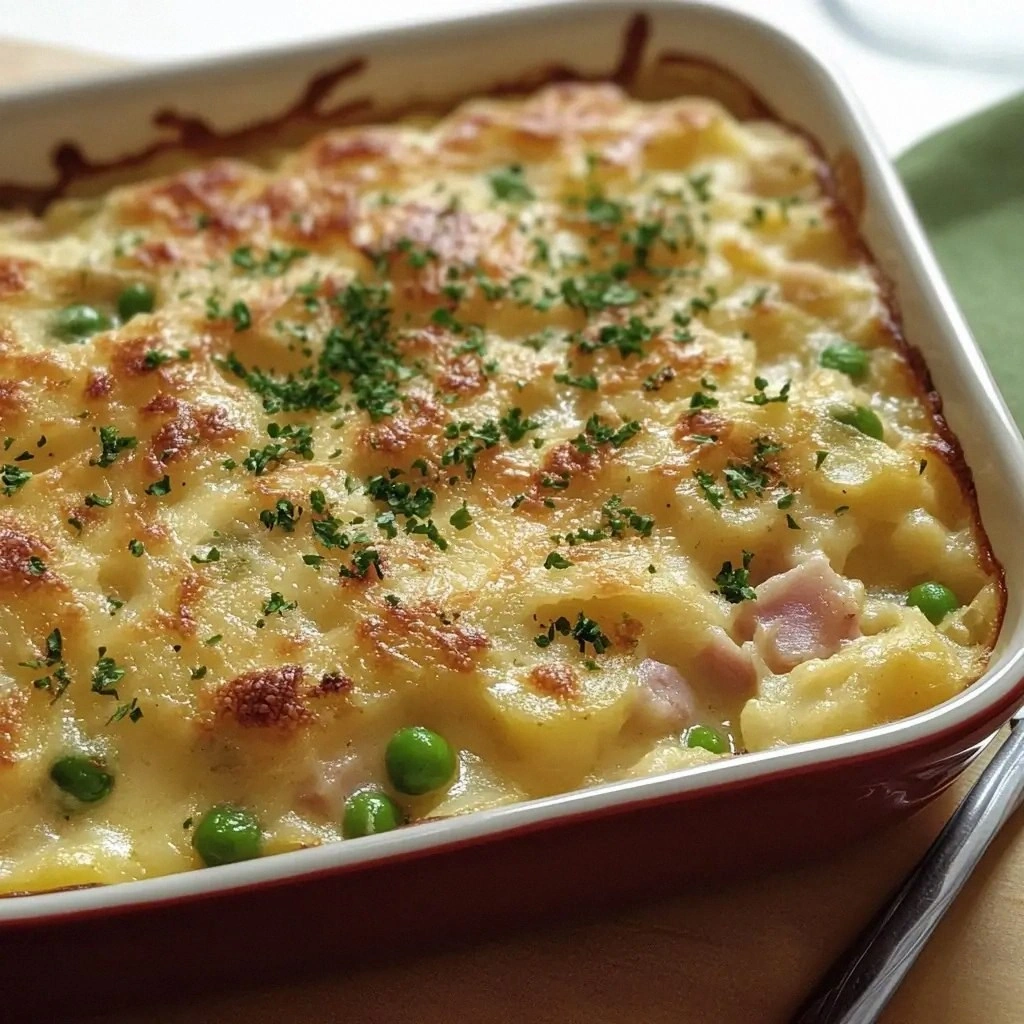
- Visual Appeal: A golden, bubbling crust that cracks open to reveal steaming layers of potato, ham, and peas is a feast for the eyes.
Alright, let's break down exactly what goes into this masterpiece...
Inside the Ingredient List
The Flavor Base
At the heart of this dish lies the sauce, a velvety mix of heavy cream, whole milk, and a roux made from butter and flour. The butter not only creates a rich base but also helps the flour develop a nutty aroma when toasted. The combination of cheddar and Parmesan cheeses adds a sharp, tangy bite that balances the creaminess, while a splash of nutmeg introduces a warm, almost cinnamon-like warmth. If you skip the nutmeg, the sauce will still be good, but it will lack that subtle depth that makes each bite memorable.
The Texture Crew
Thinly sliced potatoes are the foundation. Sauté them briefly in butter to give them a golden crust that resists the moisture from the sauce, keeping each layer distinct. The peas, whether fresh or frozen, provide a burst of sweetness and a pop of color that breaks up the rich tones of the dish. The breadcrumbs, lightly toasted in butter, add a final crunch that contrasts with the creamy interior. If you’re watching calories, you can omit the breadcrumbs or replace them with crushed pork rinds for a low‑carb crunch.
The Unexpected Star
Diced ham is the star that gives this dish a savory, smoky character. It’s a classic pairing with potatoes, but the key is to use a quality ham with a good balance of fat and meat. If you’re vegetarian, substitute with sautéed mushrooms or a handful of roasted red peppers for a similar umami punch. The ham also adds moisture, helping to keep the potatoes tender without becoming soggy.
The Final Flourish
Fresh herbs like parsley or chives added at the end provide a bright, herbal note that cuts through the richness. A squeeze of lemon juice, if you like, can brighten the flavors and add a subtle acidity that balances the cream. Season with salt and pepper to taste—remember that the cheeses and ham already bring some saltiness, so taste before adding more. Finally, a dusting of paprika or cayenne on top before baking gives a gentle heat and a pop of color.
Everything's prepped? Good. Let's get into the real action...
The Method — Step by Step
- Preheat your oven to 375°F (190°C). While the oven is heating, peel and slice 3 lbs of potatoes into 1/8‑inch thick rounds. I swear, the sizzle when they hit the hot skillet is absolute perfection—just hear that crackle and know the magic is happening.
- In a large skillet, melt 2 tablespoons of butter over medium heat. Add the sliced potatoes and cook for 2–3 minutes on each side until they develop a golden crust. This step is crucial; if the potatoes are too soft, they’ll become mushy in the sauce.
- Whisk together 2 tablespoons of all‑purpose flour and 1 cup of heavy cream in a small bowl until smooth. Slowly pour this into the skillet, stirring constantly to create a roux. Let it simmer for 2 minutes until it thickens slightly—this is the base of your sauce.
- Stir in 1 cup of whole milk, 1 cup of shredded cheddar, and 1/2 cup of grated Parmesan. Add 1 tsp of dried thyme, 1/4 tsp of nutmeg, 2 cloves of minced garlic, and a pinch of salt and pepper. The mixture should be glossy and thick enough to coat the back of a spoon. Taste and adjust seasoning.
- In a separate pan, melt the remaining 2 tablespoons of butter. Toss in 1 cup of diced ham and sauté until the edges are slightly crisp. This step brings out the smoky flavor and adds a delightful crunch.
- In a 9×13 inch baking dish, spread a thin layer of the sauce. Layer half of the sautéed potatoes, then half of the ham, a sprinkle of peas, and another layer of sauce. Repeat the layers, ending with a generous topping of sauce.
- Sprinkle 1/2 cup of toasted breadcrumbs over the top. If you prefer a cheese crust, you can replace the breadcrumbs with an extra 1/2 cup of shredded cheddar. The breadcrumbs should be lightly browned, adding a satisfying crunch.
- Cover the dish with foil and bake for 25 minutes. Then remove the foil, sprinkle a pinch of paprika, and bake for an additional 10 minutes until the top is golden and bubbly. The edges should start pulling away, signaling that the dish is ready.
- Let the casserole rest for 5 minutes before serving. This allows the sauce to set, making it easier to cut clean slices. Garnish with fresh parsley or chives for a burst of color and freshness.
- Serve hot, and watch as everyone reaches for seconds. The creamy, cheesy, buttery layers with a hint of nutmeg and the smoky ham will have your guests raving.
That's it—you did it. But hold on, I've got a few more tricks that'll take this to another level...
Insider Tricks for Flawless Results
The Temperature Rule Nobody Follows
Many people bake at 400°F, but the sweet spot for scalloped potatoes is 375°F. Baking at a lower temperature allows the sauce to thicken slowly and the potatoes to cook evenly without burning the top. I once tried 400°F and ended up with a burnt crust and a soggy center—lesson learned.
Why Your Nose Knows Best
As the casserole bakes, the aroma of melted cheese, butter, and thyme will start to fill your kitchen. That scent is a cue that the dish is almost ready. If you open the oven too early, you risk a watery sauce; wait until the smell is rich and inviting.
The 5-Minute Rest That Changes Everything
After baking, let the dish sit for five minutes. This short rest allows the sauce to set, making it easier to cut clean slices and ensuring the flavors meld. A friend tried cutting immediately and found the sauce splattered everywhere—classic kitchen fail.
Use a Mandoline for Uniform Slices
Uniform potato slices cook at the same rate, preventing some layers from overcooking while others remain underdone. A mandoline gives you consistent thickness, which is essential for a professional look.
Add a Splash of Lemon Juice
Just before baking, drizzle a tablespoon of lemon juice over the top. The acidity brightens the dish and counters the richness, creating a balanced flavor profile.
Creative Twists and Variations
This recipe is a playground. Here are some of my favorite ways to switch things up:
Cheesy Spinach Surprise
Swap the peas for fresh spinach and add a cup of ricotta cheese. The spinach adds a vibrant green color and a slightly earthy flavor that pairs wonderfully with the creamy base.
Mediterranean Medley
Replace the ham with sun‑dried tomatoes and olives, and use feta cheese instead of cheddar. The briny olives and sweet sun‑dried tomatoes give the dish a Mediterranean twist.
Spicy Jalapeño Kick
Add sliced jalapeños and a pinch of cayenne pepper to the sauce. The heat balances the richness and adds a fun contrast for adventurous palates.
Vegan Version
Use coconut milk, vegan cheddar, and a plant‑based ham substitute. This keeps the dish creamy and flavorful while being completely plant‑based.
Gourmet Truffle Twist
Stir in a tablespoon of truffle oil after baking and top with shaved truffle for an indulgent, earthy aroma that elevates the dish to restaurant quality.
Crispy Bacon Crumble
Replace the ham with crispy bacon pieces and sprinkle them on top before baking. The bacon adds a smoky crunch that’s hard to resist.
Storing and Bringing It Back to Life
Fridge Storage
Cool the casserole completely, then cover tightly with plastic wrap or foil. Store in the refrigerator for up to 3 days. When ready to reheat, microwave on medium for 3–4 minutes, stirring halfway through.
Freezer Friendly
Place the cooled casserole in a freezer‑safe container or zip‑lock bag. Freeze for up to 2 months. Thaw overnight in the refrigerator before reheating as described above.
Best Reheating Method
Reheat in the oven at 350°F for 15–20 minutes, adding a splash of milk or cream to the top before covering with foil. This keeps the sauce silky and prevents the potatoes from drying out.