
Japanese Miso Soup

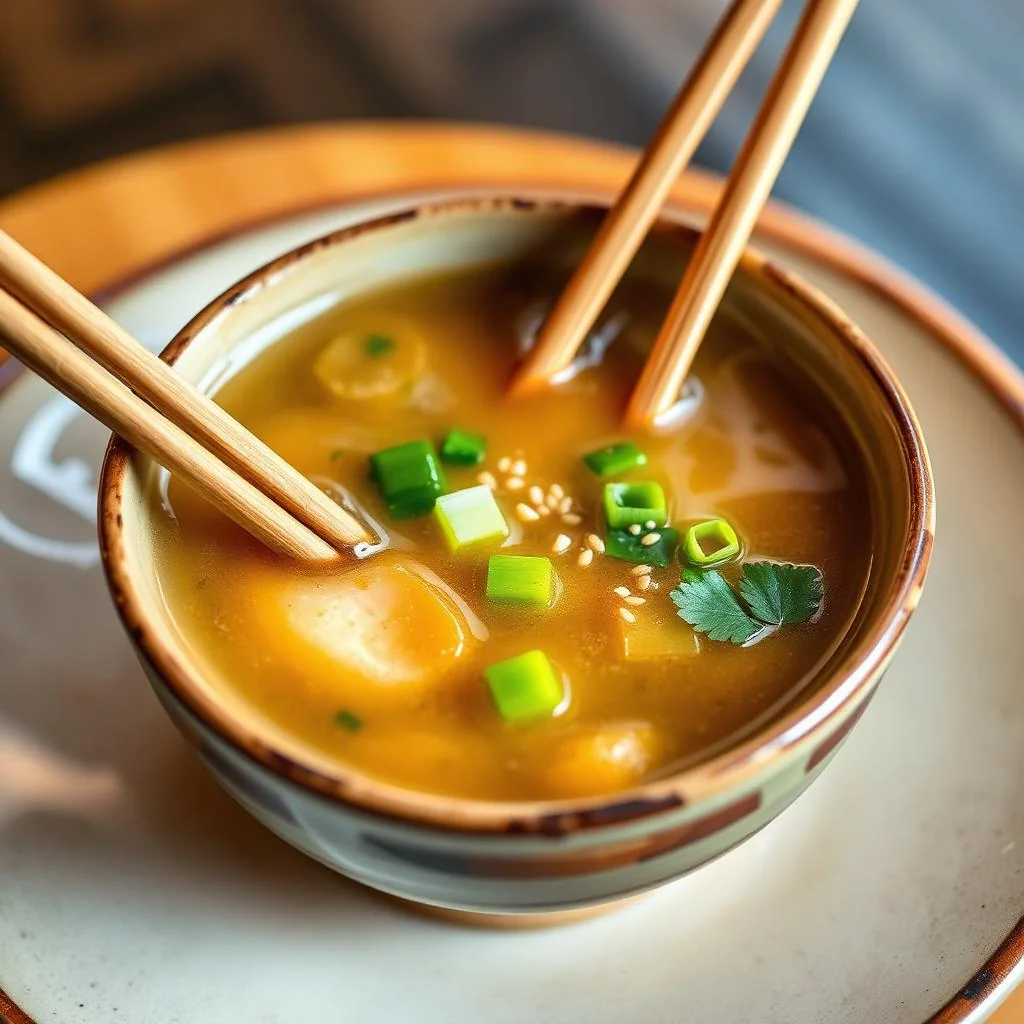
As a home cook, I've always been fascinated by the simplicity and depth of Japanese cuisine. One of my favorite comfort foods is Japanese Miso Soup, a traditional dish that warms the heart and soul. With its rich dashi broth, tender tofu, and savory miso paste, this soup is a staple of Japanese cuisine that's easy to make and customize to your taste.
I remember my first experience with Japanese Miso Soup at a small restaurant in Tokyo. The broth was crystal clear, and the flavors were so balanced and refined that I was hooked from the first sip. Since then, I've been on a mission to recreate this delicious soup at home, experimenting with different ingredients and techniques to get it just right.
In this recipe, I'll share my secrets for making authentic Japanese Miso Soup that's both easy to make and delicious to eat. Whether you're a seasoned cook or just starting out, this recipe is perfect for anyone looking to explore the world of Japanese cuisine.
So, what makes this recipe special? For starters, we'll be using a traditional dashi broth made with kombu and katsuobushi, which gives the soup its rich, umami flavor. We'll also be adding tender tofu and savory miso paste, which add depth and complexity to the dish. And with a few simple ingredients and some basic cooking techniques, you'll be able to create a delicious and authentic Japanese Miso Soup in the comfort of your own home.
Whether you're looking for a comforting meal on a cold winter's night or a quick and easy lunch, Japanese Miso Soup is the perfect choice. So, let's get started and explore the world of Japanese cuisine together!
Why You’ll Love This Recipe
- Japanese Miso Soup is a comforting and nutritious meal that's perfect for any time of day.
- The soup is easy to make and customize to your taste, with a variety of ingredients and seasonings to choose from.
- The dashi broth is a rich source of umami flavor, which is essential for a delicious and authentic Japanese Miso Soup.
- The miso paste adds a rich, savory flavor to the soup and helps to balance out the other ingredients.
- Japanese Miso Soup is a great way to warm up on a cold winter's night, and it's also a delicious and healthy option for a quick lunch or snack.
Why This Recipe Works
The key to making great Japanese Miso Soup is to use high-quality ingredients and to balance the flavors carefully. The dashi broth is the foundation of the soup, and it's made by simmering kombu and katsuobushi in water. This broth is then seasoned with soy sauce, sake, and mirin, which add depth and umami flavor to the dish.
The miso paste is another crucial ingredient, and it's made from fermented soybeans. It adds a rich, savory flavor to the soup and helps to balance out the other ingredients. By combining the dashi broth, miso paste, and other ingredients in the right proportions, we can create a delicious and authentic Japanese Miso Soup that's sure to please even the most discerning palate.
Another important aspect of making Japanese Miso Soup is the cooking technique. We'll be using a combination of simmering and whisking to create a smooth, creamy broth that's free of lumps and imperfections. By cooking the ingredients slowly and carefully, we can extract all the flavors and nutrients from the ingredients and create a truly delicious and satisfying soup.
Ingredients You’ll Need
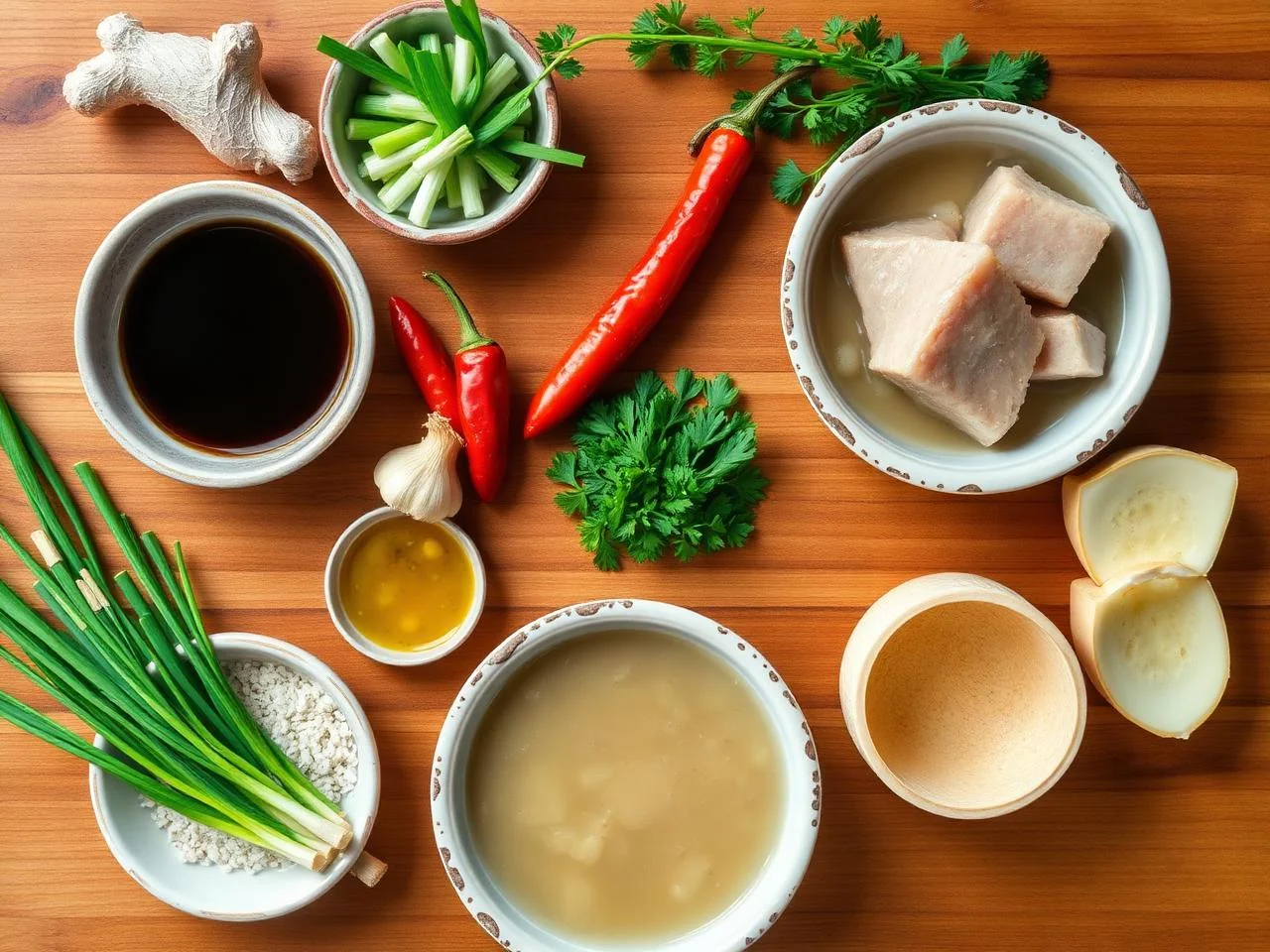
To make Japanese Miso Soup, you'll need a few simple ingredients, including dashi broth, miso paste, tofu, and scallions. You can find these ingredients at most Asian markets or online, and they're also widely available in many supermarkets.
When shopping for ingredients, be sure to choose high-quality dashi broth and miso paste, as these will give your soup the best flavor and texture. You can also customize the recipe to your taste by adding other ingredients, such as mushrooms, seaweed, or green onions.
- 4 cups (1L) waterUse fresh, cold water to make the dashi broth, as this will help to extract the flavors and nutrients from the ingredients.
- 2 pieces (10g) kombuKombu is a type of seaweed that's used to make dashi broth, and it's essential for creating the rich, umami flavor of Japanese Miso Soup.
- 1/2 cup (20g) katsuobushiKatsuobushi is a type of dried fish that's used to make dashi broth, and it adds a deep, savory flavor to the soup.
- 2 tbsp (30g) white miso pasteMiso paste is a fermented soybean paste that's used to add flavor and nutrition to Japanese Miso Soup, and it's essential for creating the rich, savory flavor of the dish.
- 1/2 cup (120g) firm tofu, cut into small cubesTofu is a great source of protein and texture in Japanese Miso Soup, and it absorbs the flavors of the broth beautifully.
- 1/4 cup (15g) thinly sliced scallionsScallions add a fresh, oniony flavor to Japanese Miso Soup, and they're a great garnish for the finished dish.
- 2 tbsp (30g) soy sauceSoy sauce is used to season the dashi broth and add depth to the soup, and it's essential for creating the rich, umami flavor of Japanese Miso Soup.
- 1 tbsp (15g) sakeSake is a type of Japanese rice wine that's used to add flavor and depth to the dashi broth, and it's essential for creating the rich, savory flavor of Japanese Miso Soup.
- 1 tsp (5g) grated gingerGinger adds a warm, spicy flavor to Japanese Miso Soup, and it's a great way to add depth and complexity to the dish.
- 1/2 tsp (2g) saltSalt is used to season the dashi broth and add flavor to the soup, and it's essential for creating the rich, savory flavor of Japanese Miso Soup.
Equipment You’ll Need
How to Make Japanese Miso Soup
- 1Start by making the dashi broth. Rinse the kombu in cold water, then add it to a large pot with 4 cups of water. Bring the water to a boil, then reduce the heat to low and simmer for 10 minutes, or until the kombu is tender and the broth is rich and flavorful.
- 2Remove the kombu from the pot and add the katsuobushi. Simmer the broth for another 10 minutes, or until the katsuobushi is dissolved and the broth is rich and savory.
- 3Strain the dashi broth through a fine-mesh strainer into a clean pot, discarding the solids. Bring the broth to a simmer and cook for 5 minutes, or until it's hot and steaming.
- 4In a small bowl, whisk together the miso paste and a splash of the hot dashi broth until smooth. Add the miso mixture to the pot and whisk until well combined.
- 5Add the tofu, scallions, soy sauce, sake, ginger, and salt to the pot. Simmer the soup for 5 minutes, or until the flavors are balanced and the soup is hot and steaming.
- 6Taste and adjust the seasoning as needed. If the soup is too thick, add a splash of water. If it's too thin, simmer it for a few more minutes to reduce the liquid.
- 7Ladle the soup into bowls and serve immediately, garnished with additional scallions and a sprinkle of grated ginger if desired.
- 8To make the soup more substantial, you can add other ingredients such as mushrooms, seaweed, or green onions. Simply add them to the pot during the last 5 minutes of cooking and simmer until they're tender.
- 9Japanese Miso Soup is best served fresh, but it can be refrigerated for up to 3 days or frozen for up to 2 months. To reheat, simply simmer the soup over low heat until it's hot and steaming.
- 10When serving Japanese Miso Soup, be sure to use a ladle to scoop the soup into bowls, as this will help to prevent the ingredients from settling to the bottom of the pot.
- 11To add extra flavor to the soup, you can add a splash of soy sauce or sake to the pot during the last minute of cooking. This will help to deepen the flavors and add a rich, savory flavor to the dish.
- 12Finally, be sure to use high-quality ingredients and to follow the recipe carefully, as this will help to ensure that your Japanese Miso Soup turns out delicious and authentic.
Expert Tips
- Use high-quality dashi broth and miso paste to create a rich, savory flavor.
- Customize the recipe to your taste by adding other ingredients, such as mushrooms or seaweed.
- Don't overcook the soup, as this can cause the flavors to become bland and the texture to become unappetizing.
- Use a fine-mesh strainer to strain the dashi broth, as this will help to remove any impurities and create a clear, flavorful broth.
- Add the miso paste to the pot during the last 5 minutes of cooking, as this will help to prevent it from becoming too thick and sticky.
- Taste and adjust the seasoning as needed, as this will help to ensure that the flavors are balanced and the soup is delicious.
- Serve the soup immediately, as this will help to preserve the flavors and textures of the ingredients.
- Consider adding other ingredients, such as green onions or grated ginger, to the soup for added flavor and nutrition.
Common Mistakes to Avoid
- Using low-quality dashi broth or miso paste, which can result in a bland or unappetizing flavor.
- Overcooking the soup, which can cause the flavors to become bland and the texture to become unappetizing.
- Not straining the dashi broth properly, which can result in a cloudy or impure broth.
- Adding the miso paste too early, which can cause it to become too thick and sticky.
- Not tasting and adjusting the seasoning as needed, which can result in a soup that's too salty or too bland.
- Serving the soup too slowly, which can cause the flavors to become dull and the texture to become unappetizing.
Variations and Substitutions
- Add mushrooms or seaweed to the pot during the last 5 minutes of cooking for added flavor and nutrition.
- Use different types of miso paste, such as white or red miso, to create a unique and delicious flavor.
- Add green onions or grated ginger to the soup for added flavor and nutrition.
- Use different types of tofu, such as silken or firm tofu, to create a unique and delicious texture.
- Add soy sauce or sake to the pot during the last minute of cooking to deepen the flavors and add a rich, savory flavor to the dish.
- Serve the soup with a side of steamed rice or noodles for a filling and satisfying meal.
- Add other ingredients, such as diced vegetables or cooked meat, to the soup for added flavor and nutrition.
What to Serve With Japanese Miso Soup
Japanese Miso Soup is a delicious and comforting meal that's perfect for any time of day. It's a great way to warm up on a cold winter's night, and it's also a delicious and healthy option for a quick lunch or snack.
When serving Japanese Miso Soup, consider pairing it with a side of steamed rice or noodles for a filling and satisfying meal. You can also add other ingredients, such as diced vegetables or cooked meat, to the soup for added flavor and nutrition.
Make-Ahead, Storage, Freezing and Reheating
Japanese Miso Soup can be refrigerated for up to 3 days or frozen for up to 2 months. To reheat, simply simmer the soup over low heat until it's hot and steaming.
When refrigerating or freezing the soup, be sure to use airtight containers to prevent the flavors from becoming dull and the texture from becoming unappetizing. You can also add other ingredients, such as green onions or grated ginger, to the soup for added flavor and nutrition.
To freeze the soup, simply ladle it into airtight containers or freezer bags and store it in the freezer. When you're ready to eat it, simply thaw the soup overnight in the refrigerator and reheat it over low heat until it's hot and steaming.
When reheating the soup, be sure to use low heat and to stir frequently, as this will help to prevent the flavors from becoming dull and the texture from becoming unappetizing. You can also add other ingredients, such as soy sauce or sake, to the pot during the last minute of cooking to deepen the flavors and add a rich, savory flavor to the dish.
Frequently Asked Questions
What is dashi broth and how is it made?
Dashi broth is a traditional Japanese broth made from kombu and katsuobushi. It's made by simmering the kombu and katsuobushi in water, then straining the broth through a fine-mesh strainer to remove any impurities.
What is miso paste and how is it used in Japanese Miso Soup?
Miso paste is a fermented soybean paste that's used to add flavor and nutrition to Japanese Miso Soup. It's added to the pot during the last 5 minutes of cooking and whisked until smooth to create a rich, savory flavor.
Can I customize the recipe to my taste?
Yes, you can customize the recipe to your taste by adding other ingredients, such as mushrooms or seaweed, to the pot during the last 5 minutes of cooking. You can also use different types of miso paste or add other seasonings, such as soy sauce or sake, to the pot during the last minute of cooking.
How do I store and reheat Japanese Miso Soup?
Japanese Miso Soup can be refrigerated for up to 3 days or frozen for up to 2 months. To reheat, simply simmer the soup over low heat until it's hot and steaming. Be sure to use airtight containers to prevent the flavors from becoming dull and the texture from becoming unappetizing.
What are some common mistakes to avoid when making Japanese Miso Soup?
Some common mistakes to avoid when making Japanese Miso Soup include using low-quality dashi broth or miso paste, overcooking the soup, and not straining the dashi broth properly. You should also be sure to taste and adjust the seasoning as needed to ensure that the flavors are balanced and the soup is delicious.
Can I make Japanese Miso Soup ahead of time?
Yes, you can make Japanese Miso Soup ahead of time and refrigerate or freeze it for later use. Simply reheat the soup over low heat until it's hot and steaming, and be sure to use airtight containers to prevent the flavors from becoming dull and the texture from becoming unappetizing.
What are some variations on the recipe that I can try?
Some variations on the recipe that you can try include adding mushrooms or seaweed to the pot during the last 5 minutes of cooking, using different types of miso paste, and adding other ingredients, such as diced vegetables or cooked meat, to the soup for added flavor and nutrition.
Is Japanese Miso Soup a healthy option?
Yes, Japanese Miso Soup is a healthy option that's rich in nutrients and low in calories. The dashi broth is a good source of umami flavor, and the miso paste is a good source of protein and fiber. You can also add other ingredients, such as green onions or grated ginger, to the soup for added flavor and nutrition.
Can I serve Japanese Miso Soup as a main course?
Yes, you can serve Japanese Miso Soup as a main course, especially if you add other ingredients, such as diced vegetables or cooked meat, to the soup for added flavor and nutrition. You can also serve it with a side of steamed rice or noodles for a filling and satisfying meal.
Ingredients
- 4 cups (1L) water
- 2 pieces (10g) kombu
- 1/2 cup (20g) katsuobushi
- 2 tbsp (30g) white miso paste
- 1/2 cup (120g) firm tofu, cut into small cubes
- 1/4 cup (15g) thinly sliced scallions
- 2 tbsp (30g) soy sauce
- 1 tbsp (15g) sake
- 1 tsp (5g) grated ginger
- 1/2 tsp (2g) salt
Instructions
- Start by making the dashi broth. Rinse the kombu in cold water, then add it to a large pot with 4 cups of water. Bring the water to a boil, then reduce the heat to low and simmer for 10 minutes, or until the kombu is tender and the broth is rich and flavorful.
- Remove the kombu from the pot and add the katsuobushi. Simmer the broth for another 10 minutes, or until the katsuobushi is dissolved and the broth is rich and savory.
- Strain the dashi broth through a fine-mesh strainer into a clean pot, discarding the solids. Bring the broth to a simmer and cook for 5 minutes, or until it's hot and steaming.
- In a small bowl, whisk together the miso paste and a splash of the hot dashi broth until smooth. Add the miso mixture to the pot and whisk until well combined.
- Add the tofu, scallions, soy sauce, sake, ginger, and salt to the pot. Simmer the soup for 5 minutes, or until the flavors are balanced and the soup is hot and steaming.
- Taste and adjust the seasoning as needed. If the soup is too thick, add a splash of water. If it's too thin, simmer it for a few more minutes to reduce the liquid.
- Ladle the soup into bowls and serve immediately, garnished with additional scallions and a sprinkle of grated ginger if desired.
- To make the soup more substantial, you can add other ingredients such as mushrooms, seaweed, or green onions. Simply add them to the pot during the last 5 minutes of cooking and simmer until they're tender.
- Japanese Miso Soup is best served fresh, but it can be refrigerated for up to 3 days or frozen for up to 2 months. To reheat, simply simmer the soup over low heat until it's hot and steaming.
- When serving Japanese Miso Soup, be sure to use a ladle to scoop the soup into bowls, as this will help to prevent the ingredients from settling to the bottom of the pot.
- To add extra flavor to the soup, you can add a splash of soy sauce or sake to the pot during the last minute of cooking. This will help to deepen the flavors and add a rich, savory flavor to the dish.
- Finally, be sure to use high-quality ingredients and to follow the recipe carefully, as this will help to ensure that your Japanese Miso Soup turns out delicious and authentic.