
Korean Bibimbap
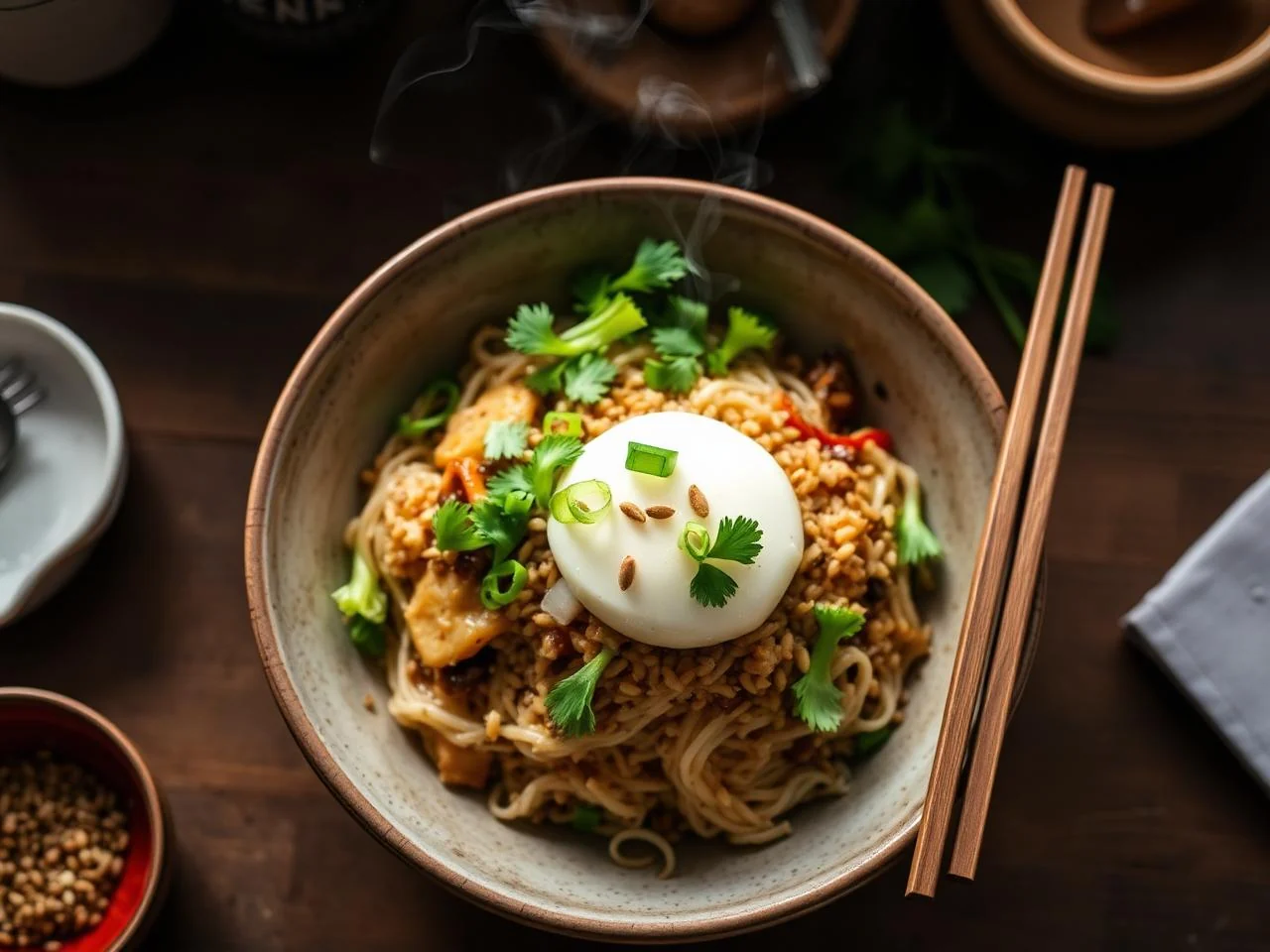
Korean Bibimbap is one of my favorite dishes to make at home. It's a staple in Korean cuisine, and for good reason - it's easy to customize, packed with nutrients, and absolutely delicious. The word 'Bibimbap' literally means 'mixed rice,' which is exactly what you do: you take a bowl of warm white rice, add your favorite vegetables, meat (if using), and a fried egg, and then mix everything together. The result is a harmonious balance of flavors, textures, and temperatures that will leave you wanting more.
I still remember the first time I had Bibimbap at a Korean restaurant. I was blown away by the variety of colors and textures in the bowl, and the way all the different components came together to create a cohesive, satisfying meal. Since then, I've been experimenting with different ingredients and techniques to create my own version of Bibimbap at home.
This recipe is perfect for anyone looking to try their hand at Korean cooking. It's relatively simple, and you can customize it to suit your tastes and dietary preferences. Whether you're a vegetarian, vegan, or meat-lover, there's a version of Bibimbap out there for you.
In this recipe, we'll be using a combination of sautéed vegetables, marinated beef, and a fried egg to create a hearty, flavorful bowl of Bibimbap. We'll also be making a spicy chili pepper paste, known as 'gochujang,' to add an extra layer of depth to the dish. Don't worry if you've never made gochujang before - it's easier than you think, and the end result is well worth the effort.
So let's get started! With this recipe, you'll be enjoying a delicious, authentic bowl of Korean Bibimbap in no time.
Why You’ll Love This Recipe
- Bibimbap is a highly customizable dish, making it perfect for anyone with dietary restrictions or preferences.
- The combination of different flavors, textures, and temperatures in each bite makes for a engaging and satisfying meal.
- Bibimbap is a relatively simple dish to make, requiring minimal ingredients and equipment.
- The dish is packed with nutrients, including protein, fiber, and vitamins.
- Bibimbap is a great way to use up leftover vegetables and other ingredients, making it a budget-friendly option.
- The spicy chili pepper paste adds a depth of flavor to the dish that will leave you wanting more.
Why This Recipe Works
The key to a great Bibimbap is balance. You want a mix of different flavors, textures, and temperatures in each bite, so that every mouthful is interesting and engaging. To achieve this, we'll be using a combination of sautéed vegetables, marinated beef, and a fried egg, all served over a bed of warm white rice.
The vegetables are the backbone of the dish, providing a pop of color and a burst of freshness in each bite. We'll be using a variety of vegetables, including zucchini, carrots, and bean sprouts, which will be quickly sautéed in a hot pan to preserve their texture and flavor.
The beef is marinated in a sweet and spicy sauce, which adds a depth of flavor to the dish. The marinade is made with a combination of soy sauce, garlic, ginger, and sugar, which helps to tenderize the beef and add a rich, savory flavor.
The fried egg is the crowning glory of the dish, adding a creamy, velvety texture to each bite. The egg is fried in a hot pan until the whites are set and the yolks are still runny, which creates a beautiful, golden-brown crust on the outside and a soft, oozy center.
Ingredients You’ll Need
To make Bibimbap, you'll need a variety of ingredients, including vegetables, meat (if using), eggs, and spices. The key is to use a combination of ingredients that provide a balance of flavors, textures, and temperatures in each bite. Here are the ingredients you'll need to get started:
When shopping for ingredients, be sure to choose fresh, high-quality vegetables and meat. The quality of the ingredients will make a big difference in the final dish, so don't be afraid to spend a little extra money on the good stuff.
- 1 lb (450g) beef (such as ribeye or sirloin), sliced into thin stripsThe beef should be sliced into thin strips so that it cooks quickly and evenly. You can use any type of beef you like, but ribeye or sirloin work well because they are tender and flavorful.
- 2 tablespoons soy sauceSoy sauce is a key ingredient in the marinade, adding a salty, savory flavor to the beef. You can use any type of soy sauce you like, but make sure it's a high-quality brand that doesn't contain any additives or preservatives.
- 2 tablespoons Gochujang (Korean chili paste)Gochujang is a spicy, fermented chili paste that adds a depth of flavor to the dish. It's a key ingredient in Korean cooking, and can be found at most Asian markets or online.
- 2 tablespoons brown sugarThe brown sugar helps to balance out the heat of the Gochujang, adding a sweet and savory flavor to the marinade. You can use any type of sugar you like, but brown sugar works well because it has a richer, more complex flavor than white sugar.
- 2 cloves garlic, mincedThe garlic adds a pungent, savory flavor to the marinade, which complements the beef and vegetables nicely. Make sure to mince the garlic finely so that it distributes evenly throughout the dish.
- 1 tablespoon grated fresh gingerThe ginger adds a spicy, warming flavor to the marinade, which helps to balance out the heat of the Gochujang. Make sure to grate the ginger finely so that it distributes evenly throughout the dish.
- 1 cup mixed vegetables (such as zucchini, carrots, and bean sprouts)The mixed vegetables add a pop of color and a burst of freshness to the dish, making it a healthy and engaging meal. You can use any combination of vegetables you like, but make sure they're fresh and of high quality.
- 2 eggsThe eggs are fried in a hot pan until the whites are set and the yolks are still runny, which creates a beautiful, golden-brown crust on the outside and a soft, oozy center. Make sure to use fresh eggs for the best flavor and texture.
- 1 cup cooked white riceThe cooked white rice provides a base for the dish, soaking up the flavorful sauce and adding a comforting, familiar texture to each bite. Make sure to use short-grain rice, which is stickier and clingier than long-grain rice.
- 1/4 cup chopped green onions, for garnishThe chopped green onions add a fresh, oniony flavor to the dish, making it a great garnish for the finished Bibimbap. Make sure to chop the green onions finely so that they distribute evenly throughout the dish.
- Salt and pepper to tasteThe salt and pepper help to balance out the flavors in the dish, adding a savory, slightly spicy flavor to each bite. Make sure to use high-quality salt and pepper for the best flavor.
- 2 tablespoons sesame oilThe sesame oil adds a nutty, slightly sweet flavor to the dish, which complements the beef and vegetables nicely. Make sure to use a high-quality sesame oil that doesn't contain any additives or preservatives.
Equipment You’ll Need
How to Make Korean Bibimbap
- 1In a large bowl, whisk together the soy sauce, Gochujang, brown sugar, garlic, and ginger to make the marinade. Add the sliced beef and mix to coat, making sure that each piece is fully covered in the marinade.
- 2Cover the bowl with plastic wrap and refrigerate for at least 30 minutes, or up to 2 hours. This will allow the beef to absorb the flavors of the marinade and become tender and flavorful.
- 3Heat 1 tablespoon of sesame oil in a large skillet or wok over medium-high heat. Add the mixed vegetables and cook, stirring occasionally, until they're tender and lightly browned, about 5-7 minutes.
- 4In a small bowl, whisk together 1 tablespoon of water and 1 tablespoon of Gochujang to make the sauce. Add the sauce to the skillet and cook, stirring constantly, until the sauce has thickened and the vegetables are fully coated, about 2-3 minutes.
- 5In a separate skillet, heat 1 tablespoon of sesame oil over medium heat. Add the marinated beef and cook, stirring occasionally, until it's browned and cooked through, about 5-7 minutes.
- 6In a small bowl, whisk together the eggs and a pinch of salt. Heat a non-stick skillet over medium heat and add a small amount of oil. Pour in the eggs and cook, stirring constantly, until the eggs are set and the yolks are still runny, about 2-3 minutes.
- 7To assemble the Bibimbap, place a scoop of cooked white rice in the bottom of a bowl. Add a few slices of the cooked beef, some of the mixed vegetables, and a spoonful of the sauce. Top with a fried egg and garnish with chopped green onions.
- 8Serve the Bibimbap immediately, allowing each person to mix the ingredients together to create their own perfect bite.
- 9As you eat, be sure to appreciate the different flavors and textures in each bite, from the spicy kick of the Gochujang to the creamy richness of the egg.
- 10If you want to add some extra flavor to your Bibimbap, try adding some diced kimchi or pickled ginger to the bowl. These ingredients will add a sour, umami flavor to the dish that complements the beef and vegetables nicely.
- 11To make the dish more substantial, try adding some cooked noodles or tofu to the bowl. These ingredients will add some extra protein and fiber to the dish, making it a more filling and satisfying meal.
- 12Finally, be sure to experiment with different ingredients and flavors to make the dish your own. Bibimbap is a highly customizable recipe, so don't be afraid to try new things and see what works best for you.
Expert Tips
- Use a variety of colorful vegetables to make the dish visually appealing.
- Don't overcook the beef or vegetables, as this can make them tough and dry.
- Use a high-quality Gochujang that doesn't contain any additives or preservatives.
- Add some diced kimchi or pickled ginger to the bowl for extra flavor.
- Experiment with different ingredients and flavors to make the dish your own.
- Use a non-stick skillet to prevent the eggs from sticking and to make them easier to cook.
- Don't overcrowd the skillet when cooking the beef or vegetables, as this can lower the temperature of the pan and prevent them from cooking evenly.
- Use a thermometer to ensure that the beef is cooked to a safe internal temperature.
Common Mistakes to Avoid
- Overcooking the beef or vegetables, which can make them tough and dry.
- Not using a high-quality Gochujang, which can affect the flavor of the dish.
- Not cooking the eggs properly, which can make them rubbery or overcooked.
- Not using a variety of colorful vegetables, which can make the dish visually unappealing.
- Not experimenting with different ingredients and flavors, which can make the dish boring and uninteresting.
- Not using a non-stick skillet, which can make the eggs stick and be difficult to cook.
Variations and Substitutions
- Add some diced kimchi or pickled ginger to the bowl for extra flavor.
- Use different types of protein, such as chicken or tofu, instead of beef.
- Add some cooked noodles or rice cakes to the bowl for extra texture.
- Use different types of vegetables, such as mushrooms or bell peppers, instead of zucchini and carrots.
- Add some spicy sauce, such as sriracha or hot sauce, to the bowl for extra heat.
- Use different types of eggs, such as quail eggs or duck eggs, instead of chicken eggs.
- Add some toasted sesame seeds or chopped nuts to the bowl for extra crunch.
What to Serve With Korean Bibimbap
Bibimbap is a versatile dish that can be served at any time of day. It's a great option for breakfast, lunch, or dinner, and can be customized to suit any dietary preference or restriction. Try serving it with a side of kimchi or pickled ginger for extra flavor, or with a bowl of miso soup for a comforting and nourishing meal.
Some other options for serving Bibimbap include:
Make-Ahead, Storage, Freezing and Reheating
Bibimbap can be stored in the refrigerator for up to 3 days. To store, place the cooked rice, beef, and vegetables in separate containers and refrigerate. The sauce can be stored in an airtight container in the refrigerator for up to 1 week.
To freeze, place the cooked rice, beef, and vegetables in separate containers and freeze. The sauce can be frozen in an airtight container for up to 3 months.
To reheat, simply microwave the rice, beef, and vegetables until they're hot and steaming. The sauce can be reheated in a saucepan over low heat, stirring constantly, until it's warm and bubbly.
Some tips for storing and reheating Bibimbap include:
Frequently Asked Questions
What is Gochujang?
Gochujang is a spicy, fermented chili paste that is commonly used in Korean cooking. It has a thick, sticky texture and a sweet, savory flavor. Gochujang is made from a combination of chili peppers, glutinous rice, and other ingredients, and is fermented for several months to develop its unique flavor and texture.
Can I use different types of protein instead of beef?
Yes, you can use different types of protein instead of beef. Some options include chicken, tofu, or tempeh. Simply marinate the protein in the same way as the beef and cook it until it's browned and cooked through.
Can I make Bibimbap ahead of time?
Yes, you can make Bibimbap ahead of time. Simply cook the rice, beef, and vegetables, and store them in separate containers in the refrigerator. The sauce can be made ahead of time and stored in an airtight container in the refrigerator for up to 1 week.
Can I freeze Bibimbap?
Yes, you can freeze Bibimbap. Simply place the cooked rice, beef, and vegetables in separate containers and freeze. The sauce can be frozen in an airtight container for up to 3 months.
How do I reheat Bibimbap?
To reheat Bibimbap, simply microwave the rice, beef, and vegetables until they're hot and steaming. The sauce can be reheated in a saucepan over low heat, stirring constantly, until it's warm and bubbly.
What are some common mistakes to avoid when making Bibimbap?
Some common mistakes to avoid when making Bibimbap include overcooking the beef or vegetables, not using a high-quality Gochujang, and not cooking the eggs properly. Additionally, be sure to use a variety of colorful vegetables and to not overcrowd the skillet when cooking the beef or vegetables.
Can I customize Bibimbap to suit my dietary preferences?
Yes, you can customize Bibimbap to suit your dietary preferences. Simply use different types of protein, such as tofu or tempeh, and add or subtract ingredients as needed. You can also use different types of vegetables or add some spicy sauce for extra flavor.
What are some variations of Bibimbap?
Some variations of Bibimbap include adding some diced kimchi or pickled ginger to the bowl for extra flavor, using different types of protein, such as chicken or tofu, and adding some cooked noodles or rice cakes to the bowl for extra texture.
How do I make the sauce for Bibimbap?
To make the sauce for Bibimbap, simply whisk together 1 tablespoon of water and 1 tablespoon of Gochujang in a small bowl. Add the sauce to the skillet and cook, stirring constantly, until the sauce has thickened and the vegetables are fully coated.
Can I use different types of eggs instead of chicken eggs?
Yes, you can use different types of eggs instead of chicken eggs. Some options include quail eggs or duck eggs. Simply cook the eggs in the same way as the chicken eggs and add them to the bowl.
Ingredients
- 1 lb (450g) beef (such as ribeye or sirloin), sliced into thin strips
- 2 tablespoons soy sauce
- 2 tablespoons Gochujang (Korean chili paste)
- 2 tablespoons brown sugar
- 2 cloves garlic, minced
- 1 tablespoon grated fresh ginger
- 1 cup mixed vegetables (such as zucchini, carrots, and bean sprouts)
- 2 eggs
- 1 cup cooked white rice
- 1/4 cup chopped green onions, for garnish
- Salt and pepper to taste
- 2 tablespoons sesame oil
Instructions
- In a large bowl, whisk together the soy sauce, Gochujang, brown sugar, garlic, and ginger to make the marinade. Add the sliced beef and mix to coat, making sure that each piece is fully covered in the marinade.
- Cover the bowl with plastic wrap and refrigerate for at least 30 minutes, or up to 2 hours. This will allow the beef to absorb the flavors of the marinade and become tender and flavorful.
- Heat 1 tablespoon of sesame oil in a large skillet or wok over medium-high heat. Add the mixed vegetables and cook, stirring occasionally, until they're tender and lightly browned, about 5-7 minutes.
- In a small bowl, whisk together 1 tablespoon of water and 1 tablespoon of Gochujang to make the sauce. Add the sauce to the skillet and cook, stirring constantly, until the sauce has thickened and the vegetables are fully coated, about 2-3 minutes.
- In a separate skillet, heat 1 tablespoon of sesame oil over medium heat. Add the marinated beef and cook, stirring occasionally, until it's browned and cooked through, about 5-7 minutes.
- In a small bowl, whisk together the eggs and a pinch of salt. Heat a non-stick skillet over medium heat and add a small amount of oil. Pour in the eggs and cook, stirring constantly, until the eggs are set and the yolks are still runny, about 2-3 minutes.
- To assemble the Bibimbap, place a scoop of cooked white rice in the bottom of a bowl. Add a few slices of the cooked beef, some of the mixed vegetables, and a spoonful of the sauce. Top with a fried egg and garnish with chopped green onions.
- Serve the Bibimbap immediately, allowing each person to mix the ingredients together to create their own perfect bite.
- As you eat, be sure to appreciate the different flavors and textures in each bite, from the spicy kick of the Gochujang to the creamy richness of the egg.
- If you want to add some extra flavor to your Bibimbap, try adding some diced kimchi or pickled ginger to the bowl. These ingredients will add a sour, umami flavor to the dish that complements the beef and vegetables nicely.
- To make the dish more substantial, try adding some cooked noodles or tofu to the bowl. These ingredients will add some extra protein and fiber to the dish, making it a more filling and satisfying meal.
- Finally, be sure to experiment with different ingredients and flavors to make the dish your own. Bibimbap is a highly customizable recipe, so don't be afraid to try new things and see what works best for you.