
Singapore Noodle Stir Fry
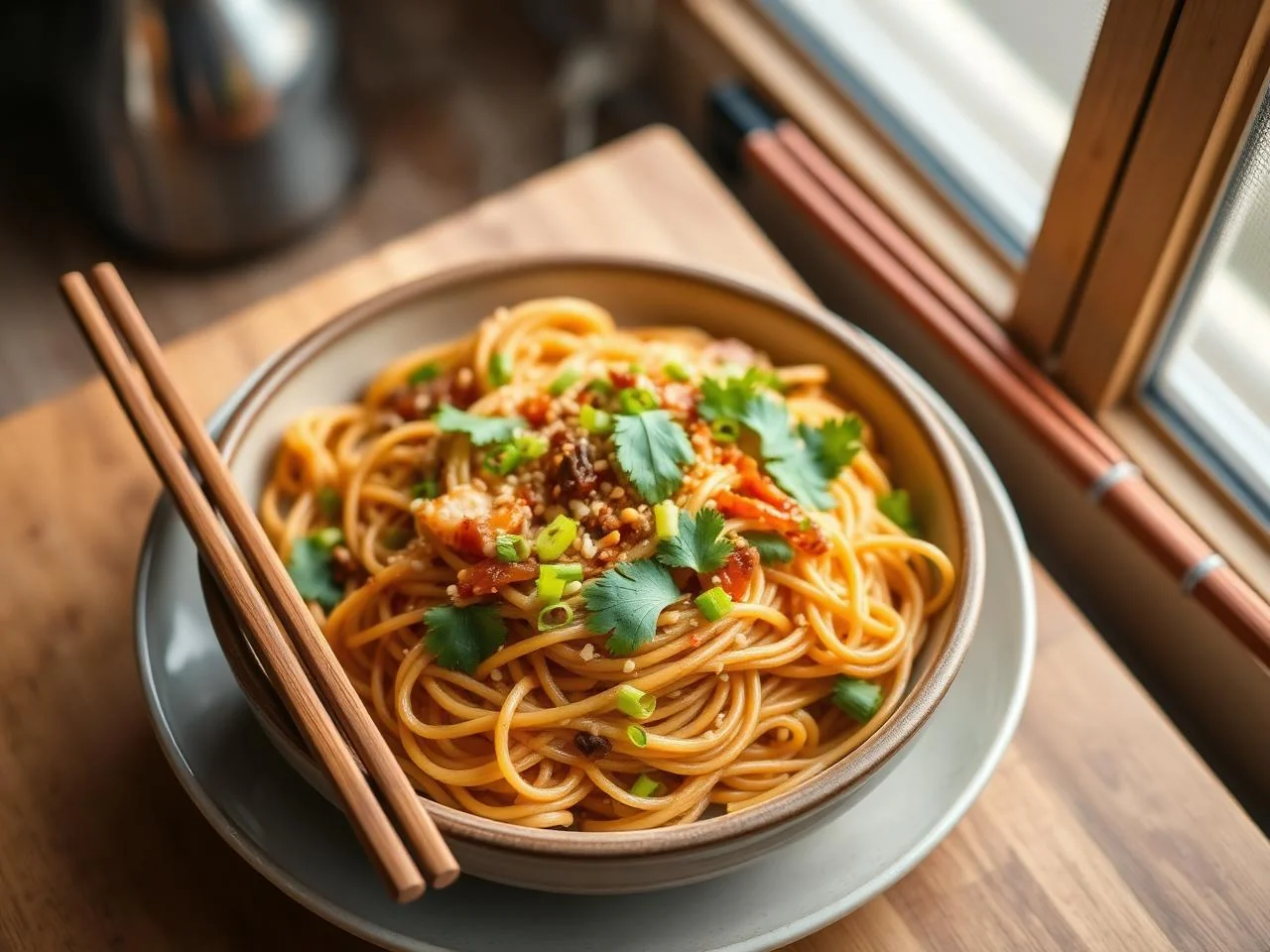
I still remember the first time I had Singapore Noodle Stir Fry at a street food stall in Singapore. The combination of flavors and textures was like nothing I had ever tasted before. Since then, I've been on a mission to recreate that dish in my own kitchen. After countless attempts, I'm excited to share my version of this beloved recipe with you.
Singapore Noodle Stir Fry is a staple of Singaporean cuisine, and its popularity has spread to restaurants and homes around the world. The dish typically consists of stir-fried noodles, vegetables, and your choice of protein, all cooked in a savory sauce. What sets this recipe apart is the use of a mixture of soy sauce, oyster sauce, and sesame oil to create a depth of flavor that's both umami and aromatic.
One of the things I love about this recipe is its versatility. You can customize it to your taste by using different types of protein, such as chicken, beef, or tofu, and adding your favorite vegetables. The key is to use a combination of ingredients that provides a balance of textures and flavors.
In this recipe, I'll guide you through the process of making an authentic Singapore Noodle Stir Fry. From preparing the ingredients to cooking the noodles and stir-frying the vegetables, I'll share my tips and techniques for achieving the perfect balance of flavors and textures.
Whether you're a seasoned cook or a beginner, this recipe is easy to follow and requires minimal special equipment. So, let's get started and create a delicious Singapore Noodle Stir Fry that's sure to become a favorite in your household.
Why You’ll Love This Recipe
- This recipe is easy to make and requires minimal special equipment.
- You can customize it to your taste by using different types of protein and vegetables.
- The dish is perfect for a quick weeknight dinner or a special occasion.
- The combination of flavors and textures is unique and delicious.
- The recipe is versatile and can be made with a variety of ingredients.
- It's a great way to experience the flavors of Singaporean cuisine at home.
Why This Recipe Works
The key to a great Singapore Noodle Stir Fry is the balance of flavors and textures. The sauce is a critical component, and it's made by combining soy sauce, oyster sauce, and sesame oil. The soy sauce provides a salty, umami flavor, while the oyster sauce adds a rich, savory element. The sesame oil, with its distinct nutty flavor, ties everything together.
Another important aspect of this recipe is the use of high heat to stir-fry the ingredients. This technique, known as 'wok hei,' is essential for creating a smoky, caramelized flavor that's characteristic of Singaporean cuisine. To achieve this, you'll need to heat your wok or skillet to a very high temperature, then quickly add the ingredients and stir-fry them for a short period of time.
The type of noodles used is also crucial. Rice noodles, also known as rice stick noodles, are the traditional choice for Singapore Noodle Stir Fry. They're thin, delicate, and have a neutral flavor that absorbs the savory sauce perfectly.
Finally, the order in which you add the ingredients is important. You'll want to start with the protein, then add the aromatics, followed by the vegetables and finally the noodles. This order ensures that each ingredient is cooked to the right level of doneness and that the flavors are balanced.
Ingredients You’ll Need
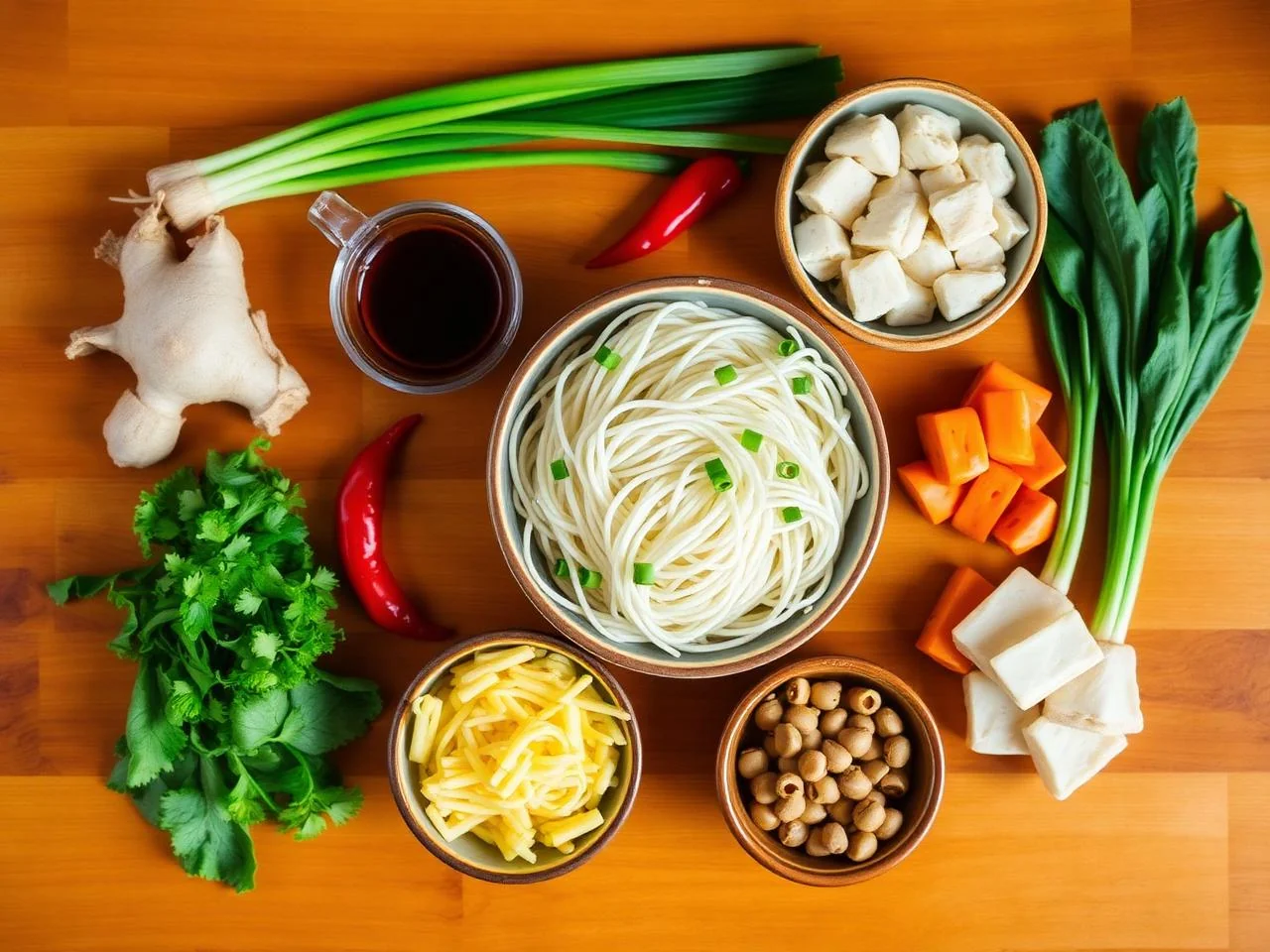
To make an authentic Singapore Noodle Stir Fry, you'll need a combination of ingredients that provides a balance of flavors and textures. The key players in this recipe are the noodles, protein, vegetables, and sauce. You'll also need some aromatics, such as garlic and ginger, to add depth to the dish.
When shopping for ingredients, look for fresh and high-quality items. For the protein, you can use chicken, beef, or tofu, depending on your preference. For the vegetables, choose a variety of colors and textures to add visual appeal to the dish.
- 1 lb (450g) large shrimp, peeled and deveinedYou can also use chicken, beef, or tofu as a substitute for the shrimp. Just be sure to adjust the cooking time accordingly.
- 2 cups (200g) rice noodlesRice noodles are the traditional choice for Singapore Noodle Stir Fry. Look for them in the Asian food section of your grocery store.
- 2 tablespoons vegetable oilYou can also use peanut oil or coconut oil for added flavor.
- 3 cloves garlic, mincedGarlic is a fundamental ingredient in many Asian dishes, and it adds a pungent flavor to the sauce.
- 1 tablespoon grated fresh gingerFresh ginger has a spicy, warming flavor that complements the other ingredients in the dish.
- 1 cup (120g) mixed vegetables, such as bell peppers, carrots, and snow peasChoose a variety of colorful vegetables to add visual appeal to the dish.
- 2 tablespoons soy sauceSoy sauce is a staple ingredient in many Asian dishes, and it provides a salty, umami flavor to the sauce.
- 1 tablespoon oyster sauceOyster sauce is a savory condiment made from oyster extract. It adds a rich, depth of flavor to the sauce.
- 1 teaspoon sesame oilSesame oil has a distinct nutty flavor and is used to add depth and complexity to the sauce.
- 1/2 teaspoon saltSalt is used to enhance the flavors of the other ingredients and to balance the sweetness of the vegetables.
- 1/4 teaspoon black pepperBlack pepper is used to add a spicy kick to the dish and to balance the other flavors.
- 2 tablespoons chopped scallions, for garnishScallions add a fresh, oniony flavor to the dish and are used as a garnish.
- 1 tablespoon lemon juiceLemon juice is used to add a bright, citrusy flavor to the dish and to balance the richness of the sauce.
Equipment You’ll Need
How to Make Singapore Noodle Stir Fry
- 1Start by cooking the rice noodles according to the package instructions. Typically, this involves soaking them in hot water for 3-5 minutes, then draining and rinsing them with cold water.
- 2In a small bowl, whisk together the soy sauce, oyster sauce, and sesame oil to make the sauce. Set it aside for later use.
- 3Heat 1 tablespoon of vegetable oil in a large skillet or wok over high heat. Add the garlic and ginger and stir-fry until they're fragrant, about 30 seconds.
- 4Add the mixed vegetables to the skillet and stir-fry until they're tender-crisp, about 2-3 minutes.
- 5Add the cooked shrimp to the skillet and stir-fry until they're pink and cooked through, about 2-3 minutes.
- 6Add the cooked noodles to the skillet and stir-fry for about 1 minute, until they're well coated with the sauce and heated through.
- 7Pour the sauce into the skillet and stir-fry for another minute, until the noodles are well coated and the sauce is bubbly.
- 8Season the dish with salt and pepper to taste, then stir in the chopped scallions and lemon juice.
- 9Transfer the Singapore Noodle Stir Fry to a serving platter and garnish with additional scallions if desired.
- 10Let the dish rest for 2-3 minutes before serving, to allow the flavors to meld together.
- 11Serve the Singapore Noodle Stir Fry hot, garnished with additional scallions and lemon wedges if desired.
- 12To reheat leftovers, simply stir-fry the noodles and sauce in a skillet over medium heat, adding a little water or oil if necessary to prevent sticking.
Expert Tips
- Use high-quality ingredients to ensure the best flavor and texture.
- Don't overcook the noodles or vegetables, as they can become mushy and unappetizing.
- Adjust the amount of sauce to your taste, and add more or less of any ingredient to suit your preferences.
- Use a variety of colorful vegetables to add visual appeal to the dish.
- Don't be afraid to experiment with different types of protein or vegetables to find your favorite combination.
- Let the dish rest for a few minutes before serving, to allow the flavors to meld together.
- Reheat leftovers carefully, adding a little water or oil if necessary to prevent sticking.
- Serve the Singapore Noodle Stir Fry with additional scallions and lemon wedges, for added flavor and freshness.
Common Mistakes to Avoid
- Overcooking the noodles or vegetables, resulting in a mushy texture.
- Using low-quality ingredients, which can affect the flavor and texture of the dish.
- Not adjusting the amount of sauce to taste, resulting in a dish that's too salty or too bland.
- Not letting the dish rest before serving, which can cause the flavors to be unbalanced.
- Not reheating leftovers carefully, resulting in a dry or sticky texture.
- Not using a variety of colorful vegetables, which can make the dish look unappetizing.
Variations and Substitutions
- Use chicken, beef, or tofu instead of shrimp for a different protein option.
- Add other vegetables, such as mushrooms or baby corn, to the stir-fry.
- Use different types of noodles, such as egg noodles or glass noodles, for a different texture.
- Add a spicy kick to the dish by incorporating red pepper flakes or sriracha sauce.
- Use a combination of soy sauce and hoisin sauce for a sweeter and more complex sauce.
- Add some crunch to the dish by incorporating chopped nuts or seeds.
- Use fresh herbs, such as basil or cilantro, to add a bright and fresh flavor to the dish.
What to Serve With Singapore Noodle Stir Fry
Singapore Noodle Stir Fry is a versatile dish that can be served in a variety of ways. You can serve it as a main course, accompanied by steamed vegetables or a side of rice. You can also serve it as a snack or appetizer, perfect for parties or gatherings.
Some popular serving options include:
Make-Ahead, Storage, Freezing and Reheating
To store Singapore Noodle Stir Fry, let it cool to room temperature, then refrigerate or freeze it. Refrigerated leftovers can be stored for up to 3 days, while frozen leftovers can be stored for up to 2 months.
To reheat refrigerated leftovers, simply stir-fry them in a skillet over medium heat, adding a little water or oil if necessary to prevent sticking. To reheat frozen leftovers, thaw them overnight in the refrigerator, then reheat them in a skillet over medium heat.
When reheating leftovers, be sure to stir-fry them quickly over high heat, to prevent the noodles from becoming mushy or sticky. You can also add a little water or oil to the skillet if necessary, to prevent sticking and to add moisture to the dish.
In addition to reheating leftovers, you can also make ahead and store the sauce and noodles separately. The sauce can be made ahead and stored in the refrigerator for up to 1 week, while the noodles can be cooked and stored in the refrigerator for up to 3 days.
Frequently Asked Questions
What type of noodles should I use for Singapore Noodle Stir Fry?
Rice noodles, also known as rice stick noodles, are the traditional choice for Singapore Noodle Stir Fry. They're thin, delicate, and have a neutral flavor that absorbs the savory sauce perfectly.
Can I use different types of protein in the recipe?
Yes, you can use chicken, beef, or tofu instead of shrimp. Just be sure to adjust the cooking time accordingly.
How do I prevent the noodles from becoming sticky or mushy?
To prevent the noodles from becoming sticky or mushy, be sure to cook them according to the package instructions and to stir-fry them quickly over high heat. You can also add a little water or oil to the skillet if necessary, to prevent sticking and to add moisture to the dish.
Can I make ahead and store the sauce and noodles separately?
Yes, you can make ahead and store the sauce and noodles separately. The sauce can be made ahead and stored in the refrigerator for up to 1 week, while the noodles can be cooked and stored in the refrigerator for up to 3 days.
How do I reheat leftovers without drying them out?
To reheat leftovers without drying them out, be sure to stir-fry them quickly over high heat, adding a little water or oil if necessary to prevent sticking. You can also cover the skillet with a lid to help retain moisture and heat.
Can I freeze the dish for later use?
Yes, you can freeze the dish for later use. Simply let it cool to room temperature, then transfer it to an airtight container or freezer bag and store it in the freezer for up to 2 months.
How do I add a spicy kick to the dish?
You can add a spicy kick to the dish by incorporating red pepper flakes or sriracha sauce into the sauce. Start with a small amount and adjust to taste, as the heat level can quickly become overpowering.
Can I serve the dish as a main course or as a snack?
Yes, you can serve the dish as a main course or as a snack. It's a versatile dish that can be served in a variety of ways, depending on your preferences and the occasion.
Ingredients
- 1 lb (450g) large shrimp, peeled and deveined
- 2 cups (200g) rice noodles
- 2 tablespoons vegetable oil
- 3 cloves garlic, minced
- 1 tablespoon grated fresh ginger
- 1 cup (120g) mixed vegetables, such as bell peppers, carrots, and snow peas
- 2 tablespoons soy sauce
- 1 tablespoon oyster sauce
- 1 teaspoon sesame oil
- 1/2 teaspoon salt
- 1/4 teaspoon black pepper
- 2 tablespoons chopped scallions, for garnish
- 1 tablespoon lemon juice
Instructions
- Start by cooking the rice noodles according to the package instructions. Typically, this involves soaking them in hot water for 3-5 minutes, then draining and rinsing them with cold water.
- In a small bowl, whisk together the soy sauce, oyster sauce, and sesame oil to make the sauce. Set it aside for later use.
- Heat 1 tablespoon of vegetable oil in a large skillet or wok over high heat. Add the garlic and ginger and stir-fry until they're fragrant, about 30 seconds.
- Add the mixed vegetables to the skillet and stir-fry until they're tender-crisp, about 2-3 minutes.
- Add the cooked shrimp to the skillet and stir-fry until they're pink and cooked through, about 2-3 minutes.
- Add the cooked noodles to the skillet and stir-fry for about 1 minute, until they're well coated with the sauce and heated through.
- Pour the sauce into the skillet and stir-fry for another minute, until the noodles are well coated and the sauce is bubbly.
- Season the dish with salt and pepper to taste, then stir in the chopped scallions and lemon juice.
- Transfer the Singapore Noodle Stir Fry to a serving platter and garnish with additional scallions if desired.
- Let the dish rest for 2-3 minutes before serving, to allow the flavors to meld together.
- Serve the Singapore Noodle Stir Fry hot, garnished with additional scallions and lemon wedges if desired.
- To reheat leftovers, simply stir-fry the noodles and sauce in a skillet over medium heat, adding a little water or oil if necessary to prevent sticking.