
Singapore Noodles
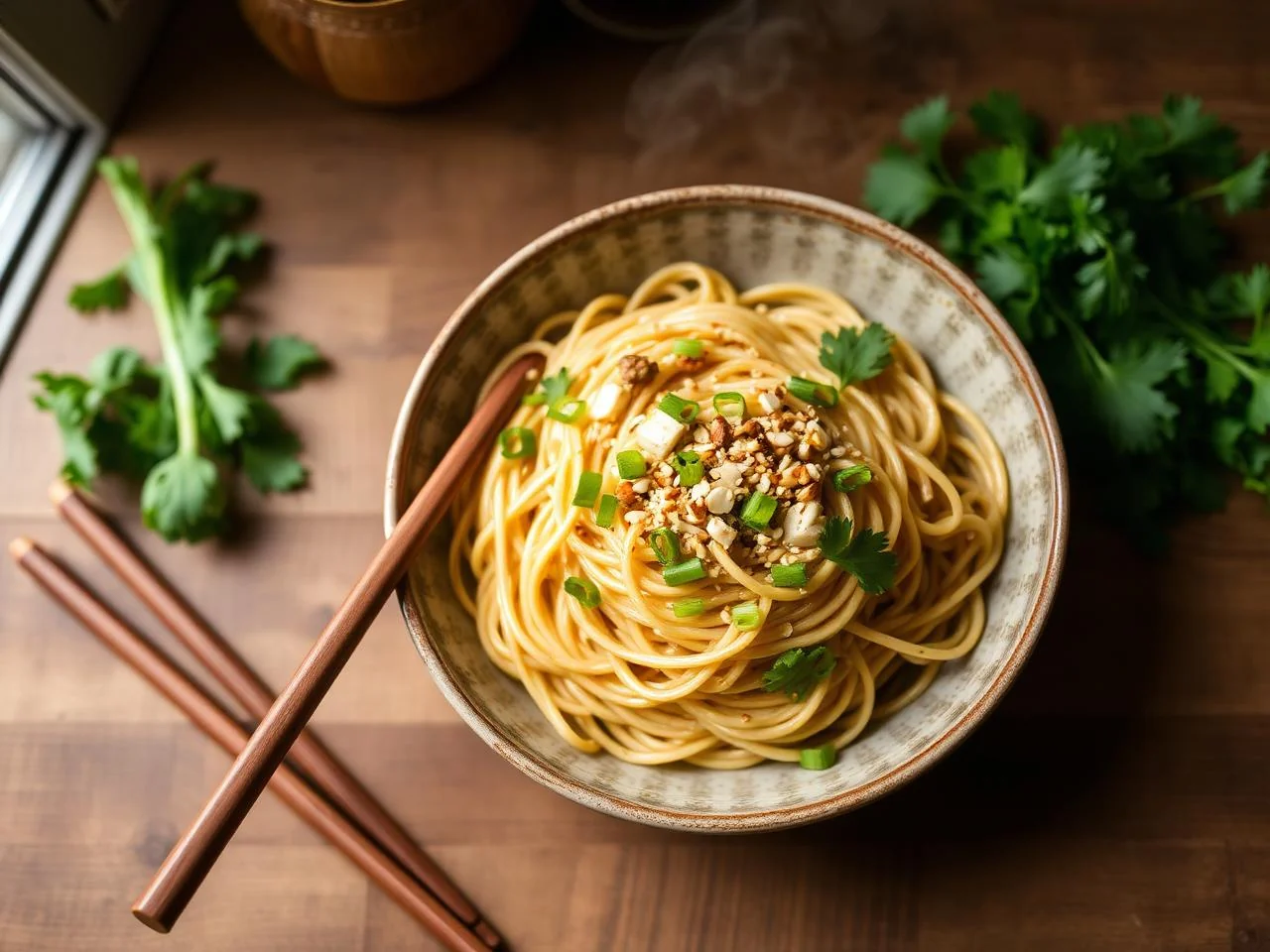
I still remember the first time I had Singapore Noodles at a street food stall in Singapore. The combination of tender noodles, savory sauce, and aromatic spices was love at first bite. Since then, I've been on a mission to recreate this dish at home, and after countless trials and errors, I'm excited to share my recipe with you.
This recipe is perfect for anyone who loves takeout-style Asian food but wants to make it from scratch in the comfort of their own kitchen. With a few simple ingredients and some basic cooking techniques, you can create a dish that's not only delicious but also better than takeout.
One of the key secrets to making great Singapore Noodles is to use a combination of sauces that balance sweet, sour, salty, and umami flavors. In this recipe, we'll be using a mixture of soy sauce, oyster sauce, and hoisin sauce to create a rich and savory sauce that coats the noodles perfectly.
Another important aspect of this recipe is the use of aromatics like garlic, ginger, and scallions to add depth and fragrance to the dish. We'll be sautéing these ingredients in a hot wok or skillet to bring out their natural oils and flavors.
Whether you're a seasoned cook or a beginner, this recipe is easy to follow and requires minimal special equipment. So, let's get started and make some delicious Singapore Noodles at home!
Why You’ll Love This Recipe
- This recipe is easy to make and requires minimal special equipment.
- The dish is perfect for a quick weeknight dinner or a special occasion.
- The combination of sauces and aromatics creates a rich and savory flavor profile.
- The noodles are cooked to a perfect texture that's tender but still slightly firm.
- The recipe is highly customizable, so you can add your favorite ingredients or substitutions.
- The dish is budget-friendly and can be made with affordable ingredients.
- The recipe is family-friendly and can be served to both kids and adults.
Why This Recipe Works
The key to making great Singapore Noodles is to balance the flavors and textures in the dish. By using a combination of sauces, aromatics, and seasonings, we can create a sauce that's both savory and slightly sweet. The noodles, which are typically made from rice flour, are cooked to a perfect texture that's tender but still slightly firm.
The cooking technique used in this recipe is also important. By stir-frying the ingredients in a hot wok or skillet, we can quickly cook the noodles and vegetables while preserving their texture and flavor. The high heat also helps to caramelize the sauces and create a rich, sticky glaze that coats the noodles.
Finally, the resting time after cooking is crucial to allowing the flavors to meld together and the noodles to absorb the sauce. This step may seem simple, but it makes a big difference in the final dish.
Overall, the combination of balanced flavors, proper cooking technique, and resting time makes this recipe for Singapore Noodles a success.
Ingredients You’ll Need
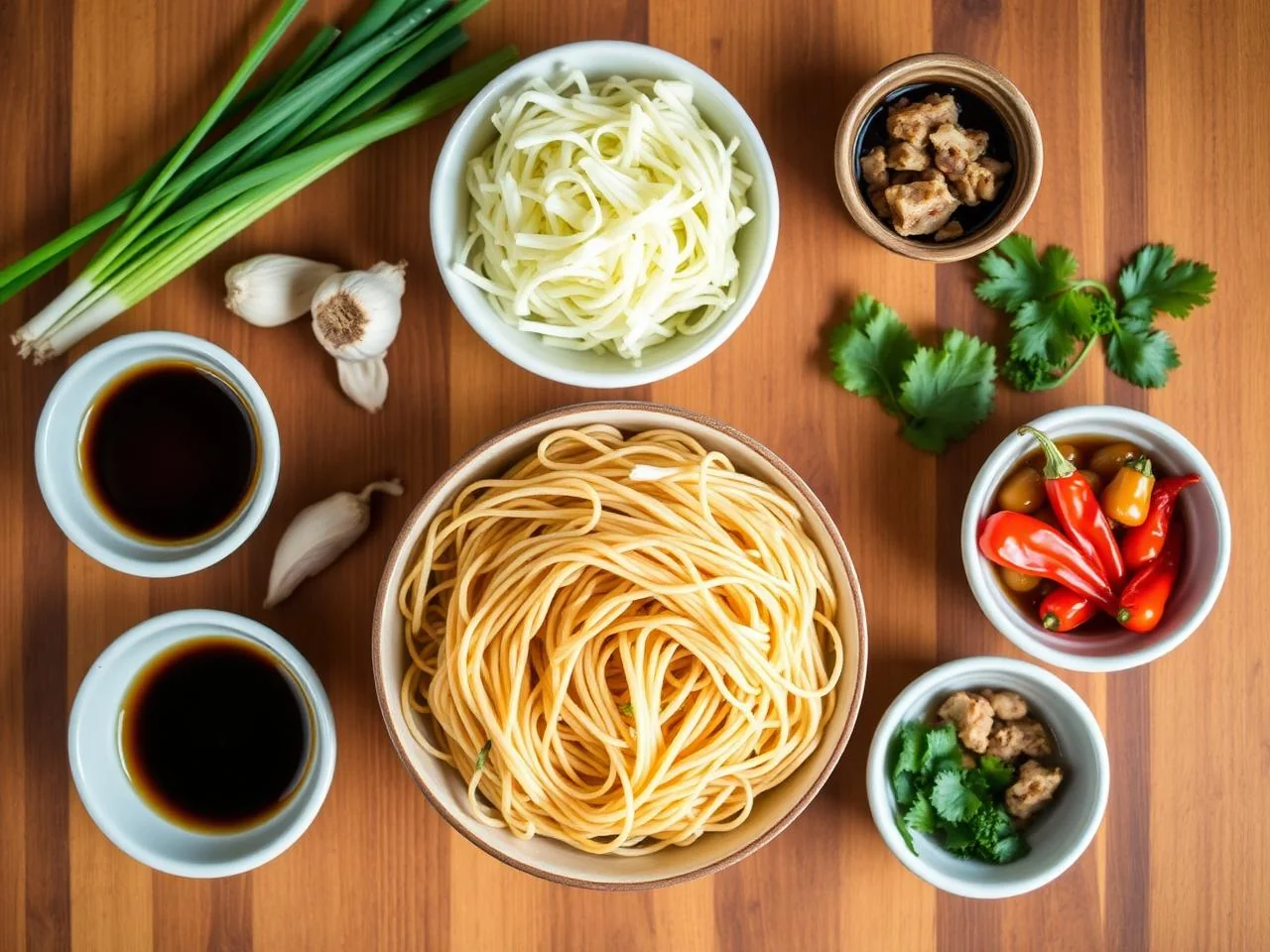
To make this recipe, you'll need a few key ingredients, including rice noodles, protein of your choice (such as chicken, beef, or tofu), and a combination of sauces and aromatics. You can find most of these ingredients at an Asian market or a well-stocked supermarket.
When shopping for ingredients, be sure to choose high-quality items that are fresh and flavorful. For example, look for rice noodles that are made from 100% rice flour and have a soft, pliable texture. Similarly, choose a protein that's lean and tender, and aromatics that are fresh and fragrant.
- 1 lb (450g) chicken breast or thighs, cut into bite-sized piecesYou can use either chicken breast or thighs for this recipe, depending on your preference. Chicken breast will be leaner and more tender, while chicken thighs will be richer and more flavorful.
- 2 cups (200g) rice noodlesRice noodles are made from rice flour and are a key ingredient in Singapore Noodles. Look for noodles that are fresh and have a soft, pliable texture.
- 2 tablespoons vegetable oilVegetable oil is used for stir-frying the ingredients and adding flavor to the dish. You can also use other oils, such as peanut or coconut oil, if you prefer.
- 3 cloves garlic, mincedGarlic is a key aromatic in this recipe and adds depth and flavor to the dish. Be sure to mince it finely so that it cooks quickly and evenly.
- 1 tablespoon grated fresh gingerFresh ginger adds a warm, spicy flavor to the dish and helps to balance the sweetness of the sauces. Be sure to grate it finely so that it cooks quickly and evenly.
- 1 tablespoon soy sauceSoy sauce is a key ingredient in the sauce and adds a rich, savory flavor to the dish. Look for a high-quality soy sauce that's made from fermented soybeans and has a deep, complex flavor.
- 1 tablespoon oyster sauce (optional)Oyster sauce is a common ingredient in Asian cooking and adds a rich, umami flavor to the dish. If you don't have oyster sauce or prefer not to use it, you can omit it or substitute it with hoisin sauce.
- 1 tablespoon hoisin sauceHoisin sauce is a sweet and savory sauce made from soybeans, fruits, and spices. It adds a rich, complex flavor to the dish and helps to balance the sweetness of the sauces.
- 1 teaspoon sesame oilSesame oil is used to add flavor and aroma to the dish. It has a distinct nutty flavor and a high smoke point, making it ideal for stir-frying.
- 1/4 teaspoon red pepper flakes (optional)Red pepper flakes add a spicy kick to the dish and help to balance the sweetness of the sauces. If you prefer a milder flavor, you can omit them or reduce the amount used.
- Salt and pepper to tasteSalt and pepper are used to season the dish and add flavor. Be sure to taste the dish as you go and adjust the seasoning accordingly.
Equipment You’ll Need
How to Make Singapore Noodles
- 1Bring a large pot of water to a boil and cook the rice noodles according to the package instructions. Drain the noodles and set them aside.
- 2In a small bowl, whisk together the soy sauce, oyster sauce (if using), hoisin sauce, and sesame oil. Set the sauce aside.
- 3Heat 1 tablespoon of vegetable oil in a large skillet or wok over medium-high heat. Add the chicken and cook until it's browned and cooked through, about 5-7 minutes. Remove the chicken from the skillet and set it aside.
- 4In the same skillet, add the remaining 1 tablespoon of vegetable oil. Add the minced garlic and grated ginger and stir-fry until they're fragrant and slightly caramelized, about 1-2 minutes.
- 5Add the cooked noodles to the skillet and stir-fry for about 2-3 minutes, until they're well coated with the garlic and ginger.
- 6Add the cooked chicken back into the skillet and pour in the sauce. Stir-fry everything together for about 1-2 minutes, until the sauce is bubbly and slightly thickened.
- 7Add the red pepper flakes (if using) and stir-fry for another minute, until the flavors are well combined.
- 8Season the dish with salt and pepper to taste, then transfer it to a serving platter or individual plates.
- 9Garnish with sliced scallions and serve immediately.
- 10Let the dish rest for a few minutes before serving, to allow the flavors to meld together and the noodles to absorb the sauce.
Expert Tips
- Use high-quality ingredients, such as fresh rice noodles and lean protein, to ensure the best flavor and texture.
- Don't overcook the noodles, as they can become mushy and unappetizing.
- Adjust the amount of sauce to your taste, and add more or less of any ingredient to suit your preferences.
- Add other ingredients, such as diced vegetables or nuts, to make the dish more substantial and interesting.
- Use a wok or large skillet to cook the dish, as these pans allow for quick and even stir-frying.
- Don't be afraid to experiment and try new ingredients or variations to make the dish your own.
- Let the dish rest for a few minutes before serving, to allow the flavors to meld together and the noodles to absorb the sauce.
- Serve the dish immediately, while the noodles are still warm and the sauce is still bubbly.
Common Mistakes to Avoid
- Overcooking the noodles, which can make them mushy and unappetizing.
- Not using high-quality ingredients, which can affect the flavor and texture of the dish.
- Not adjusting the amount of sauce to your taste, which can make the dish too salty or too sweet.
- Not stir-frying the ingredients quickly and evenly, which can affect the texture and flavor of the dish.
- Not letting the dish rest for a few minutes before serving, which can affect the flavor and texture of the dish.
- Not serving the dish immediately, while the noodles are still warm and the sauce is still bubbly.
Variations and Substitutions
- Add diced vegetables, such as bell peppers or carrots, to make the dish more substantial and interesting.
- Use different types of protein, such as beef or tofu, to change the flavor and texture of the dish.
- Add nuts or seeds, such as peanuts or sesame seeds, to add crunch and flavor to the dish.
- Use different types of noodles, such as egg noodles or udon noodles, to change the texture and flavor of the dish.
- Add spices or herbs, such as cumin or basil, to add depth and complexity to the dish.
- Use different types of oil, such as coconut oil or avocado oil, to change the flavor and texture of the dish.
- Add a fried egg or other toppings, such as pickled ginger or green onions, to make the dish more interesting and substantial.
What to Serve With Singapore Noodles
Singapore Noodles are a versatile dish that can be served in a variety of ways. You can serve them as a main course, with a side of steamed vegetables or a salad. You can also serve them as a snack or appetizer, with a side of dipping sauce or pickled ginger.
Some popular sides to serve with Singapore Noodles include steamed broccoli, stir-fried vegetables, or a simple green salad. You can also serve them with a side of rice or noodles, such as fried rice or udon noodles.
Make-Ahead, Storage, Freezing and Reheating
Singapore Noodles can be stored in the refrigerator for up to 3 days or frozen for up to 2 months. To store the dish, let it cool to room temperature, then transfer it to an airtight container. Refrigerate or freeze the dish, and reheat it when you're ready to serve.
To reheat the dish, simply microwave it or stir-fry it in a pan with a little oil. You can also add a splash of water or broth to the dish to help it reheat evenly and prevent it from drying out.
It's also possible to make the dish ahead of time and store it in the refrigerator or freezer. Simply cook the noodles and chicken, then store them in separate containers. When you're ready to serve, simply stir-fry the ingredients together and add the sauce.
One of the benefits of making Singapore Noodles is that they can be customized to suit your tastes and preferences. You can add or subtract ingredients, adjust the amount of sauce, and change the type of protein or noodles used. This makes the dish a great option for meal prep or cooking for a crowd.
Frequently Asked Questions
What type of noodles should I use for Singapore Noodles?
Rice noodles are the traditional choice for Singapore Noodles, but you can also use other types of noodles, such as egg noodles or udon noodles.
Can I use different types of protein in Singapore Noodles?
Yes, you can use different types of protein, such as beef, pork, or tofu, to change the flavor and texture of the dish.
How do I store Singapore Noodles?
Singapore Noodles can be stored in the refrigerator for up to 3 days or frozen for up to 2 months. To store the dish, let it cool to room temperature, then transfer it to an airtight container.
Can I make Singapore Noodles ahead of time?
Yes, you can make the dish ahead of time and store it in the refrigerator or freezer. Simply cook the noodles and chicken, then store them in separate containers. When you're ready to serve, simply stir-fry the ingredients together and add the sauce.
What are some common mistakes to avoid when making Singapore Noodles?
Some common mistakes to avoid include overcooking the noodles, not using high-quality ingredients, and not adjusting the amount of sauce to your taste.
How do I reheat Singapore Noodles?
To reheat the dish, simply microwave it or stir-fry it in a pan with a little oil. You can also add a splash of water or broth to the dish to help it reheat evenly and prevent it from drying out.
Can I customize Singapore Noodles to suit my tastes and preferences?
Yes, you can customize the dish by adding or subtracting ingredients, adjusting the amount of sauce, and changing the type of protein or noodles used.
What are some popular sides to serve with Singapore Noodles?
Some popular sides to serve with Singapore Noodles include steamed broccoli, stir-fried vegetables, or a simple green salad. You can also serve them with a side of rice or noodles, such as fried rice or udon noodles.
Ingredients
- 1 lb (450g) chicken breast or thighs, cut into bite-sized pieces
- 2 cups (200g) rice noodles
- 2 tablespoons vegetable oil
- 3 cloves garlic, minced
- 1 tablespoon grated fresh ginger
- 1 tablespoon soy sauce
- 1 tablespoon oyster sauce (optional)
- 1 tablespoon hoisin sauce
- 1 teaspoon sesame oil
- 1/4 teaspoon red pepper flakes (optional)
- Salt and pepper to taste
Instructions
- Bring a large pot of water to a boil and cook the rice noodles according to the package instructions. Drain the noodles and set them aside.
- In a small bowl, whisk together the soy sauce, oyster sauce (if using), hoisin sauce, and sesame oil. Set the sauce aside.
- Heat 1 tablespoon of vegetable oil in a large skillet or wok over medium-high heat. Add the chicken and cook until it's browned and cooked through, about 5-7 minutes. Remove the chicken from the skillet and set it aside.
- In the same skillet, add the remaining 1 tablespoon of vegetable oil. Add the minced garlic and grated ginger and stir-fry until they're fragrant and slightly caramelized, about 1-2 minutes.
- Add the cooked noodles to the skillet and stir-fry for about 2-3 minutes, until they're well coated with the garlic and ginger.
- Add the cooked chicken back into the skillet and pour in the sauce. Stir-fry everything together for about 1-2 minutes, until the sauce is bubbly and slightly thickened.
- Add the red pepper flakes (if using) and stir-fry for another minute, until the flavors are well combined.
- Season the dish with salt and pepper to taste, then transfer it to a serving platter or individual plates.
- Garnish with sliced scallions and serve immediately.
- Let the dish rest for a few minutes before serving, to allow the flavors to meld together and the noodles to absorb the sauce.