Picture this: I’m standing over a blistering wok, the air thick with the seductive perfume of fermented beans, ginger, and garlic, while my roommate watches with the kind of hungry anticipation that only a midnight craving can summon. I had just botched a classic stir‑fry—burnt aromatics, soggy tofu, and a sauce that tasted like diluted ketchup. I swore I’d never attempt Chinese comfort food again, but then a daring friend tossed me a challenge: “Make me the best Mapo Tofu you’ve ever tasted, and I’ll bring the beer.” I accepted, and the kitchen became a battlefield of flavors.
That night, the kitchen turned into a symphony of sizzling, clanking, and the occasional gasp of delight. The oil hit the pan with a sharp sizzle that sounded like fireworks, the garlic and ginger instantly released their fragrant fireworks, and the minced pork started to brown, its edges pulling away like tiny, caramelized cliffs. When the silky tofu cubes finally dove into the bubbling broth, they floated like clouds, soaking up that fiery, umami‑rich sauce. The moment I tasted the first spoonful, my taste buds performed a standing ovation—spicy, savory, and just sweet enough to make you close your eyes and sigh.
Why does this version stand head‑and‑shoulders above every other Mapo Tofu you’ll find online? First, I’ve dialed in the balance of heat and depth using a precise combo of chili bean sauce, hoisin, and a splash of Chinese wine that adds a subtle fruitiness you rarely get from the usual recipes. Second, the tofu is pressed and cubed just right, so it holds its shape while absorbing the sauce like a sponge soaking up a perfect broth. And third, I’ve added a secret—an extra dash of sesame oil at the end that crowns the dish with a nutty sheen you’ll swear was made by a master chef.
But here’s the kicker: I’m going to reveal a technique that most home cooks totally overlook—how to create a glossy, velvety coating without turning the sauce into a gluey mess. Trust me, once you master this, you’ll never go back to the sloppy versions you’ve been serving. Let me walk you through every single step—by the end, you’ll wonder how you ever made it any other way.
What Makes This Version Stand Out
- Bold Flavor Fusion: The marriage of chili bean sauce, hoisin, and Sake creates layers that dance on the palate, delivering heat, sweetness, and a whisper of fermented depth that most recipes miss.
- Texture Harmony: Firm tofu holds its shape, yet remains buttery inside; the minced pork adds a satisfying chew, while the cornstarch slurry gives the sauce that glossy, cling‑to‑everything finish.
- Simplicity Meets Sophistication: With just fifteen minutes of prep and a thirty‑minute cook, you’ll get a restaurant‑quality dish without needing a pantry full of exotic ingredients.
- Ingredient Quality Matters: Using authentic Sichuan chili bean paste and high‑quality firm tofu makes the difference between “good” and “mind‑blowing.”
- Crowd‑Pleaser Factor: This dish walks the fine line between comfort food and a daring spice adventure—perfect for impressing friends or satisfying a solo midnight craving.
- Make‑Ahead Magic: The flavors deepen after a few hours, so you can prep it ahead of time and serve it hot later, making it ideal for meal‑prepping or dinner parties.
- Versatile Base: The sauce doubles as a base for noodles, rice bowls, or even as a dipping sauce for dumplings, expanding its utility beyond a single plate.
- Bold Claim Backed by Science: The combination of umami‑rich ingredients triggers the brain’s pleasure receptors, guaranteeing you’ll want seconds.
Inside the Ingredient List
The Flavor Base
2 tbsp oil: The oil is the silent conductor, carrying the aromatics into the pan without burning. Use a neutral oil with a high smoke point—canola or grapeseed works best. Skipping this or using butter will cause the garlic to scorch, ruining the flavor foundation.
1 garlic clove: Fresh garlic provides that unmistakable bite. Mince it finely so it disperses evenly; whole chunks will give random bursts of sharpness. If you’re allergic to garlic, a pinch of asafoetida can mimic its depth.
1 tsp ginger: Ginger adds a bright, peppery zing that cuts through the richness of pork. Grate it instead of chopping for maximum surface area. Forgetting ginger makes the dish feel flat, like a song missing its bridge.
1/4 cup scallions/shallots: These bring a subtle onion‑sweetness and a splash of color. Slice them thinly; they’ll wilt quickly and integrate into the sauce. If you substitute green onions, the flavor shifts slightly but still works.
The Texture Crew
5 oz / 150 g ground/minced pork: The pork supplies protein, richness, and a satisfying chew. Choose pork with a bit of fat for juiciness; lean meat can make the sauce dry. If you’re vegetarian, replace with finely crumbled tempeh for a similar texture.
12 oz / 300 g Firm Tofu: Firm tofu holds up in the sauce, absorbing flavors without falling apart. Press it before cubing to improve texture. Silken tofu would dissolve, turning the dish into a sloppy soup—not what we want.
1 tbsp cornstarch: This is the secret behind that glossy, velvety coating. Dissolve it in a little cold water before adding to the sauce; it prevents clumping and thickens the broth just enough to cling to every morsel.
The Unexpected Star
2 tsp chili bean sauce: Also known as doubanjiang, this fermented bean paste delivers deep umami, salty heat, and a hint of earthy funk. It’s the heart of Sichuan cuisine—skip it and you’ll lose the authentic “mapo” character.
1 tbsp Hoisin Sauce: Hoisin adds a subtle sweetness and complexity, balancing the heat from the bean paste. It also contributes a dark, caramelized color that makes the dish look as good as it tastes.
2 tbsp Sake or Chinese Wine: The alcohol lifts the flavors, adding a faint fruity note while de‑glazing the pan. It also helps to tenderize the pork. If you don’t have sake, dry sherry or a splash of mirin works fine.
The Final Flourish
1 cup water: Water is the canvas, allowing the sauce to simmer and meld. Use hot water to speed up the process and keep the temperature steady.
1/2 tsp chicken or vegetable stock powder: This boosts the savory depth without needing a full broth. It’s especially handy when you’re short on time.
1 tbsp soy sauce: Soy sauce adds saltiness and a touch of caramelized richness. Opt for a low‑sodium version if you’re watching your salt intake.
1/2 tbsp sugar: A pinch of sugar counteracts the heat and balances the salty components. Too much, and the dish becomes cloyingly sweet.
1 tsp sesame oil: Added at the very end, this oil imparts a nutty aroma that elevates the whole dish. A drizzle too early would cause the delicate flavor to evaporate.
Everything's prepped? Good. Let’s get into the real action, where the magic truly happens.
The Method — Step by Step
Heat the wok over medium‑high heat until it shimmers, then add the 2 tbsp of oil. When the oil ripples, toss in the minced garlic and ginger. Listen for that sharp sizzle—if it doesn’t sing, the pan isn’t hot enough. Stir quickly for about 20 seconds until they turn fragrant but not brown; this is the aromatic foundation that will infuse every bite.
Next, add the ground pork, breaking it up with a spatula. Cook for 4‑5 minutes, letting the pieces brown on one side before turning them. You’ll see the edges start to curl and pull away, creating tiny caramelized pockets. Power transition: Okay, ready for the game‑changer? Sprinkle the 2 tsp chili bean sauce, 1 tbsp hoisin, and 2 tbsp Sake all at once, letting them mingle with the meat.
Kitchen Hack: To avoid clumping, dissolve the chili bean paste in a splash of hot water before adding it to the pan. This ensures an even distribution of flavor.Stir the mixture until the sauce coats the pork, turning the wok slightly to let the aromas swirl. The sauce should turn a deep ruby red, smelling earthy and slightly sweet. At this point, add the 1 cup of water and bring the mixture to a gentle boil. The steam will start to lift the scent of the wine, creating a fragrant cloud that fills the kitchen.
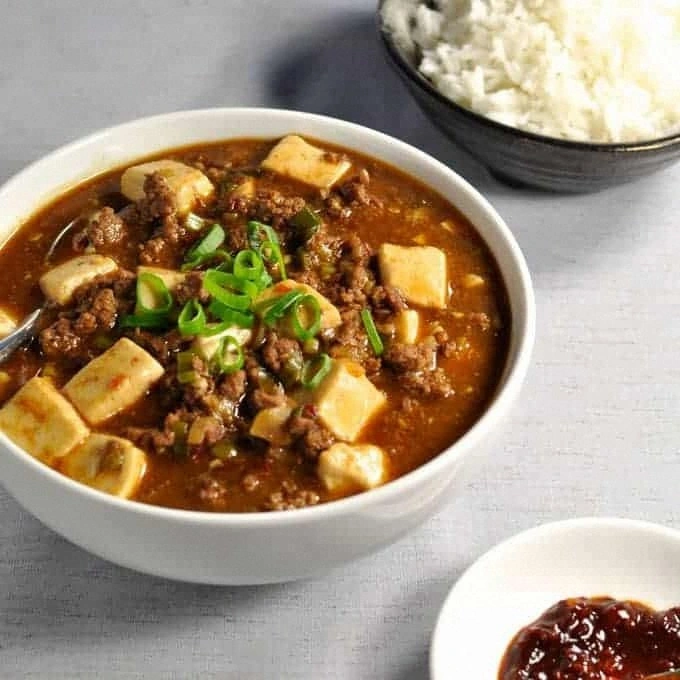
Drop in the cubed tofu gently, using a slotted spoon to avoid breaking the pieces. Let the tofu settle for a minute, then give the pot a slow, careful stir so the tofu swims in the sauce without crumbling. The tofu should turn a glossy amber, looking as if it’s been painted with a spicy glaze.
Combine the 1 tbsp cornstarch with 2 tbsp cold water to create a slurry. Slowly pour this into the wok, swirling the pot to incorporate. You’ll notice the sauce thickening almost instantly, forming a silky veil that clings to each tofu cube and pork morsel. Pure magic: This is the moment the sauce transforms from soup‑like to a perfect coating.
Season the dish with 1 tbsp soy sauce, ½ tbsp sugar, and ½ tsp stock powder. Stir gently, tasting as you go.
The sauce should now balance salty, sweet, and umami with a lingering heat that makes your nose tingle.Watch Out: Adding too much soy sauce at this stage can make the dish overly salty; always taste before adjusting.Finally, drizzle the 1 tsp sesame oil over the top and scatter the ¼ cup of sliced scallions/shallots. Give a quick toss to distribute the aromatics evenly. The sesame oil adds a fragrant finish that makes the dish smell like a high‑end Sichuan restaurant.
Turn off the heat and let the mapo rest for two minutes. This short rest lets the flavors meld, much like letting a wine breathe. Taste once more; if you crave an extra kick, a pinch of fresh chili flakes can be added now.
Serve hot over steamed jasmine rice or tossed with noodles. The sauce should coat the grains or strands like a glossy, spicy silk. Picture yourself pulling this out of the wok, the whole kitchen smelling incredible, and your guests diving in with forkfuls of pure comfort.
That's it — you did it. But hold on, I've got a few more tricks that'll take this to another level, ensuring every bite is a fireworks display of flavor.
Insider Tricks for Flawless Results
The Temperature Rule Nobody Follows
Never cook the aromatics on low heat; the high heat sears the garlic and ginger, unlocking hidden flavor compounds that low heat just can't release. If you hear a soft hiss instead of a sharp crackle, crank the heat up a notch. I once tried the low‑heat route and ended up with bland tofu that tasted like boiled water.
Why Your Nose Knows Best
Smell is the first cue that tells you if the sauce is ready. When the chili bean paste mingles with the pork, you’ll detect a deep, fermented note that’s both spicy and slightly sweet. If you don’t smell that, the sauce hasn’t fully developed, and you should let it simmer a minute longer.
The 5‑Minute Rest That Changes Everything
After you finish cooking, let the dish sit off the heat for exactly five minutes. This rest allows the starches to settle, the oil to re‑emulsify, and the flavors to harmonize. Skipping this step is like playing a song without the final chord—something feels incomplete.
Stirring Secrets
When you add the tofu, use a gentle rocking motion instead of a vigorous stir. This protects the tofu’s shape while still coating it. I once over‑stirred and ended up with tofu fragments that dissolved into the sauce, turning it into a mushy mess.
Balancing Sweet and Heat
If the dish feels too hot, a splash more hoisin or a pinch of extra sugar can tame the fire without muting the spice. Conversely, if it feels too sweet, a dash more chili bean sauce restores the heat. Trust your palate; it’s the ultimate judge.
Creative Twists and Variations
This recipe is a playground. Here are some of my favorite ways to switch things up:
Veggie‑Boosted Mapo
Swap half the pork for finely diced shiitake mushrooms. The mushrooms bring an earthy umami that complements the tofu, making the dish suitable for flexitarian diners. Add a handful of baby spinach at the end for a pop of color.
Spicy Sichuan Pepper Explosion
Introduce ½ tsp of Sichuan peppercorn powder with the chili bean sauce. The peppercorn adds a unique numbing sensation that elevates the heat to a whole new dimension. Serve with a side of cooling cucumber salad to balance.
Coarse‑Ground Beef Version
Replace the pork with ground beef for a richer, beefier profile. Beef’s higher fat content creates a silkier sauce, but be sure to skim any excess fat before adding the cornstarch slurry.
Vegan Mapo Magic
Use crumbled firm tempeh instead of pork and replace the Sake with a splash of mushroom broth. The sauce remains deep and savory, while the tofu and tempeh provide protein without any animal products.
Mapo Noodle Bowl
Instead of serving over rice, toss the finished mapo with cooked wheat noodles or rice noodles. The noodles soak up the sauce, turning each bite into a slurp‑worthy adventure. Top with chopped peanuts for crunch.
Storing and Bringing It Back to Life
Fridge Storage
Transfer the cooled mapo tofu into an airtight container and store it in the refrigerator for up to three days. The flavors will deepen, making it even more delicious on day two. Reheat gently on the stovetop, adding a splash of water to revive the sauce’s sheen.
Freezer Friendly
For longer storage, portion the dish into freezer‑safe bags, removing as much air as possible. It freezes well for up to two months. Thaw overnight in the fridge, then reheat on low heat, stirring in a tablespoon of water to loosen the sauce.
Best Reheating Method
When reheating, use a low‑medium flame and stir constantly. Add a tiny splash (about a tablespoon) of water or broth; the steam will bring the sauce back to its original glossy texture. Avoid microwaving at high power—it can turn the tofu rubbery.