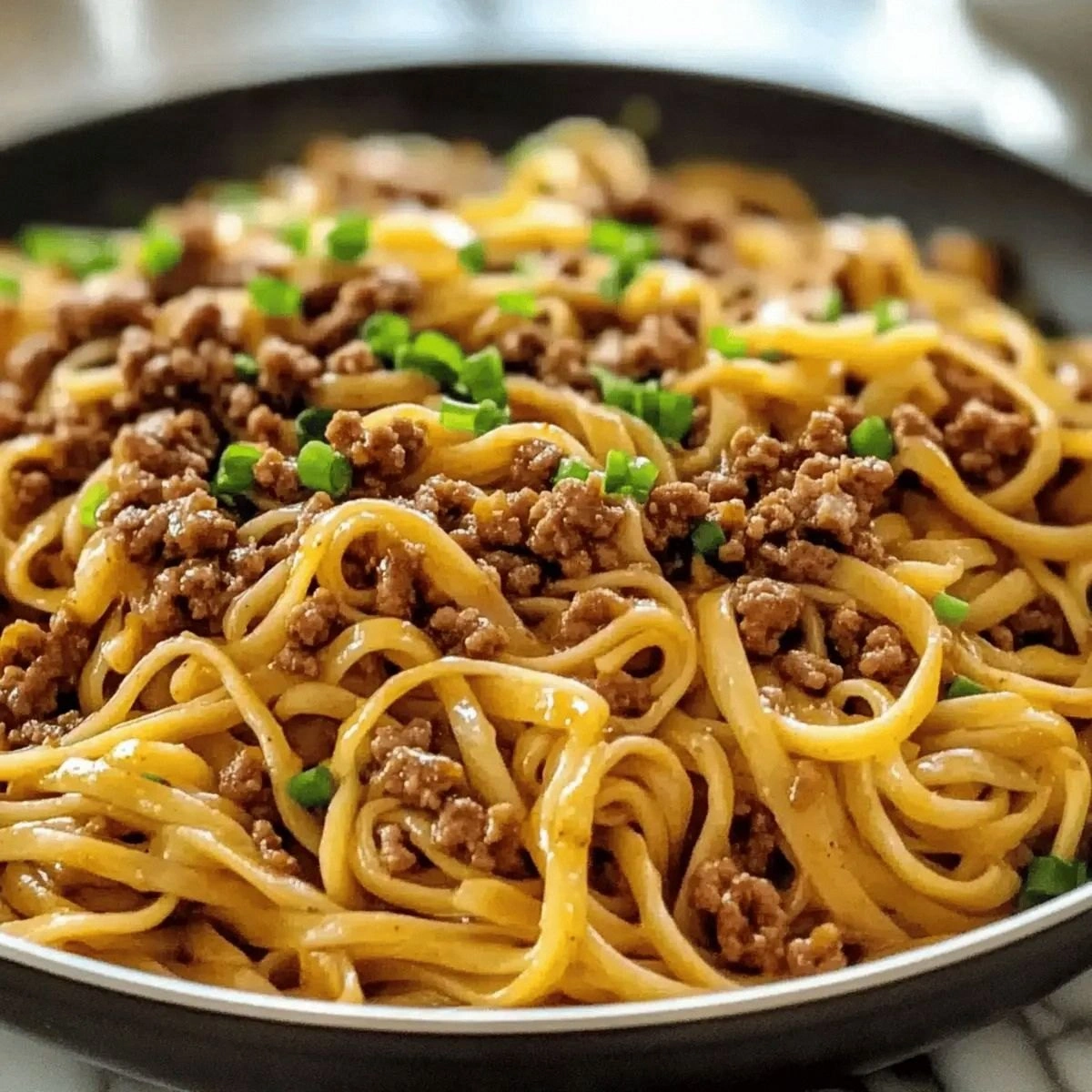
Last weekend I found myself in a culinary showdown that could have been straight out of a sitcom: my roommate challenged me to make something that would satisfy his midnight cravings and my own lingering desire for comfort food, all while we both were exhausted from a 12‑hour shift. I fumbled with a half‑cooked packet of instant noodles, a lonely can of beans, and a bottle of ketchup, and the result was, frankly, a disaster that could have been used as a science experiment. That chaotic moment sparked a revelation—if I could turn that mess into a masterpiece in fifteen minutes, why not create a dish that delivers restaurant‑level flavor without the pretentious price tag?
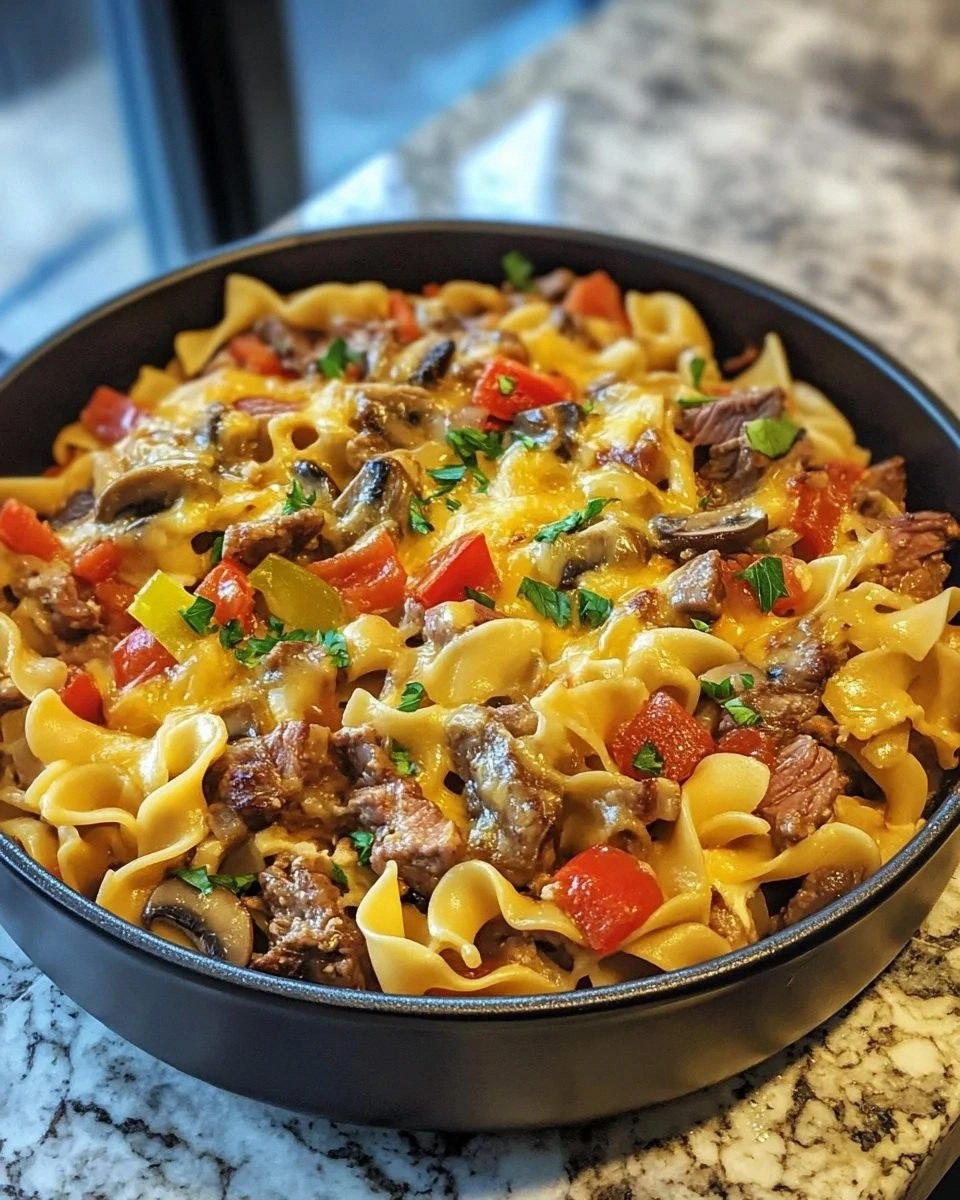
Picture this: a steaming pot of linguine that glistens like satin, a rich brown sauce that clings to each strand with the devotion of a lover, and ground beef that’s browned to perfection, releasing a scent that makes the entire apartment feel like a bustling Asian night market. The moment the sauce hits the pan you’ll hear a sizzle that’s almost musical, and the aroma of ginger, garlic, and soy will wrap around you like a warm blanket. The texture? Think of al dente noodles meeting tender, juicy beef, with a subtle crunch from green onions that adds a surprise pop—every bite is a symphony of contrast.
What sets this version apart from the countless “Mongolian‑style” recipes floating around the internet is its ruthless focus on balance and speed. Most recipes drown the noodles in a watery sauce or over‑complicate the process with unnecessary steps. I stripped it down to the essentials: a simple yet powerful sauce built on soy, hoisin, and beef broth, a dash of brown sugar for that caramelized kiss, and a splash of ginger that cuts through the richness. The secret weapon? A quick deglaze that captures every browned fragment from the pan, turning what could be waste into pure flavor gold.
And here’s the kicker: I’m going to introduce a technique that most home cooks overlook—using a hot, dry skillet to give the noodles a whisper of crispiness before tossing them in the sauce. It’s the difference between soggy noodles and a dish that sings with texture. I dare you to taste this and not go back for seconds; I’ll be honest— I ate half the batch before anyone else got to try it. Let me walk you through every single step — by the end, you’ll wonder how you ever made it any other way.
What Makes This Version Stand Out
- Flavor Explosion: The blend of soy, hoisin, and beef broth creates a deep umami base that coats the pasta like velvet, while brown sugar adds a caramelized whisper that lingers on the palate.
- Texture Triumph: A quick sear gives the noodles a faint crisp on the edges, offering a satisfying contrast to the tender beef and silky sauce.
- Simplicity Mastered: All ingredients are pantry staples; no exotic spices or hard‑to‑find sauces, meaning you can pull this together on a Tuesday night without a grocery run.
- Unique Twist: The deglazing step captures every browned speck from the beef, turning what many consider waste into the heart of the sauce.
- Crowd‑Pleaser Factor: The subtle heat from red pepper flakes adds just enough kick to make it memorable, yet it remains family‑friendly.
- Ingredient Quality: Using ground beef with a bit of fat ensures juicy morsels that don’t dry out during the quick cook.
- Cooking Method: One‑pan technique minimizes cleanup, making it perfect for busy evenings.
- Make‑Ahead Potential: The sauce can be pre‑made and stored, slashing prep time to under ten minutes on the day of serving.
Inside the Ingredient List
The Flavor Base
First up, soy sauce. This isn’t just salt water; it’s fermented magic that brings depth and a salty umami backbone. If you substitute with tamari, you’ll keep the gluten‑free promise while preserving that savory punch. Skipping soy would leave the dish flat, like a song missing its bass line.
Hoisin sauce adds a sweet‑spicy complexity that balances the saltiness of soy. Its thick, syrupy texture helps the sauce cling to each noodle strand. A quick tip: choose a brand with real soybeans for authenticity; cheaper versions can taste overly artificial.
Beef broth is the liquid gold that ties everything together. It adds richness without overwhelming the sauce, and the gelatin from a good broth gives a silky mouthfeel. If you’re short on time, a high‑quality bouillon cube dissolved in hot water works just as well.
The Texture Crew
Ground beef is the star protein here. Choose a blend with about 15% fat; the fat renders quickly, keeping the meat juicy and giving the sauce a glossy sheen. Lean beef can dry out, while overly fatty meat may leave the dish greasy.
Green onions, added at the end, provide a fresh, slightly sharp bite that lifts the heaviness of the sauce. If you’re out of green onions, thinly sliced scallions or even chives make a suitable substitute.
Red pepper flakes bring a whisper of heat that tingles the tongue without dominating the flavor profile. Adjust the amount to suit your spice tolerance; a pinch more can turn a mild dish into a bold adventure.
The Unexpected Star
Brown sugar isn’t just for sweetening; it caramelizes during cooking, creating a subtle sweetness that balances the salty soy and the heat from the pepper flakes. If you’re watching sugar, replace half with a drizzle of honey for a different but equally delicious note.
Ground ginger adds a warm, peppery aroma that cuts through the richness of the beef. Fresh ginger would be even brighter, but the ground version is perfect for speed and consistency.
The Final Flourish
Garlic, minced finely, releases its pungent oils that mingle with ginger and create a fragrant foundation. Overcooking garlic turns it bitter, so watch the pan closely.
Black pepper adds a subtle earthiness, rounding out the flavor profile. Freshly cracked pepper delivers more aroma than pre‑ground.
Everything's prepped? Good. Let's get into the real action...
The Method — Step by Step
Start by bringing a large pot of salted water to a rolling boil. Add the 8 oz of linguine or spaghetti and cook until al dente—usually about 9 minutes, but trust your taste buds. Once cooked, drain the noodles but reserve a cup of the pasta water; this starchy liquid will be your secret weapon for binding the sauce later. Power transition: Okay, ready for the game‑changer?
While the pasta cooks, heat a large skillet over medium‑high heat. Add the 1 lb of ground beef, breaking it up with a wooden spoon. Let it sizzle until it releases a deep, toasty aroma and turns a rich brown, about 4‑5 minutes. As the beef browns, the edges will start pulling away from the pan—this is the flavor foundation you don’t want to miss.
Kitchen Hack: Sprinkle a pinch of salt early; it helps draw out moisture and accelerates browning.When the beef is nicely browned, add the minced garlic (2 cloves) and ground ginger (1 tsp). Stir continuously for about 30 seconds; you’ll hear a faint sizzle, and the kitchen will fill with that unmistakable fragrant punch. Watch Out: Do not let the garlic burn, or it will turn bitter and ruin the sauce.
Now, deglaze the pan with ½ cup of beef broth, scraping up all the caramelized bits stuck to the bottom. Those brown specks are flavor fireworks—let them dissolve into the broth. Let the mixture simmer for a minute, allowing the broth to reduce slightly and thicken.
Time to build the sauce: stir in ¼ cup soy sauce, 2 tbsp hoisin sauce, 2 tbsp brown sugar, ½ tsp red pepper flakes, and ¼ tsp ground black pepper. The sauce should bubble gently, turning a glossy amber color. Taste and adjust—if you crave a sweeter note, add a splash more brown sugar; if you prefer extra salt, a dash more soy will do.
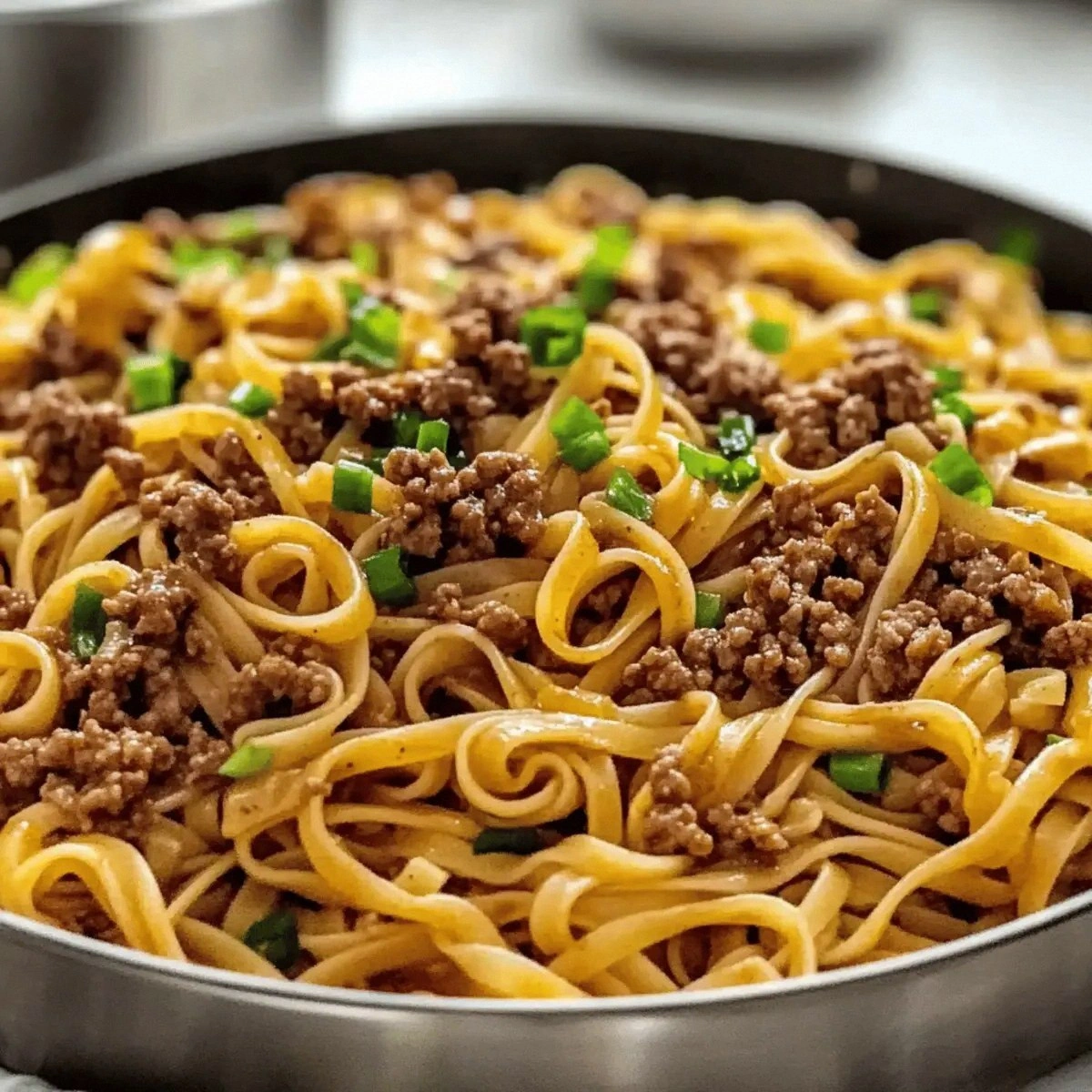
Reduce the heat to low and add the cooked noodles to the skillet, tossing them gently to coat. If the sauce looks too thick, gradually add the reserved pasta water—about ¼ cup at a time—until you achieve a silky coating that clings to each strand without drowning them. This is the moment of truth; the noodles should look glossy, each strand wrapped in that savory glaze.
Finally, stir in the chopped green onions (2 tbsp) for a burst of fresh color and a subtle bite. Let everything sit for another minute, allowing the flavors to meld. Give the dish a final taste—if you feel a missing spark, a pinch of extra red pepper flakes can bring the heat back to life.
Plate the noodles hot, letting the steam rise like a fragrant cloud. Serve immediately, perhaps with a side of crisp Asian slaw or a simple cucumber salad. And now the fun part: dig in and watch your friends' faces light up. That sizzle when it hits the pan? Absolute perfection.
Insider Tricks for Flawless Results
The Temperature Rule Nobody Follows
Keep the skillet hot enough to sear the beef, but not so hot that the sauce scorches. A medium‑high setting works best; if the sauce starts to smoke, lower the heat immediately. I once tried to rush the process on high flame and ended up with a burnt taste that no amount of seasoning could fix.
Why Your Nose Knows Best
Before you taste, trust your nose. The aroma of ginger and garlic should be bright and inviting; if it smells flat, the spices likely need a quick boost. A quick tip: add a pinch more ginger at the end for that final aromatic punch.
The 5‑Minute Rest That Changes Everything
After tossing the noodles with the sauce, let the dish rest off the heat for five minutes. This pause lets the starches re‑absorb the sauce, creating a cohesive mouthfeel. I’ve seen people serve immediately and get a watery plate; the rest period prevents that.
Oil‑Infused Noodles for Extra Silk
A drizzle of toasted sesame oil right before serving adds a nutty depth that elevates the dish from good to unforgettable. Use it sparingly; a little goes a long way.
Seasoning Layers, Not One Big Dump
Season at each stage—salt the water for the pasta, season the beef while browning, and finish with a final sprinkle of pepper. This layering builds complexity and prevents a flat final taste.
Creative Twists and Variations
This recipe is a playground. Here are some of my favorite ways to switch things up:
Spicy Szechuan Spin
Swap the red pepper flakes for 1 tsp Szechuan peppercorn powder and add a dash of chili oil. The result is a tongue‑tingling, numbing heat that pairs beautifully with the sweet hoisin base.
Veggie‑Loaded Version
Replace half the ground beef with diced shiitake mushrooms and shredded carrots. The mushrooms add umami depth while the carrots bring a subtle sweetness and crunch.
Gluten‑Free Freedom
Use rice noodles or gluten‑free spaghetti and substitute soy sauce with tamari. The flavors stay true, and you won’t miss the wheat at all.
Thai Fusion
Introduce 1 tbsp Thai fish sauce and a splash of lime juice at the end. The bright acidity lifts the dish, creating a cross‑cultural delight.
Breakfast Remix
Top the noodles with a fried egg and a drizzle of sriracha. The runny yolk becomes a luscious sauce that mingles with the existing glaze, turning dinner into brunch.
Cheesy Finish
Stir in a handful of grated Parmesan just before plating. The cheese adds a creamy umami layer that makes the dish feel indulgent.
Storing and Bringing It Back to Life
Fridge Storage
Allow the noodles to cool to room temperature, then transfer them to an airtight container. Store in the refrigerator for up to three days. When reheating, add a splash of water or broth and gently stir over low heat to restore the sauce’s silkiness.
Freezer Friendly
Portion the cooked noodles and sauce into freezer‑safe bags, removing as much air as possible. Freeze for up to two months. To reheat, thaw overnight in the fridge, then warm in a skillet with a bit of broth, stirring until glossy.
Best Reheating Method
The stovetop method wins every time: heat a non‑stick pan over medium heat, add the noodles, and drizzle a tablespoon of water or broth. Cover for a minute, then uncover and toss until the sauce clings again. This technique revives the texture without turning the noodles mushy.