
Pad Thai
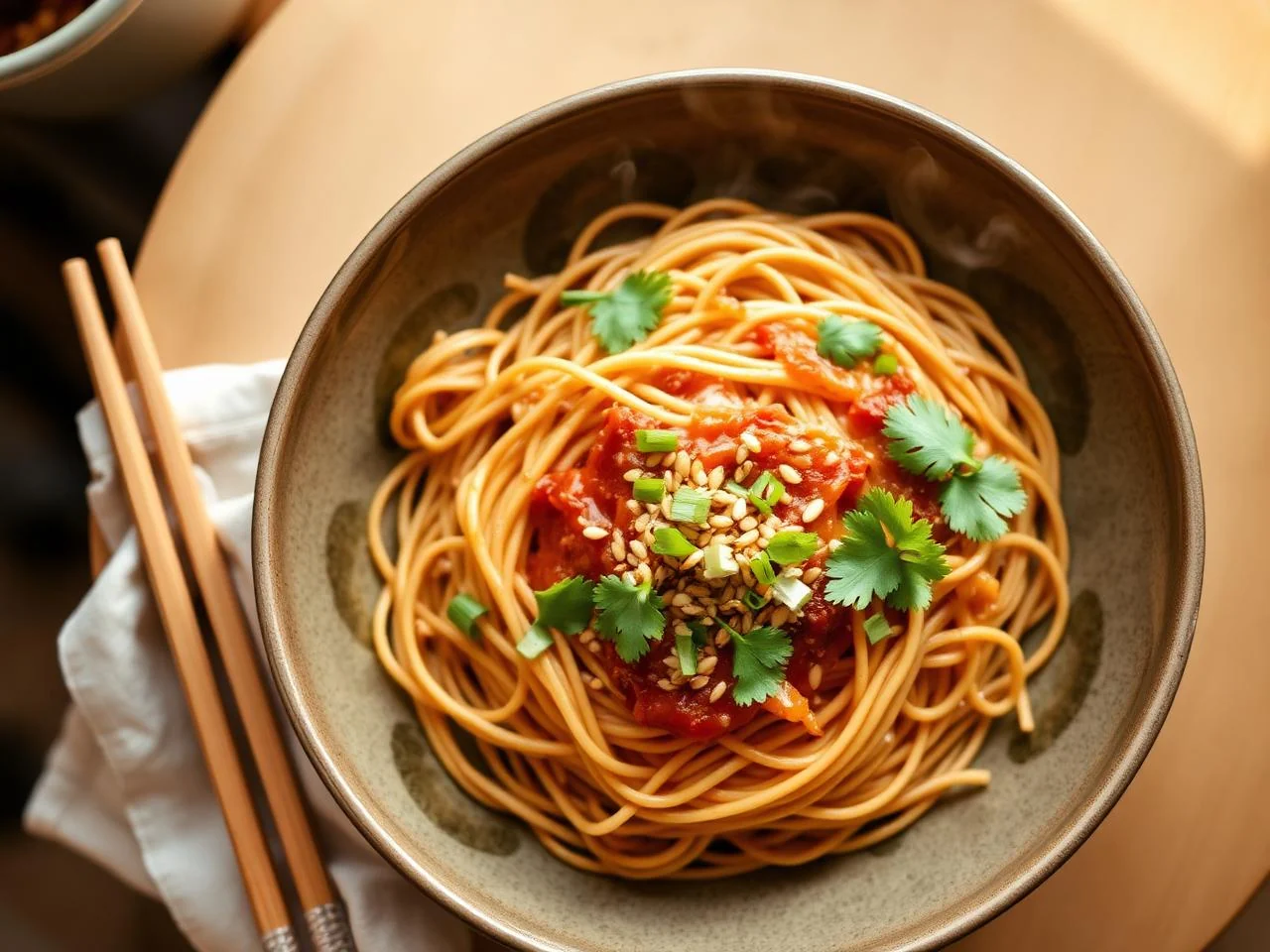
As a home cook, I've always been fascinated by the art of creating takeout-style Asian dishes in my own kitchen. One of my favorite recipes to make is Pad Thai, a classic Thai stir-fry made with rice noodles, shrimp, and a variety of vegetables. What I love about this dish is its perfect balance of sweet, sour, and savory flavors, which is achieved through the use of a combination of soy sauce, tamarind paste, and palm sugar.
In this recipe, I'll show you how to make authentic Pad Thai at home, using ingredients that are easily accessible at most Asian markets or well-stocked supermarkets. From the preparation of the ingredients to the final stir-fry, I'll guide you through each step of the process, so you can enjoy this delicious dish in the comfort of your own home.
Pad Thai is a great dish to make for a weeknight dinner or a special occasion, as it's relatively quick and easy to prepare. You can also customize the recipe to suit your tastes by adding your favorite protein or vegetables. Whether you're a seasoned cook or a beginner, this recipe is sure to become a staple in your kitchen.
So, let's get started and explore the world of Pad Thai together! With its rich flavors and textures, this dish is sure to become a favorite in your household. In the following sections, I'll share with you my tips and techniques for making the perfect Pad Thai, from the preparation of the ingredients to the final presentation.
One of the key elements of a great Pad Thai is the quality of the ingredients. Fresh rice noodles, succulent shrimp, and a variety of colorful vegetables all come together to create a dish that is both nutritious and delicious. In the next section, I'll discuss the importance of each ingredient and provide you with some tips on how to select the best ones for your recipe.
Why You’ll Love This Recipe
- This recipe is easy to make and requires minimal ingredients.
- It's a great way to enjoy a delicious and authentic Thai dish in the comfort of your own home.
- The dish is highly customizable, so you can add your favorite protein or vegetables to suit your tastes.
- It's a quick and easy meal to prepare, making it perfect for weeknights or special occasions.
- The combination of sweet, sour, and savory flavors is sure to please even the pickiest of eaters.
- The dish is relatively healthy, as it's made with fresh vegetables and lean protein.
- It's a great way to explore the flavors and ingredients of Thai cuisine.
Why This Recipe Works
The key to a great Pad Thai is in the balance of flavors and textures. The combination of sweet, sour, and savory flavors is achieved through the use of a variety of ingredients, including tamarind paste, palm sugar, and fish sauce. The textures of the dish, from the soft rice noodles to the crunchy vegetables, are also important, as they add depth and interest to the dish.
Another important aspect of Pad Thai is the cooking technique. Stir-frying is a quick and easy way to cook the ingredients, and it helps to preserve the textures and flavors of the dish. By cooking the ingredients quickly over high heat, we can achieve a nice caramelization on the noodles and vegetables, which adds to the overall flavor and texture of the dish.
Finally, the presentation of the dish is also important. A beautifully presented Pad Thai can make all the difference in the dining experience. By garnishing the dish with fresh herbs and serving it with a wedge of lime, we can add a pop of color and freshness to the dish, making it more appealing to the eye and the palate.
Ingredients You’ll Need
To make this recipe, you'll need a variety of ingredients, including rice noodles, shrimp, vegetables, and a combination of sauces and seasonings. In the following list, I'll provide you with the exact quantities and descriptions of each ingredient, as well as some tips on how to select the best ones for your recipe.
When shopping for ingredients, be sure to visit an Asian market or a well-stocked supermarket, as they will carry a wide selection of the ingredients you need. If you can't find a particular ingredient, don't worry - I'll provide you with some substitutions and alternatives in the following sections.
- 1 lb (450g) large shrimp, peeled and deveinedFresh or frozen shrimp work well for this recipe. If using frozen, thaw according to package instructions.
- 1 cup (115g) rice noodlesLook for fresh rice noodles at an Asian market or in the international section of a well-stocked supermarket. If using dried noodles, cook according to package instructions.
- 2 tablespoons vegetable oilAny neutral-tasting oil, such as canola or peanut oil, works well for this recipe.
- 1 onion, thinly slicedAny variety of onion works well, but sweet onions like Vidalia or Maui are preferred for their mild flavor.
- 2 cloves garlic, mincedFresh garlic is essential for this recipe, as it adds a pungent flavor and aroma.
- 1 cup (115g) mixed vegetables, such as bean sprouts, carrots, and green onionsUse a variety of colorful vegetables to add texture and visual interest to the dish.
- 2 tablespoons tamarind pasteTamarind paste is a key ingredient in Pad Thai, adding a sour and slightly sweet flavor to the dish. Look for it at an Asian market or online.
- 2 tablespoons fish sauceFish sauce is a salty and umami-rich condiment that adds depth to the dish. Use a high-quality fish sauce for the best flavor.
- 1 tablespoon palm sugarPalm sugar is a type of sugar made from the sap of palm trees. It adds a rich, caramel-like flavor to the dish. If you can't find palm sugar, brown sugar is a good substitute.
- 1 teaspoon ground white pepperWhite pepper is preferred for its mild flavor and aroma, but black pepper works well too.
- Salt and pepper to taste
Equipment You’ll Need
How to Make Pad Thai
- 1Prepare the ingredients by slicing the onion, mincing the garlic, and chopping the mixed vegetables.
- 2Cook the rice noodles according to package instructions and set aside.
- 3Heat 1 tablespoon of vegetable oil in a large skillet or wok over medium-high heat until it reaches 350°F (175°C).
- 4Add the shrimp to the skillet and cook until they are pink and just cooked through, about 2-3 minutes per side.
- 5Remove the shrimp from the skillet and set aside.
- 6Add the remaining 1 tablespoon of vegetable oil to the skillet and swirl it around to coat the bottom.
- 7Add the sliced onion to the skillet and cook until it is translucent and starting to caramelize, about 3-4 minutes.
- 8Add the minced garlic to the skillet and cook for 1 minute, until fragrant.
- 9Add the mixed vegetables to the skillet and cook until they are tender-crisp, about 2-3 minutes.
- 10Add the cooked noodles, tamarind paste, fish sauce, palm sugar, and white pepper to the skillet. Stir-fry for 2-3 minutes, until the noodles are well coated with the sauce and the vegetables are tender.
- 11Return the cooked shrimp to the skillet and stir-fry for an additional 1-2 minutes, until the shrimp are well coated with the sauce.
- 12Taste and adjust the seasoning with salt and pepper as needed.
- 13Transfer the Pad Thai to a serving platter and garnish with fresh herbs, such as basil or mint.
Expert Tips
- Use high-quality ingredients, such as fresh shrimp and vegetables, to ensure the best flavor and texture.
- Don't overcook the noodles or the vegetables, as they can become mushy and unappetizing.
- Adjust the amount of tamarind paste and fish sauce to taste, as some people prefer a stronger or milder flavor.
- Add other protein sources, such as chicken or tofu, to make the dish more substantial.
- Experiment with different types of vegetables, such as bell peppers or mushrooms, to add variety to the dish.
- Serve the Pad Thai immediately, as it is best enjoyed fresh and hot.
Common Mistakes to Avoid
- Overcooking the noodles or the vegetables, which can make them mushy and unappetizing.
- Not using high-quality ingredients, which can affect the flavor and texture of the dish.
- Not adjusting the seasoning to taste, which can result in a dish that is too salty or too sweet.
- Not stir-frying the ingredients quickly and constantly, which can cause them to burn or become unevenly cooked.
- Not serving the dish immediately, which can cause the noodles to become soggy and the flavors to meld together unevenly.
Variations and Substitutions
- Add other protein sources, such as chicken or tofu, to make the dish more substantial.
- Experiment with different types of vegetables, such as bell peppers or mushrooms, to add variety to the dish.
- Use different types of noodles, such as rice stick noodles or egg noodles, to change the texture of the dish.
- Add a spicy kick to the dish by incorporating chili peppers or sriracha sauce.
- Make the dish more substantial by adding cooked eggs or bean sprouts.
- Use a combination of tamarind paste and fish sauce to create a more complex and nuanced flavor profile.
What to Serve With Pad Thai
Pad Thai is a versatile dish that can be served in a variety of ways. It's great as a main course, served with a side of steamed vegetables or a salad. It's also a great option for a quick and easy lunch or dinner, served with a side of fruit or a simple green salad.
Some other ideas for serving Pad Thai include adding it to a buffet or serving it as a snack or appetizer. You can also customize the dish to suit your tastes by adding your favorite protein or vegetables.
Make-Ahead, Storage, Freezing and Reheating
Pad Thai can be stored in the refrigerator for up to 3 days or frozen for up to 2 months. To store the dish, cool it to room temperature, then transfer it to an airtight container and refrigerate or freeze.
To reheat the dish, simply microwave it or stir-fry it in a skillet with a little bit of oil until it's hot and steaming. You can also add a little bit of water or broth to the dish if it becomes too dry.
Some tips for storing and reheating Pad Thai include using airtight containers to prevent the dish from becoming soggy or developing off-flavors. You can also add a little bit of fresh herbs or spices to the dish when reheating it to give it a fresh and vibrant flavor.
Another option for storing Pad Thai is to cook the noodles and the sauce separately, then combine them just before serving. This can help to prevent the noodles from becoming soggy and the sauce from becoming too thick.
Frequently Asked Questions
What is the best type of noodle to use for Pad Thai?
The best type of noodle to use for Pad Thai is rice noodles, which are made from rice flour and water. They are light and delicate, with a slightly chewy texture that pairs well with the sweet and sour flavors of the dish.
Can I use frozen shrimp for this recipe?
Yes, you can use frozen shrimp for this recipe. Simply thaw the shrimp according to package instructions, then pat them dry with paper towels before using them in the recipe.
How do I adjust the seasoning to taste?
To adjust the seasoning to taste, simply add a little bit of salt, pepper, or fish sauce to the dish and stir-fry for a few seconds. Taste the dish and adjust the seasoning as needed, until it reaches the desired level of flavor.
Can I make this recipe vegetarian or vegan?
Yes, you can make this recipe vegetarian or vegan by substituting the shrimp with tofu or tempeh and using a vegan-friendly fish sauce substitute. You can also add other protein sources, such as seitan or textured vegetable protein, to make the dish more substantial.
How do I store and reheat the dish?
To store the dish, cool it to room temperature, then transfer it to an airtight container and refrigerate or freeze. To reheat the dish, simply microwave it or stir-fry it in a skillet with a little bit of oil until it's hot and steaming.
Can I customize the recipe to suit my tastes?
Yes, you can customize the recipe to suit your tastes by adding your favorite protein or vegetables. Some other ideas for customizing the dish include adding a spicy kick with chili peppers or sriracha sauce, or using different types of noodles or sauces to change the texture and flavor of the dish.
What is the best way to serve the dish?
The best way to serve the dish is to serve it immediately, as it is best enjoyed fresh and hot. You can also customize the dish to suit your tastes by adding your favorite protein or vegetables, or by serving it with a side of steamed vegetables or a salad.
Can I make the dish ahead of time?
Yes, you can make the dish ahead of time by cooking the noodles and the sauce separately, then combining them just before serving. This can help to prevent the noodles from becoming soggy and the sauce from becoming too thick.
Ingredients
- 1 lb (450g) large shrimp, peeled and deveined
- 1 cup (115g) rice noodles
- 2 tablespoons vegetable oil
- 1 onion, thinly sliced
- 2 cloves garlic, minced
- 1 cup (115g) mixed vegetables, such as bean sprouts, carrots, and green onions
- 2 tablespoons tamarind paste
- 2 tablespoons fish sauce
- 1 tablespoon palm sugar
- 1 teaspoon ground white pepper
- Salt and pepper to taste
Instructions
- Prepare the ingredients by slicing the onion, mincing the garlic, and chopping the mixed vegetables.
- Cook the rice noodles according to package instructions and set aside.
- Heat 1 tablespoon of vegetable oil in a large skillet or wok over medium-high heat until it reaches 350°F (175°C).
- Add the shrimp to the skillet and cook until they are pink and just cooked through, about 2-3 minutes per side.
- Remove the shrimp from the skillet and set aside.
- Add the remaining 1 tablespoon of vegetable oil to the skillet and swirl it around to coat the bottom.
- Add the sliced onion to the skillet and cook until it is translucent and starting to caramelize, about 3-4 minutes.
- Add the minced garlic to the skillet and cook for 1 minute, until fragrant.
- Add the mixed vegetables to the skillet and cook until they are tender-crisp, about 2-3 minutes.
- Add the cooked noodles, tamarind paste, fish sauce, palm sugar, and white pepper to the skillet. Stir-fry for 2-3 minutes, until the noodles are well coated with the sauce and the vegetables are tender.
- Return the cooked shrimp to the skillet and stir-fry for an additional 1-2 minutes, until the shrimp are well coated with the sauce.
- Taste and adjust the seasoning with salt and pepper as needed.
- Transfer the Pad Thai to a serving platter and garnish with fresh herbs, such as basil or mint.