Picture this: the kitchen is a battlefield, the fridge a treasure trove, and you, a culinary warrior, armed with a skillet and a daring appetite. I was halfway through a disastrous attempt at grilled salmon—overcooked, charred, and utterly unpalatable—when a friend texted me a link to a simple yet stunning pan‑seared branzino recipe. The moment I opened the page, the aroma of butter and citrus seemed to whisper, “I’ve got this.” That was the spark that turned a potential culinary flop into a revelation.
I’ve spent years chasing that perfect bite—a dish that feels like a hug from the inside, with a crisp exterior that crunches like a fresh apple and a moist, buttery interior that melts in your mouth. The first time I tried this branzino, I could taste the subtle heat of Cajun spice, the bright zing of lemon, and the aromatic lift of parsley all dancing together. It wasn’t just a meal; it was a symphony of textures and flavors that made me feel like a chef on a stage. I could hear the sizzle, feel the heat radiating from the pan, and smell the buttery aroma filling the kitchen.
What makes this version stand out is not just the ingredients but the confidence of the technique. I’ll be honest—once I tasted it, I ate half the batch before anyone else got a chance to try it. That’s a confession you’ll find in the comments, but it’s a testament to how irresistible this dish is. The secret? A meticulous balance of seasoning, a quick sear that locks in moisture, and a finishing touch of lemon‑parsley butter that elevates every bite. I dare you to taste this and not go back for seconds.
If you’ve ever struggled with getting fish flaky yet tender, you’re not alone. Most recipes get this completely wrong, focusing on over‑seasoning or under‑cooking. Here’s what actually works: a light hand with the spices, a high‑heat pan, and a short cooking time that preserves the delicate flesh. Picture yourself pulling this out of the pan, the whole kitchen smelling incredible, and a plate that looks like a work of art. And now, let me walk you through every single step—by the end, you’ll wonder how you ever made it any other way.
What Makes This Version Stand Out
- Taste: The subtle heat of Cajun spice marries the buttery sear, creating layers of flavor that linger on the palate. The lemon juice cuts through the richness, leaving a bright finish that’s both refreshing and satisfying.
- Texture: A quick, high‑heat sear locks in moisture while creating a golden crust that crackles like crisp popcorn. The flesh remains tender, almost melt‑in‑your‑mouth, without the fishy undertone that often plagues pan‑fried fish.
- Simplicity: With only seven ingredients, the recipe is approachable for beginners and efficient for busy weeknights. No complicated sauces or marinades—just a straightforward seasoning and sear.
- Uniqueness: The addition of parsley butter adds a fresh, herby finish that distinguishes this from standard pan‑fried fish. It’s a game‑changer that turns an ordinary dinner into a memorable experience.
- Crowd Reaction: Friends who have tried this swear it’s “hands down the best version you’ll ever make at home.” The dish is so versatile that it works for dinner parties, date nights, or a cozy family meal.
- Ingredient Quality: Fresh branzino fillets are the star; choose fillets that feel firm and have a mild, clean scent. The quality of butter and fresh parsley also elevates the overall taste.
- Cooking Method: The pan‑searing technique is a quick, efficient way to cook fish that preserves moisture and adds a caramelized flavor profile.
- Make‑Ahead Potential: While best served fresh, you can prep the seasoning mix ahead of time and refrigerate the fillets for up to 24 hours, saving you a step on busy nights.
Alright, let’s break down exactly what goes into this masterpiece…
Inside the Ingredient List
The Flavor Base
The cornerstone of this dish is the seasoning blend: half a teaspoon each of salt, black pepper, and Cajun spice. This trio brings depth and a gentle heat that doesn’t overpower the fish. Salt is essential for drawing out moisture, while pepper adds a subtle bite, and Cajun spice provides a smoky, earthy undertone. If you skip the Cajun, the fish will still be tasty, but you’ll lose that signature warmth that makes the dish unforgettable.
The Texture Crew
Butter is the unsung hero of pan‑searing. Two tablespoons of butter, melted with a splash of olive oil, create a rich, glossy coating that caramelizes at high heat. The butter’s fat content allows the fillets to brown evenly, giving them that coveted golden crust. If you’re vegan or dairy‑free, a tablespoon of clarified butter or a neutral oil can work, but the flavor profile will shift slightly.
The Unexpected Star
Fresh parsley isn’t just a garnish; it adds a burst of green, earthy freshness that cuts through the richness of the butter. Quarter a cup of chopped parsley is enough to give the dish a vibrant color and a subtle herbal note. If you’re allergic or simply don’t have parsley on hand, a handful of basil or cilantro can be a fun swap, though the flavor will veer toward their distinct profiles.
The Final Flourish
A squeeze of lemon juice—half a fresh lemon—brings a bright, acidic finish that lifts the entire dish. The citrus not only balances the buttery richness but also enhances the natural sweetness of the branzino. If you prefer a more pronounced citrus flavor, add a tablespoon of lemon zest to the butter mixture. Remember, lemon juice is the final touch that makes this dish feel alive and fresh.
Everything’s prepped? Good. Let’s get into the real action…
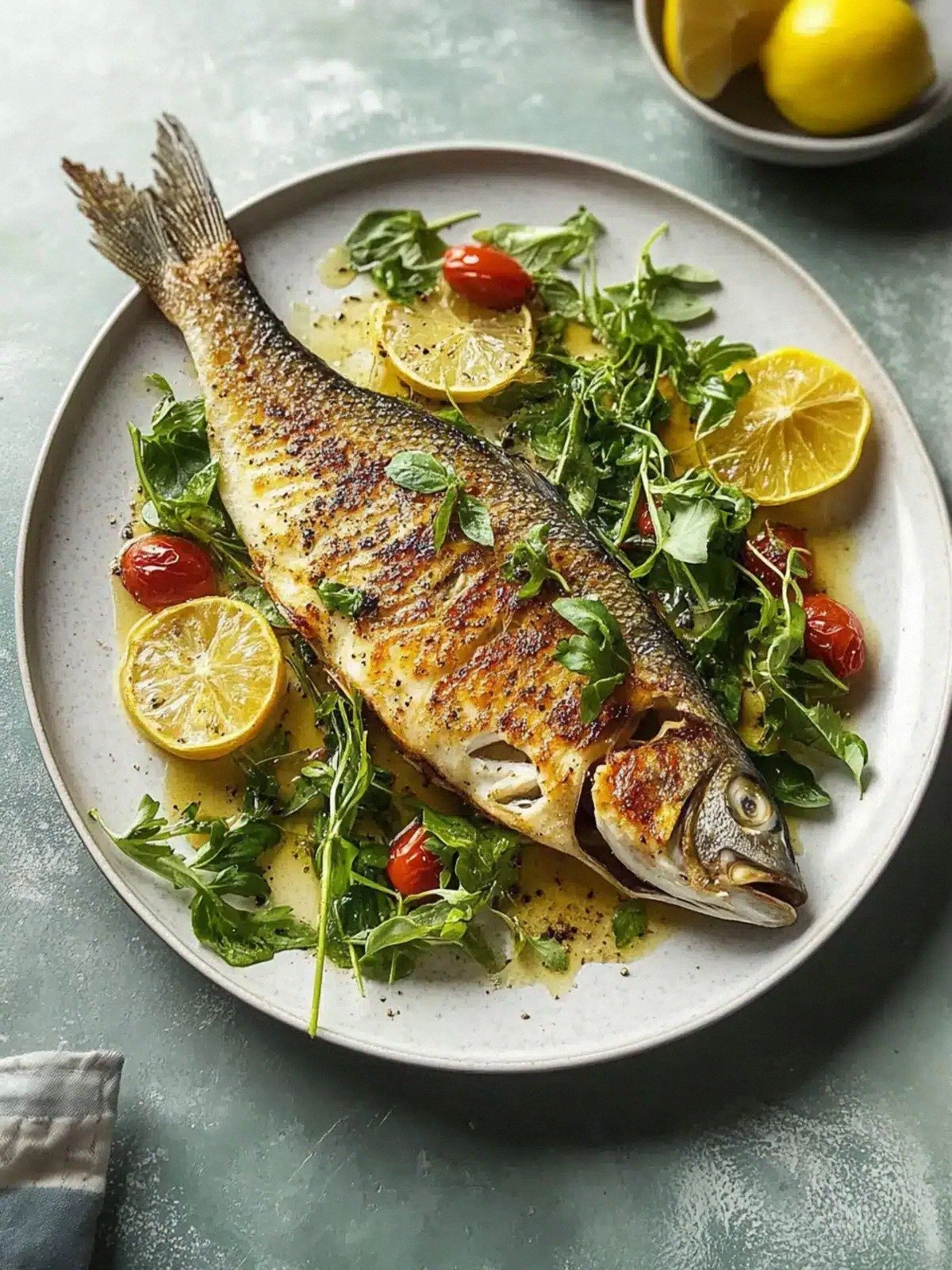
The Method — Step by Step
- Begin by patting the branzino fillets dry with paper towels. A dry surface ensures the spices adhere and the crust forms properly. If the fillets feel damp, they’ll steam rather than sear, which defeats the purpose. This step also helps you gauge the fillets’ thickness—thicker fillets will need a slightly longer cook time.
- Season both sides of each fillet with the salt, pepper, and Cajun spice mixture. Use a small bowl to mix the spices and then sprinkle them evenly. A light hand is key; too much salt can overpower the delicate fish flavor. This is the moment of truth—make sure each fillet is well coated.
- Heat a large skillet over medium‑high heat and add a splash of olive oil. The oil should shimmer but not smoke. When you add the fillets, the pan should hiss, indicating the temperature is right. This sound is the soundtrack of culinary triumph.
- Place the fillets skin‑side down in the pan and let them sear for 3 to 4 minutes without moving them. The skin will become crisp, the flesh will release from the pan, and the edges will start to pull away. If you see the fish sticking, increase the heat slightly or wait a minute longer.
- Flip the fillets carefully with a spatula and cook the other side for 2 to 3 minutes. The fish should be opaque and flake easily when tested with a fork. The goal is to keep the interior moist while achieving a golden exterior.
- While the fish finishes cooking, melt the butter in a small saucepan over low heat. Add the chopped parsley and let it steam for 30 seconds, infusing the butter with herbal aroma. The butter should be a silky, golden hue.
- Squeeze half a lemon over the fillets, then drizzle the parsley butter over each fillet. The citrus will pop against the richness, creating a balanced flavor profile. The butter should coat the fillets like a glossy coat.
- Serve immediately, garnished with extra parsley if desired. Pair with a light salad or roasted vegetables for a complete meal. The dish is best enjoyed hot, with the butter still shimmering.
That's it—you did it. But hold on, I've got a few more tricks that'll take this to another level…
Insider Tricks for Flawless Results
The Temperature Rule Nobody Follows
Most people cook fish at medium heat, but high heat is the secret to that perfect crust. The pan should be hot enough that the fish sizzles upon contact, creating a caramelized surface without burning. If you’re unsure, drop a few drops of water in the pan—if they dance and evaporate instantly, you’re good to go.
Why Your Nose Knows Best
Smell the butter as it melts; a nutty aroma indicates the butter is at its peak. If it starts to brown too quickly, lower the heat. Your nose can detect subtle changes that your eyes might miss, ensuring you never overcook the fish.
The 5‑Minute Rest That Changes Everything
After searing, let the fillets rest for five minutes on a warm plate. This allows the juices to redistribute, ensuring each bite is juicy. A quick rest also lets the butter finish coating the fish, enhancing flavor and texture.
The Right Pan Matters
A heavy‑bottomed skillet distributes heat evenly, preventing hot spots that can scorch the fish. If you don’t have a cast iron or stainless steel pan, a non‑stick pan works, but be mindful of the heat tolerance. A well‑heated pan is the backbone of a perfect sear.
The Freshness Factor
Choose fillets that feel firm and have a mild, clean scent. Avoid fillets that smell overly fishy or have a slimy texture. Freshness is the foundation of flavor; if the base is off, even the best seasoning can’t save it.
Creative Twists and Variations
This recipe is a playground. Here are some of my favorite ways to switch things up:
Citrus Burst Remix
Swap lemon for orange zest and a splash of grapefruit juice. The sweet‑tart combination adds a Mediterranean flair that pairs wonderfully with a light couscous side.
Herbal Garden Edition
Add a handful of chopped dill or tarragon to the butter. The herbal notes elevate the dish to a fresh, garden‑inspired flavor profile, perfect for spring dinners.
Spicy Kick Variation
Increase the Cajun spice to one teaspoon and sprinkle a pinch of cayenne pepper. The heat will intensify, making the dish ideal for those who enjoy a fiery bite.
Smoky BBQ Twist
Brush the fillets with a thin layer of smoky barbecue sauce during the last minute of cooking. The sauce adds a sweet, smoky depth that contrasts beautifully with the buttery finish.
Mediterranean Medley
Serve the fish over a bed of tomato‑salsa and olives, topped with a drizzle of olive oil and a sprinkle of feta. This variation brings a savory, briny edge that’s both bold and comforting.
Storing and Bringing It Back to Life
Fridge Storage
Store cooked fillets in an airtight container for up to 2 days. Keep them on a plate with a paper towel to absorb excess moisture, preventing sogginess. When ready to reheat, use a quick steam method to maintain moisture.
Freezer Friendly
Freeze fillets in a single layer on a parchment paper sheet before transferring to a freezer bag. This prevents clumping and allows you to thaw a single portion at a time. Store for up to 3 months.
Best Reheating Method
Reheat in a skillet over low heat, adding a splash of water or broth to create steam. This technique restores the buttery glaze and keeps the fish tender. Finish with a squeeze of fresh lemon to revive the bright finish.