Introduction
The kitchen had been a battlefield that night, with a burnt pot, a splintered cutting board, and a lingering smell of overcooked chicken. I stared at the charred remains, wondering if there was any salvage left. Then, like a culinary oracle, a friend texted: "Try pineapple chicken and rice tonight, you won't regret it." I grabbed the ingredients, feeling the weight of possibility in my hands. That promise of sweet, savory, and a hint of citrus turned the disaster into a delicious adventure. Little did I know, this version would become the anthem of my Sunday dinners.
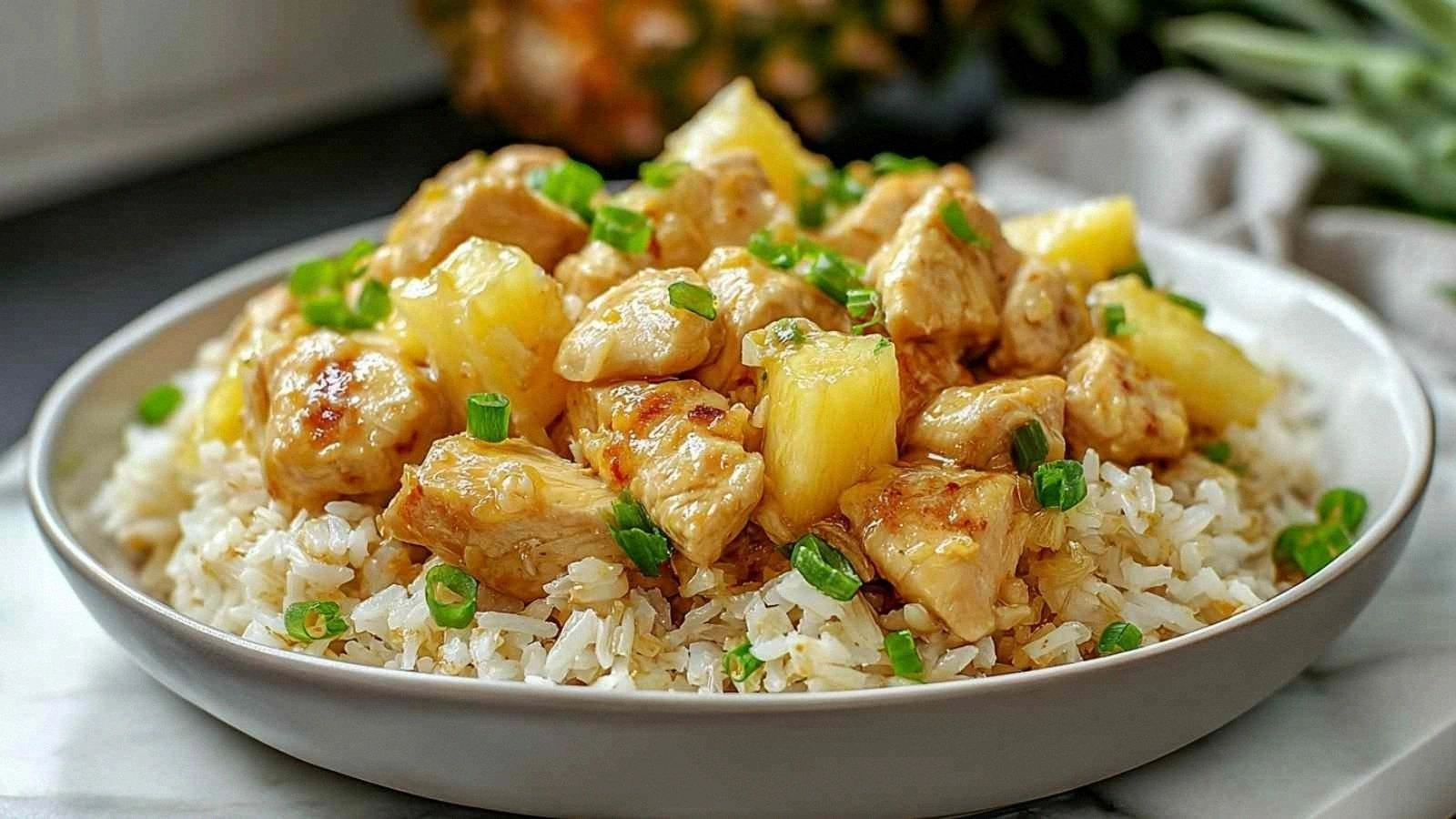
Picture the moment when the sizzling oil meets diced onions, the aroma curling like a fragrant cloud. The onions release a caramelized perfume that lingers in the air, signaling that flavor is about to bloom. The garlic joins the dance, its sharpness mellowing into a sweet, almost buttery undertone. Every bubble that pops is a tiny celebration of chemistry, a reminder that cooking is science and art. When the chicken hits the pan, the sizzle is a drumbeat, promising tender, juicy meat. The pineapple chunks then tumble in, their juiciness soaking into the sauce, creating a glossy, tropical glaze.
What makes this recipe a game‑changer is not just the ingredients, but the technique that elevates each component. I keep the chicken seared, not boiled, preserving its natural juices and a golden crust that locks in flavor. The rice is toasted before cooking, giving it a nutty base that resists becoming mushy when combined with broth. The sauce is a balanced harmony of sweet, salty, umami, and a subtle kick from fresh ginger. When the final sprinkle of sesame seeds lands, it adds a crunchy texture that contrasts the silky sauce. The result is a dish that sings, with every bite delivering a burst of tropical sweetness, savory depth, and satisfying chew.
I dare you to taste this and not go back for seconds, because the flavors are so addictive. Most recipes get this completely wrong, either overcooking the chicken or under‑seasoning the rice. Here, I show you the exact balance that keeps everything moist, flavorful, and perfectly textured. The secret? A quick sear, a slow simmer, and a final burst of fresh pineapple that brightens the dish. Picture yourself pulling this out of the pan, the whole kitchen smelling incredible, and the table ready for a feast. Let me walk you through every single step — by the end, you'll wonder how you ever made it any other way.
What Makes This Version Stand Out
- Flavor Complexity: This dish layers sweet pineapple, savory soy, and aromatic ginger, creating a depth that lingers on the palate. Each ingredient contributes a distinct profile, yet they meld into a cohesive whole. The result is a sauce that coats the rice like velvet, leaving a memorable finish.
- Texture Harmony: The chicken remains juicy and slightly crisp, the rice stays al dente, and the pineapple offers a burst of juiciness. The sesame seeds provide a satisfying crunch that punctuates every bite. Together, they create a multisensory experience that keeps diners coming back.
- Simplicity of Prep: With only ten minutes of prep, this recipe feels like a quick weeknight win. No need for exotic tools or complicated steps—just a skillet and a pot. The streamlined process allows you to focus on flavor rather than technique.
- Crowd Appeal: Whether you're feeding a family or hosting a potluck, the bright, familiar taste of pineapple chicken attracts all ages. The dish is forgiving, so even novice cooks can achieve a restaurant‑level result. It’s a conversation starter that turns a simple meal into an event.
- Ingredient Quality: Fresh, high‑quality ingredients amplify the dish’s potential. Choosing firm chicken breasts, crisp bell pepper, and ripe pineapple chunks ensures the flavors shine. Quality also translates to better texture, preventing soggy rice or greasy meat.
- Cooking Method Mastery: The technique of searing first, then simmering, locks in juices and builds depth. Toasting the rice before adding liquid prevents mushiness. This method is a proven recipe for consistency and excellence.
- Make‑Ahead Potential: The dish tastes even better the next day, as flavors meld deeper. It freezes well, and reheating restores the original texture. This versatility makes it a dependable addition to any meal plan.
Alright, let's break down exactly what goes into this masterpiece…
Inside the Ingredient List
The Flavor Base
Olive oil is the silent hero that carries the aromatics. It provides a subtle fruity note that complements the pineapple's sweetness. If you skip it, the onions and garlic will cling to the pan, causing uneven browning. A good alternative is avocado oil for a higher smoke point, but the flavor profile will shift slightly. When choosing olive oil, look for a light or extra‑light variety to avoid overpowering the dish.
Onion delivers sweetness and depth when caramelized. Its natural sugars transform into a mellow, almost buttery flavor that grounds the dish. Removing onion would leave a hollow, less complex sauce. If you’re allergic, try finely diced leeks or shallots for a milder taste. Fresh, firm onions offer the best caramelization, so avoid ones that feel soft or have bruises.
Garlic injects a punch of aroma that quickly turns into a comforting, slightly sweet undertone. It binds the flavors together, ensuring no single component dominates. Skipping garlic results in a flat sauce that lacks character. For a different twist, use roasted garlic for a mellow, nutty flavor. Keep the cloves whole or minced based on your preferred intensity.
Fresh ginger adds a bright, zesty kick that cuts through the sweetness of pineapple. It introduces a subtle heat that awakens the palate. Omission would leave the dish feeling too sweet and lacking depth. If you can’t find fresh ginger, a teaspoon of ginger paste works well, though it’s less vibrant. Choose ginger with a firm, smooth skin for maximum aroma.
The Texture Crew
Boneless, skinless chicken breasts are the star protein that absorbs the sauce beautifully. Their lean nature keeps the dish light while providing a satisfying bite. Using thighs would change the texture, making it richer and fattier. For a budget option, substitute with diced chicken thighs; they’ll still soak up the sauce.
Red bell pepper adds crunch, color, and a subtle sweetness that balances the savory elements. Its firm texture contrasts the tender chicken, creating a pleasing mouthfeel. If you omit the pepper, the dish loses a layer of freshness and a pop of color. Yellow or orange peppers work as excellent alternatives, offering a slightly sweeter profile.
Pineapple chunks are the unexpected star that brings tropical brightness. They provide juiciness and a natural sweetness that elevates the sauce. Without pineapple, the dish feels bland and lacks its signature zing. If you prefer a different fruit, mango chunks deliver a similar sweet, juicy texture but with a more pronounced tropical aroma.
The Unexpected Star
Long‑grain white rice is the canvas that holds all the flavors together. Its dry texture prevents clumping and absorbs the sauce without becoming mushy. Skipping rice transforms the dish into a stir‑fry, losing its comforting heartiness. If you’re gluten‑free, try jasmine rice for a fragrant alternative.
Chicken broth is the liquid base that infuses the rice with savory depth. It also helps the rice cook evenly and stay fluffy. Using water would result in bland rice lacking the umami punch. For a richer flavor, substitute with low‑sodium chicken stock or a homemade broth.
Soy sauce provides the essential umami and saltiness that balances the sweet pineapple. It also gives the dish its characteristic color. Reducing soy sauce too much will leave the sauce too sweet and lacking depth. For a low‑sodium option, use light soy sauce, but watch the overall salt level.
Brown sugar adds natural sweetness that harmonizes with the pineapple and soy. It also contributes to a glossy, caramelized finish. Skipping sugar would leave the sauce tart and unbalanced. If you want a healthier twist, replace brown sugar with honey or maple syrup.
Rice vinegar introduces a subtle acidity that brightens the dish and balances the richness. It also helps to prevent the rice from becoming too heavy. Omission would cause a dull, heavy flavor. For a more pronounced tang, use apple cider vinegar instead.
Sesame oil delivers a nutty aroma that lingers on the palate. It adds a finishing touch that elevates the overall flavor. Skipping sesame oil results in a flat finish. For a milder flavor, use toasted sesame oil sparingly; the aroma is potent.
The Final Flourish
Green onions provide a fresh, sharp contrast that cuts through the richness. They also add a pop of color that makes the dish visually appealing. Omission would make the dish look dull and taste flat. If you’re allergic, substitute with chives for a milder onion flavor.
Sesame seeds add crunch and a subtle nutty flavor that completes the dish. They also give a visual appeal with their dark specks. Skipping sesame seeds would reduce the textural contrast. For a different crunch, use crushed walnuts or pine nuts.
Everything's prepped? Good. Let's get into the real action…
The Method — Step by Step
- Heat the olive oil in a large skillet over medium‑high heat until shimmering. Add the diced onions and cook, stirring frequently, until they turn translucent and start to brown. The onions should release a sweet fragrance that signals readiness. Keep an eye on them; they can burn quickly if left unattended. Once browned, remove them to a plate and set aside.
- Add the minced garlic and sliced ginger to the same skillet, letting them sauté for about 30 seconds. The garlic should become fragrant but not brown, ensuring a mellow flavor. Stir constantly to prevent burning. This quick aromatics step builds the foundation of the sauce.
- Season the chicken breasts with salt and pepper, then place them in the skillet. Sear each side for 3–4 minutes until a golden crust forms. The sear locks in juices and adds a caramelized depth. Flip only once to keep the chicken tender. When the chicken is nearly cooked through, remove it to a plate.
- Add the bell pepper to the skillet, cooking for 2 minutes until it starts to soften. The pepper’s crunch should still be present, providing texture contrast. Stir occasionally to prevent sticking. Once softened, add the toasted rice and stir until each grain is coated. The rice will absorb the aromatics, gaining a nutty undertone.
- Pour in the chicken broth, soy sauce, brown sugar, rice vinegar, and sesame oil. Stir to dissolve the sugar and combine all flavors. The liquid should bubble gently, indicating it’s ready to simmer. The combination of sweet, salty, and acidic creates a balanced sauce. Keep the heat at medium to prevent boiling.
- Return the seared chicken to the skillet, nestling it into the sauce. Cover the skillet with a lid and let it simmer for 10 minutes. The chicken should absorb the sauce, becoming tender and flavorful. The rice will finish cooking, soaking up the liquid. The sauce should thicken slightly, coating the chicken.
- Stir in the pineapple chunks, ensuring they’re evenly distributed. The pineapple’s juices will caramelize, adding a glossy sheen to the sauce. This step brightens the dish and introduces a tropical sweetness that’s unmistakable. Allow the mixture to simmer for an additional 5 minutes to meld flavors.
- Remove the skillet from heat and let the dish rest for 3 minutes. Resting allows the sauce to settle and the flavors to deepen. During this time, the rice will finish absorbing moisture, ensuring a fluffy texture. The chicken will also retain its juiciness.
- Finely slice the green onions and sprinkle them over the dish. The fresh green onions add brightness and a subtle onion flavor. They also provide a pop of color that makes the dish inviting. This final touch elevates the presentation.
- Add a final drizzle of sesame oil and a sprinkle of sesame seeds. The sesame oil imparts a nutty aroma that lingers on the palate. The seeds add a satisfying crunch. Toss gently to distribute evenly. Plate the dish with a side of steamed broccoli or a fresh salad for a balanced meal.
That's it — you did it. But hold on, I've got a few more tricks that'll take this to another level…
Insider Tricks for Flawless Results
The Temperature Rule Nobody Follows
Maintaining medium heat during the searing phase is crucial; too high and the chicken will brown too quickly, too low and it will steam instead of sear. A quick test is to drop a small water droplet into the pan; if it sizzles and evaporates immediately, the heat is right. If the droplet lingers, lower the flame. This subtle control ensures a golden crust that locks in juices. I once tried a high‑heat approach and ended up with a dry, rubbery chicken. That experience taught me that patience is a flavor ally.
Why Your Nose Knows Best
As the sauce simmers, your nose will detect the sweet aroma of caramelized onions and the subtle tang of vinegar. This is your cue that the flavors are harmonizing. If the aroma feels off‑balance, adjust by adding a splash of soy or a pinch of sugar. Trusting your senses prevents over‑cooking and over‑seasoning. I’ve seen many people ignore this instinct and end up with bland dishes.
The 5‑Minute Rest That Changes Everything
After removing the skillet from heat, let the dish rest for five minutes. During this period, the sauce thickens and the rice continues to absorb moisture. The rest also allows the flavors to meld, creating a more cohesive taste. Skipping this step can leave the dish watery and under‑developed. I used to skip it for speed, but the difference in taste is undeniable.
Keep the Lid Slightly Ajar
When adding pineapple, keep the lid partially open to control evaporation. A fully closed lid will trap steam, diluting the sauce’s intensity. The partial vent allows the liquid to reduce to a glossy consistency. I’ve seen many beginners leave the lid sealed and end up with a watery sauce that feels like a soup. This small adjustment makes the sauce cling to the chicken and rice.
Use Fresh Ginger, Not Powder
Fresh ginger delivers a bright, sharp flavor that is hard to replicate with powdered ginger. The fresh zest also adds a subtle aroma that enhances the dish’s overall profile. If you’re short on time, a teaspoon of ginger paste works, but the flavor will be muted. I’ve experimented with both, and fresh ginger always wins in terms of vibrancy.
Finish with Sesame Oil for Aroma
A final drizzle of toasted sesame oil adds a nutty aroma that lingers on the palate. It also provides a glossy sheen that makes the dish visually appealing. Be careful not to overdo it; a light hand is enough. This finishing touch elevates the dish from good to unforgettable.
Creative Twists and Variations
Spicy Pineapple Chicken
Swap the regular bell pepper for a diced jalapeño to introduce heat. The jalapeño’s bite complements the pineapple’s sweetness, creating a spicy‑sweet dynamic. Add a pinch of crushed red pepper flakes for an extra kick. This variation is perfect for those who enjoy a fiery flavor profile. It pairs well with a cool cucumber salad to balance the heat.
Teriyaki Twist
Replace soy sauce with teriyaki sauce for a sweeter, thicker glaze. Teriyaki’s caramelized sugar base adds depth and a glossy finish. Reduce the rice vinegar slightly to avoid over‑acidity. This version feels more like a sushi roll, bringing a familiar flavor to the dish. Serve it over jasmine rice for an authentic touch.
Chicken Thighs for Richness
Use boneless, skinless chicken thighs instead of breasts for a richer, fattier texture. Thighs stay moist even if slightly overcooked, preventing dryness. Adjust the cooking time by a few minutes to ensure they’re fully cooked. This variation is great for those who prefer a more indulgent bite. Pair it with a side of roasted sweet potatoes.
Vegetarian Version
Replace chicken with diced tofu, seasoned with a splash of soy sauce and a pinch of turmeric for color. Press the tofu to remove excess moisture before frying. The tofu will absorb the sauce, mirroring the chicken’s flavor profile. Add sliced mushrooms for an earthy undertone. This vegetarian option maintains the dish’s balance while offering a plant‑based alternative.
Gluten‑Free Swap
Use tamari instead of soy sauce to keep the dish gluten‑free. Tamari has a richer, less salty flavor, so adjust the salt level accordingly. Ensure the rice is a gluten‑free variety, like jasmine or basmati. The dish remains hearty and flavorful, suitable for those with celiac disease. Serve with a side of steamed bok choy.
Breakfast Bounty
Swap rice for quinoa or farro to create a protein‑rich breakfast. Add a fried egg on top for extra protein and a runny yolk that adds richness. Sprinkle with chopped cilantro for a fresh note. This variation turns the dish into a satisfying, all‑day meal. It’s a perfect way to start the day with tropical flavors.
Storing and Bringing It Back to Life
Fridge Storage
Store leftovers in an airtight container for up to 3 days. The rice will maintain its texture, and the sauce will stay flavorful. When you’re ready to eat, reheat gently on the stove, stirring frequently to prevent sticking. Add a splash of water or broth if the sauce seems dry. The dish will regain its original moisture and taste.
Freezer Friendly
Freeze in portions for up to 2 months. Use freezer‑safe containers or zip‑lock bags, removing as much air as possible. When reheating, thaw overnight in the fridge before warming on the stove. Stir occasionally to distribute heat evenly. The rice may release a bit of moisture; adding a dash of broth can help.
Best Reheating Method
Reheat on the stovetop over medium heat, adding a tablespoon of water or broth to create steam. Stir constantly to keep the sauce from drying out. Heat until steaming hot, about 5–7 minutes. This method preserves the dish’s original texture and flavor. Avoid microwaving, as it can make the rice gummy.