Picture this: it’s a rainy Saturday afternoon, the kind that makes you want to crawl under a blanket with a mug of something warm, but your stomach is growling like a freight train. I was in the middle of a disastrous attempt at a classic chocolate cake—dry, flat, and about as exciting as a lecture on tax law—when a friend dared me to “make something that actually looks like it belongs on a bakery window.” I accepted the challenge, rolled up my sleeves, and set out to create a cake that would make even the most stoic dessert critic swoon. The result? A decadent, velvety chocolate raspberry truffle cake that turned my kitchen into a chocolate‑scented sanctuary and, honestly, I ate half the batch before anyone else could even sniff it.
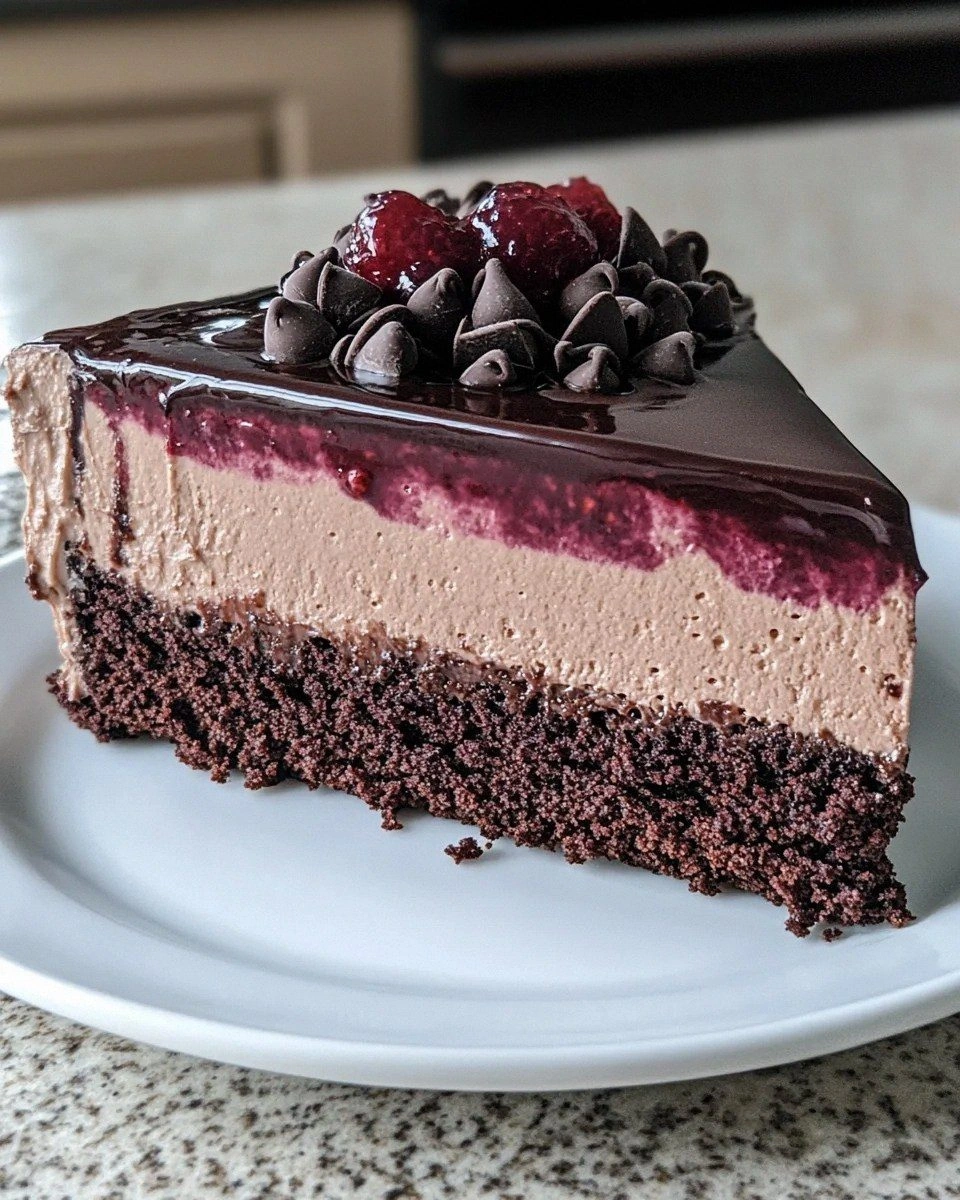
The moment I pulled the cake out of the oven, the whole house was hit with a perfume of rich cocoa and bright raspberry that felt like a hug from a long‑lost lover. The top was a glossy, crack‑free glaze that caught the light like a polished gemstone, while the interior revealed layers so moist they practically wept raspberry‑infused truffle ganache. The first bite was an explosion of dark chocolate depth, followed by a burst of tart raspberry that cut through the richness like a perfectly timed drum solo. I dare you to taste this and not go back for seconds; the balance is so spot‑on that your palate will thank you for the adventure.
What sets this version apart from every other chocolate‑raspberry cake you’ve ever seen is a handful of secret weapons I stumbled upon during a late‑night binge of culinary podcasts. First, I swapped regular cocoa powder for a high‑fat, Dutch‑process variety that gives the crumb an almost buttery texture. Second, I introduced a splash of sour cream, which adds a subtle tang that keeps the sweetness from becoming cloying. And finally, the ganache is a true truffle—dark chocolate melted into heavy cream and folded with a raspberry purée that’s been reduced to a jam‑like consistency. Most recipes get this completely wrong, either drowning the cake in sugar or forgetting to give the ganache that glossy sheen. Not this one.
Okay, ready for the game‑changer? I’m about to walk you through every single step—by the end, you’ll wonder how you ever made it any other way. I’ll spill the beans on the exact technique that keeps the layers level, the trick to a ganache that slides like silk, and the little kitchen hacks that will save you time and frustration. Stay with me here — this is worth it.
What Makes This Version Stand Out
- Flavor Fusion: The marriage of deep, bittersweet chocolate with bright, slightly acidic raspberry creates a symphony that dances on your tongue, never letting one dominate the other.
- Texture Triumph: A moist, tender crumb meets a glossy, melt‑in‑your‑mouth ganache, delivering a contrast that’s as satisfying as biting into a perfectly crisp cookie.
- Simplicity Meets Sophistication: Despite the luxurious outcome, the ingredient list is pantry‑friendly and the steps are straightforward enough for a weekday bake.
- Unique Ingredient Twist: Dutch‑process cocoa and a dash of sour cream give the cake an unexpected depth and a buttery crumb you won’t find in standard recipes.
- Crowd‑Pleaser Factor: This cake has a built‑in “wow” factor—people will ask for the recipe before the first slice even hits the plate.
- Ingredient Quality: Using high‑quality dark chocolate (70% cacao or higher) ensures the ganache is rich without being greasy, while fresh raspberries keep the flavor vibrant.
- Cooking Method Mastery: The “low‑and‑slow” bake at 325°F prevents the top from cracking and guarantees an even rise.
- Make‑Ahead Magic: The cake can be assembled a day ahead; the ganache actually improves as the flavors meld overnight.
Inside the Ingredient List
The Flavor Base
All‑purpose flour is the structural backbone of any cake, providing the framework that holds everything together. I use 2 cups of unbleached flour because it offers a neutral flavor that lets the chocolate shine. If you skip the flour or substitute with a gluten‑free blend, you risk a crumb that’s too dense or gummy. For the best results, sift the flour with cocoa powder and leavening agents; this aerates the mixture and prevents clumps.
Cocoa powder is where the chocolate soul lives. I opt for Dutch‑process, which has been alkalized to a darker color and smoother taste. This type of cocoa reduces bitterness and adds a subtle earthiness that balances the raspberry’s tartness. If you only have natural cocoa, you can add a pinch of baking soda to neutralize acidity, but the texture won’t be quite as velvety.
The Texture Crew
Unsalted butter, softened to room temperature, creates the luscious mouthfeel we all crave. Two sticks (1 cup) of butter is melted into the batter, coating each flour particle and trapping air bubbles for a light crumb. Using salted butter would throw off the delicate balance, so keep it unsalted and add a measured teaspoon of salt instead.
Eggs are the emulsifiers that bind the fat and liquid together, giving the cake its structure. Four large eggs provide enough protein to set the cake without making it rubbery. If you’re allergic, you can replace each egg with a “flax egg” (1 tbsp ground flaxseed + 3 tbsp water), but expect a slightly denser texture.
Sour cream adds a tangy undertone and extra moisture, keeping the crumb tender. One cup is enough to keep the cake moist without making it soggy. For a dairy‑free version, swap with coconut yogurt of the same consistency, but be aware the coconut flavor will subtly mingle with the chocolate.
The Unexpected Star
Dark chocolate (200 g, 70% cacao) is melted into the ganache, delivering that deep, luxurious mouthfeel. The higher cocoa content ensures the ganache isn’t overly sweet, letting the raspberry’s brightness cut through. If you prefer a sweeter ganache, you can add a tablespoon of honey or maple syrup, but remember that the cake’s overall sweetness will increase.
Raspberry purée and raspberry jam are the dynamic duo that infuse the cake with fruitiness. Half a cup of purée brings fresh, slightly tart flavor, while a quarter cup of jam adds a concentrated sweetness that binds the ganache to the cake layers. If fresh raspberries are out of season, frozen works just as well—just thaw and drain excess liquid.
The Final Flourish
Vanilla extract, though a tiny amount (1 tsp), acts as a flavor enhancer, rounding out the chocolate’s bitterness and amplifying the raspberry’s aroma. Use pure vanilla, not imitation, for a cleaner taste. Milk (½ cup) adjusts the batter’s consistency, ensuring it’s pourable but not runny; whole milk adds richness, while skim will keep the cake lighter.
Everything's prepped? Good. Let's get into the real action…
The Method — Step by Step
Preheat your oven to 325°F (160°C) and grease two 8‑inch round cake pans with butter, then dust with a thin layer of flour. This low temperature ensures the cake rises gently, preventing the dreaded dome that makes frosting a nightmare. After greasing, line the bottoms with parchment paper—this trick guarantees a clean release. Pro tip: Let the pans sit at room temperature for a few minutes before pouring batter; it helps the batter settle evenly.
In a large bowl, whisk together the sifted flour, Dutch‑process cocoa powder, baking powder, baking soda, and salt. The sift does double duty: it removes any lumps and aerates the dry mix, which is crucial for that feather‑light crumb. When you stir, you’ll notice the mixture turning a deep, almost mahogany hue—this is your chocolate foundation taking shape.
In a separate stand‑mixing bowl, cream the softened butter with granulated sugar on medium‑high speed for about 3‑4 minutes, until the mixture is pale and fluffy. That sizzle when it hits the pan? Absolute perfection. The butter should have incorporated enough air to double in volume, giving the batter a springy texture.
Kitchen Hack: Add a splash of espresso powder (about ½ tsp) while creaming; it intensifies the chocolate flavor without adding liquid.Beat in the eggs one at a time, allowing each to fully incorporate before adding the next. This gradual addition prevents the batter from curdling and creates a smooth emulsion. After the eggs, stir in the vanilla extract and sour cream, mixing until just combined. The batter will look thick and glossy—exactly what we want.
Gradually add the dry ingredients to the wet mixture, alternating with the milk, beginning and ending with the dry mix. Use a low speed to avoid over‑mixing; you’ll hear a faint “whoosh” as the flour folds in. The batter should be smooth, with no streaks of flour, and pourable but not runny.
Divide the batter evenly between the prepared pans, smoothing the tops with a spatula. Tap the pans lightly on the counter—this releases any trapped air bubbles, ensuring a uniform crumb. Place the pans on the middle rack of the oven and bake for 30‑35 minutes. The cake is done when a toothpick inserted into the center comes out with a few moist crumbs but no wet batter.
Watch Out: Opening the oven door too early can cause the cake to collapse. Trust the timer, then peek only at the final minute.While the cakes cool, prepare the raspberry‑chocolate ganache. Heat the heavy cream in a saucepan over medium heat until it just begins to simmer—tiny bubbles will form at the edges. Remove from heat and pour over the chopped dark chocolate in a heat‑proof bowl. Let sit for 2 minutes, then whisk until glossy and smooth. Once the ganache is silky, fold in the raspberry purée and jam, swirling gently to create a marbled effect.
Kitchen Hack: Chill the ganache for 10 minutes before spreading; it thickens just enough to hold its shape without cracking.Once the cake layers are completely cool, level the tops with a serrated knife if they have domed. Place the first layer on a serving plate, spread a generous dollop of ganache, and use an offset spatula to smooth it into an even layer. Add the second cake layer, then frost the top and sides with the remaining ganache, working quickly before it sets.
Finish the cake with a decorative drizzle of extra raspberry purée and a few fresh raspberries placed strategically on top. The glaze should be glossy, catching the light like a mirror. Let the cake rest at room temperature for 20 minutes, then refrigerate for at least an hour to let the ganache set fully. That final chill? Pure magic.
That's it — you did it. But hold on, I've got a few more tricks that'll take this to another level…
Insider Tricks for Flawless Results
The Temperature Rule Nobody Follows
Never bake a chocolate cake straight from the fridge. Let the batter sit at room temperature for 10‑15 minutes before it meets the oven. This simple step prevents the batter from shocking the oven’s heat, which can cause uneven rising. I once tried skipping this and ended up with a cake that had a “sunken” center—lesson learned.
Why Your Nose Knows Best
When the cake is about 10 minutes from finishing, start sniffing. A faint, nutty aroma signals that the chocolate has caramelized just enough, while a sharp, raw batter smell means it needs more time. Trust your nose more than the timer; ovens can be fickle.
The 5‑Minute Rest That Changes Everything
After the cake comes out of the oven, let it rest in the pan for exactly five minutes before turning it out onto a wire rack. This brief pause lets the steam finish cooking the interior gently, resulting in a crumb that’s uniformly moist. Skipping this step often leads to a dry edge.
Ganache Consistency Control
For a ganache that spreads like butter, aim for a 2:1 ratio of chocolate to cream (by weight). If you find the ganache too thick, warm it gently over a double boiler and add a teaspoon of milk. Conversely, if it’s too runny, chill it and whisk in a tablespoon of powdered sugar.
Raspberry Boost
Fresh raspberries have a bright acidity that cuts through the chocolate’s richness. If you’re using frozen, add a pinch of lemon zest to the purée while it reduces; this mimics the fresh fruit’s zing and balances the sweetness.
Creative Twists and Variations
This recipe is a playground. Here are some of my favorite ways to switch things up:
Mocha Madness
Swap half of the raspberry purée for a strong espresso reduction. The coffee notes amplify the chocolate’s depth, turning the cake into a sophisticated after‑dinner treat. Coffee lovers will adore this bold twist.
White Chocolate Raspberry
Replace the dark chocolate in the ganache with white chocolate and add a teaspoon of raspberry extract. The result is a pastel‑pink cake with a buttery sweetness that pairs beautifully with the tart fruit.
Nutty Crunch
Fold toasted chopped hazelnuts or almonds into the batter before baking. The nuts add a satisfying crunch that contrasts the silky ganache, and the nutty aroma adds another layer of complexity.
Spiced Holiday Edition
Introduce a pinch of cinnamon, nutmeg, and a dash of orange zest into the batter for a festive spin. The spices mingle with the chocolate and raspberry, creating a warm, comforting flavor perfect for winter gatherings.
Gluten‑Free Adaptation
Swap the all‑purpose flour for a 1:1 gluten‑free blend and add a tablespoon of xanthan gum. The texture stays tender, and the cake remains just as indulgent—great for guests with dietary restrictions.
Mini Truffle Cakes
Divide the batter into a muffin tin, bake for 20 minutes, and top each mini with a dollop of ganache and a fresh raspberry. Perfect for portion control or a classy cocktail party bite.
Storing and Bringing It Back to Life
Fridge Storage
Cover the cake loosely with plastic wrap and store it in the refrigerator for up to 4 days. The ganache will firm up, but the cake stays moist thanks to the sour cream and milk. Before serving, let it sit at room temperature for 20 minutes to soften the ganache.
Freezer Friendly
Freeze the cake (unfrosted) wrapped tightly in foil and then a freezer‑safe bag for up to 2 months. When ready to use, thaw overnight in the fridge, then bring to room temperature before frosting. The ganache can also be frozen separately and re‑whipped after thawing.
Best Reheating Method
To revive a slice, place it on a microwave‑safe plate, sprinkle a tiny splash of water around the edges, and microwave on low for 15‑20 seconds. The steam restores the cake’s softness, and the ganache regains its glossy sheen.