
Shrimp Fried Noodles
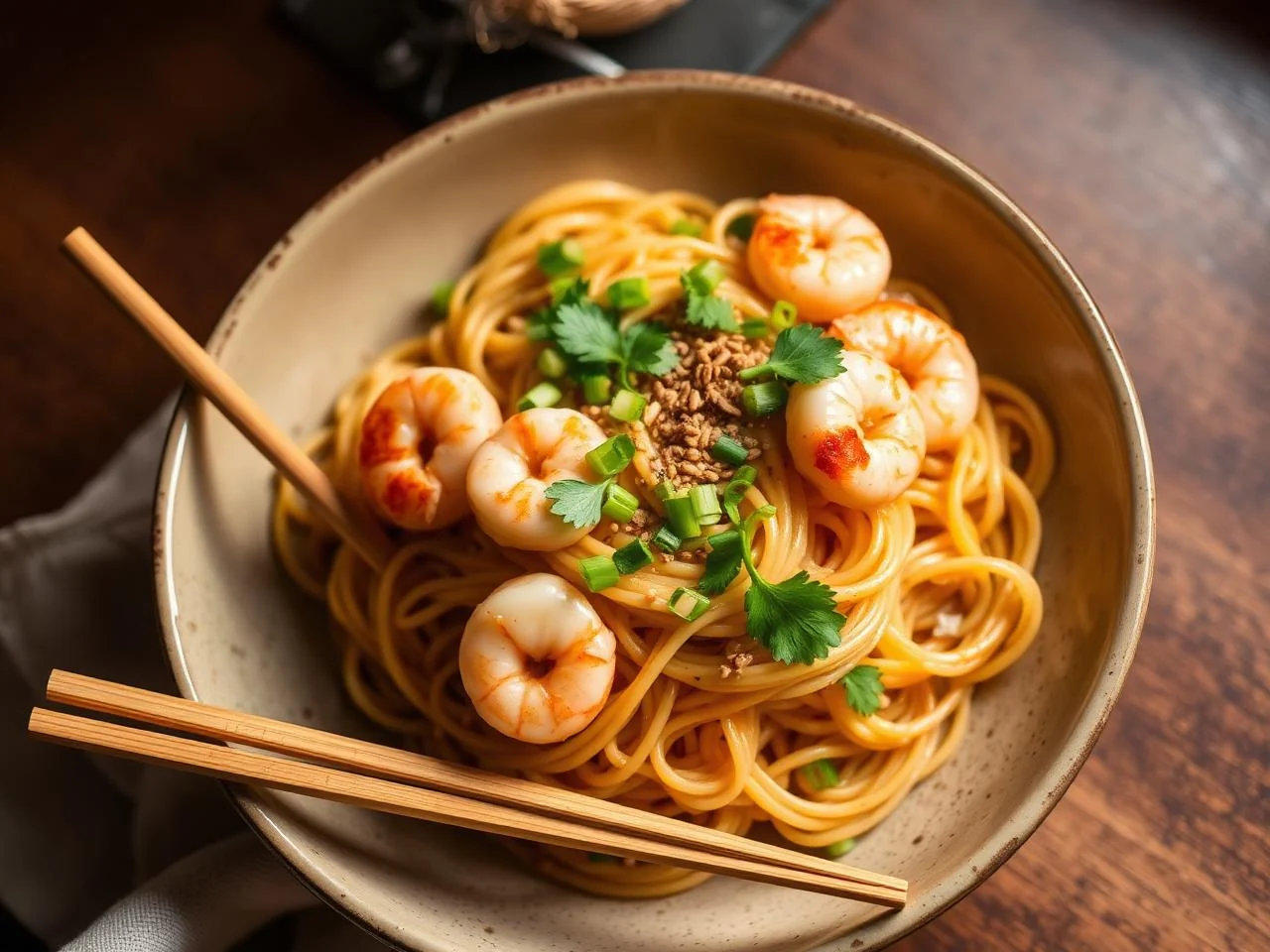
There's something special about a steaming hot plate of shrimp fried noodles, fresh from the wok. The combination of tender shrimp, crunchy vegetables, and savory noodles is a match made in heaven. As a home cook, I've always been fascinated by the art of creating takeout-style Asian dishes in my own kitchen. In this recipe, I'll show you how to make delicious shrimp fried noodles from scratch, using accessible ingredients and simple techniques.
One of my favorite memories is of a family dinner at a Chinese restaurant, where we all shared a massive plate of shrimp fried noodles. The noodles were cooked to perfection, with just the right amount of crunch and chew. The shrimp were succulent and flavorful, and the vegetables added a pop of color and texture. From that day on, I was determined to recreate this dish at home.
After years of experimentation and refinement, I'm excited to share my recipe for shrimp fried noodles with you. This dish is perfect for a quick weeknight dinner or a special occasion. It's also highly customizable, so feel free to add your favorite vegetables or protein sources to make it your own.
In this recipe, we'll cover the basics of cooking shrimp fried noodles, from preparing the ingredients to cooking the noodles and assembling the dish. We'll also explore some tips and variations to help you take your cooking to the next level. Whether you're a seasoned cook or a beginner, I hope you'll find this recipe helpful and enjoyable.
So let's get started and make some delicious shrimp fried noodles! With this recipe, you'll be able to create a dish that's not only tasty but also visually appealing. The combination of colorful vegetables, savory noodles, and succulent shrimp will make your taste buds dance with joy.
Why You’ll Love This Recipe
- This recipe is easy to make and requires minimal ingredients.
- The dish is highly customizable, so you can add your favorite vegetables or protein sources.
- The shrimp fried noodles are perfect for a quick weeknight dinner or a special occasion.
- The recipe is budget-friendly and can be made with accessible ingredients.
- The dish is crowd-pleasing and can be served to a large group of people.
- The shrimp fried noodles are a healthy and nutritious option, with a balance of protein, vegetables, and whole grains.
Why This Recipe Works
The key to making great shrimp fried noodles is to use high-quality ingredients and to cook the noodles and vegetables quickly over high heat. This helps to preserve the texture and flavor of the ingredients, while also creating a nice caramelized crust on the noodles and vegetables.
Another important aspect of this recipe is the use of a balanced sauce. The sauce should be savory, slightly sweet, and umami, with a hint of spice. This is achieved by combining soy sauce, oyster sauce, and sesame oil, which provide a rich and complex flavor profile.
In addition to the sauce, the cooking technique is also crucial. The noodles and vegetables should be cooked quickly over high heat, using a wok or large skillet. This helps to distribute the heat evenly and to prevent the ingredients from becoming mushy or overcooked.
Finally, the use of fresh and aromatic ingredients is essential. The scallions, ginger, and garlic add a bright and refreshing flavor to the dish, while the shrimp provide a nice pop of protein and texture.
Ingredients You’ll Need
To make this recipe, you'll need a few key ingredients, including shrimp, noodles, vegetables, and a balanced sauce. The shrimp should be fresh and succulent, with a nice pop of protein and texture. The noodles should be cooked to perfection, with just the right amount of crunch and chew. The vegetables should be colorful and crunchy, with a nice balance of flavors and textures.
When shopping for ingredients, be sure to choose high-quality items that are fresh and flavorful. The shrimp should be frozen or fresh, with no added preservatives or additives. The noodles should be made from whole grains, with a nice texture and flavor. The vegetables should be seasonal and locally sourced, with a nice balance of colors and textures.
- 1 lb (450g) large shrimp, peeled and deveinedThe shrimp should be fresh and succulent, with a nice pop of protein and texture. You can use frozen shrimp if fresh is not available, but be sure to thaw them first.
- 1 cup (120g) rice noodlesThe noodles should be made from whole grains, with a nice texture and flavor. You can use other types of noodles if you prefer, but rice noodles are traditional in this dish.
- 2 tablespoons vegetable oilThe oil should be neutral-tasting and have a high smoke point, such as peanut or avocado oil. This will help to prevent the oil from burning or smoking during cooking.
- 1 onion, thinly slicedThe onion should be thinly sliced, with a nice balance of flavors and textures. You can use other types of onions if you prefer, but yellow onions are traditional in this dish.
- 2 cloves garlic, mincedThe garlic should be minced, with a nice balance of flavors and textures. You can use other types of garlic if you prefer, but fresh garlic is best in this dish.
- 1 cup (120g) mixed vegetables, such as bell peppers, carrots, and snow peasThe vegetables should be colorful and crunchy, with a nice balance of flavors and textures. You can use other types of vegetables if you prefer, but these are traditional in this dish.
- 2 tablespoons soy sauceThe soy sauce should be high-quality and have a rich, savory flavor. You can use other types of soy sauce if you prefer, but this is traditional in this dish.
- 1 tablespoon oyster sauceThe oyster sauce should be high-quality and have a rich, savory flavor. You can use other types of oyster sauce if you prefer, but this is traditional in this dish.
- 1 tablespoon sesame oilThe sesame oil should be high-quality and have a nutty, slightly sweet flavor. You can use other types of sesame oil if you prefer, but this is traditional in this dish.
- 1 teaspoon grated gingerThe ginger should be fresh and have a nice balance of flavors and textures. You can use other types of ginger if you prefer, but fresh ginger is best in this dish.
- Salt and pepper to tasteThe salt and pepper should be used to season the dish, with a nice balance of flavors and textures. You can use other types of seasonings if you prefer, but salt and pepper are traditional in this dish.
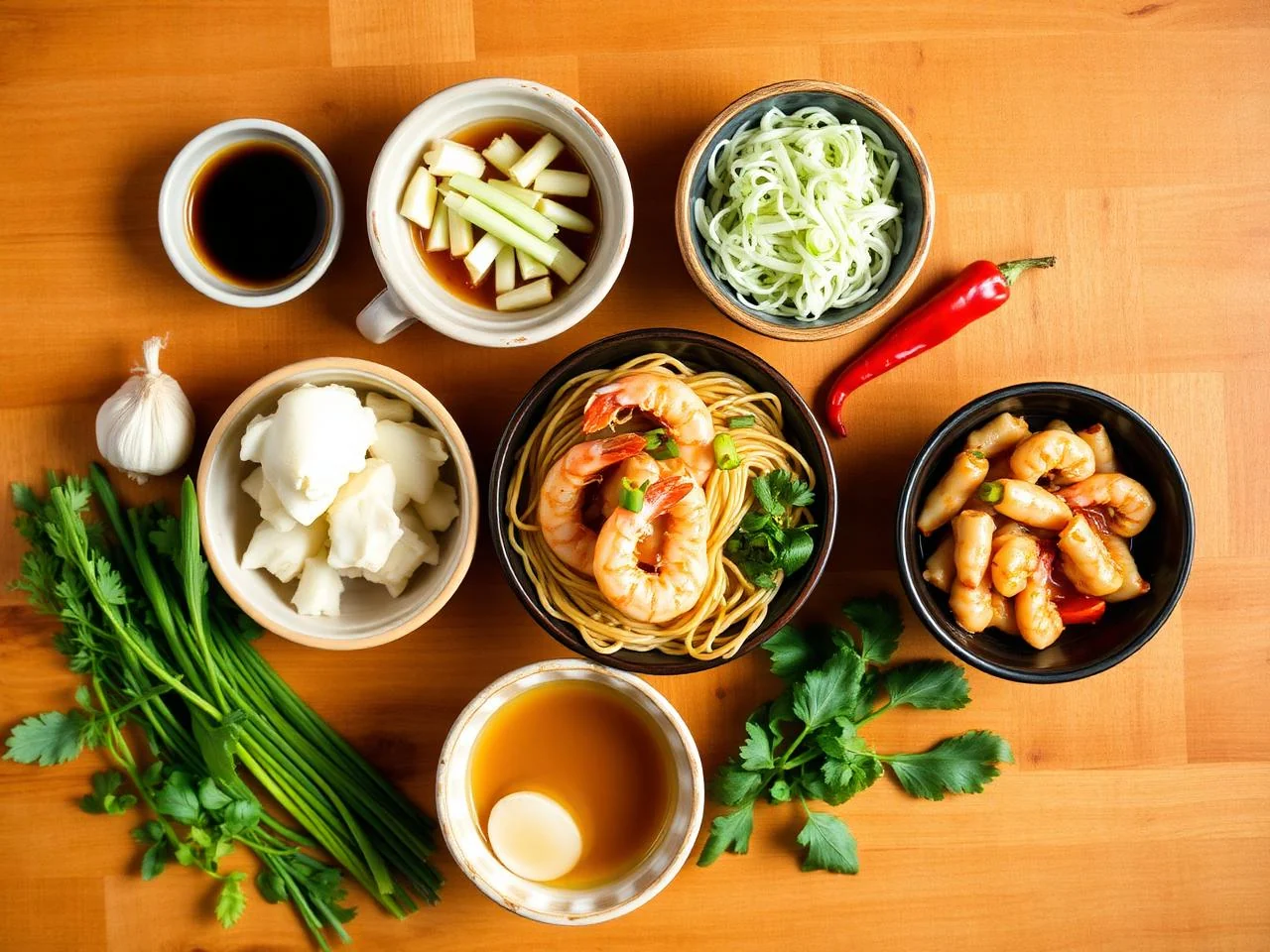
Equipment You’ll Need
How to Make Shrimp Fried Noodles
- 1Bring a large pot of water to a boil and cook the rice noodles according to the package instructions. Drain the noodles and set them aside.
- 2In a small bowl, whisk together the soy sauce, oyster sauce, and sesame oil. Set the sauce aside.
- 3Heat 1 tablespoon of vegetable oil in a large skillet or wok over medium-high heat. Add the onion and cook until it is translucent, about 3-4 minutes.
- 4Add the garlic and ginger to the skillet and cook for 1 minute, until fragrant.
- 5Add the mixed vegetables to the skillet and cook until they are tender-crisp, about 3-4 minutes.
- 6Add the cooked noodles to the skillet and stir to combine with the vegetables and sauce.
- 7Add the shrimp to the skillet and cook until they are pink and cooked through, about 2-3 minutes. The shrimp should reach an internal temperature of 145 F (63 C). Use an instant-read thermometer to check the temperature in the thickest part of the shrimp.
- 8Season the dish with salt and pepper to taste, and serve immediately.
- 9Garnish with scallions and serve with additional soy sauce and sesame oil if desired.
- 10To add some extra flavor to the dish, you can add some sliced scallions or bean sprouts on top of the noodles.
- 11To make the dish more substantial, you can add some cooked chicken or beef to the noodles.
- 12To make the dish more spicy, you can add some red pepper flakes or sriracha to the sauce.
- 13To make the dish more sour, you can add some freshly squeezed lemon juice to the sauce.
Expert Tips
- Use high-quality ingredients, such as fresh shrimp and whole grain noodles, to make the dish more flavorful and nutritious.
- Cook the noodles and vegetables quickly over high heat to preserve their texture and flavor.
- Use a balanced sauce, such as a combination of soy sauce, oyster sauce, and sesame oil, to add depth and complexity to the dish.
- Add aromatics, such as garlic and ginger, to the skillet before cooking the shrimp and noodles to add extra flavor to the dish.
- Use a variety of colorful vegetables, such as bell peppers, carrots, and snow peas, to add visual appeal to the dish.
- Cook the shrimp until they are pink and cooked through, but not overcooked, to ensure they remain tender and juicy.
- Season the dish with salt and pepper to taste, and serve immediately to ensure the flavors are balanced and the texture is optimal.
- Garnish with scallions and serve with additional soy sauce and sesame oil if desired to add extra flavor and texture to the dish.
Common Mistakes to Avoid
- Overcooking the shrimp, which can make them tough and rubbery.
- Using low-quality ingredients, such as frozen vegetables or artificial seasonings, which can affect the flavor and texture of the dish.
- Not cooking the noodles and vegetables quickly enough, which can make them mushy and overcooked.
- Not using a balanced sauce, which can make the dish too salty or too sweet.
- Not seasoning the dish with salt and pepper to taste, which can affect the flavor and texture of the dish.
- Not serving the dish immediately, which can make the noodles and vegetables cold and unappetizing.
Variations and Substitutions
- Adding cooked chicken or beef to the noodles to make the dish more substantial.
- Using different types of vegetables, such as broccoli or bok choy, to add variety to the dish.
- Adding some heat to the dish, such as red pepper flakes or sriracha, to make it spicier.
- Using different types of noodles, such as soba or udon, to change the texture of the dish.
- Adding some acidity to the dish, such as freshly squeezed lemon juice, to make it brighter and more refreshing.
- Using different types of protein, such as tofu or tempeh, to make the dish vegetarian or vegan.
- Adding some crunch to the dish, such as chopped nuts or seeds, to add texture and visual appeal.
What to Serve With Shrimp Fried Noodles
This dish is perfect for serving as a main course, accompanied by some steamed vegetables or a side salad. You can also serve it as a snack or appetizer, garnished with some sliced scallions and served with a side of soy sauce and sesame oil.
Some other options for serving this dish include:
Steamed dumplings or potstickers, which can be served on the side or added to the noodles.
Fried wontons or egg rolls, which can be served as a crunchy snack or appetizer.
A side of pickled ginger or wasabi, which can add a nice acidity and heat to the dish.
Make-Ahead, Storage, Freezing and Reheating
This dish can be stored in the refrigerator for up to 3 days, or frozen for up to 2 months. To reheat, simply cook the noodles and vegetables in a skillet or wok over medium-high heat, and serve with the cooked shrimp and sauce.
Here are some tips for storing and reheating the dish:
Store the cooked noodles and vegetables in a separate container from the cooked shrimp and sauce, to prevent them from becoming soggy or overcooked.
Reheat the dish in a skillet or wok over medium-high heat, stirring constantly to prevent the noodles and vegetables from becoming mushy or overcooked.
Add some extra soy sauce or sesame oil to the dish if it becomes dry or sticky during reheating.
Consider adding some fresh aromatics, such as garlic or ginger, to the dish during reheating to add extra flavor and texture.
Frequently Asked Questions
What type of noodles is best for this dish?
Rice noodles are traditional in this dish, but you can also use other types of noodles, such as soba or udon, if you prefer.
How do I cook the shrimp to prevent them from becoming tough or rubbery?
Cook the shrimp until they are pink and cooked through, but not overcooked. Use an instant-read thermometer to check the temperature in the thickest part of the shrimp, and aim for an internal temperature of 145 F (63 C).
Can I use frozen vegetables in this dish?
Yes, you can use frozen vegetables in this dish, but be sure to thaw them first and pat them dry with a paper towel to remove excess moisture.
How do I make the sauce more flavorful?
You can add some aromatics, such as garlic or ginger, to the sauce to give it extra flavor. You can also use high-quality ingredients, such as fresh soy sauce and sesame oil, to add depth and complexity to the sauce.
Can I make this dish ahead of time?
Yes, you can make this dish ahead of time, but it's best to cook the noodles and vegetables just before serving to ensure they remain crunchy and flavorful. You can also cook the shrimp and sauce ahead of time and store them in the refrigerator or freezer for later use.
How do I store and reheat the dish?
Store the cooked noodles and vegetables in a separate container from the cooked shrimp and sauce, and reheat the dish in a skillet or wok over medium-high heat, stirring constantly to prevent the noodles and vegetables from becoming mushy or overcooked.
Can I customize the dish to my taste?
Yes, you can customize the dish to your taste by adding your favorite vegetables or protein sources, or by using different types of noodles or seasonings.
Is this dish suitable for vegetarians or vegans?
Yes, this dish can be made vegetarian or vegan by substituting the shrimp with tofu or tempeh, and using vegetable broth or other plant-based seasonings instead of soy sauce or oyster sauce.
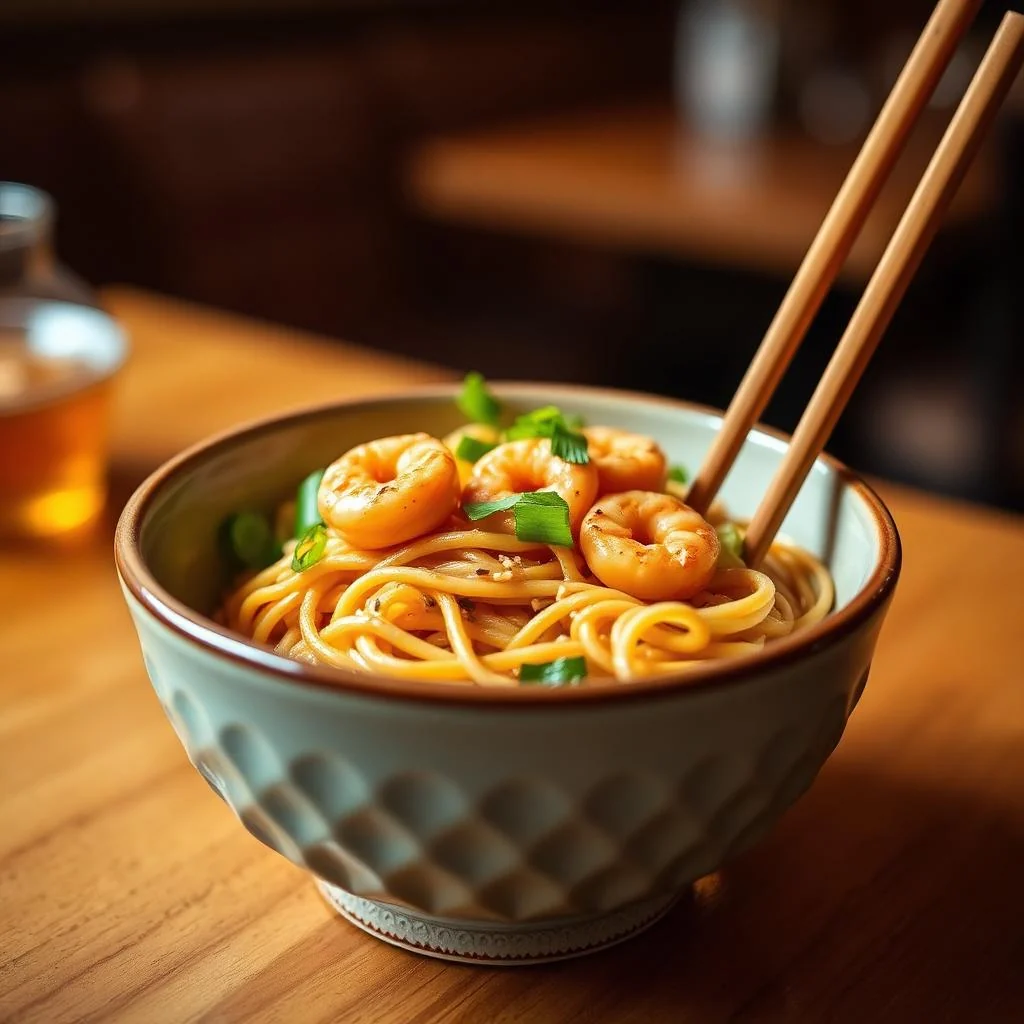
Ingredients
- 1 lb (450g) large shrimp, peeled and deveined
- 1 cup (120g) rice noodles
- 2 tablespoons vegetable oil
- 1 onion, thinly sliced
- 2 cloves garlic, minced
- 1 cup (120g) mixed vegetables, such as bell peppers, carrots, and snow peas
- 2 tablespoons soy sauce
- 1 tablespoon oyster sauce
- 1 tablespoon sesame oil
- 1 teaspoon grated ginger
- Salt and pepper to taste
Instructions
- Bring a large pot of water to a boil and cook the rice noodles according to the package instructions. Drain the noodles and set them aside.
- In a small bowl, whisk together the soy sauce, oyster sauce, and sesame oil. Set the sauce aside.
- Heat 1 tablespoon of vegetable oil in a large skillet or wok over medium-high heat. Add the onion and cook until it is translucent, about 3-4 minutes.
- Add the garlic and ginger to the skillet and cook for 1 minute, until fragrant.
- Add the mixed vegetables to the skillet and cook until they are tender-crisp, about 3-4 minutes.
- Add the cooked noodles to the skillet and stir to combine with the vegetables and sauce.
- Add the shrimp to the skillet and cook until they are pink and cooked through, about 2-3 minutes. The shrimp should reach an internal temperature of 145 F (63 C). Use an instant-read thermometer to check the temperature in the thickest part of the shrimp.
- Season the dish with salt and pepper to taste, and serve immediately.
- Garnish with scallions and serve with additional soy sauce and sesame oil if desired.
- To add some extra flavor to the dish, you can add some sliced scallions or bean sprouts on top of the noodles.
- To make the dish more substantial, you can add some cooked chicken or beef to the noodles.
- To make the dish more spicy, you can add some red pepper flakes or sriracha to the sauce.
- To make the dish more sour, you can add some freshly squeezed lemon juice to the sauce.