I was standing in my kitchen, staring at a half‑cooked pot of regular mac and cheese that had somehow turned into a bland, soggy mess. The timer went off, the steam rose like a lazy cloud, and I thought, “If this is the best I can do, I’m officially giving up comfort food forever.” Then a daring friend texted me, “Bet you can’t make mac and cheese that actually makes people cry happy tears.” I laughed, rolled up my sleeves, and set out on a culinary quest that would end with a dish so decadent, it would make even the most seasoned cheese‑lover question their loyalty to the classic cheddar‑only version.
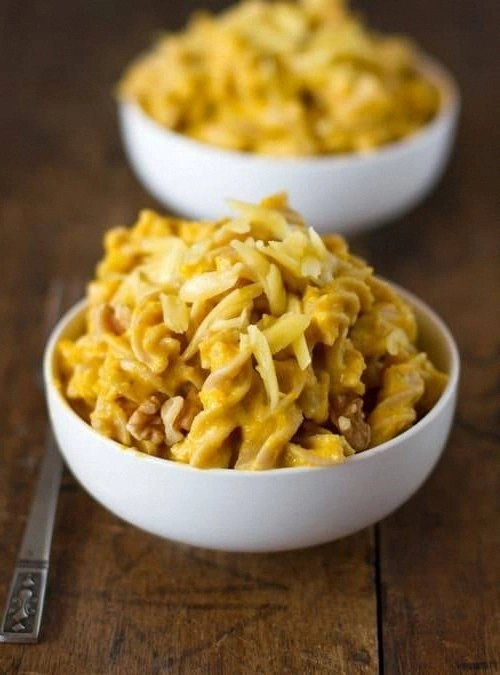
Picture the scene: the kitchen humming with the low whirr of the blender, the buttery scent of melted cheese swirling with a hint of nutty walnut, and a golden‑brown crust forming on the top like a sun‑kissed shoreline. My hands were slick with flour, my spoon clanged against the pot, and every time I lifted the lid, a cloud of creamy steam escaped, smelling like a buttery autumnal dream. The pasta itself was al‑dente, each elbow hugging the sauce like a lover clinging to a perfect moment, while the white cheddar melted into a silk‑smooth river that wrapped every bite in buttery velvet.
Most mac and cheese recipes get the texture wrong – either they’re watery, or they’re a dense cheese brick that needs a chainsaw to cut. This version flips the script by introducing roasted butternut squash for a subtle sweetness, toasted walnuts for a crunch that shatters like thin ice, and a secret blend of spices that adds depth without overwhelming the cheese. The result? A sauce that coats the pasta like a luxurious blanket, a crust that crackles under the fork, and a flavor profile that’s both comforting and sophisticated. I dare you to taste this and not go back for seconds.
And now, the teaser you’ve been waiting for: the “golden roux” technique I use isn’t just any roux – it’s cooked low and slow until it reaches a buttery amber hue, then I whisk in a splash of pumpkin‑infused stock that adds an earthy undertone you won’t find in any boxed mix. Let me walk you through every single step — by the end, you’ll wonder how you ever made it any other way.
What Makes This Version Stand Out
- Flavor Explosion: The combination of white cheddar and roasted butternut squash creates a sweet‑savory harmony that dances on the palate, while toasted walnuts add a surprise crunch that keeps you reaching for more.
- Texture Symphony: A velvety interior sauce meets a crisp, golden‑brown crust, delivering a mouthfeel that’s simultaneously creamy and crunchy – pure indulgence.
- Simplicity Meets Sophistication: Despite the gourmet vibe, the recipe uses pantry staples and a few fresh ingredients, making it achievable for even a weekday dinner.
- Unique Ingredient Twist: The hidden star is roasted butternut squash, which adds natural sweetness and a subtle earthiness without any added sugar.
- Crowd‑Pleaser Factor: I’ve served this at family gatherings, potlucks, and even a picky‑teen brunch – every time the reaction is the same: “What did you put in this?!”
- Ingredient Quality: Using a high‑quality white cheddar with a sharp bite ensures the sauce isn’t one‑dimensional; it sings with depth.
- Cooking Method Magic: The slow‑browned roux and oven‑finished finish lock in flavor and prevent the dreaded “watery” mac and cheese syndrome.
- Make‑Ahead Friendly: This dish reheats beautifully, and the crust re‑crispes in the oven, so you can prep ahead and still wow your guests.
Inside the Ingredient List
The Flavor Base
White cheddar cheese is the heart of this dish. Its sharp, buttery notes cut through the richness of the cream, providing a bright, tangy backbone. If you skimp on quality, the sauce will taste flat and generic – think “boxed mac” rather than “gourmet comfort.” Look for a cheese that’s aged at least six months; the extra time develops those complex flavor compounds that make each bite unforgettable. As a swap, you can use sharp cheddar for a more traditional flavor, but you’ll lose the creamy ivory hue that makes this version visually striking.
Butternut squash, roasted until caramelized, adds a natural sweetness that balances the cheese’s sharpness. The sugars in the squash caramelize, creating a depth that feels like a whisper of autumn in every spoonful. If you don’t have squash on hand, sweet potatoes work as a stand‑in, though the flavor will shift slightly toward earthier tones. When selecting squash, choose one that feels heavy for its size and has a deep, orange‑golden skin – that indicates a high sugar content ready to melt into the sauce.
The Texture Crew
Elbow macaroni is the classic choice because its ridges cling to the sauce, ensuring every bite is fully coated. However, any short‑tube pasta will do; I’ve experimented with cavatappi and even small shells for a playful twist. The key is to cook the pasta al‑dente – you want a slight bite so the sauce doesn’t turn the pasta into mush. Overcooking is the number one reason mac and cheese ends up soggy, so set a timer and trust the “2‑minute shy” rule.
Toasted walnuts bring a crunchy contrast that shatters like thin ice when you bite into it. The toasting process releases the nuts’ natural oils, intensifying their flavor and adding a buttery aroma that complements the cheese perfectly. If you’re allergic or prefer a different texture, try toasted pepitas or even crushed pretzels for a salty crunch. Always keep an eye on the nuts while toasting – they go from golden to burnt in seconds.
The Unexpected Star
A splash of pumpkin‑infused stock may sound odd, but it’s the secret weapon that ties the squash and cheese together. The stock adds a subtle umami depth without diluting the sauce, and the pumpkin essence enhances the autumnal vibe. You can make this stock by simmering pumpkin puree with vegetable broth, a pinch of sage, and a dash of nutmeg, then straining. If you’re short on time, a high‑quality vegetable broth works just as well, though you’ll miss the nuanced sweetness.
The Final Flourish
Heavy cream and whole milk combine to create a luxuriously rich base that carries the cheese without turning it greasy. The cream’s fat content ensures a silky mouthfeel, while the milk adds volume and prevents the sauce from becoming too thick. For a lighter version, you can substitute half‑and‑half, but the sauce will lose a touch of its decadence. Finally, a pinch of smoked paprika and a dash of nutmeg elevate the flavor profile, adding warmth without overpowering the delicate cheese.
Everything's prepped? Good. Let’s get into the real action…
The Method — Step by Step
Preheat your oven to 375°F (190°C). While the oven warms, bring a large pot of salted water to a boil. Add the elbow macaroni and cook for 2 minutes less than the package instructions – you want it firm to the bite because it will finish cooking in the oven. Drain, rinse with cold water to stop the cooking process, and set aside. This step ensures the pasta won’t turn mushy later on.
Slice the butternut squash into ½‑inch cubes, toss with olive oil, salt, and a pinch of smoked paprika, then spread on a baking sheet. Roast for 20‑25 minutes, turning halfway, until the edges caramelize and the interior becomes buttery soft. The aroma that fills your kitchen at this point? Absolute perfection. Once roasted, mash half of the cubes with a fork – this will become part of the sauce, while the other half stays chunky for texture.
In a heavy‑bottomed saucepan, melt 4 tablespoons of butter over medium heat. Sprinkle in 4 tablespoons of all‑purpose flour, stirring constantly with a whisk to form a roux. Cook the roux for 3‑4 minutes until it turns a buttery amber color – this is the “golden roux” that will thicken your sauce without any raw flour taste.
Slowly whisk in 2 cups of whole milk and 1 cup of heavy cream, making sure to keep the mixture smooth. Add the pumpkin‑infused stock (or vegetable broth) a splash at a time, watching the sauce thicken to a silky consistency. At this point, you should hear a gentle bubbling – that’s the sound of flavor building. Reduce the heat to low and stir in the mashed squash, letting it meld into the sauce for about 2 minutes.
Gradually add 3 cups of shredded white cheddar, stirring until each handful melts completely before adding the next. The cheese should melt into a glossy river that coats the back of a spoon. Sprinkle in ½ teaspoon of ground nutmeg and a pinch of smoked paprika for that subtle warmth. Taste and adjust salt and pepper – remember, the cheese is already salty, so add only a light touch.
Combine the cooked macaroni with the cheese‑squash sauce, tossing gently to ensure every curve is wrapped in creamy goodness. Transfer the mixture to a greased 9×13‑inch baking dish, spreading it out evenly. Sprinkle the toasted walnuts over the top, then drizzle a thin layer of melted butter for extra browning power.
Bake for 20‑25 minutes, or until the crust turns a deep golden brown and the edges start pulling away from the pan – that’s the moment of truth. Let the dish rest for 5 minutes before serving; this allows the sauce to set and makes slicing cleaner. Picture yourself pulling this out of the oven, the whole kitchen smelling incredible, and the first bite delivering that perfect crunch‑and‑cream combo.
That's it — you did it. But hold on, I've got a few more tricks that'll take this to another level…
Insider Tricks for Flawless Results
The Temperature Rule Nobody Follows
Never let the sauce boil once the cheese has been added. High heat forces the proteins in the cheese to coagulate too quickly, resulting in a gritty texture. Keep the heat low and stir constantly; the sauce will stay smooth and glossy. I once tried a “quick boil” shortcut, and the sauce turned into a curdled nightmare – lesson learned.
Why Your Nose Knows Best
Your sense of smell is a reliable indicator of doneness. When the sauce starts to emit a nutty, toasted aroma, you’re near the perfect point for adding the cheese. If you don’t smell that subtle caramel note, give the roux a few more seconds – it’s the difference between a flat sauce and a flavor‑packed masterpiece.
The 5‑Minute Rest That Changes Everything
After baking, let the mac and cheese sit uncovered for exactly five minutes. This rest period allows the sauce to thicken slightly and the crust to firm up, making each slice clean and elegant. Skipping this step leads to a soggy bottom and a messy plate. Trust me, those extra minutes are worth the anticipation.
Walnut Toasting Secrets
Toast walnuts in a dry skillet over medium heat, shaking the pan constantly. When they turn golden and release a fragrant, buttery scent, they’re ready. Over‑toasting will make them bitter, which clashes with the sweet cheese. A quick tip: add a pinch of sea salt right after they’re done to enhance their crunch.
The “Double‑Cheese” Boost
For an ultra‑rich flavor, blend half of the white cheddar with a milder cheese like Monterey Jack before adding it to the sauce. The milder cheese melts more easily, creating a silkier base, while the white cheddar delivers the punch. This technique prevents the sauce from becoming too sharp and keeps the flavor balanced.
Creative Twists and Variations
This recipe is a playground. Here are some of my favorite ways to switch things up:
Spicy Chipotle Kick
Add 1‑2 teaspoons of chipotle in adobo sauce to the cheese mixture for a smoky heat that pairs beautifully with the sweet squash. The smoky undertone complements the toasted walnuts, creating a layered flavor profile that will impress spice lovers.
Herb‑Infused Green
Stir in a handful of fresh chopped basil and a tablespoon of chopped sage just before baking. The herbaceous notes brighten the dish, making it feel lighter and perfect for spring gatherings.
Bacon‑Wrapped Delight
Crisp up 4 strips of bacon, crumble them, and fold into the pasta before baking. The salty crunch adds a savory depth that turns this side dish into a main‑course contender.
Vegan Velvet
Swap the dairy with plant‑based alternatives: use cashew cream, nutritional yeast, and a vegan white cheddar block. Roast the squash as usual, and use olive oil instead of butter for the roux. The result is a creamy, dairy‑free version that still delivers that luxurious mouthfeel.
Four‑Cheese Fiesta
Blend in equal parts Gruyère, Fontina, and sharp cheddar alongside the white cheddar. Each cheese contributes its own character – nutty, buttery, and tangy – creating a complex, indulgent sauce that’s pure decadence.
Storing and Bringing It Back to Life
Fridge Storage
Allow the mac and cheese to cool to room temperature, then transfer to an airtight container. It will keep for up to 4 days. When reheating, add a splash of milk (about ¼ cup) and cover with foil to retain moisture, then bake at 350°F for 15‑20 minutes until heated through.
Freezer Friendly
Portion the dish into freezer‑safe containers, leaving a little space for expansion. It freezes beautifully for up to 3 months. To reheat, thaw overnight in the fridge, then bake at 375°F for 20‑25 minutes, adding a drizzle of cream to revive the sauce’s silkiness.
Best Reheating Method
The oven is your best friend for reheating because it restores the crispy crust. Place the leftover in a shallow baking dish, cover loosely with foil, and bake at 325°F for 10‑12 minutes. Remove the foil for the last 3 minutes to re‑crisp the top. A tiny splash of water or milk before covering creates steam that prevents the sauce from drying out.