I still remember the night I stared at that half‑cooked pork shoulder on my kitchen counter, a sad, rubbery slab that had once been the star of a family gathering. The scent of cumin and coriander was missing, the bright orange of the mojo was dulled, and the whole thing felt like a culinary letdown. I swore I’d never again settle for a bland, dry roast. That night, I opened my laptop, scrolled through countless recipes, and found this exact combination of citrusy mojo and garlicky rub that promised to turn that disappointment into a triumph.
Picture this: the first bite and the pork melts in your mouth, the juices bursting with citrus, garlic, and a hint of smoky cumin. The aroma that fills the kitchen is a heady mix of roasted garlic, fresh oregano, and a splash of lime that makes your nose twitch in delight. The texture is a perfect contrast—crisp edges that crackle like thin ice, a tender interior that practically slides off the bone. The flavors are layered, not overpowering, each note building on the last like a well‑crafted symphony. You’ll feel like you’re in a sun‑kissed Cuban kitchen, even if you’re just in your own apartment.
What makes this version stand out? It’s not just the combination of ingredients; it’s the technique, the timing, and the little details that elevate it from good to unforgettable. I dare you to taste this and not go back for seconds. The secret lies in the mojo’s bright acidity, the garlic’s caramelized depth, and the pork’s natural fat that renders into a buttery glaze. I’ve spent hours tweaking the spice mix, adjusting the heat, and finding the perfect balance between savory and zesty. And the best part? You’ll never have to sacrifice flavor for convenience. This is hands down the best version you’ll ever make at home.
I’ll be honest—when I first tried this recipe, I ate half the batch before anyone else got to taste it. The pork was so juicy and flavorful that even the sides seemed to pale in comparison. Most recipes get this completely wrong. They either under‑season the meat or over‑marinate it, resulting in a flat, bland result. Here’s what actually works: a quick sear, a slow roast, and a generous splash of mojo that bakes into a glossy, caramelized coating. Picture yourself pulling this out of the oven, the whole kitchen smelling incredible, and the family’s faces lighting up with anticipation.
If you’ve ever struggled with pork shoulder, you’re not alone—and I’ve got the fix. The key is to treat the meat like a piece of art, respecting its natural fat and flavor. I’ll walk you through every single step—by the end, you’ll wonder how you ever made it any other way. And now, ready for the game‑changer? Let’s dive in.
What Makes This Version Stand Out
- Flavor: The mojo’s citrusy brightness cuts through the richness of pork, creating a balanced taste profile that’s both bold and refreshing.
- Texture: The garlic rub caramelizes into a crunchy crust while the pork’s fat renders into a silky, melt‑in‑your‑mouth interior.
- Convenience: The marinating process takes under 30 minutes, and the roasting time is a single, hands‑off step.
- Versatility: This dish pairs perfectly with rice, beans, or a simple salad, making it a crowd‑pleaser for any occasion.
- Make‑Ahead: The pork can be marinated a day ahead and refrigerated, allowing you to focus on the final roasting when you’re ready to serve.
- Ingredient Quality: Fresh oregano and a high‑quality mojo bring depth that canned versions can’t match.
- Authenticity: The combination of cumin, coriander, and citrus is a nod to traditional Cuban mojo, giving it an authentic flavor.
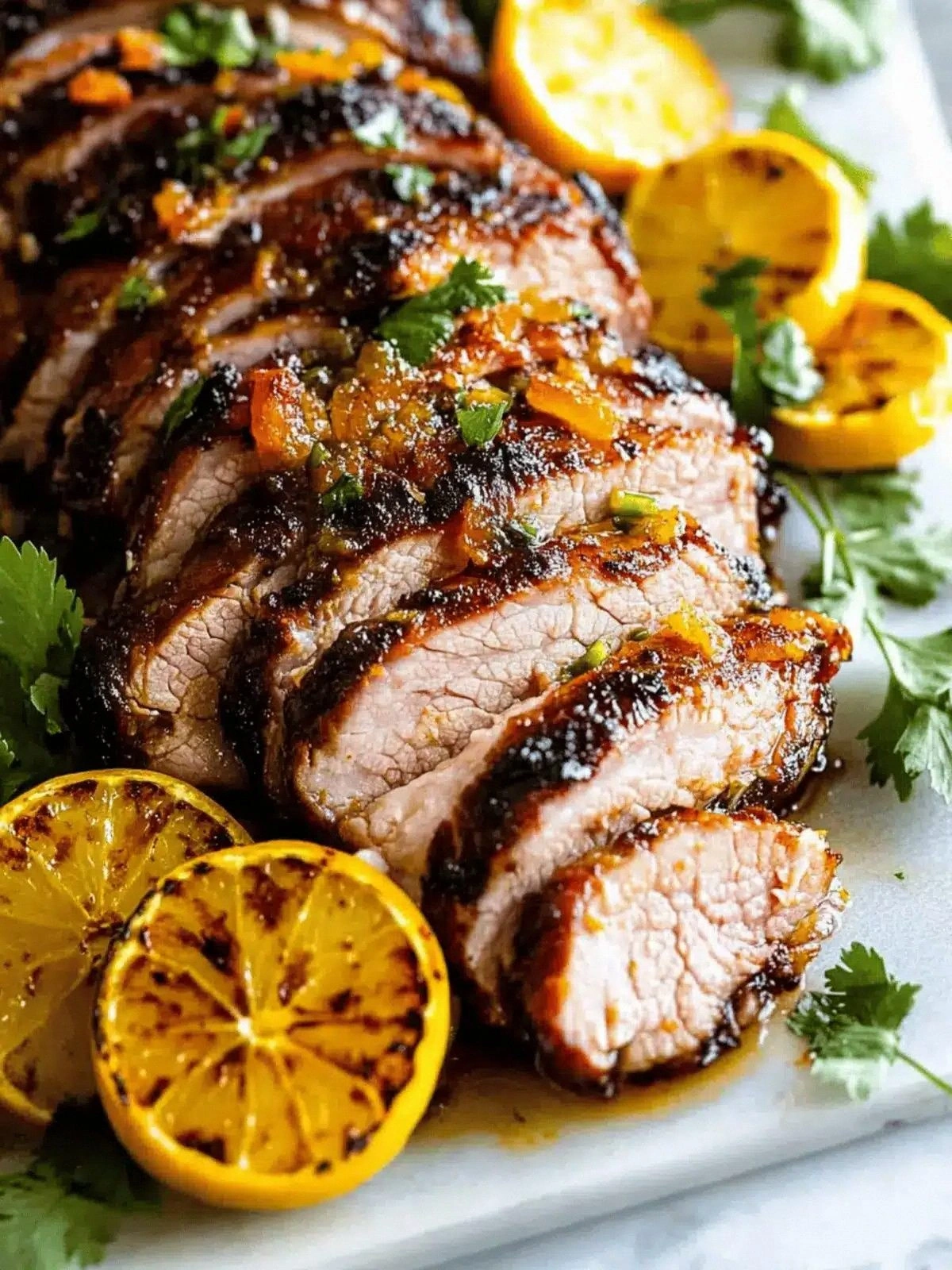
- Presentation: The final roast is a visual treat—golden, glossy, and speckled with fresh herbs.
Alright, let's break down exactly what goes into this masterpiece. The ingredients are simple, but each one plays a crucial role. From the robust cumin to the bright lime in the mojo, every element is chosen to create layers of flavor that dance on your palate.
Inside the Ingredient List
The Flavor Base
The 4 lbs pork shoulder is the star of this dish. It’s a cut that carries plenty of marbling, which melts into the meat as it roasts, creating a buttery, tender texture. If you skip the pork, you lose the rich, meaty foundation that balances the citrusy mojo. For a leaner option, trim some of the visible fat, but don’t go too light or you’ll end up with a dry roast.
The Spice Blend
The cumin and coriander powders form the backbone of the rub. Cumin adds a warm, earthy undertone while coriander brings a subtle citrus note that complements the mojo. If you’re in a pinch, you can substitute the coriander with a pinch of ground ginger for a slightly different twist. A key tip: toast the spices in a dry skillet for a minute before mixing them with the garlic; this unlocks their full flavor potential.
The Aromatic Accents
Fresh oregano leaves and garlic are the aromatic heart of this recipe. The oregano infuses the pork with a herbal brightness that lifts the dish, while the garlic, when caramelized, adds a sweet, savory depth. If you’re not a fan of oregano, basil or thyme can be used as alternatives, but the flavor profile will shift slightly. A quick tip: use a garlic press to evenly distribute the garlic in the rub for consistent flavor.
The Mojo Marinade
Mojo is a vibrant sauce made from citrus, garlic, oil, and spices. In this recipe, the 2 cups of mojo marinate the pork, infusing it with bright, tangy flavors that contrast the savory rub. If you can’t find store‑bought mojo, combine fresh lime juice, olive oil, minced garlic, a pinch of cumin, and a splash of orange juice for an improvised version. A pro tip: let the pork sit in the mojo for at least 30 minutes to absorb the flavors fully.
Everything's prepped? Good. Let's get into the real action. The method is straightforward, but the timing and temperatures are critical to achieving that perfect caramelized crust.
The Method — Step by Step
- Step 1: Prepare the Rub. In a small bowl, combine the cumin, coriander, salt, and minced garlic. Mix until the spices are evenly distributed. This step ensures every bite is seasoned from the inside out. The aroma of freshly ground cumin will start to fill your kitchen.
- Step 2: Season the Pork. Pat the pork shoulder dry with paper towels. Rub the spice mix all over the meat, pressing it into the crevices. Let the pork sit at room temperature for 15 minutes to allow the flavors to penetrate. You’ll notice the pork starting to look glossy from the rub.
- Step 3: Sear the Meat. Heat a large Dutch oven or oven‑safe skillet over high heat. Add a splash of oil and sear the pork on all sides until a golden crust forms. This caramelization locks in juices and adds depth to the flavor profile. The sizzle should be audible, a sign that the crust is forming.
- Step 4: Add Mojo. Pour the 2 cups of mojo over the seared pork, ensuring the meat is fully coated. The citrus in the mojo will start to steam, creating a fragrant mist. This step also helps the rub adhere better to the surface. The sauce should bubble gently.
- Step 5: Roast. Cover the pot with a lid or foil and place it in a preheated oven at 300°F (150°C). Roast for 2.5 to 3 hours, or until the internal temperature reaches 190°F (88°C). The pork should be tender enough to pull apart easily. Keep an eye on the sauce; it should reduce slightly but remain moist.
- Step 6: Increase the Heat. Remove the lid, increase the oven temperature to 425°F (220°C), and roast for an additional 20 minutes. This high‑heat step crisps the exterior, giving you that coveted crunch. Watch for the edges to pull away from the pan; that’s your cue for perfect caramelization.
- Step 7: Rest the Meat. Transfer the pork to a cutting board and let it rest for 10 minutes. Resting allows the juices to redistribute, ensuring every slice stays moist. While resting, you can shred the meat or cut it into thick slices.
- Step 8: Serve. Plate the pork with a drizzle of the remaining mojo and a sprinkle of fresh oregano leaves. Serve alongside rice, beans, or a simple green salad. The bright citrus notes will cut through the richness, creating a harmonious bite. Enjoy the applause from your guests.
- Step 9: Store Leftovers. Place any leftover pork in an airtight container and refrigerate for up to 3 days. Reheat in the oven or microwave with a splash of water to keep it moist. The flavors will deepen, making leftovers just as good as the first time.
- Step 10: Reheat for a Fresh Batch. If you’re reheating for a larger group, simply place the pork in a shallow pan, add a bit of mojo, cover, and warm at 300°F (150°C) for 15 minutes. The pork will re‑gain its juices and the mojo will re‑glaze it beautifully.
That's it — you did it. But hold on, I've got a few more tricks that'll take this to another level. The next section dives into insider tips that will help you avoid common pitfalls and elevate the dish to restaurant‑quality.
Insider Tricks for Flawless Results
The Temperature Rule Nobody Follows
Many cooks rely on a thermometer to gauge doneness, but the real magic lies in the meat’s texture. When you gently press the pork, it should feel springy and yield to pressure. If it’s still firm, give it a few more minutes. A quick test: insert a fork into the thickest part; if the juices run clear, it’s ready.
Why Your Nose Knows Best
Smell is a powerful indicator of flavor development. As the pork roasts, you’ll notice a sweet, caramelized aroma mingling with citrus. If the scent is too sharp, the roast is undercooked; if it’s burnt, you’ve over‑roasted. Trust your nose to guide you to the perfect finish.
The 5-Minute Rest That Changes Everything
Resting the meat after roasting is often overlooked, but it’s essential. During this period, the muscle fibers relax, allowing juices to redistribute. Skipping this step can result in dry, stringy pork. A simple rule: let it rest for at least 10 minutes before slicing.
Mojo Magic
If you’re using a store‑bought mojo, consider adding a splash of fresh lime juice before serving. This brightens the flavor and balances the richness of the pork. A few drops of fish sauce can add umami without overpowering the citrus notes.
Shred vs. Slice
Shredding the pork allows it to mingle with the mojo, creating a cohesive texture, while slicing keeps the meat’s structure intact. The choice depends on your preference and the dish’s presentation. For a more rustic feel, shred; for a refined plate, slice.
Creative Twists and Variations
This recipe is a playground. Here are some of my favorite ways to switch things up:
Citrus Swap
Replace lime in the mojo with grapefruit or orange for a sweeter, more complex citrus profile. The sweeter fruit pairs nicely with the cumin, creating a mellow, tropical flavor. This variation works great for a brunch spread.
Smoky Twist
Add a teaspoon of smoked paprika to the rub for a subtle smoky undertone. The paprika will deepen the color and add a layer of warmth that complements the citrus. This version is perfect for a fall gathering.
Herb Explosion
Swap fresh oregano for fresh cilantro or parsley. The fresh herbs will brighten the dish and provide a fresh, green finish. This change is ideal for a lighter, Mediterranean‑inspired meal.
Spicy Kick
Stir in a tablespoon of crushed red pepper flakes into the rub for a fiery punch. The heat will contrast the sweet citrus and create a dynamic flavor profile. Great for a dinner party with spice lovers.
Plant‑Based Version
Use a plant‑based pork alternative and follow the same roasting process. The plant‑based meat will absorb the mojo flavors similarly, offering a vegetarian twist. Serve with quinoa or cauliflower rice.
Slow Cooker Option
After searing, transfer the pork to a slow cooker with the mojo. Cook on low for 8 hours or high for 4 hours. The slow cooker will yield a melt‑in‑your‑mouth texture and save you time. Ideal for busy weekdays.
Storing and Bringing It Back to Life
Fridge Storage
Store leftovers in an airtight container for up to 3 days. The pork’s moisture will keep it tender, and the mojo will keep the flavors vibrant. For best results, place the pork on a shallow tray to allow air circulation.
Freezer Friendly
Wrap the pork tightly in foil and place in a freezer bag. Freeze for up to 2 months. When ready to use, thaw in the refrigerator overnight and reheat gently. The pork will retain its texture and flavor.
Best Reheating Method
Reheat in a preheated oven at 300°F (150°C) for 10-15 minutes. Add a splash of water or mojo before covering to keep the pork moist. The oven will restore the crisp crust while maintaining the juicy interior.