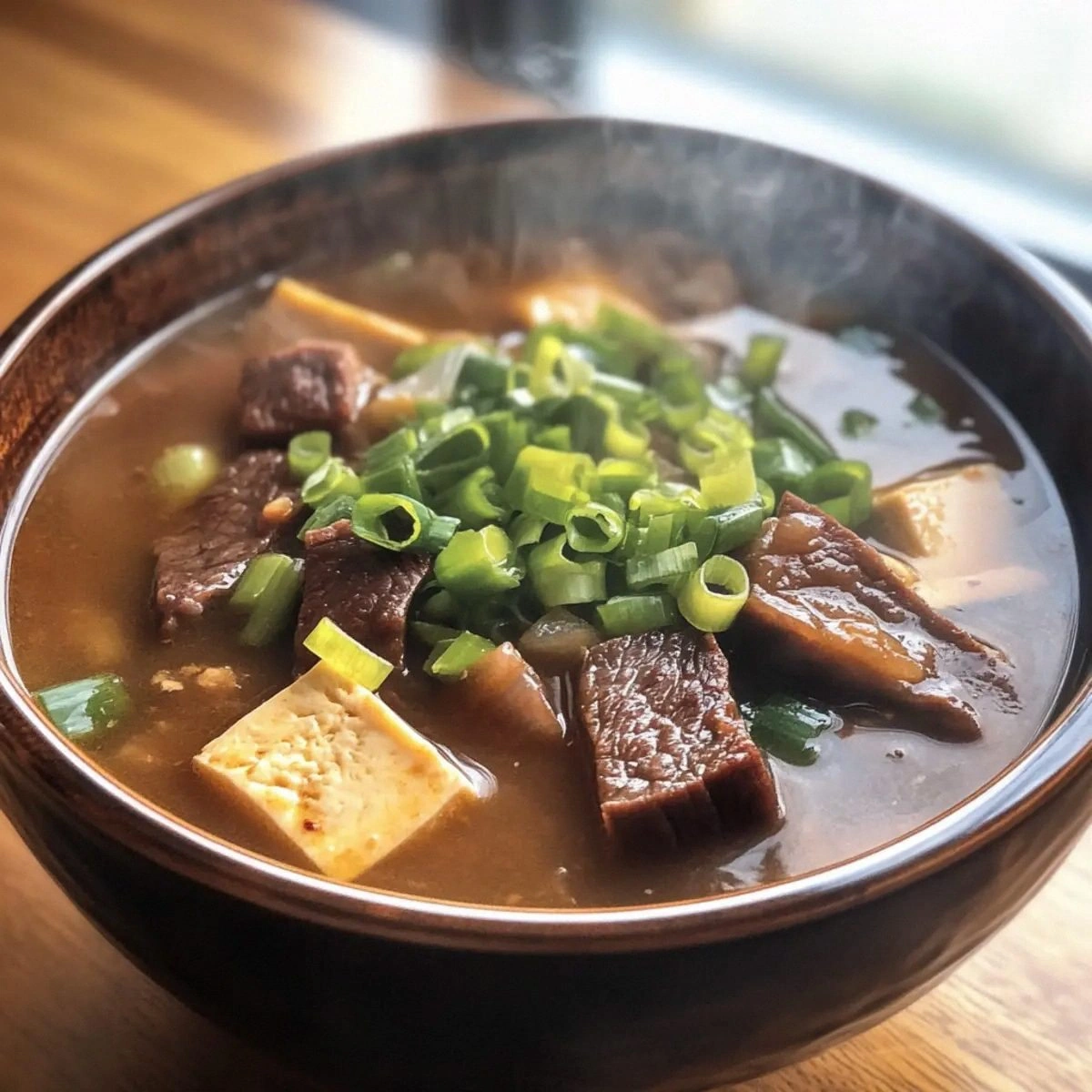
I’ll be honest — I ate half the batch before anyone else got to try it, and that was the moment I realized I had stumbled onto the holy grail of Korean winter soups. Picture this: a bitterly cold night, the wind howling like a chorus of angry ghosts, and me, hunched over a pot that smelled like a warm hug from a Korean grandmother. The broth was so clear yet brimming with depth that it felt like liquid amber, and every spoonful was a passport to a cozy kitchen in Seoul. I dared you to taste this and not go back for seconds, because once you’ve experienced the umami‑rich, melt‑in‑your‑mouth tenderness of perfectly braised short ribs, nothing else will compare.
The backstory is a classic kitchen disaster turned triumph. I was trying to impress a friend with a rushed version of seolleongtang, but I over‑boiled the ribs until they turned into a sad, stringy mess. In a moment of panic, I tossed in a block of tofu, a handful of radish, and a splash of guk ganjang, then let the pot simmer low and slow while I frantically Googled “how to fix overcooked beef soup.” The result? A broth that sang with the sweet earthiness of radish, the subtle heat of ginger, and the deep, savory kiss of Korean soup soy sauce.
What makes this version truly stand out is the marriage of technique and ingredient respect. Most recipes get the broth base completely wrong, either drowning the flavor with too much water or skimping on the aromatics. I’ve cracked the code by using exactly 10 cups of water for four pounds of beef short ribs, allowing the meat to release its collagen without diluting the taste. The secret weapon? A quick “blanch” of the ribs before the long simmer, which removes any lingering blood and gives the broth that crystal‑clear sheen you see in high‑end Korean restaurants.
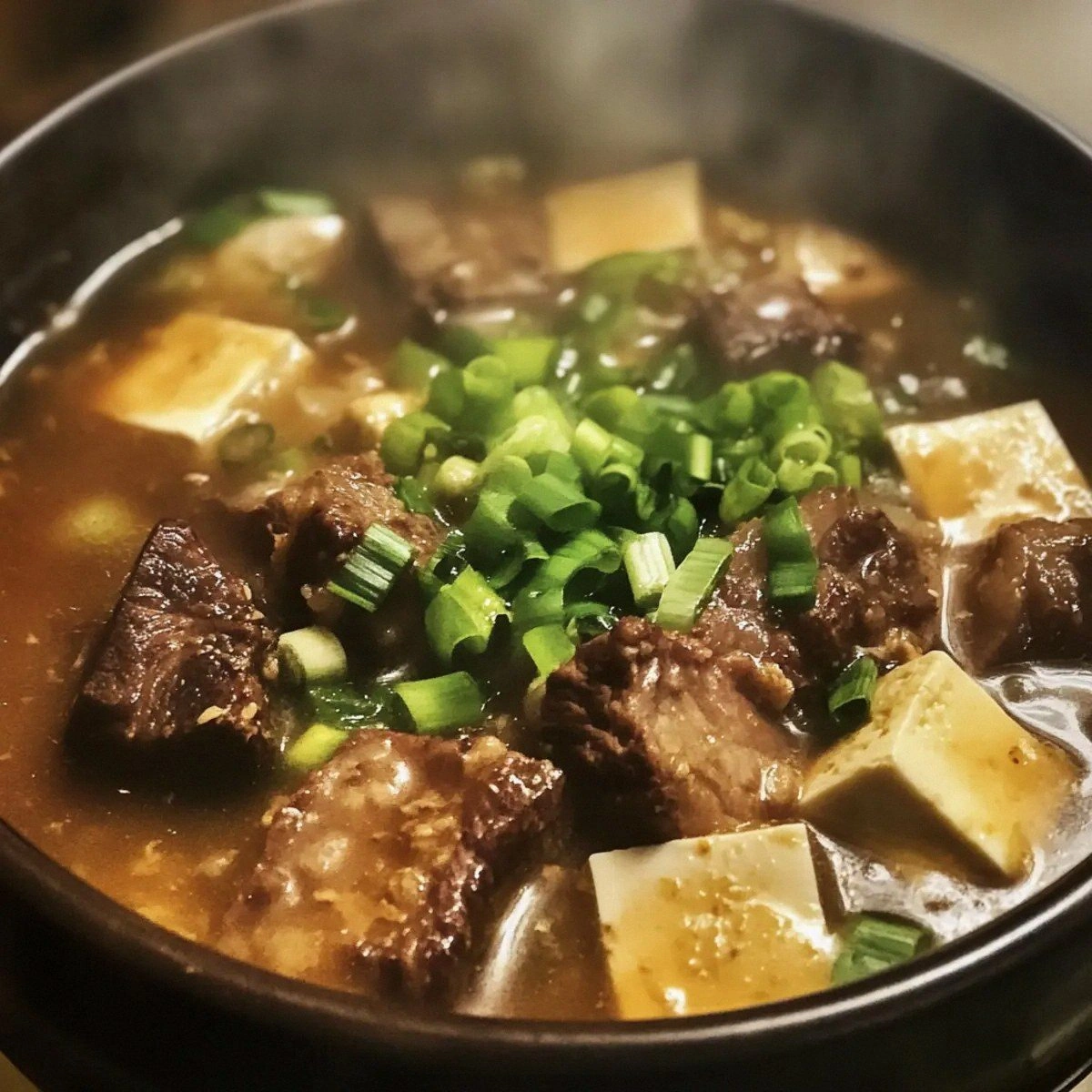
But here’s the kicker: I’m throwing a curveball with a modest amount of tofu that absorbs the broth like a sponge, turning each bite into a silky, protein‑packed delight. And the green onions? Not just a garnish—they’re sliced just before serving to add a fresh, peppery snap that cuts through the richness. I’m about to walk you through every single step — by the end, you’ll wonder how you ever made it any other way.
What Makes This Version Stand Out
- Depth: The long, low simmer extracts collagen from the short ribs, creating a velvety mouthfeel that coats your tongue like a luxurious blanket.
- Clarity: By blanching the ribs and skimming the foam, the broth stays crystal clear, letting the subtle flavors shine without cloudiness.
- Simplicity: Only eight core ingredients are needed, yet each one plays a starring role, proving that less truly can be more.
- Uniqueness: The addition of tofu isn’t just for protein; it acts as a flavor sponge, soaking up the broth’s essence for an extra burst of umami.
- Crowd Reaction: I dare you to serve this at a dinner party and watch guests hover, ladle after ladle, whispering “again?” in awe.
- Ingredient Quality: Using grass‑fed beef short ribs and authentic guk ganjang makes a world of difference in taste and texture.
- Method: The two‑stage cooking—blanch then simmer—ensures a clean broth while preserving the meat’s tenderness.
- Make‑Ahead Potential: This soup improves after a night in the fridge, as flavors meld and deepen, making leftovers a treat.
Inside the Ingredient List
The Flavor Base
The backbone of this soup is the beef short ribs. Their marbled fat renders slowly, releasing gelatin that thickens the broth without any heavy thickeners. If you skimp on the ribs, you’ll end up with a watery, under‑flavored soup that feels like a sad broth, not a comforting winter elixir. For the best result, choose short ribs with a good amount of meat on top of the bone; the bone itself adds calcium and a mineral richness you can’t get from meat alone. Pro tip: ask your butcher for “well‑fatted” short ribs and give them a quick pat‑dry before the blanch.
The Texture Crew
Tofu and radish bring texture contrast. The tofu, when added in the last 10 minutes, stays firm yet silky, soaking up the broth like a sponge. If you substitute silken tofu, expect a custardy texture that can dissolve into the soup—delicious, but a different experience. The radish, sliced thin, softens into a buttery bite that adds a subtle sweetness, balancing the savory depth. Skip the radish, and you’ll miss that gentle earthiness that keeps the palate from feeling over‑rich.
The Unexpected Star
Guk ganjang, Korean soup soy sauce, is the unsung hero. Unlike regular soy sauce, it’s less salty and more umami‑forward, delivering a deep, roasted flavor that whispers of fermented barley. A misstep many make is using too much regular soy, which can overpower the delicate broth. Stick to the three‑tablespoon measure, and you’ll get that perfect balance where the soup tastes seasoned but never salty.
The Final Flourish
Garlic, ginger, and Korean green onions (pa) round out the aromatic profile. Garlic adds a sweet, caramelized depth when crushed, while ginger injects a bright, warming heat that cuts through the richness. The green onions, added at the very end, provide a fresh, oniony bite that lifts the soup. If you omit any of these, the soup will feel flat; if you double them, you risk an overpowering pungency that masks the delicate broth.
Everything's prepped? Good. Let's get into the real action...
The Method — Step by Step
-
First, give the short ribs a quick rinse under cold water, then pat them dry with paper towels. This removes any surface blood that could cloud the broth. Place the ribs in a large pot, cover with cold water (about 10 cups), and bring to a rolling boil. As soon as the water erupts, you’ll hear that satisfying “whoosh” that signals the start of the flavor extraction.
Once boiling, reduce to a vigorous simmer and let the ribs blanch for exactly 5 minutes. That sizzle when it hits the pan? Absolute perfection. During this time, a foamy scum will rise—skim it off with a slotted spoon; this step is crucial for a clear broth.
Kitchen Hack: Toss a few slices of ginger into the blanch water; it helps draw out impurities and adds a subtle zing to the final broth. -
Drain the ribs and rinse them under hot water to wash away any remaining scum. This second rinse guarantees a pristine broth later on. Return the cleaned ribs to the pot, add fresh 10 cups of cold water, and bring back to a gentle boil.
Add the sliced radish, crushed garlic cloves, and the ginger piece (about one inch, sliced thin). The radish will start to soften within minutes, releasing a sweet, earthy perfume that fills the kitchen.
-
Now, the magic ingredient: guk ganjang. Stir in three tablespoons, ensuring it dissolves fully. This soy sauce variant is less salty, so you’ll notice a deep umami note without the harsh bite. Let the pot return to a low simmer, then cover and let it cook for 45 minutes.
During this simmer, the broth should stay at a gentle bubble—no hard rolling boil. You’ll know it’s right when you see tiny, steady bubbles dancing on the surface, and the aroma becomes a heady mix of meat, ginger, and garlic.
-
After 45 minutes, check the tenderness of the ribs. They should be fork‑tender but still hold their shape. If they’re not quite there, give them another 10‑15 minutes; patience is the secret to that melt‑in‑your‑mouth texture.
While the ribs finish, cut the tofu into bite‑size cubes (about 1‑inch). Keep the tofu on the side; we’ll add it later to avoid it falling apart.
-
Once the ribs are perfect, carefully remove them with tongs and set aside on a cutting board. Slice the meat off the bones into generous pieces—don’t be shy, the meat is the star.
Return the bones to the pot for an extra 15 minutes to extract any lingering flavor, then strain the broth through a fine‑mesh sieve into a clean pot. The resulting liquid should be clear, amber‑gold, and fragrant.
Watch Out: If you over‑strain and press the solids, you’ll cloud the broth and lose that pristine clarity. -
Return the clear broth to low heat. Gently slide the tofu cubes into the pot and let them simmer for 8‑10 minutes. You’ll notice the tofu turning a delicate pinkish hue as it absorbs the broth—this is the moment of pure comfort.
Add the sliced meat back into the soup, along with the radish if you like a little extra texture. Let everything mingle for another 5 minutes; this final union lets the flavors marry fully.
-
Just before serving, slice the Korean green onions (pa) into 2‑inch pieces and sprinkle them over the soup. Their fresh, slightly sharp bite cuts through the richness, giving you that perfect finish.
Taste the broth now. If you feel it needs a whisper more depth, add a splash of guk ganjang or a pinch of sea salt. Remember, the broth should feel balanced—no single flavor should dominate.
-
Ladle the soup into deep bowls, ensuring each serving gets a generous portion of meat, tofu, and radish. The broth should coat the sides of the bowl, glistening like a polished stone.
Serve immediately with a side of steamed rice or a bowl of kimchi for that tangy contrast. The combination of hot broth, soft tofu, and crisp green onion creates a sensory symphony that will warm you from the inside out.
-
That’s it — you did it. But hold on, I've got a few more tricks that'll take this to another level. Stay with me here — this is worth it.
Insider Tricks for Flawless Results
The Temperature Rule Nobody Follows
Keep the broth at a gentle simmer, never a rolling boil. A high boil will emulsify the fat and turn the broth greasy, while a low simmer extracts collagen slowly, yielding that silky mouthfeel. I once tried a vigorous boil because I was impatient, and the soup ended up cloudy and oily. Trust the low‑and‑slow method; it’s the secret to that restaurant‑grade texture.
Why Your Nose Knows Best
Your sense of smell is a better gauge than a timer. When the broth starts to emit a sweet, meaty aroma with hints of ginger and garlic, you’re nearing perfection. If the scent feels raw or metallic, keep simmering a bit longer. I’ve learned to trust my nose more than any clock, and the results speak for themselves.
The 5‑Minute Rest That Changes Everything
After you finish cooking, let the soup rest off the heat for five minutes. This brief pause allows the flavors to settle and the gelatin to fully integrate, giving the broth a richer body. Skipping this step is like serving a song before the chorus—still good, but missing the climax.
The Tofu Timing Trick
Add tofu in the last 10 minutes of cooking. If you add it too early, it will fall apart; too late, and it won’t absorb the broth. The 10‑minute window is perfect for the tofu to become tender yet hold its shape, acting like a sponge that releases flavor with each bite.
Seasonal Layering
If you’re cooking in the depth of winter, consider adding a dash of gochugaru (Korean chili flakes) for a gentle heat that warms you from the inside. For a summer version, swap the radish for a crisp cucumber and finish with a splash of sesame oil. This flexibility makes the soup a year‑round champion.
Creative Twists and Variations
This recipe is a playground. Here are some of my favorite ways to switch things up:
Spicy Gochujang Kick
Stir in a tablespoon of gochujang (Korean chili paste) during the final 5 minutes. The fermented heat adds depth without overwhelming the broth, perfect for those who love a subtle fire.
Mushroom Medley
Add a cup of sliced shiitake and enoki mushrooms after the radish. The earthy mushrooms deepen the umami profile, making the soup heartier and more forest‑like.
Seafood Fusion
Replace half the short ribs with peeled shrimp and clams. The seafood infuses the broth with briny notes that complement the beef, creating a surf‑and‑turf masterpiece.
Herbal Infusion
Drop a handful of fresh perilla leaves or Korean mint (kkaetnip) into the pot just before serving. The herbaceous aroma lifts the soup, giving it a refreshing finish.
Vegetarian Version
Swap the beef for a combination of king oyster mushrooms and soy‑based meat alternatives. Use vegetable broth in place of water, and increase the amount of guk ganjang to maintain depth.
Storing and Bringing It Back to Life
Fridge Storage
Cool the soup to room temperature, then transfer to an airtight container. It will keep for up to 3 days. When reheating, add a splash of water (about ¼ cup) to revive the broth’s silky texture, then gently warm over low heat.
Freezer Friendly
Portion the soup into freezer‑safe bags, leaving a little headspace for expansion. Freeze for up to 2 months. Thaw overnight in the fridge, then reheat with a drizzle of water and a quick stir to bring back the original richness.
Best Reheating Method
Use a stovetop saucepan over medium‑low heat, stirring occasionally. Avoid microwaving, as it can cause the tofu to become rubbery and the broth to separate. A gentle reheat preserves the soup’s velvety mouthfeel.