Ever had that moment when you’re halfway through a dinner, the kitchen smells like a burnt offering, and you’re left wondering if you should just order in? I did, and it was a disaster that turned into a revelation. I was staring at a pot of overcooked linguine, the sauce a sad, oily sludge that looked more like a science experiment than a meal. I stared at the clock, the oven was still on, and my friends were already arriving. The panic was real, but the kitchen was also a playground for experimentation.
That night, I decided to give my linguine a new lease on life. I pulled out a few fresh lemons, a stick of butter, and a handful of parmesan. I whisked the butter with lemon zest until it turned a buttery golden, and then I tossed the pasta into that silky sauce. The result was a bright, buttery sauce that clung to the noodles like a velvet glove, and the lemon cut through the richness with a zesty punch. It was so good that I almost didn’t want to share it with anyone.
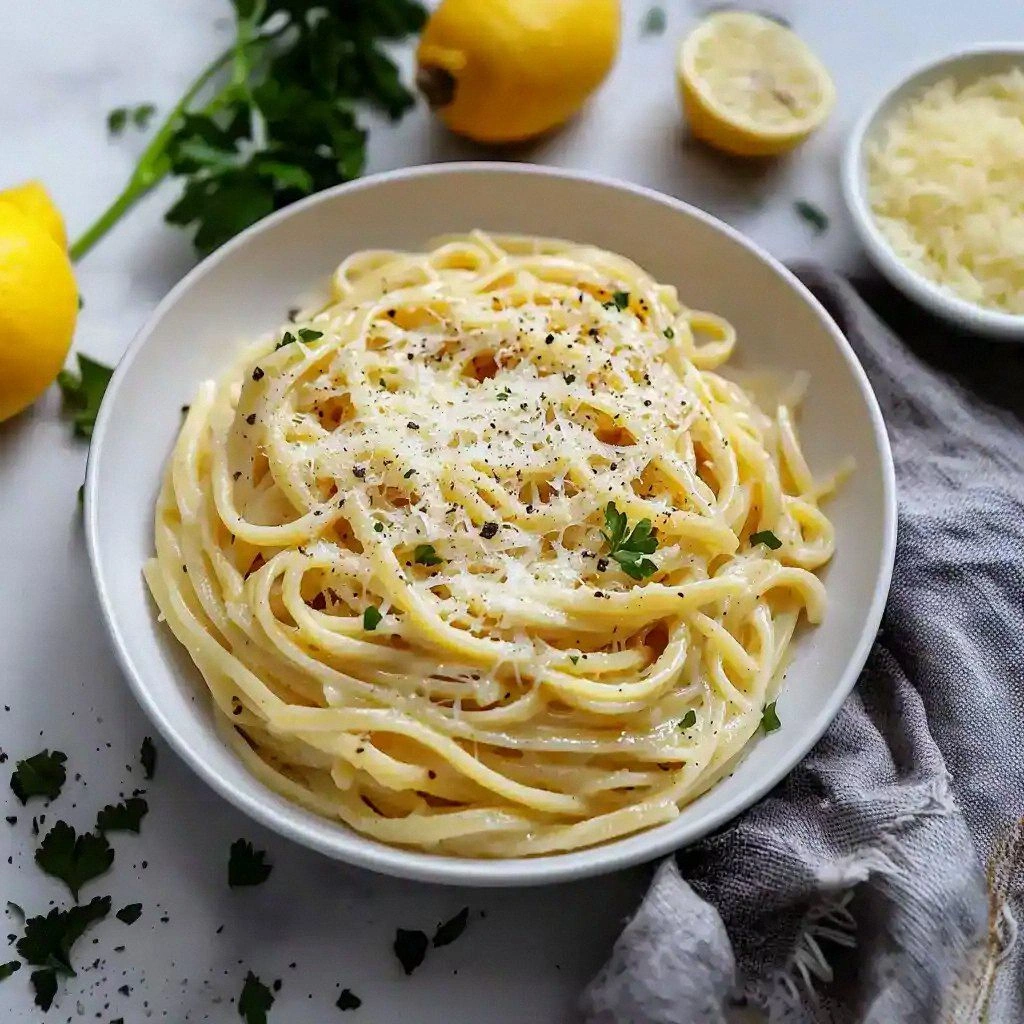
From that moment on, I’ve been obsessed with this dish. It’s a simple, single-pan affair that feels like a gourmet dinner, and it’s so quick that you can have a plate in the kitchen before your guests even notice you’re cooking. The sauce’s bright citrus notes lift the humble linguine into a dish that feels both comforting and sophisticated. The butter gives it a silky texture, the parmesan adds a salty depth, and the parsley gives it a fresh, herbaceous finish. The result is a dish that’s more than just pasta; it’s a celebration of flavor and texture.
I dare you to taste this and not go back for seconds. I’ll be honest — I ate half the batch before anyone else got to try it. Most recipes get this completely wrong; they either under-season the sauce or overcook the pasta. Here’s what actually works: keep the pasta al dente, reserve the pasta water for the sauce, and finish with a generous sprinkle of parmesan and fresh herbs. Picture yourself pulling this out of the pan, the whole kitchen smelling incredible, and everyone asking for the recipe. Let me walk you through every single step — by the end, you’ll wonder how you ever made it any other way.
What Makes This Version Stand Out
- Flavor: The bright lemon zest and juice cut through the richness of butter, creating a harmonious balance that’s both refreshing and indulgent. It’s the kind of flavor profile that can elevate any pasta dish to restaurant‑quality.
- Texture: The butter turns into a silky emulsion that coats each strand of linguine, while the parmesan creates a subtle crunch on the surface. The result is a dish that feels both luxurious and comforting.
- Simplicity: With just a handful of ingredients and a single pan, you can have a gourmet meal ready in under 30 minutes. No complicated sauces, no multi‑step processes.
- Versatility: This base can be transformed into a seafood pasta, a vegetarian delight, or a protein‑packed dinner. Swap the parsley for basil, or add shrimp for a quick protein boost.
- Crowd Appeal: The dish is a crowd‑pleaser because of its bright, approachable flavors. Even the most picky eaters will find the citrus notes and creamy texture irresistible.
- Ingredient Quality: Using fresh lemons and high‑quality parmesan elevates the dish from ordinary to extraordinary. The difference is palpable in every bite.
- Make‑Ahead Potential: The sauce can be prepared a few hours in advance, letting the flavors meld. When you’re ready to serve, simply reheat gently and stir in a splash of pasta water.
- Time Efficiency: You can have a plate on the table in about 20 minutes, making it perfect for weeknight dinners or last‑minute guests.
Inside the Ingredient List
The Flavor Base
Fresh lemons are the star of this dish, and their zest is where the magic begins. Lemon zest releases essential oils that give the sauce a bright, citrusy aroma that lingers on the palate. If you skip the zest, the sauce becomes flat and the butter’s richness can overwhelm. When choosing lemons, look for ones that feel heavy for their size, and avoid any with blemishes or soft spots. The juice adds acidity, balancing the buttery base and preventing the sauce from feeling too heavy. If you can’t find fresh lemons, a good quality bottled lemon juice will work, but the zest is irreplaceable.
The Texture Crew
Unsalted butter is the foundation of the sauce, turning into a silky emulsion that coats the pasta like velvet. Using unsalted butter allows you to control the salt level precisely, preventing the dish from becoming overly salty. The parmesan cheese adds a subtle nutty flavor and a slight crunch when sprinkled on top. A high‑quality, freshly grated parmesan melts beautifully and contributes to the sauce’s luxurious mouthfeel. If you’re vegan or dairy‑free, a plant‑based butter and nutritional yeast can approximate the flavor profile, but the texture will differ slightly.
The Unexpected Star
Garlic is the unsung hero that brings depth and warmth to the sauce. When sautéed just right, it releases a mellow sweetness that pairs perfectly with the lemon’s brightness. Too much garlic, however, can become overpowering, so it’s best to use just the right amount. A simple technique is to mince the garlic finely so it blends seamlessly into the sauce, creating a uniform flavor. If you’re sensitive to raw garlic, you can lightly toast the cloves in butter before adding the rest of the ingredients.
The Final Flourish
Fresh parsley or basil adds a burst of color and a herbal note that brightens the dish. The choice between parsley and basil can shift the flavor profile; parsley offers a subtle peppery bite, while basil leans toward sweet, floral undertones. Adding herbs at the end preserves their delicate flavors and prevents them from wilting. A pinch of freshly ground black pepper brings a subtle heat that balances the lemon’s acidity. Salt is added to taste, but it’s best to season gradually, tasting as you go, to avoid over‑salting. Finally, the reserved pasta water is the secret ingredient that ties everything together, helping the sauce cling to the noodles without becoming too thick.
Everything’s prepped? Good. Let’s get into the real action…
The Method — Step by Step
- Boil the pasta. Bring a large pot of salted water to a rolling boil. Add the linguine and cook until just al dente, about 9-10 minutes. Stir occasionally to prevent sticking. When the pasta is ready, reserve a cup of the pasta water, then drain the noodles. Set aside; keep the pot warm.
- Start the butter. While the pasta cooks, melt the butter in a large skillet over medium heat. Watch for the butter to turn a light golden color, indicating it’s ready to brown slightly. This step adds a nutty flavor that deepens the sauce’s richness. Don’t let it burn; a buttery aroma is the cue.
- Sauté the garlic. Add the minced garlic to the melted butter, stirring constantly. The garlic should sizzle softly and release a fragrant aroma within 30 seconds. Be careful not to let it brown, or it will taste bitter. This is the moment of truth; a perfect garlic sauté is the foundation of the dish.
- Introduce the lemon. Stir in the lemon zest and lemon juice, letting the citrus mingle with the butter. The sauce should smell bright and citrusy, with a hint of butter. The acidity from the lemon cuts through the richness and adds a fresh lift. Allow the mixture to simmer for a minute, letting the flavors meld.
- Combine pasta and sauce. Add the drained linguine to the skillet, tossing to coat each strand in the buttery lemon sauce. If the sauce feels thick, add a splash of the reserved pasta water to thin it just enough. The goal is a glossy, silky coating that clings to the noodles. Keep the heat low to avoid over‑cooking the pasta.
- Finish with cheese. Sprinkle the grated parmesan over the pasta, tossing until it melts into the sauce. The cheese adds a salty, nutty flavor that balances the lemon’s brightness. If you prefer a stronger cheese taste, add a bit more parmesan. The sauce should look creamy and slightly glossy.
- Season. Add salt to taste and freshly ground black pepper, stirring to distribute the flavors evenly. Taste the sauce; it should be bright, buttery, and slightly tangy. If it feels flat, a pinch more pepper can bring it back to life. The final seasoning step ensures every bite is balanced.
- Plate and garnish. Divide the pasta among plates or bowls. Sprinkle chopped parsley or basil over the top for a burst of color and freshness. A final drizzle of olive oil or a pat of butter can add an extra touch of decadence. Serve immediately while the pasta is hot and the sauce is glossy.
That's it — you did it. But hold on, I've got a few more tricks that'll take this to another level…
Insider Tricks for Flawless Results
The Temperature Rule Nobody Follows
Keep the heat on medium for the entire sauce process. Too high a temperature will cause the butter to brown and the garlic to burn. Too low, and the sauce won’t develop its full flavor. A steady medium heat allows the butter to emulsify with the lemon and garlic, creating a silky base. I’ve found that a thermometer set to 180°F (82°C) is a good reference point for this step.
Why Your Nose Knows Best
Before you taste the sauce, inhale it. The aroma will tell you whether the butter has browned enough or if the lemon is too acidic. A buttery aroma indicates a well‑developed base, while a sharp citrus scent signals the sauce is ready. Trust your nose; it’s a seasoned chef’s secret weapon.
The 5-Minute Rest That Changes Everything
After tossing the pasta into the sauce, let it rest for 5 minutes off the heat. This pause allows the pasta to absorb the sauce fully, ensuring each strand is coated evenly. The rest also lets the flavors marry, making the dish more cohesive. I’ve seen people skip this step, and the result is a watery, uneven sauce.
Use the Pasta Water Wisely
The reserved pasta water is more than just a thickening agent; it contains starch that helps the sauce cling to the noodles. Add it in small increments, tasting as you go. Too much water will dilute the sauce; too little will leave it clumpy. The right amount gives you a glossy, silky coating.
Finish with Fresh Herbs
Adding herbs at the very end preserves their bright flavor and color. If you wait until the sauce has simmered, the herbs will lose their vibrancy. Chop the parsley or basil finely before adding, and sprinkle it over the plated pasta. The fresh green contrast is both visual and gustatory delight.
Creative Twists and Variations
This recipe is a playground. Here are some of my favorite ways to switch things up:
Garlic Shrimp Boost
Add peeled shrimp to the skillet after the garlic sizzles, cooking until pink. The shrimp absorbs the lemon butter sauce, turning the dish into a protein‑rich entrée. It’s perfect for a quick weeknight dinner or a special occasion.
Capers and Anchovy Kick
Stir in a tablespoon of capers and a few anchovy fillets for a briny, umami punch. The saltiness balances the lemon’s brightness and adds depth. This variation is ideal for those who love bold flavors.
Vegetarian Mushroom Medley
Sauté sliced mushrooms with the garlic before adding the lemon. The earthy mushrooms pair wonderfully with the bright sauce, creating a hearty, plant‑based version. Finish with a sprinkle of thyme for extra aroma.
Spicy Red Pepper Twist
Incorporate a pinch of red pepper flakes while sautéing the garlic for a subtle heat. The spice complements the lemon’s tartness and adds a lively kick. This version is great for those who enjoy a little heat.
Herb‑Infused Parmesan
Mix chopped rosemary or thyme into the parmesan before sprinkling it over the pasta. The herb‑infused cheese adds a fragrant layer of flavor that elevates the dish. It’s a subtle yet sophisticated twist.
Gluten‑Free Delight
Swap the linguine for a gluten‑free pasta brand, ensuring you follow the package’s cooking time. The sauce remains the same, providing a gluten‑free version that’s just as delicious.
Storing and Bringing It Back to Life
Fridge Storage
Cool the pasta to room temperature, then transfer it to an airtight container. Store in the refrigerator for up to 3 days. The sauce may thicken slightly, but a splash of pasta water will restore its silky texture.
Freezer Friendly
Freeze the pasta in a freezer‑safe container for up to 2 months. Reheat in a skillet with a bit of water, stirring until the sauce is heated through. The texture remains good, and the lemon flavor stays bright.
Best Reheating Method
Reheat the pasta on low heat, adding a splash of pasta water or a tablespoon of butter to keep it from drying out. The goal is to warm the dish gently while preserving the sauce’s silky consistency.