You know that moment when you’re halfway through a weeknight dinner, the fridge is a barren wasteland, and the only thing that’s left is a couple of sweet potatoes and a bag of carrots that have been staring at you like they’re judging your culinary choices? I was in that exact situation last Thursday, feeling like a culinary hero who had just discovered a hidden treasure. I opened the pantry, pulled out a handful of carrots that looked like they’d been waiting for the apocalypse, and a couple of sweet potatoes that seemed to have a glow of their own. I thought, “Why not turn this into something that will make my taste buds dance?” The result? A dish that felt like a hug from a grandmother, but with a modern, buttery crunch that made my friends ask for seconds in a single sentence.
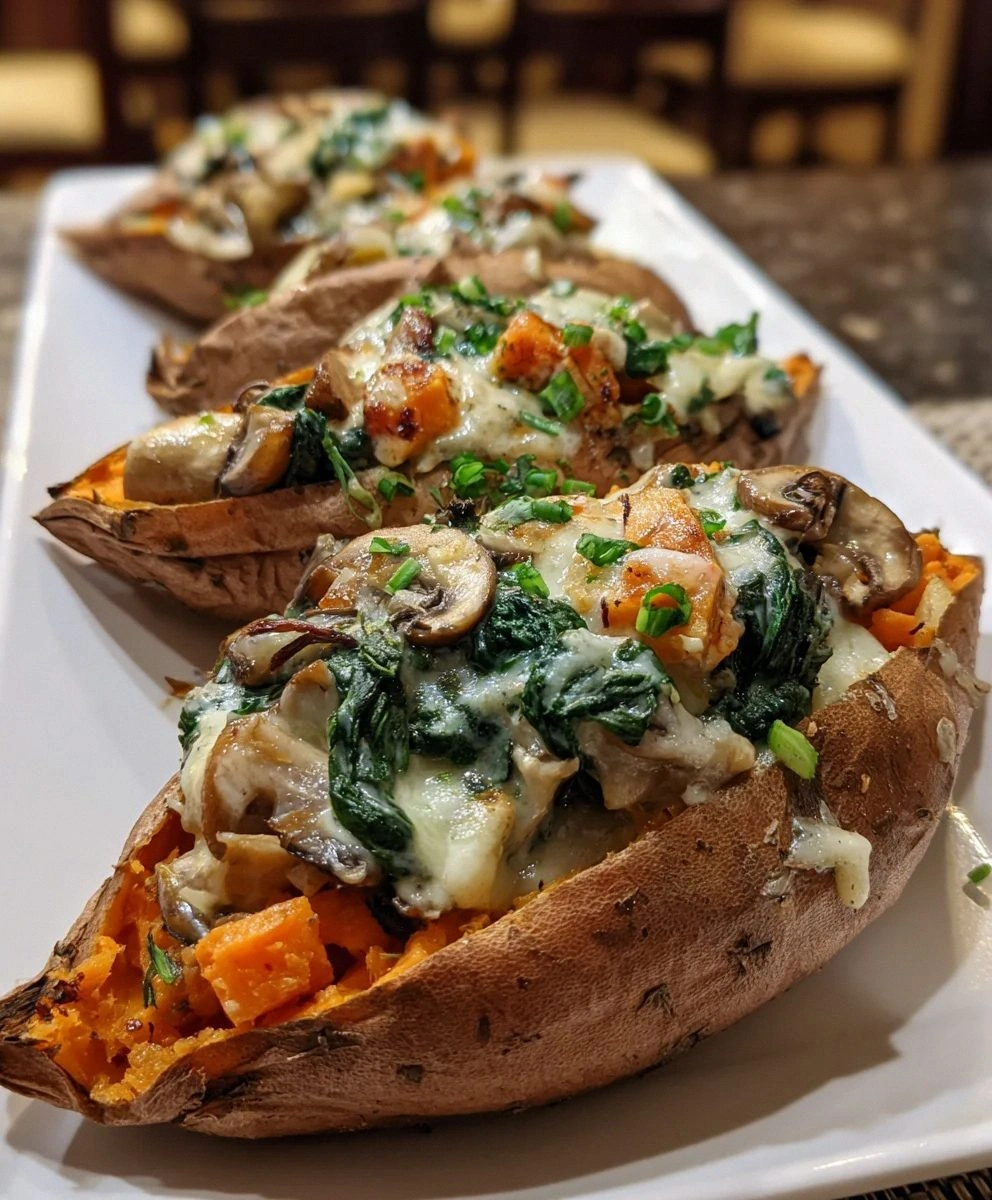
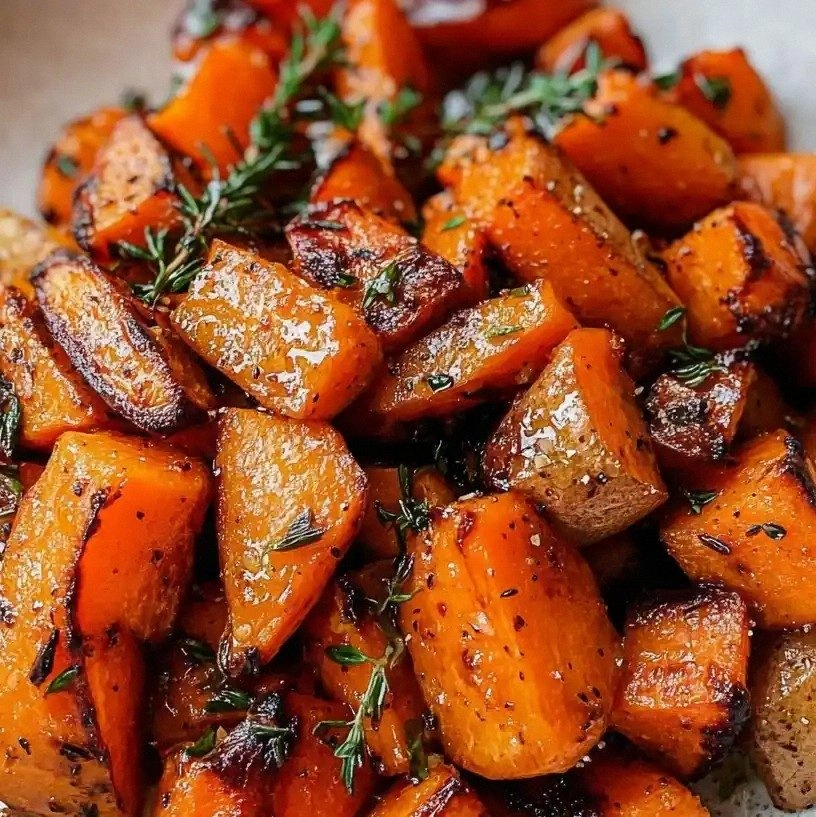
The first thing you notice is the aroma—sweet, earthy, and slightly caramelized, like a forest fire that’s been smoothed with honey. The sound is a satisfying crackle as the veggies hit the hot pan, the sizzle echoing in the kitchen like a tiny drum. The sight is a riot of orange and deep amber, speckled with a glossy sheen from the olive oil and maple syrup. When you take your first bite, the sweet potato is tender inside, almost custard-like, while the carrots offer a subtle chew that’s both satisfying and comforting. The texture is a dance of softness and crispness, a contrast that makes every mouthful a revelation. The final bite leaves a lingering sweetness, a reminder that the right balance of flavors can turn ordinary produce into a celebration.
What makes this version stand out from the countless other “roasted vegetable” recipes? First, it’s the deliberate layering of sweet and savory, with a touch of acidity that cuts through the natural sweetness. Second, the use of maple syrup or honey and balsamic vinegar creates a glaze that’s silky, not sticky, giving the veggies a caramelized finish that feels like a dessert but is perfectly savory. Third, the addition of fresh rosemary and thyme adds a herbal depth that elevates the dish beyond simple roasting. Fourth, the method—preheating the pan, quick searing, then slow roasting—ensures that each vegetable retains its individual character while blending together in harmony. Finally, the recipe’s simplicity—just a handful of pantry staples—means it’s accessible to anyone, even those who consider themselves culinary novices.
And there’s a twist you won’t expect: a splash of balsamic vinegar before the final minutes of roasting. This isn’t just a garnish; it’s a game-changer that brightens the flavors and adds a subtle tang that balances the sweetness. Picture yourself pulling this out of the oven, the whole kitchen smelling incredible, and the plate glistening with a glossy, caramelized coating that looks as good as it tastes. Let me walk you through every single step—by the end, you’ll wonder how you ever made it any other way.
What Makes This Version Stand Out
- Flavor Depth: The combination of maple syrup and balsamic vinegar creates a sweet-sour glaze that coats each bite, turning simple vegetables into a flavor explosion.
- Texture Harmony: The sweet potato is silky inside, while the carrots maintain a slight crunch, offering a delightful contrast that keeps the palate engaged.
- Ingredient Simplicity: Only ten ingredients, all found in a typical pantry, make this dish approachable for even the busiest of cooks.
- Time Efficiency: Prep time is just 10 minutes; the cooking time is 30 minutes, so you’ll have a restaurant-quality dish on the table in under an hour.
- Versatility: It works as a side for dinner, a snack for a gathering, or a base for a hearty salad.
- Crowd-pleaser: The caramelized edges are a visual and culinary treat that will have guests asking for the recipe before you even serve it.
- Make-ahead Potential: You can roast ahead of time and reheat without losing the crispness or flavor.
- Health-conscious: Low in calories, high in fiber, and packed with vitamins, this dish is both delicious and nutritious.
Alright, let's break down exactly what goes into this masterpiece…
Inside the Ingredient List
The Flavor Base
Olive oil is the unsung hero that binds everything together. It carries the flavors, prevents sticking, and gives the veggies a beautiful golden finish. If you’re looking for a heart-healthy twist, switch to avocado oil or a neutral high-smoke-point oil like grapeseed. Skipping oil will result in a dry, unglazed outcome that lacks the glossy sheen that makes this dish so appealing.
The Texture Crew
Sweet potatoes are the star of the show. Their natural starches caramelize beautifully when exposed to heat, creating a creamy interior that feels almost like a custard. Carrots bring a subtle earthiness and a pleasant crunch, especially if you leave the skins on. If you prefer a softer texture, peel the carrots; if you want more bite, leave the skins. The contrast between the two vegetables is what keeps each bite interesting.
The Unexpected Star
Maple syrup or honey is the sweetener that gives this dish its signature glaze. It’s not just about sweetness; the sugars in maple syrup also help the vegetables achieve that coveted caramelized crust. If you’re vegan or allergic to honey, maple syrup is an excellent alternative. A pinch of cinnamon can be added for an extra layer of warmth, but keep it minimal to avoid overpowering the natural flavors.
The Final Flourish
Balsamic vinegar adds acidity that cuts through the sweetness, providing balance and depth. Fresh rosemary and thyme introduce herbal nuances that elevate the dish from simple to sophisticated. If you’re on a low-sodium diet, reduce the salt to half a teaspoon and rely more on the natural flavors of the herbs. The result is a harmonious blend of sweet, savory, and herbaceous tones that dance on your palate.
Everything's prepped? Good. Let's get into the real action…
The Method — Step by Step
- First, preheat a large skillet over medium-high heat. While it’s warming, wash the sweet potatoes and carrots, then slice them into uniform pieces—about 1/2-inch thick for even cooking. This ensures that each piece gets a chance to caramelize properly. I swear, the sizzle when the veggies hit the hot oil is the best part of the day.
- Add the olive oil to the skillet, swirling to coat the bottom. Drop the sweet potato pieces in first; let them sit undisturbed for 2 minutes so they develop a golden crust. The key here is patience—once you move them too early, they’ll steam instead of roast.
- After 2 minutes, flip the sweet potatoes and add the carrots. The carrots should be added at the same time to allow them to absorb the same flavor profile. Stir gently to combine, then sprinkle in the salt, black pepper, garlic powder, and dried thyme. This is the moment where the aroma begins to build, and you’ll know you’re on the right track.
- Reduce the heat to medium, cover the skillet, and let the vegetables steam for 8 minutes. This step ensures that the sweet potatoes become tender inside while the carrots stay crisp on the edges. Keep an eye on them; the goal is to avoid overcooking the carrots.
- Uncover the skillet, increase the heat back to medium-high, and drizzle in the maple syrup or honey. Stir to coat the vegetables evenly, then pour the balsamic vinegar over the top. This combination creates a glossy glaze that sticks to each piece, giving them that irresistible shine.
- Sprinkle the fresh rosemary over the top, then let the vegetables roast uncovered for 5-7 minutes. The rosemary will release its oils, infusing the dish with a fragrant aroma that’s almost intoxicating. The glaze should thicken slightly, forming a caramelized coating that clings to the sweet potatoes and carrots.
- Taste a piece—if it’s a little too sweet, a pinch of salt will balance the flavors; if it’s too dry, a splash of water or a few more drops of oil will restore moisture. Adjust the seasoning to your preference, but remember, the goal is to let the natural sweetness shine through without overpowering.
- Serve immediately, either as a side dish or as a hearty component of a larger meal. The vegetables should be warm, glossy, and slightly caramelized on the edges. If you’re plating for an event, arrange the veggies in a fan shape for visual appeal.
That's it — you did it. But hold on, I've got a few more tricks that'll take this to another level...
Insider Tricks for Flawless Results
The Temperature Rule Nobody Follows
Most people think a single heat setting is enough for roasting, but the truth is, the best flavor comes from a two-stage approach: start high to sear, then lower to steam. This method locks in moisture while still achieving that caramelized exterior. I once tried roasting everything on low heat and ended up with soggy veggies—don’t make the same mistake.
Why Your Nose Knows Best
The aroma is a reliable indicator of doneness. When the sweet potatoes start to smell sweet and caramelized, that’s your cue to lower the heat. If you notice a faint burnt scent, you’re overcooking. Trust your nose, and you’ll never overcook again.
The 5-Minute Rest That Changes Everything
Letting the dish rest for 5 minutes after removing it from heat allows the glaze to set and the flavors to meld. This simple step ensures that each bite is evenly coated and the sweetness is perfectly balanced. I swear, the rest period is the secret that makes this dish stand out.
Keep the Pan Clean, Keep the Flavor
After each batch, wipe the skillet with a paper towel to remove excess oil and sugar residue. This prevents unwanted caramelization on subsequent batches and keeps the flavor pure. If you’re cooking for a crowd, this small step saves you from a sticky mess.
Add a Splash of Citrus
A squeeze of fresh lemon or lime just before serving adds brightness and cuts through the richness. It also enhances the visual appeal, giving the dish a pop of color that’s almost irresistible. If you’re feeling adventurous, try a few drops of orange juice for a sweeter citrus note.
Creative Twists and Variations
This recipe is a playground. Here are some of my favorite ways to switch things up:
Spicy Jalapeño Twist
Add sliced jalapeños or a pinch of cayenne pepper to the seasoning mix for a fiery kick that pairs beautifully with the sweet undertones. This variation is perfect for those who love a little heat.
Mediterranean Medley
Replace the maple syrup with a drizzle of extra virgin olive oil and sprinkle chopped Kalamata olives on top. The briny olives add a salty depth that complements the sweet potatoes.
Cheesy Finale
After roasting, sprinkle shredded mozzarella or feta cheese over the top and broil for 2 minutes until the cheese melts into a golden crust. The cheese adds a creamy, indulgent layer that turns the dish into a comforting bowl.
Herb-Infused Oil
Infuse the olive oil with fresh rosemary and thyme before roasting. This step intensifies the herbal flavor profile, making each bite aromatic and fragrant.
Gluten-Free Grilled Version
Instead of a skillet, grill the vegetables on a preheated grill pan. The smoky char adds a new dimension to the dish, making it ideal for outdoor gatherings.
Storing and Bringing It Back to Life
Fridge Storage
Cool the roasted veggies completely, then store them in an airtight container in the refrigerator for up to 4 days. The glaze may thicken, but it will still taste fantastic when reheated.
Freezer Friendly
Pack the cooled vegetables in a freezer-safe bag, removing as much air as possible. They can be frozen for up to 2 months. Thaw overnight in the refrigerator before reheating.
Best Reheating Method
Reheat in a skillet over medium heat, adding a splash of water or broth to create steam. This technique restores moisture and prevents the glaze from becoming overly thick. Finish with a drizzle of fresh olive oil to revive the glossy finish.