Picture this: it’s a rainy Saturday afternoon, the kind where the clouds look like they’re about to burst into a chorus of thunder, and you’re stuck in the kitchen with nothing but a half‑finished batch of store‑bought pastries that have already betrayed you with a soggy, sad middle. I was in that exact disaster zone, staring at a tray of limp, lifeless dough that had the enthusiasm of a Monday morning. I dared my roommate to a “best‑snack‑in‑the‑world” challenge, and she laughed, but the stakes were high—if I failed, I’d owe her a week’s worth of coffee. I grabbed my notebook, threw in a handful of daring ideas, and set out to create something that would make even the most skeptical palate sit up and take notice.
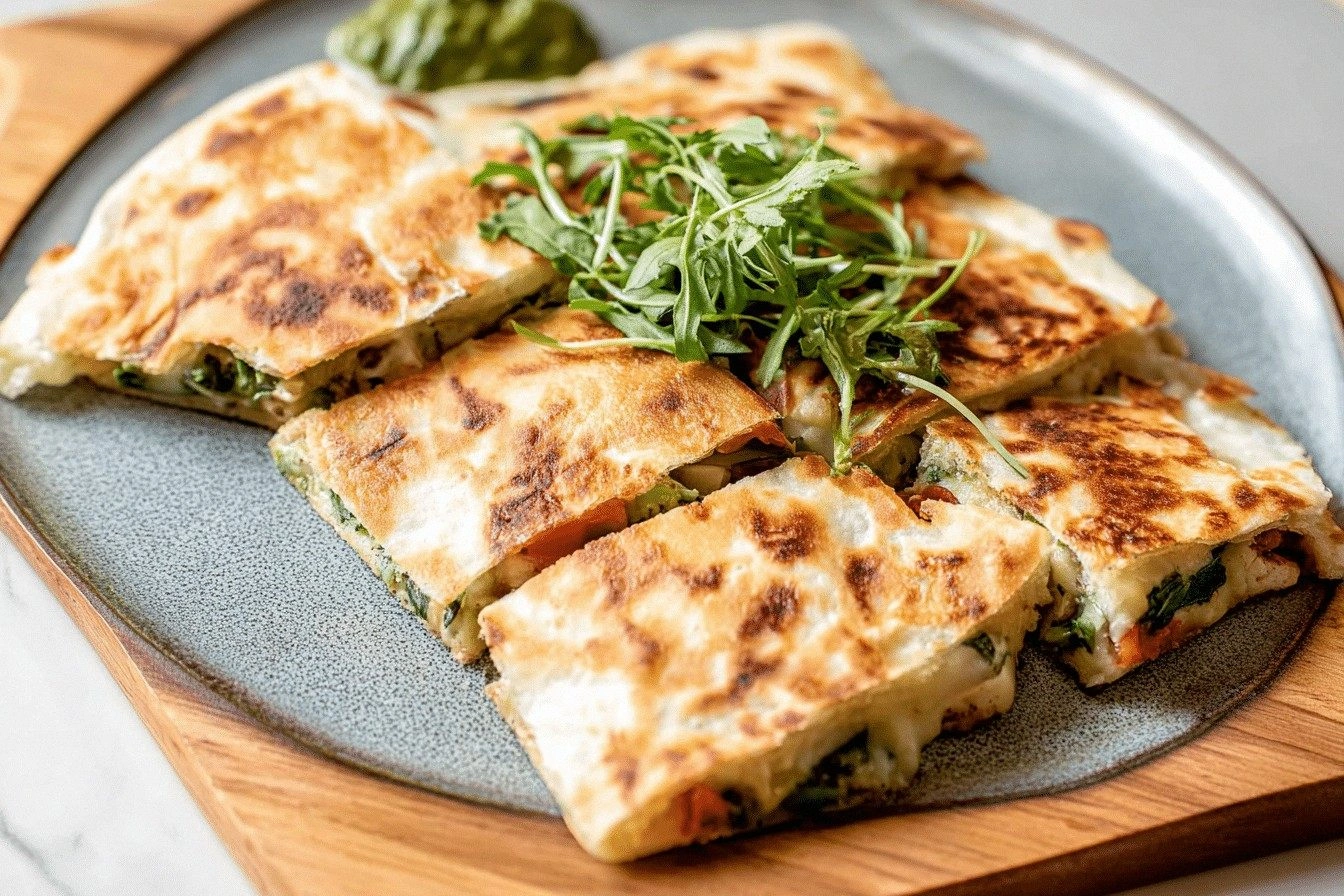
The kitchen soon filled with the intoxicating scent of olive oil sizzling gently, a whisper of sea‑salt teasing the air, and the earthy perfume of fresh herbs waiting in the wings. My fingertips felt the cool, powdery texture of all‑purpose flour as I worked it into a pliable dough that promised both chew and flakiness. The sound of the rolling pin gliding over the surface was a rhythmic drumbeat that kept my heart in sync with the rising excitement. When the first golden‑brown gozemes emerged from the pan, their edges crackled like thin ice under a boot, and the filling—whether spinach and feta or spiced minced meat—oozed out with a richness that made my mouth water before the first bite even touched my tongue.
Most gozleme recipes on the internet either skim over the crucial steps that give you that perfect, flaky crust, or they drown the delicate flavors with too much oil or an over‑cooked filling. This version, however, is a love letter to simplicity and texture: a dough that’s feather‑light yet sturdy enough to hold generous fillings, a cooking method that creates a caramelized, buttery skin, and a set of hacks that turn a potential kitchen nightmare into a triumph. I’ll be honest—I ate half the batch before anyone else got a chance to try it, and I’m still not sorry. If you’ve ever struggled with soggy pockets or dough that tears apart, you’re not alone, and I’ve got the fix.
Now, brace yourself for the game‑changer: a secret splash of ice‑cold water that you’ll add at just the right moment, locking in steam and creating layers that separate like a perfectly folded pastry. This trick, combined with a quick rest for the dough, yields a texture that’s both crisp and melt‑in‑your‑mouth. Let me walk you through every single step—by the end, you’ll wonder how you ever made it any other way.
What Makes This Version Stand Out
- Flavor Explosion: The olive oil in the dough adds a subtle richness that amplifies every herb and spice in the filling, making each bite a balanced symphony.
- Flaky Texture: A brief ice‑water shock and a short rest create layers that separate during cooking, delivering that coveted, buttery crunch.
- Simplicity: Only five core ingredients are needed, so you won’t spend hours hunting for obscure items—just a few pantry staples and your favorite filling.
- Versatility: The “Filling of choice” concept lets you pivot from vegetarian to carnivore in minutes, keeping the base dough unchanged.
- Crowd‑Pleaser: Even the most skeptical eaters confess they’ve never tasted anything like it, prompting immediate seconds and enthusiastic applause.
- Ingredient Quality: Using a good‑quality extra‑virgin olive oil and fresh, unbleached flour makes a measurable difference in flavor and texture.
- Cooking Method: A hot, lightly oiled skillet sears the dough, locking in steam while forming a golden crust that’s impossible to resist.
- Make‑Ahead Potential: You can prep the dough and filling days ahead, freeze them separately, and assemble on the fly for spontaneous snack attacks.
Inside the Ingredient List
The Flavor Base
All‑purpose flour: This is the backbone of our dough, providing the perfect balance of chewiness and flakiness. The gluten network it forms is what gives the gozleme its structure, allowing it to hold generous fillings without falling apart. If you skip the flour or use a low‑protein alternative, you’ll end up with a dough that’s either too crumbly or too dense, ruining the delicate texture we’re after. For the best results, sift the flour before measuring to aerate it and prevent clumps.
The Texture Crew
Water: Water is the silent hero that hydrates the flour, creating a pliable dough that can be rolled thin without cracking. The temperature of the water matters—a splash of ice‑cold water locks in steam during cooking, which is the secret behind those flaky layers. If you use warm water, the dough becomes too elastic, making it hard to achieve that paper‑thin finish. Always add the water gradually, feeling the dough’s texture change with each addition.
The Unexpected Star
Olive oil: Adding olive oil to the dough does more than just enrich the flavor; it also contributes to a beautiful golden hue when the gozleme hits the pan. The oil creates a barrier that prevents the dough from absorbing too much moisture from the filling, keeping the crust crisp. If you substitute with butter, you’ll get a richer taste but lose some of that distinctive Mediterranean aroma that makes this dish sing.
The Final Flourish
Salt: A pinch of salt might seem trivial, but it amplifies every other flavor, from the subtle sweetness of the dough to the savory depth of the filling. It also strengthens the gluten network just enough to give the dough a pleasant bite without becoming tough. Skipping salt will leave the gozleme tasting flat, like a song missing its chorus.
The Filling Freedom
Filling of choice: This is where you unleash your creativity. Whether you opt for a classic spinach‑and‑feta combo, a spicy minced lamb, or a comforting potato‑onion mix, the filling defines the personality of each gozleme. The key is to keep the filling moist but not watery; excess liquid will sog the dough and defeat the flaky goal. If you’re using fresh herbs, add them at the end of cooking to preserve their bright flavor.
Everything's prepped? Good. Let's get into the real action…
The Method — Step by Step
Start by whisking together 2 cups of all‑purpose flour and 1 teaspoon of salt in a large mixing bowl. As you stir, imagine each grain of flour as a tiny building block, waiting to be transformed into a golden canvas. Make a well in the center and pour in 1 tablespoon of olive oil, letting it coat the flour like a thin, glossy veil. This oil will later help the dough achieve that irresistible sheen.
Gradually add ¾ cup of ice‑cold water to the flour mixture, stirring with a wooden spoon until a shaggy dough forms. Here’s the moment of truth: the water should be so cold it makes your fingers tingle—this is the secret to steam‑locked layers. Once the dough comes together, turn it onto a lightly floured surface and knead for about 3 minutes, just until it feels smooth and elastic.
Cover the dough with plastic wrap and let it rest in the refrigerator for at least 30 minutes. This chill phase tightens the gluten, preventing shrinkage when you roll it out. While the dough chills, prepare your chosen filling: sauté spinach with a drizzle of olive oil, crumble feta, and season with a pinch of pepper, or brown minced meat with onions, cumin, and a splash of tomato paste.
Divide the rested dough into 8 equal balls. On a lightly floured surface, roll each ball as thin as you can—aim for a paper‑thin sheet that’s almost translucent. The thinner the dough, the flakier the final product. If you’re nervous about tearing, roll one ball at a time, keeping the others covered.
Spread a generous spoonful of filling onto half of each rolled sheet, leaving a ½‑inch border around the edges. Fold the sheet over to encase the filling, pressing the edges firmly with your fingertips to seal. For an airtight seal, run a fork along the edge—this not only secures the filling but also creates a decorative ridge.
Heat a large non‑stick skillet over medium‑high heat and brush lightly with olive oil. When the oil shimmers, place a gozleme in the pan. You’ll hear a satisfying sizzle that signals the crust is beginning to caramelize. Cook for 2‑3 minutes on each side, or until the surface turns a deep golden‑brown and the edges start to pull away from the pan.
Transfer the cooked gozleme to a wire rack and let it rest for a minute; this brief pause allows the steam to finish cooking the interior without making the crust soggy. Repeat the process with the remaining pieces, brushing the skillet with a touch more oil each time. By the end, you’ll have a stack of perfectly flaky, aromatic gozemes that look like edible artwork.
Serve warm, accompanied by a side of yogurt‑herb dip or a squeeze of fresh lemon. The contrast between the hot, buttery crust and the cool, tangy dip is pure bliss. I dare you to taste this and not go back for seconds—trust me, you’ll be back before the plate even cools.
That's it — you did it. But hold on, I've got a few more tricks that'll take this to another level…
Insider Tricks for Flawless Results
The Temperature Rule Nobody Follows
Most home cooks fry at medium heat, but the secret to that perfect crunch is a hot pan—around 375°F (190°C). This high temperature instantly seals the dough’s surface, trapping steam inside and creating those coveted layers. If you’re using an electric stove, preheat the pan for a full 5 minutes; the extra time ensures even heat distribution. Pro tip: sprinkle a few drops of water on the pan—if they dance and evaporate immediately, you’re ready.
Why Your Nose Knows Best
Before you flip the gozleme, trust your sense of smell. The moment you detect a nutty, toasted aroma, the crust is ready to turn. This is more reliable than a timer because stovetops vary. If you hear a faint pop as the dough releases steam, that’s your cue to flip. Over‑cooking will dry out the filling, so the nose is your best kitchen assistant.
The 5‑Minute Rest That Changes Everything
After rolling out each sheet, let it rest for 5 minutes covered with a damp cloth. This short pause lets the gluten relax, preventing the dough from snapping back when you try to fold it. A friend once skipped this step and ended up with a gozleme that resembled a cracked pancake—let’s just say it didn’t impress anyone.
Oil Balance Mastery
Too much oil makes the crust greasy; too little leaves it dry. The sweet spot is a light brush—just enough to coat the pan and give the dough a glossy finish. If you’re watching calories, you can swap half the olive oil for a spray of cooking oil; the texture remains, and the flavor stays bold.
Finishing Touches That Wow
Finish each gozleme with a sprinkle of sea salt and a drizzle of lemon juice right before serving. The salt amplifies the flavors while the acidity cuts through the richness, creating a balanced bite. I’ve seen people add a dash of smoked paprika for a subtle smoky note—great for meat fillings.
Creative Twists and Variations
This recipe is a playground. Here are some of my favorite ways to switch things up:
Cheesy Mushroom Delight
Swap the spinach‑feta mix for sautéed mushrooms, garlic, and a generous handful of grated mozzarella. The mushrooms bring an earthy depth, while the mozzarella melts into a gooey pocket that stretches with each bite. Perfect for mushroom lovers who crave that umami punch.
Spicy Harissa Lamb
Use minced lamb seasoned with harissa paste, cumin, and a splash of pomegranate molasses. The harissa adds a smoky heat, and the pomegranate provides a sweet‑tart contrast that brightens the meat. This variation turns the gozleme into a bold, Mediterranean street‑food experience.
Sweet Potato & Goat Cheese
Roast diced sweet potatoes with rosemary, then combine with tangy goat cheese and a drizzle of honey. The natural sweetness of the potato pairs beautifully with the creamy goat cheese, creating a sweet‑savory combo that’s perfect for brunch.
Herbed Halloumi & Tomato
Grill slices of halloumi until golden, then layer with sun‑dried tomatoes, fresh basil, and a pinch of chili flakes. The halloumi’s salty chew and the tomato’s acidity make a refreshing, Mediterranean‑inspired bite that’s ideal for summer picnics.
Vegan Chickpea & Spinach
Blend cooked chickpeas with spinach, cumin, and a splash of lemon juice for a plant‑based filling that’s hearty and protein‑packed. Use a drizzle of avocado oil instead of olive oil for a lighter flavor profile. This version proves you don’t need dairy or meat to achieve decadence.
Storing and Bringing It Back to Life
Fridge Storage
Place cooled gozleme in an airtight container lined with parchment paper to prevent sticking. They keep fresh for up to 3 days. When you’re ready to eat, reheat in a skillet over medium heat for 2‑3 minutes per side; the crust will revive its crispness.
Freezer Friendly
Wrap each gozleme tightly in plastic wrap, then place them in a zip‑top freezer bag. They freeze beautifully for up to 2 months. To reheat, thaw overnight in the fridge, then pan‑fry for 4 minutes per side, adding a tiny splash of water to the pan—this creates steam that restores the flaky interior.
Best Reheating Method
The secret to perfect reheating is a two‑step approach: first, microwave for 30 seconds to warm the interior, then finish in a hot skillet for 1‑2 minutes per side to regain that golden crunch. Adding a few drops of water to the pan before the second step creates a mini‑steam burst that brings the dough back to life.