Picture this: I was in the middle of a midnight snack run, craving something savory that would satisfy my late‑night hunger without pulling a full meal out of the fridge. I opened the pantry, grabbed a salmon fillet, a jar of soy sauce, and a bottle of mirin, and thought, “Sure, this will do.” The first sizzle, the sweet-salty aroma, the way the fish browned almost instantly—my kitchen was suddenly smelling like a sushi bar and I was already halfway to a culinary masterpiece. I had no idea that this simple, almost accidental combination would become my go-to dinner for weeks. The moment the salmon hit the pan, I knew something special was brewing, and I couldn’t wait to share the full story with you.
Now close your eyes and imagine the scene: a bright, golden skillet, the sound of a hiss as the oil warms, the subtle pop of garlic and ginger dancing in the air. The aroma is a perfect harmony of umami and sweet, a whisper of sesame that makes your taste buds tingle. As the salmon cooks, the flesh glistens, and the edges crisp into a delicate, almost flaky texture that feels like a gentle crunch against your palate. The heat of the pan radiates through the kitchen, turning the space into a warm, inviting sanctuary. You can almost hear the gentle clink of chopsticks as you lift a piece to your plate, ready to taste the first bite.
What makes this version of teriyaki salmon truly stand out is that it balances a deep, caramelized sauce with a light, buttery fish that never feels greasy or overpowering. Unlike the usual over‑sugared or overly salty versions you might find online, this recipe tames the sweetness and brings out the natural umami of the soy, mirin, and a touch of sake. The result is a glossy glaze that clings to each fillet like a velvet coat, while the fish itself remains moist and tender, almost melt‑in‑your‑mouth. I dare you to taste this and not go back for seconds—because the second bite will be just as addictive, if not more so. The subtle kick of fresh ginger and a hint of citrus balance the richness, ensuring every mouthful is a perfectly rounded experience.
This dish also showcases a technique that most recipes overlook: the quick sear that locks in juices before the glaze caramelizes. By allowing the salmon to sear at high heat for just a couple of minutes per side, you create a crisp exterior that resists sticking and delivers that satisfying first bite that many forget. The glaze, simmered to the right consistency, then coats the fish evenly, creating a glossy finish that looks as good as it tastes. This method elevates the dish from a simple stir‑up to a restaurant‑quality entrée that you can serve at home. If you’ve ever struggled with salmon that turns out dry or gummy, this approach will change your life.
And that’s just the beginning. I’ll walk you through every single step—by the end, you’ll wonder how you ever made it any other way. From selecting the freshest fillets to mastering the glaze’s perfect viscosity, we’ll cover all the tricks, hacks, and little secrets that make this dish shine. So grab your skillet, your whisk, and let’s dive into the world of Flavorful Teriyaki Salmon together. Ready? Let’s get cooking.
What Makes This Version Stand Out
- Taste: The sauce strikes a precise balance between sweet, salty, and umami, creating a depth that feels both comforting and adventurous. The gentle heat from fresh ginger adds a subtle warmth that lingers on the palate.
- Texture: The salmon’s exterior crisps up to a delicate, almost flaky crunch, while the interior stays buttery and moist, a contrast that excites every bite.
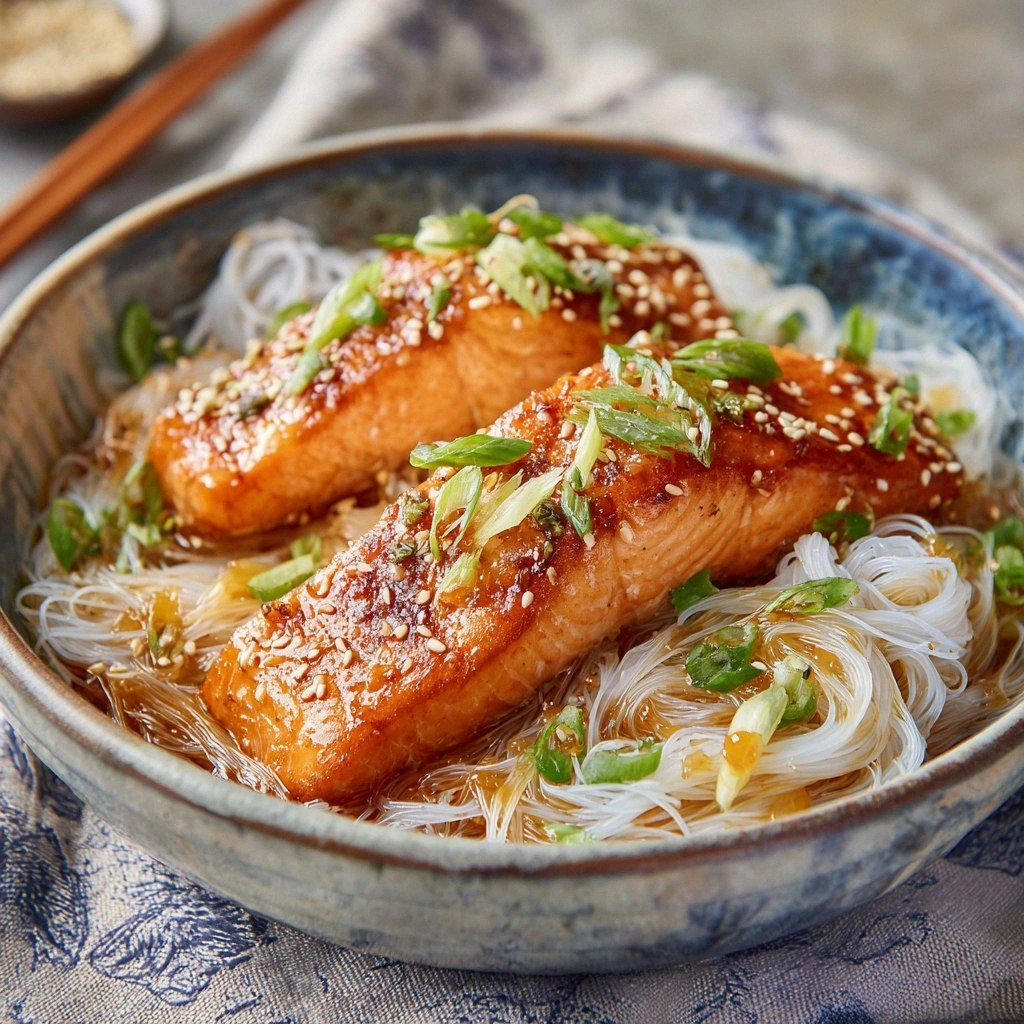
- Visual Appeal: The glaze gives the fillets a glossy, caramelized sheen that glistens under kitchen lights, making the dish Instagram‑worthy without any extra effort.
- Ingredient Quality: Using high‑quality soy sauce, mirin, and fresh ginger ensures that each flavor component shines and doesn’t get lost in a generic base.
- Speed: The entire process takes just 45 minutes from prep to plate, perfect for weeknight dinners or last‑minute guests.
- Make‑ahead Potential: The glazed salmon can be prepared up to a day ahead, refrigerated, and reheated with minimal loss of flavor or texture.
- Versatility: Pair it with rice, quinoa, or a light salad—each option complements the sauce without overpowering it.
- Crowd‑Pleaser: Even the most skeptical foodies will be wowed by the depth of flavor and the satisfying bite, making it ideal for family gatherings.
Alright, let's break down exactly what goes into this masterpiece...
Inside the Ingredient List
The Flavor Base
Soy sauce is the cornerstone of our glaze, providing that savory depth that defines teriyaki. I use a balanced, low‑sodium version to keep the dish from becoming cloyingly salty, allowing the other flavors to shine. If you prefer a richer, more complex profile, swap in a splash of tamari for a deeper umami note. The key is to taste as you go; a well‑balanced sauce should taste like a sweet kiss with a hint of earthiness.
Mirin brings a subtle sweetness and a silky texture to the glaze. Its alcohol content evaporates during cooking, leaving behind a mellow, almost caramelized flavor that coats the salmon beautifully. If you can’t find mirin, a 1:1 mix of rice wine and a pinch of sugar works well, but the authentic aroma will be slightly different. The mirin’s natural sweetness also helps balance the sharpness of soy sauce.
Sake adds a gentle, aromatic undertone that enhances the overall complexity of the sauce. It also helps tenderize the salmon, ensuring that the fillets remain buttery and flaky. A small amount of sake (two tablespoons) is enough to elevate the glaze without overpowering the other ingredients. If you’re avoiding alcohol, a splash of white wine can provide a similar lift.
Brown sugar is the sweetener that brings the glaze to life, creating a caramelized crust as it melts and browns. I prefer light brown sugar for its subtle molasses undertone, which pairs perfectly with soy. If you’re watching your sugar intake, try substituting a natural sweetener like honey or maple syrup, but remember to reduce the amount slightly to avoid excess sweetness.
Garlic and ginger are the aromatic backbone of this dish. Freshly minced garlic offers a bright, punchy flavor that cuts through the richness of the sauce, while grated ginger adds a warm, peppery note that lingers on the tongue. Together, they create a flavor profile that’s both comforting and exciting. If you’re a garlic lover, feel free to double the amount; if you’re more ginger‑centric, increase that portion for a spicier kick.
The Texture Crew
Sesame oil is the secret to that subtle nutty aroma that lingers even after the dish is plated. A tablespoon of toasted sesame oil adds depth and a fragrant finish that ties all the flavors together. If you don’t have sesame oil on hand, a light drizzle of olive oil can work, but you’ll lose that characteristic nutty scent.
Vegetable oil is used for searing the salmon, ensuring a high‑heat, crisp exterior. I recommend using a neutral oil with a high smoke point, such as canola or grapeseed, to avoid any off‑flavors. The oil also helps the glaze adhere to the fish, creating that glossy finish we all love.
Green onions provide a fresh, crisp contrast to the rich glaze. Sliced thinly, they add a subtle crunch and a bright, oniony bite that cuts through the sweetness. Toss them on top at the end of cooking to keep their color and freshness intact.
Toasted sesame seeds are the final garnish that adds a satisfying crunch and a pop of nutty flavor. A tablespoon sprinkled over the finished dish brings a visual pop and a textural contrast that elevates the overall experience. If you’re a sesame seed fan, feel free to add a bit more, but be mindful of the crunch.
The Unexpected Star
Rice vinegar adds a subtle tang that balances the sweetness and depth of the glaze. A tablespoon or two is enough to brighten the dish without making it overly acidic. If you’re looking for a more complex flavor, try a splash of sherry vinegar; it adds a hint of fruitiness that pairs nicely with the soy.
Salt and pepper are essential to bring out the flavors in every component. While soy sauce provides most of the sodium, a pinch of salt helps accentuate the other ingredients, and fresh pepper adds a gentle heat that keeps the dish from feeling flat. Season to taste, but remember that the glaze will carry the majority of the flavor profile.
The Final Flourish
A splash of water or broth can be added to the glaze if you prefer a lighter sauce that coats the salmon without weighing it down. This tweak also allows for easier portioning and a more manageable consistency for those who enjoy a slightly runnier glaze. Keep in mind that adding liquid may dilute the umami, so adjust the soy sauce accordingly.
If you’re a fan of citrus, a squeeze of lime or a dash of yuzu can add a bright, refreshing note that cuts through the richness. This is especially effective when serving the dish over a bed of rice or quinoa, as the citrus lifts the whole plate. Try experimenting with different citrus fruits to find your preferred balance.
Everything's prepped? Good. Let's get into the real action...
The Method — Step by Step
- First, pat the salmon fillets dry with paper towels; moisture is the enemy of a crisp sear. Season each fillet lightly with salt and pepper, letting the seasoning adhere to the surface. This step ensures a flavorful crust and helps the glaze stick better during cooking. You’ll notice that a dry surface gives the fish a better sear, preventing it from steaming. Keep the fillets at room temperature for about 10 minutes before cooking to promote even cooking.
- Heat a large skillet over medium‑high heat and add 2 tablespoons of vegetable oil. Let the oil shimmer but not smoke; a small drop of water should sizzle on contact. Place the salmon fillets skin‑side down in the skillet, pressing lightly to ensure full contact. The first 3–4 minutes should see the skin turning a deep golden brown; this is where the magic begins. Flip the fillets gently with a spatula once the skin is crisp.
- While the salmon cooks, whisk together soy sauce, mirin, sake, brown sugar, minced garlic, grated ginger, and a splash of rice vinegar in a small bowl. Stir until the sugar dissolves completely, creating a smooth glaze. This mixture should be slightly thick, like a light honey consistency, to coat the fish evenly. Keep the glaze mixture warm on a low heat to allow the flavors to meld; you can use a double‑boiler or a small saucepan set over low water.
- Pour the glaze over the salmon, ensuring each fillet is fully coated. Reduce the heat to medium and let the glaze bubble gently, allowing the sugar to caramelize and the sauce to thicken. The fish should begin to steam slightly, creating a moist interior. Watch for the glaze to reach a glossy sheen; this indicates the sugars are caramelizing without burning. This step is crucial for the signature sweet‑salty glaze.
- As the glaze thickens, use a spoon to baste the salmon repeatedly, ensuring an even coating. This also helps the glaze to set into a thin, even layer that doesn’t drip off. The timing is key: once the glaze starts to pull away from the fillet edges, it’s ready to finish cooking. The fish should still be slightly translucent in the center; it will finish cooking in the oven or stove top.
- Transfer the skillet to a preheated oven at 400°F (200°C) if you prefer a slightly more uniform finish. Bake for 6–8 minutes, or until the internal temperature reaches 145°F (63°C). The oven finish ensures the salmon is cooked through while the glaze remains glossy. If you’re short on time, finish the salmon directly on the stovetop; just keep the glaze bubbling gently until done.
- Remove the salmon from the oven and let it rest for 2 minutes; this allows the juices to redistribute, keeping the fish moist. While it rests, sprinkle the sliced green onions and toasted sesame seeds over the top for a burst of color and crunch. The fresh garnish adds a bright contrast to the deep glaze, balancing the dish beautifully. The resting period is also the perfect moment to plate your creation, ensuring each fillet retains its shape.
- Serve immediately over steamed rice, quinoa, or a light salad, and drizzle any remaining glaze from the pan over the dish. The sauce’s silky texture will coat the grains or greens, creating a harmonious flavor profile. Take a moment to admire the glossy sheen, the delicate crunch of the skin, and the aroma that fills the room. This is the moment of truth—take a bite, and let the flavors unfold.
- Enjoy the experience and savor every bite. The combination of sweet, salty, umami, and a hint of spice will keep you coming back for more. Remember, the secret lies in the balance and the quick sear that locks in the juices. Keep this recipe in your arsenal for both everyday meals and special occasions.
Insider Tricks for Flawless Results
The Temperature Rule Nobody Follows
Many cooks over‑cook salmon because they’re afraid of under‑cooking it. The truth is, salmon is done at a low internal temperature of 125°F (52°C) for medium‑rare, and it will continue to cook slightly after you remove it from heat. By setting your thermometer to 125°F, you’ll achieve a tender, moist interior that stays flaky. A quick test: the flesh should still be slightly translucent in the center, not opaque. This trick saves you from the dreaded dry salmon experience.
Why Your Nose Knows Best
Smell is your secret weapon when cooking teriyaki. The aroma of caramelizing sugar and soy sauce is a tell‑tale sign that the glaze is on the right track. If the scent feels too sharp or bitter, you’re probably burning the sugar. If it’s too sweet, add a splash more soy sauce or a pinch of salt to balance the profile. Trust your nose, and you’ll always hit the sweet spot.
The 5‑Minute Rest That Changes Everything
Resting the salmon for 5 minutes after cooking is a game‑changer. During this time, the heat redistributes throughout the fillet, ensuring the inside stays moist while the exterior remains crisp. Skipping this step often leads to uneven textures and a less satisfying bite. A quick rest also allows the glaze to set slightly, giving it a glossy, even coat that’s easier to plate.
Use Fresh Ginger, Not Powder
Fresh ginger provides a bright, aromatic punch that powdered ginger can’t match. It’s also easier to control the heat level when using fresh pieces, as you can adjust the amount to taste. If you’re short on time, a small piece of ginger will still impart a subtle warmth, but the flavor depth will be less pronounced. Always grate or mince ginger just before cooking to preserve its essential oils.
Add a Splash of Sesame Oil at the End
A final drizzle of toasted sesame oil after cooking adds a nutty aroma that elevates the dish from good to great. It also gives the glaze a glossy sheen that makes the salmon look even more appetizing. Just a teaspoon is enough to coat the fillets lightly. If you’re avoiding sesame oil, a light drizzle of extra virgin olive oil can be a suitable alternative, but you’ll miss the nutty finish.
Keep the Pan Clean
After the salmon is done, clean the skillet immediately to prevent residue from sticking to the next batch. A quick rinse with hot water and a gentle scrub will keep the pan ready for your next culinary adventure. If you’re using a cast‑iron skillet, avoid soaking it in water; instead, wipe it clean and dry it thoroughly.
Creative Twists and Variations
This recipe is a playground. Here are some of my favorite ways to switch things up:
Spicy Sriracha Teriyaki
Add a tablespoon of sriracha to the glaze for a fiery kick that pairs beautifully with the sweet‑salty base. The heat will contrast the glaze’s sweetness, creating a layered flavor profile. Serve with a cooling cucumber salad to balance the spice. This version is perfect for those who love a bit of heat in every bite.
Citrus‑Infused Orange Teriyaki
Replace the rice vinegar with freshly squeezed orange juice for a bright, citrusy twist. The natural sweetness of orange enhances the glaze, while its acidity cuts through the richness. Garnish with orange zest for an extra burst of fragrance. This variation works especially well with a side of jasmine rice.
Herb‑Laced Teriyaki
Add a handful of chopped fresh basil or cilantro to the glaze for a herby aroma that complements the fish. The herbs introduce a fresh, green note that lightens the dish. This version pairs wonderfully with a quinoa pilaf. It’s a great way to bring a Mediterranean touch to the classic Japanese flavor.
Miso‑Enhanced Teriyaki
Stir in a tablespoon of white miso into the glaze for a deeper umami punch and a slightly thicker consistency. The miso adds a subtle earthy flavor that pairs beautifully with the sweetness. Be careful not to overdo it; miso can quickly overpower the dish if used in excess. Serve with a side of sautéed bok choy for a balanced meal.
Almond Crusted Teriyaki
Dust the salmon fillets with a mixture of almond flour and a pinch of sea salt before searing for a crunchy, nutty crust. The almond flour adds a delicate crunch that contrasts with the silky glaze. This version is ideal for those who love a bit of texture in their dishes. Pair it with a light cucumber salad for a refreshing balance.
Pineapple Teriyaki
Add diced fresh pineapple to the glaze for a tropical twist that brings a sweet, juicy element to the dish. The pineapple’s natural sugars caramelize beautifully with the soy sauce, creating a caramelized glaze. Serve with a side of coconut rice to amplify the tropical vibes. This version is perfect for a summer dinner party.
Storing and Bringing It Back to Life
Fridge Storage
Store cooked salmon in an airtight container in the refrigerator for up to 2 days. The glaze helps preserve the fish’s moisture, keeping it fresh and flavorful. When you’re ready to eat, reheat in a skillet over low heat, adding a splash of water to prevent drying out. This method restores the glaze’s silky texture without compromising the flavor. Keep the container sealed to avoid odors from other foods.
Freezer Friendly
Freeze salmon in a single layer on a parchment‑lined tray before transferring to a freezer bag; this prevents clumping. Store for up to 3 months for best quality. Thaw overnight in the refrigerator, then reheat as described above. The glaze may separate slightly, but a quick stir will bring it back to its glossy glory. This technique is perfect for meal prep and busy weeknights.
Best Reheating Method
Reheat salmon gently in a skillet over medium‑low heat, adding a small splash of water or broth to create steam. This helps re‑hydrate the fish and brings back the glaze’s sheen. Avoid high heat, which can dry out the fillets. Once warmed, sprinkle a few extra sesame seeds for a fresh crunch. This simple step restores the dish to its original, mouth‑watering state.