I was standing in my kitchen, eyes glued to the screen, when the stove alarm screamed, “Fire!” The pan of sautéed onions had turned into a charcoal char, and I had no idea how to salvage it. I stared at the charred mess, wondering if my culinary career was doomed. Then, a sudden craving for a comforting, vegetable‑heavy dish hit me like a warm hug. That craving sparked the idea that this disaster could turn into a masterpiece. I grabbed my notebook and started jotting down a plan that would become the French Ratatouille Recipe.
The kitchen smelled of burnt onion, but I could already taste the promise of sweet tomatoes and earthy eggplant. The sight of the steaming skillet made my heart beat faster, like a drum in a jazz club. I could hear the sizzle of olive oil as it kissed the veggies, a sound that promised flavor. The texture of the vegetables was a gentle contrast: the zucchini’s crispness against the eggplant’s velvety softness. I could almost feel the heat radiating from the pan, a gentle warmth that made me smile. The anticipation was almost too much to bear, but I kept my focus on the end result.
What makes this version stand out is not just the traditional mix of vegetables, but the way I layer flavors and textures to create a dish that sings. I use only the freshest produce sourced from local farmers’ markets, ensuring that every bite is a burst of seasonal freshness. I also incorporate a subtle tomato paste reduction that adds depth without overpowering the natural sweetness of the tomatoes. The result is a stew that feels both rustic and refined, comforting and sophisticated. I dare you to taste this and not go back for seconds. That is the promise of this recipe.
The secret ingredient that sets this apart? A splash of white wine that evaporates, leaving behind a whisper of acidity that brightens the entire dish. I’ll walk you through every single step, from selecting the right vegetables to achieving that perfect, glossy finish. By the end, you’ll wonder how you ever made it any other way. The next few paragraphs will feel like a backstage pass to a culinary show. And trust me, you’re in for a treat. Let’s dive in.
What Makes This Version Stand Out
- Taste: The slow‑simmered tomato base is both sweet and tangy, balanced by the earthiness of eggplant and the bright freshness of zucchini. This harmony turns a simple stew into a flavor orchestra that lingers on the palate.
- Texture: Each vegetable is sliced to a thickness that allows it to cook evenly, creating a delightful contrast between tender, silky eggplant and crisp zucchini. The slight chew of the bell pepper adds a subtle bite that keeps every spoonful interesting.
- Color: A rainbow of reds, purples, and greens makes this dish as visually stunning as it is delicious. The vibrant palette invites you to dig in before the aromas have even reached your nose.
- Ingredient Quality: By sourcing from local farmers’ markets and choosing organic options, you elevate the flavor profile and reduce your ecological footprint. Fresh, unprocessed produce is the backbone of this recipe’s success.
- Cooking Method: The gentle, layered sautéing technique preserves individual flavors while allowing them to meld into a cohesive sauce. This method prevents the vegetables from becoming mushy and maintains their distinct identities.
- Make‑ahead Potential: Ratatouille tastes even better the next day, making it an ideal dish for meal prepping or entertaining. Its flavors deepen over time, offering a convenient yet impressive option for busy schedules.
Alright, let's break down exactly what goes into this masterpiece...
Inside the Ingredient List
The Flavor Base
Onion is the aromatic backbone of any ratatouille. Finely diced, it releases a mellow sweetness that grounds the dish. If you skip onion, the stew will feel flat and lacking depth. A medium yellow onion, about ½ pound, is perfect for four servings.
Garlic adds a punch of warmth. Crush the cloves to release their oils before adding them to the pan. A small bulb, roughly 3 cloves, provides enough flavor without overpowering the vegetables.
Tomato paste is the secret to a silky, concentrated tomato flavor. It thickens the sauce and adds a subtle umami note. Use a tablespoon for four servings; if you prefer a lighter texture, reduce it to half.
The Texture Crew
Eggplant is the star of the show. Its spongy flesh absorbs flavors beautifully, creating a velvety mouthfeel. Choose medium‑size eggplants that are firm to the touch and free of blemishes.
Zucchini provides a gentle crunch that balances the softness of eggplant. Slice into rounds about ¼ inch thick to ensure even cooking. A few medium zucchini, roughly 1.2 pounds, will suffice.
Red bell pepper adds a sweet, smoky nuance and a pop of color. Dice it into cubes that match the thickness of the zucchini for uniformity. One medium pepper works well for four servings.
The Unexpected Star
White wine is the unsung hero that brightens the entire dish. A splash, about ¼ cup, deglazes the pan and lifts the acidity of the tomatoes. If you’re avoiding alcohol, substitute with a splash of vegetable broth.
Fresh herbs like basil and parsley finish the stew with a burst of green freshness. Roughly 2 tablespoons of chopped basil and 1 tablespoon of parsley add brightness without masking the vegetables.
The Final Flourish
Olive oil is the medium that carries all the flavors together. Use extra‑virgin olive oil for a richer taste; 2 tablespoons are sufficient for four servings. The oil should be hot enough to sizzle when the veggies are added but not so hot that it burns.
Seasoning is essential. A teaspoon of salt, half a teaspoon of black pepper, and a pinch of red pepper flakes bring the dish together. Adjust to taste, but these proportions provide a balanced profile.
Everything's prepped? Good. Let's get into the real action...
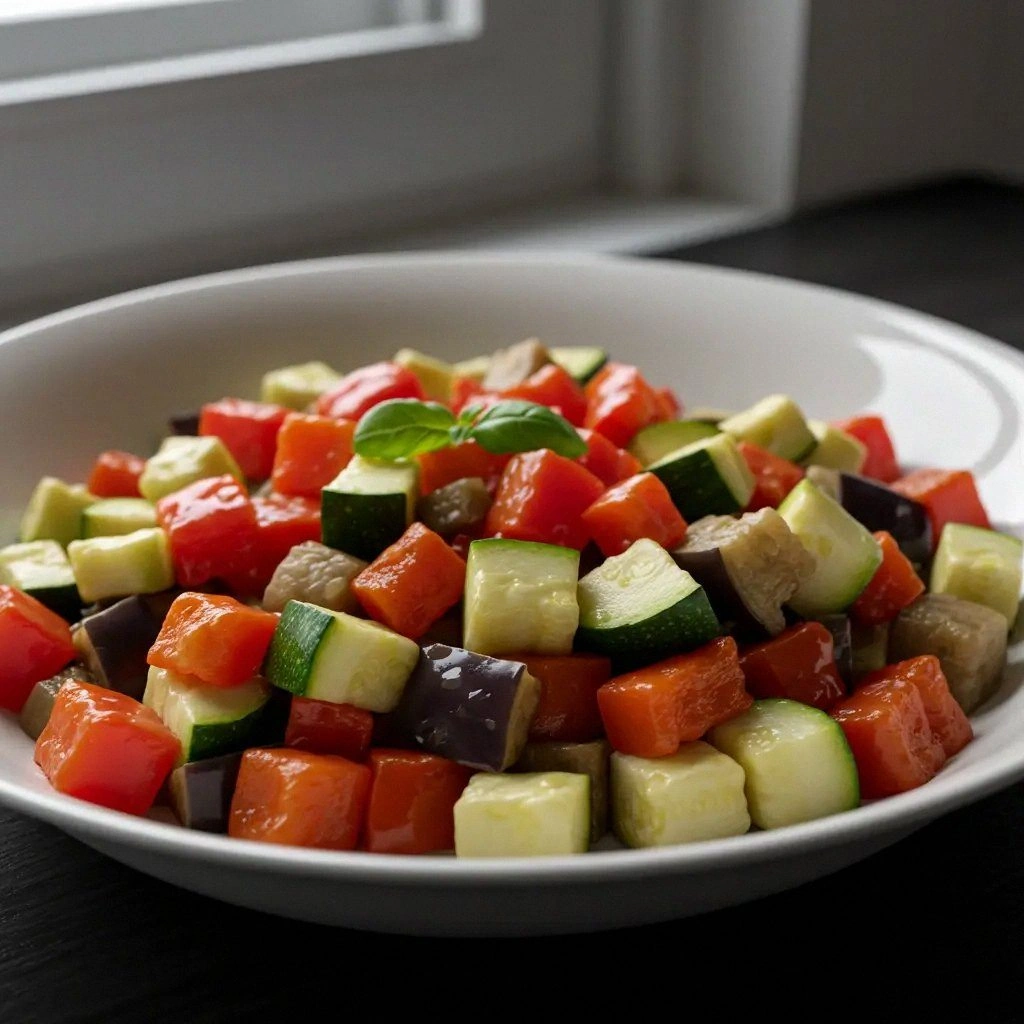
The Method — Step by Step
- Begin by heating a large, heavy‑bottomed skillet over medium heat. Add the two tablespoons of olive oil and swirl until it coats the bottom. The oil should shimmer but not smoke. This initial heat is crucial for building a flavorful base.
- Add the diced onion and a pinch of salt, sautéing until translucent and fragrant, about 5 minutes. Stir occasionally to prevent sticking. The onion should develop a gentle golden hue, not a deep brown. This step releases the onion’s natural sweetness.
- Crush the garlic cloves and add them to the pan, cooking for an additional 30 seconds until aromatic. Be careful not to let the garlic burn; a burnt garlic taste can ruin the entire dish. The aroma should be inviting, like a summer garden.
- Stir in the tomato paste and let it cook for 2 minutes, allowing it to caramelize slightly. The paste should darken a bit, indicating that it’s developing deeper flavors. This step creates a rich, velvety base for the vegetables.
- Pour in the splash of white wine to deglaze the pan, scraping up any browned bits from the bottom. The wine should reduce by half within a minute, leaving behind a fragrant, slightly acidic liquid. This deglazing lifts the overall flavor profile.
- Add the sliced eggplant first, as it takes the longest to soften. Toss it gently with the sauce, ensuring each piece is coated. Cover the skillet and let the eggplant steam for 8 minutes before adding the zucchini and bell pepper.
- Introduce the zucchini and bell pepper, then stir in the diced tomatoes, a teaspoon of salt, half a teaspoon of black pepper, and a pinch of red pepper flakes. Reduce the heat to low, cover, and let the vegetables simmer for 15 minutes. The sauce should thicken slightly and the vegetables should be tender yet firm.
- Finish by stirring in the fresh basil and parsley. Taste and adjust seasoning if needed. The final dish should be fragrant, colorful, and richly flavored. Serve immediately or allow to cool for later use.
That's it — you did it. But hold on, I've got a few more tricks that'll take this to another level...
Insider Tricks for Flawless Results
The Temperature Rule Nobody Follows
Many cooks assume that a high heat is always better for sautéing, but that can lead to uneven cooking and burnt edges. Start with medium heat and only raise it after the onions have softened. This subtle control ensures every vegetable cooks evenly and retains its natural sweetness.
Why Your Nose Knows Best
Before adding the tomatoes, let the sauce simmer until it smells like a ripe tomato garden. That scent signals that the reduction has developed enough depth. If you rush this step, the dish will taste raw and under‑seasoned.
The 5-Minute Rest That Changes Everything
After simmering, let the ratatouille rest covered for 5 minutes off the heat. During this pause, the flavors meld and the sauce thickens. When you reheat it later, the rest period helps prevent it from becoming watery.
Use Fresh Herbs, Not Dried
Fresh basil and parsley add bright, green notes that dried herbs can’t match. Chop them just before serving to preserve their aroma. A small handful of fresh herbs can elevate the entire dish.
Serve with Crusty Bread
A slice of warm, crusty baguette is the perfect companion. It soaks up the savory sauce and adds a satisfying crunch. Pairing the stew with bread turns a simple meal into a memorable dining experience.
Make It Ahead for Flavor Boost
Ratatouille tastes even better the next day because the vegetables continue to absorb the sauce. Store it in an airtight container in the fridge, and reheat gently on the stove with a splash of water to restore moisture.
Creative Twists and Variations
This recipe is a playground. Here are some of my favorite ways to switch things up:
Smoky Chipotle Version
Add a tablespoon of chipotle in adobo sauce for a smoky heat. The chipotle pairs beautifully with the sweet tomatoes, creating a complex, layered flavor. This variation is perfect for a bold, adventurous palate.
Herb‑Infused Eggplant
Marinate sliced eggplant in a mixture of olive oil, lemon zest, and rosemary before sautéing. The herb infusion gives the eggplant a fragrant, zesty kick that elevates the dish. Try it for a Mediterranean twist.
Vegetarian Lasagna Layer
Layer the ratatouille between sheets of lasagna noodles and a creamy béchamel sauce. Bake until bubbly for a comforting, casserole‑style meal. This version turns the stew into a hearty main dish.
Grilled Protein Side
Serve the ratatouille alongside grilled chicken, steak, or tofu for a balanced plate. The smoky protein complements the savory vegetables, making for a satisfying dinner. The combination is both simple and elegant.
Instant Pot Quick Fix
Use an Instant Pot to cook the vegetables in 10 minutes. Set the pot to sauté mode, then pressure cook for 5 minutes. The result is a tender, flavorful dish in a fraction of the time.
Cold Summer Salad
Cool the cooked vegetables and toss them with a vinaigrette for a refreshing salad. Add diced cucumber and feta for extra texture. This version is light, bright, and perfect for hot afternoons.
Storing and Bringing It Back to Life
Fridge Storage
Cool the ratatouille to room temperature before transferring it to an airtight container. Store it in the refrigerator for up to 4 days. The flavors will continue to meld, making it even more delicious.
Freezer Friendly
Divide the stew into freezer‑safe portions and seal in airtight bags. Freeze for up to 3 months. When ready to eat, thaw overnight in the fridge and reheat gently on the stove.
Best Reheating Method
Reheat the stew on low heat, adding a splash of water or broth to restore moisture. Stir frequently to prevent sticking. The dish should reach a gentle simmer before serving.