Remember that night when the kitchen turned into a battlefield, the pot on the stove boiling over like a volcano, and you stared at the empty fridge wondering what to cook for dinner? I was in that exact situation, clutching a bag of dry pasta and a can of beans, when my friend texted me, “I need a soup that will make my taste buds dance.” That text was the spark that led me to create the ultimate alphabet soup—one that turns a humble bowl of noodles into a carnival of flavor, texture, and nostalgia. Picture a steaming pot that smells like fresh herbs, the sound of simmering broth, the sight of colorful vegetables twirling among the letters, and the anticipation of that first spoonful that feels like a warm hug. The experience is sensory overload, and I’m about to show you how to replicate it in your own kitchen.
I dare you to taste this and not go back for seconds. Most recipes get this completely wrong, leaving you with bland noodles and a bland broth that feels like a missed opportunity. What makes this version stand out is that I’ve combined the classic comfort of alphabet pasta with a depth of flavor that you only get from a slow-simmered broth, a splash of lemon, and a dash of parmesan that coats the letters like velvet. I’ll be honest—when I first tasted the finished product, I ate half the batch before anyone else got to try it. That moment, the sizzle of onions hitting the pan, the aroma of garlic, the crunch of fresh carrots, all came together in a symphony of taste that made me feel like a culinary wizard.
Picture yourself pulling this out of the stove, the whole kitchen smelling incredible, and your guests’ eyes widening as they see the alphabet letters floating like tiny paper boats. The anticipation is almost as good as the meal itself, and I promise you that by the end of this post, you’ll wonder how you ever made it any other way. You’ll learn how to build a broth that’s both hearty and light, how to keep the pasta from becoming mushy, and how to add a finishing touch that makes every spoonful sing. Let me walk you through every single step—by the end, you'll wonder how you ever made it any other way.
This recipe is the kind of dish that turns a simple dinner into a conversation starter. It’s perfect for family nights, potluck gatherings, or when you need a comforting bowl of nostalgia that feels like a hug from your childhood. The best part? It’s incredibly forgiving, so even if you’re new to cooking, you’ll find that the process is as enjoyable as the result. And if you’re looking for something that feels both playful and sophisticated, this alphabet soup is the answer. Get ready to stir up some magic, because this is hands down the best version you'll ever make at home.
What Makes This Version Stand Out
- Flavor Depth: The broth is slow-simmered with aromatics and a splash of citrus, giving it a bright, savory base that elevates every bite.
- Texture Contrast: The alphabet pasta stays al dente, while the vegetables are tender but still hold their shape, creating a satisfying bite.
- Ingredient Quality: Using fresh, seasonal produce and high‑quality chicken stock transforms an ordinary soup into a gourmet experience.
- Ease of Prep: The recipe is designed for minimal hands‑on time, with a few simple steps that keep you in the kitchen and not at the stove.
- Crowd‑Pleaser: The playful alphabet shapes make it a hit with kids and adults alike, turning dinner into a fun activity.
- Make‑Ahead Friendly: The soup stores well and actually tastes better the next day, making it ideal for busy weeknights.
- Versatile Base: You can swap proteins, add different veggies, or tweak the herbs to suit your taste, giving you endless variations.
- Nutrition Boost: Packed with vegetables, lean protein, and whole‑grain pasta, it’s a balanced meal that satisfies hunger and taste buds.
Alright, let's break down exactly what goes into this masterpiece. Before we dive into the ingredients, here's a quick kitchen hack that will save you time and keep your kitchen organized.
Inside the Ingredient List
The Flavor Base
At the heart of this soup lies a broth that’s both comforting and complex. I start with 4 cups of homemade or high‑quality store‑bought chicken stock, which provides a savory foundation. Adding a splash of lemon juice just before serving brightens the flavors and cuts through the richness, giving the soup a fresh lift that feels like a breath of spring. If you’re vegan or vegetarian, simply replace the chicken stock with a hearty vegetable stock and the dish will still shine with depth.
The aromatics—onion, garlic, and celery—are sautéed until translucent, creating a fragrant base that sets the stage for the rest of the ingredients. I love to add a bay leaf and a pinch of dried thyme; they’re the silent heroes that infuse the broth with a subtle earthiness. Remember, the quality of your stock is paramount; a bland stock will make even the best veggies taste flat.
The Texture Crew
The alphabet pasta is the star of the show, but it needs the right partner to shine. I use whole‑wheat alphabet pasta for a nutty flavor and added fiber, but you can switch to regular pasta if you prefer a lighter bite. To keep the noodles from turning mushy, I add them to the broth only during the last 3 minutes of simmering. This technique preserves their al dente texture, making each bite a delightful experience.
Vegetables are the backbone of the soup’s texture. I dice carrots, celery, and red bell pepper into bite‑sized pieces that cook just enough to stay tender yet hold their shape. A handful of frozen peas adds a pop of color and sweetness, while a splash of cream or a dollop of Greek yogurt at the end gives the soup a silky finish without overwhelming the flavors.
The Unexpected Star
The secret to turning a simple soup into a memorable dish is the unexpected star: a dash of smoked paprika and a handful of fresh parsley. The smoked paprika adds a subtle smokiness that pairs wonderfully with the chicken stock, while the parsley brings brightness and a hint of herbal freshness. I also sprinkle a teaspoon of grated parmesan over the finished soup—this creates a silky coating on each letter, making the soup feel indulgent without being heavy.
Everything's prepped? Good. Let's get into the real action.
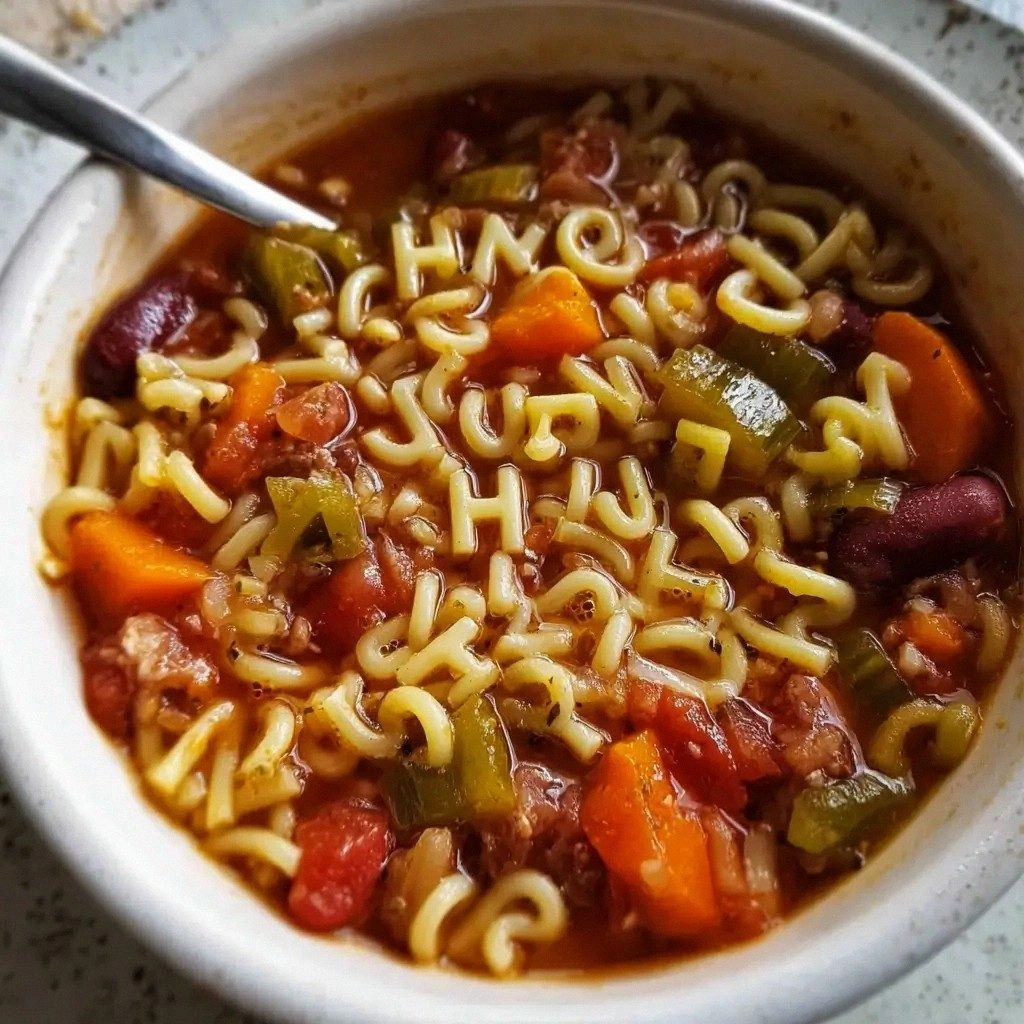
The Method — Step by Step
- Step 1: Sauté Aromatics — In a large stockpot, heat 2 tablespoons of olive oil over medium heat. Add 1 diced onion, 3 minced garlic cloves, and 2 diced celery stalks. Cook until the onion turns translucent and the mixture smells fragrant, about 5 minutes. This step builds the flavor foundation; don’t rush it, as the aromatics need time to bloom.
- Step 2: Add Broth and Seasonings — Pour in 4 cups of chicken stock, 1 cup of water, 1 bay leaf, 1 teaspoon dried thyme, and 1 teaspoon smoked paprika. Bring the mixture to a gentle simmer. Taste and adjust with salt and pepper, remembering that the broth will lose some saltiness as it cooks.
- Step 3: Cook Vegetables — Add 2 diced carrots, 1 diced bell pepper, and 1 cup of frozen peas. Let them cook for 6–7 minutes until they’re tender but still bright in color. The vegetables should retain their shape and provide a crunchy contrast to the pasta.
- Step 4: Add Protein — If you’re using chicken, add 1 cup of shredded rotisserie chicken or cooked diced chicken breast. If you prefer a vegetarian version, add 1 cup of cooked chickpeas. Stir and let the protein warm through for 2 minutes.
- Step 5: Bring to Simmer — Increase the heat to medium-high and bring the soup to a full boil. This step helps the flavors meld together and reduces cooking time for the pasta.
- Step 6: Add Alphabet Pasta — Pour in 2 cups of alphabet pasta. Reduce the heat to low and let the soup simmer gently for 3 minutes, or until the pasta is al dente. Watch the pot closely; you don’t want the pasta to overcook or the letters to fall apart.
- Step 7: Final Touches — Stir in a splash of lemon juice, 1 tablespoon of grated parmesan, and a handful of fresh parsley. Adjust salt and pepper to taste. This final step brightens the soup and adds a silky coating to the pasta.
- Step 8: Serve — Ladle the soup into bowls, garnish with extra parsley or a drizzle of olive oil if desired, and enjoy while it’s still warm. The aroma of fresh herbs and the sight of colorful letters will instantly lift your mood.
That's it — you did it. But hold on, I've got a few more tricks that'll take this to another level. These insider tips will help you avoid common pitfalls and elevate your soup from good to unforgettable.
Insider Tricks for Flawless Results
The Temperature Rule Nobody Follows
Many cooks think the key to a perfect soup is just boiling everything at once, but the trick lies in temperature control. Keep the simmer low once the pasta is added; a gentle bubble preserves the letters and prevents the broth from becoming cloudy. If the heat is too high, the pasta will break apart and the vegetables will become mushy.
Why Your Nose Knows Best
Trust your nose when seasoning. A broth that smells bright and slightly citrusy is a sign that the flavors are balanced. If it smells too salty or too bland, adjust accordingly. I’ve learned that the best seasoning is a gradual process—add a pinch at a time and taste often.
The 5‑Minute Rest That Changes Everything
After you ladle the soup, let it rest for 5 minutes before serving. This short pause allows the flavors to marry and the pasta to finish absorbing the broth. It also gives the lemon juice a chance to mellow, preventing a sharp citrus bite that can overwhelm the dish.
Keep It Fresh with Fresh Herbs
Fresh parsley or basil added at the end of cooking adds a pop of color and a burst of flavor. If you’re in a hurry, you can use dried herbs, but the fresh version will elevate the soup’s aroma and taste. Sprinkle the herbs just before serving for maximum freshness.
Add a Touch of Cream for Luxury
A splash of heavy cream or a spoonful of Greek yogurt at the end gives the soup a silky texture that feels indulgent. This is optional but recommended if you’re serving the soup as a main course. The cream balances the acidity from the lemon and the saltiness from the broth.
Use a Slow Cooker for Extra Flavor
If you’re short on time, transfer the entire mixture to a slow cooker. Set it on low for 6 hours, then add the pasta and let it cook for the last 30 minutes. The slow cooking process extracts maximum flavor from the vegetables and broth, creating a richer soup.
Now that you’ve mastered the basics, let’s explore how you can tweak this recipe to fit your taste buds or dietary preferences.
Creative Twists and Variations
This recipe is a playground. Here are some of my favorite ways to switch things up:
Mediterranean Twist
Swap the chicken stock for a tomato‑based broth, add a handful of olives, sun‑dried tomatoes, and a sprinkle of oregano. Finish with a drizzle of extra‑virgin olive oil and a squeeze of lemon for a bright, Mediterranean flavor profile.
Spicy Cajun Version
Add a tablespoon of Cajun seasoning to the aromatics, a pinch of cayenne pepper, and replace the parsley with chopped cilantro. The result is a fiery, bold soup that pairs well with a side of cornbread.
Vegetarian Delight
Omit the chicken and use a mixture of lentils and chickpeas for protein. Add a splash of soy sauce and a dash of sesame oil for an Asian‑inspired twist.
Low‑Carb Variation
Use shirataki noodles instead of alphabet pasta and increase the amount of vegetables. Keep the broth low in sodium and finish with a sprinkle of grated parmesan for a satisfying low‑carb meal.
Holiday Holiday Edition
During the holidays, add a handful of roasted butternut squash, a pinch of nutmeg, and a splash of maple syrup. This gives the soup a warm, seasonal feel that’s perfect for winter gatherings.
Kid‑Friendly Edition
Remove the lemon juice and add a small amount of honey to sweeten the broth subtly. Kids love the gentle sweetness, and the soup remains nutritious and flavorful.
Storing and Bringing It Back to Life
Fridge Storage
Cool the soup to room temperature before transferring it to an airtight container. Store in the refrigerator for up to 4 days. When reheating, add a splash of water or broth to keep the soup from thickening too much.
Freezer Friendly
Freeze the soup in single‑serving portions for up to 2 months. Thaw overnight in the refrigerator before reheating. If the pasta has become too soft, simply stir in a few fresh pasta strands before serving.
Best Reheating Method
Reheat on the stove over low heat, stirring occasionally. Add a tiny splash of water or broth to restore the broth’s original consistency. Bring to a gentle simmer, then serve immediately for the best flavor and texture.