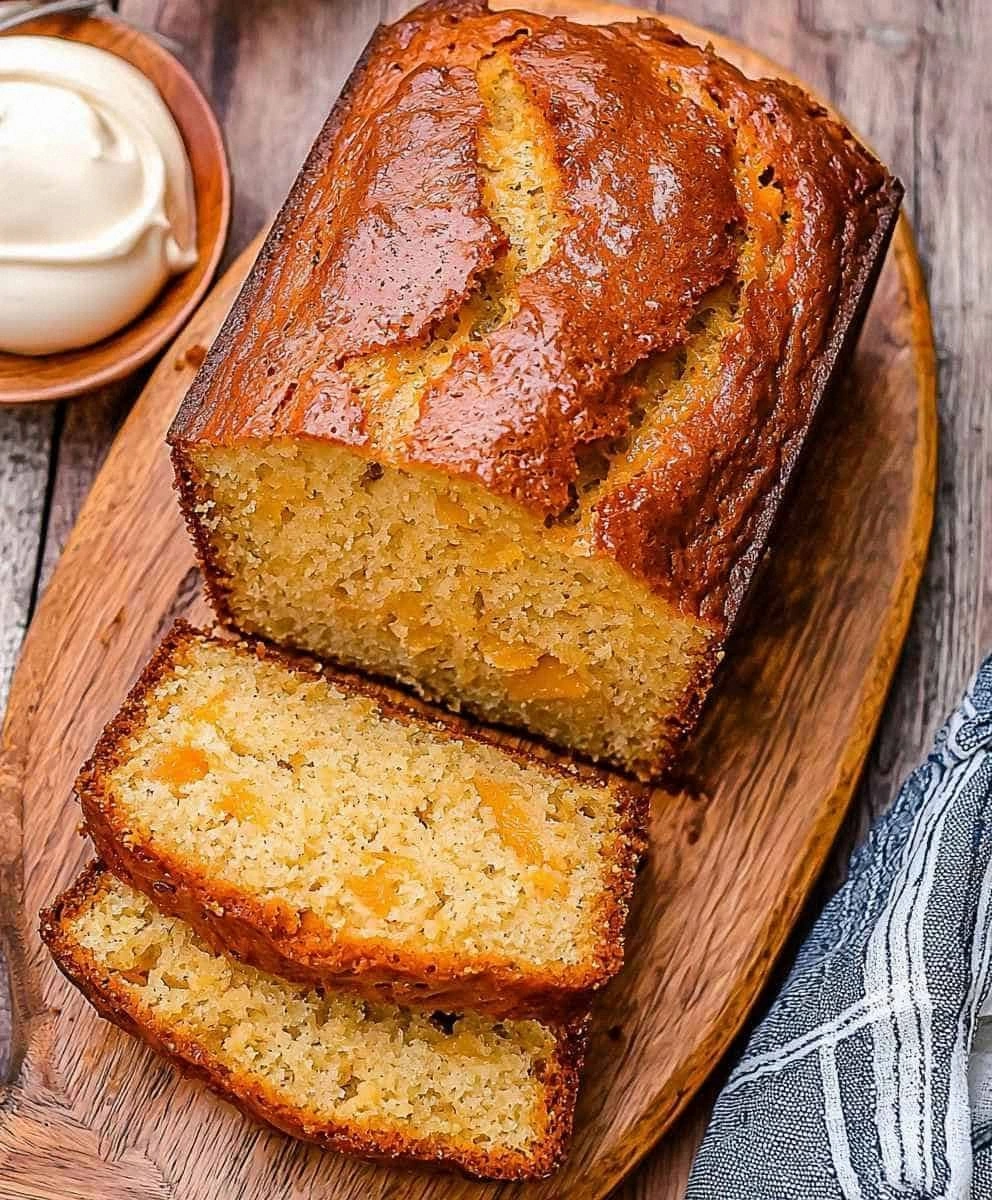
I almost gave up on peach bread forever after my third attempt came out tasting like a soggy sponge that someone had accidentally dropped in a bottle of perfume. True story. My neighbor's cat wouldn't even lick the crumbs off the porch, and that creature once ate an entire stick of butter off my counter. But then I spent a humid August afternoon in my grandmother's kitchen in Georgia, watching her turn bruised farmers-market peaches into the most outrageously moist, fragrant loaf I'd ever tasted. She didn't measure a thing, just hummed church hymns and told stories while her weathered hands worked magic. That day I learned the secrets that changed everything: how to coax peaches into surrendering every drop of flavor without turning the bread into mush, the precise moment to fold them in so they stay suspended like little sunset jewels, and why a whisper of nutmeg makes the whole thing taste like summer itself.
Picture this: it's 6 a.m., your kitchen windows are fogged with condensation, and the first slice is still steaming as you slather it with cold butter that melts into golden rivers. The crust crackles softly under your knife, revealing a tender crumb studded with peach pieces that somehow stayed intact instead of dissolving into sad, wet pockets. Your entire house smells like a peach cobbler married a pound cake and had perfect babies. I dare you to taste this and not go back for seconds — though I'll be honest, I ate half the batch before anyone else got to try it. My mail carrier still mentions the day I handed her a warm slice instead of the usual bills, and now she deliberately times her route to hit my house around ten.
Most recipes get this completely wrong. They treat peaches like blueberries, tossing them in raw and hoping for the best, then wonder why their bread collapses in the center and tastes like wet cardboard. Here's what actually works: you need to draw out some moisture first, but not so much that you're left with peach leather. You want that concentrated flavor without the watery aftermath. Southern grandmothers have been perfecting this balance for generations, and I'm spilling every single trick they entrusted to me, minus the part where they made me swear on a Bible not to tell the ladies at bridge club.
This version delivers everything you dream about when you hear "peach bread" — tender, buttery, packed with fruit that tastes like it was kissed by July sunshine, and crowned with a cinnamon-sugar crust that shatters like thin ice under your fork. The texture walks that perfect line between cake and bread, substantial enough for breakfast but light enough that you don't need a nap after. Okay, ready for the game-changer? Let me walk you through every single step — by the end, you'll wonder how you ever made it any other way.
What Makes This Version Stand Out
Intensified Peach Flavor: Instead of folding in raw fruit and hoping for the best, we macerate the peaches briefly with a touch of sugar and lemon juice. This draws out excess moisture while concentrating their natural sugars, so every bite tastes like peach squared rather than peach diluted. The result is fruit that stays suspended throughout the loaf instead of sinking to the bottom in a soggy heap.
Buttermilk Magic: The slight tang of buttermilk doesn't just add flavor — it reacts with the baking soda to create extra lift, giving you a crumb that's tender and light rather than dense and brick-like. If you've ever struggled with quick breads that turn out gummy in the center, this is your fix. Plus, that subtle tang makes the peach taste even peachier by contrast.
Spice Balance: Most recipes dump in a tablespoon of cinnamon and call it Southern, but we use just enough to whisper rather than shout. A gentle blend of cinnamon and nutmeg enhances the peaches without overwhelming them, like a perfect harmony where you can pick out every note. Taste it blindfolded and you'd still know it's peach bread, not spice cake with peach vibes.
Texture Contrast: Chopped toasted pecans (optional but highly recommended) add pockets of buttery crunch that make each bite more interesting than the last. They're like little surprises hiding in the crumb, waiting to crack between your teeth and release their rich, nutty oils. Even friends who claim they "don't like nuts in things" end up asking what that amazing texture is.
Make-Ahead Champion: This bread actually improves overnight as the flavors meld and deepen, making it perfect for brunch hosts who don't want to wake up at dawn. Wrap it tightly once cooled, and tomorrow morning you'll slice into something even more incredible than day one. If it lasts that long — which, between us, is a pretty big if in my house.
Beginner-Friendly: No stand mixer, no tricky techniques, no ingredients you need to Google. Just two bowls, a whisk, and about fifteen minutes of actual work. If you can make scrambled eggs, you can make this bread, and the payoff is exponentially higher than the effort required. Future pacing: picture yourself pulling this out of the oven, the whole kitchen smelling incredible, while your family drifts in asking what masterpiece you're creating now.
Alright, let's break down exactly what goes into this masterpiece...
Inside the Ingredient List
The Flavor Base
All-purpose flour forms the quiet backbone here, giving structure without competing for attention. I tested with cake flour once, hoping for extra tenderness, but the crumb turned out too delicate and collapsed under the peach weight. Bread flour went the opposite direction, creating a chewy texture that fought the fruit instead of cradling it. Stick with regular AP flour — it's the Goldilocks choice that holds everything together while staying tender.
Granulated sugar does more than sweeten; it helps draw moisture from the peaches during maceration and creates that delicate, crackly top we all love. Brown sugar adds deeper notes but can make the bread heavy, so we save it just for the finishing sprinkle. If you're tempted to cut back on sugar, don't — it's not just about sweetness, it's about texture and moisture retention too.
The Texture Crew
Unsalted butter must be properly softened, not melted or straight from the fridge. We're creaming it with sugar to trap air, creating lift that baking powder alone can't achieve. Melted butter gives you denser, oilier results — still tasty, but missing that cloud-like quality that makes this special. Leave it on the counter for an hour, or speed things up by cutting it into small cubes and letting it sit near (not on) a warm stovetop.
Eggs should be room temperature for the same reason cold butter doesn't cooperate. They emulsify the batter, binding fat and liquid into a smooth, stable mixture that rises evenly instead of separating into sad layers. If you forgot to pull them out early, submerge whole eggs in warm (not hot) water for five minutes while you prep everything else.
The Unexpected Star
Fresh peaches are obviously ideal, but frozen work beautifully when good fresh ones are out of season. The trick is thawing them just enough to dice, then patting away excess moisture with paper towels. Canned peaches are a hard pass — they're already saturated with syrup and will turn your bread into a wet mess no matter how much you drain them. When selecting fresh fruit, smell the stem end — it should be intensely fragrant and slightly soft, like it wants to be eaten right there in the store.
Buttermilk might seem optional, but it's the difference between good and transcendent. Its acidity tenderizes gluten, keeping the crumb delicate instead of tough. No buttermilk in the fridge? Stir one tablespoon of lemon juice or white vinegar into regular milk and let it stand five minutes — boom, instant substitute that works almost as well.
The Final Flourish
Ground cinnamon and nutmeg should be fresh, not the dusty jars that have been sitting in your spice cabinet since the Obama administration. Whole nutmeg grated on a microplane gives you brighter, almost citrusy notes that pre-ground can't touch. Buy whole spices in small quantities and keep them in airtight jars away from heat — your future baking self will thank you with every bite.
Chopped pecans toast in the oven while the bread bakes, releasing oils that perfume the entire loaf with nutty richness. Walnuts work too, but pecans feel more Southern and pair better with peaches' delicate flavor. Leave them out if allergies are a concern — the bread is still phenomenal, just missing that extra textural intrigue.
Everything's prepped? Good. Let's get into the real action...
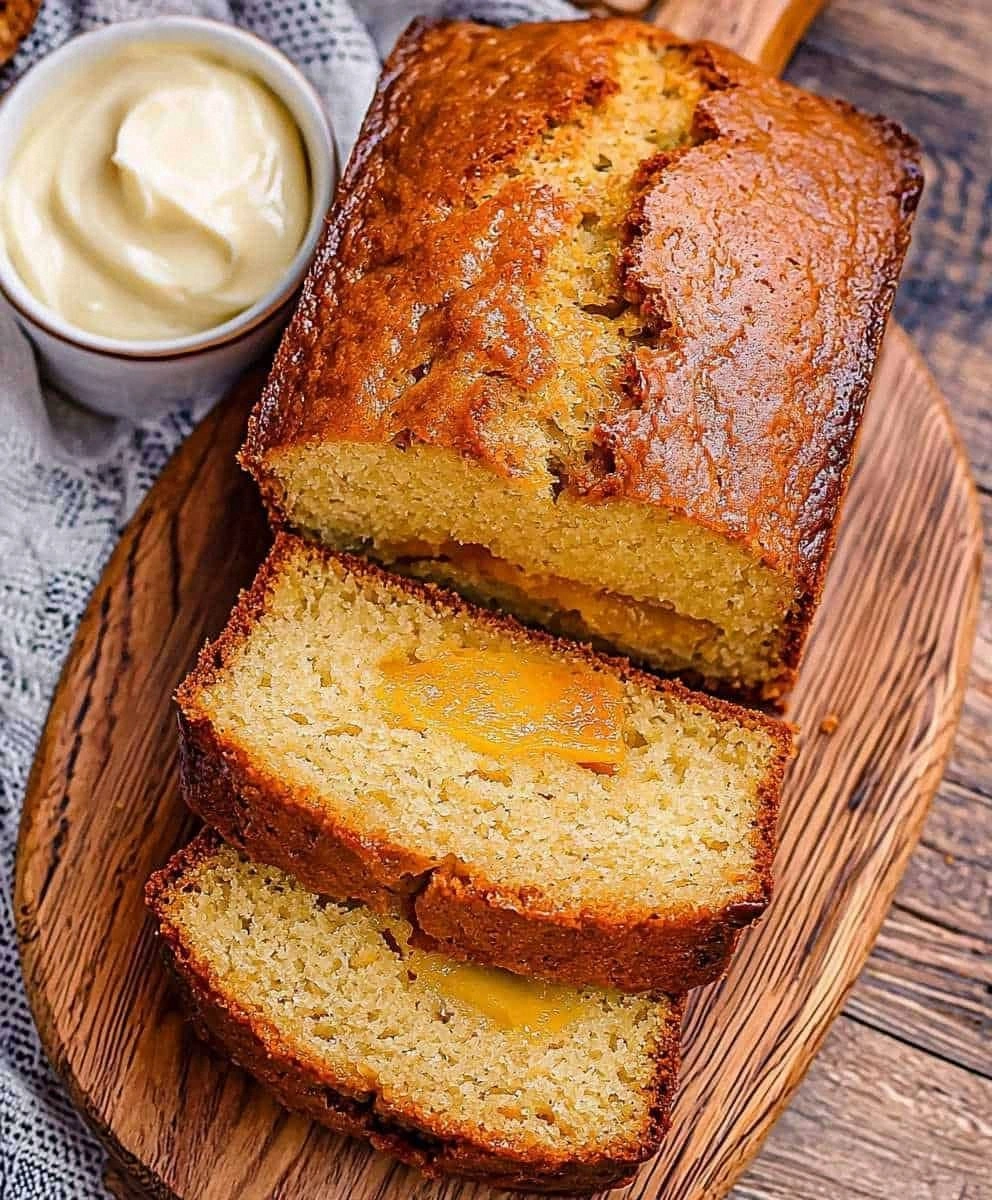
The Method — Step by Step
- Start by macerating the peaches because this step sets up everything else for success. Toss diced peaches with two tablespoons of sugar and a squeeze of lemon juice in a bowl, then let them sit while you measure everything else. The sugar draws out juices, concentrating flavor and preventing soggy spots in the finished bread. After fifteen minutes, drain the peaches but save that peachy syrup for cocktails or to drizzle over vanilla ice cream later.
- Preheat your oven to 350°F and position a rack in the center — this ensures even heat circulation so you don't get a loaf that's burnt on the bottom and raw on top. Grease a 9×5-inch loaf pan with butter, then dust it lightly with flour, tapping out excess. This double insurance prevents sticking better than cooking spray alone, because nothing ruins the moment like half your bread staying behind in the pan. That sizzle when butter hits the hot pan? Absolute perfection, but we want to save it for eating, not scrubbing.
- Whisk together flour, baking powder, baking soda, salt, cinnamon, and nutmeg in a medium bowl until the spices look evenly distributed. This step seems basic, but it's crucial — uneven leavening creates tunnels and dense spots, while clumped spices give you surprise flavor bombs that overwhelm rather than enhance. Aerating the flour this way also prevents tough, compact bread since we're not sifting.
- In a large bowl, cream the softened butter and sugar until the mixture turns pale and fluffy, about three minutes with a hand mixer on medium speed. This isn't just busywork — you're incorporating air that will help the bread rise tender and light. Scrape down the bowl once to ensure no butter pockets remain, because cold butter clumps create greasy holes in the finished crumb. The mixture should look like thick whipped cream and feel less gritty when rubbed between fingers.
- Beat in eggs one at a time, letting each fully incorporate before adding the next. If you've ever had quick bread that tastes vaguely eggy, it's because someone rushed this step and left streaks of unmixed white. Add vanilla with the final egg — it blooms in the fat and carries flavor throughout the loaf. The batter will look slightly curdled here; that's normal and will smooth out once flour goes in.
- Reduce mixer speed to low and add dry ingredients in three additions, alternating with buttermilk in two additions, beginning and ending with dry. This classic method prevents over-mixing, which develops gluten and toughens the bread. Mix just until the flour streaks disappear — lumps are fine and will bake out. Over-mixing is the number one reason home bakers end up with peach-flavored doorstops instead of tender loaves.
- Gently fold in drained peaches and nuts using a rubber spatula, taking care not to crush the fruit. The goal is even distribution without turning the batter pink and watery. If the peaches feel too wet, blot them again — excess moisture is your enemy here. This next part? Pure magic.
- Pour batter into prepared pan and smooth the top with your spatula. Combine brown sugar and cinnamon for topping, then sprinkle evenly over the surface. This creates a delicate, crackly crust that adds both flavor and textural contrast. Tap the pan gently on the counter to release air bubbles, which can create tunnels during baking.
That's it — you did it. But hold on, I've got a few more tricks that'll take this to another level...
Insider Tricks for Flawless Results
The Temperature Rule Nobody Follows
Your ingredients should all be at room temperature, not just the butter and eggs. Cold buttermilk can seize the creamed butter, creating little hard pellets that never incorporate properly. If you forgot to pull it out, microwave it for ten seconds — any hotter and you'll melt the butter when it hits the batter. I've tested this recipe with every possible temperature combination, and room temp everything gives you the tallest, most evenly textured loaf every single time.
Why Your Nose Knows Best
Don't rely solely on the toothpick test — peaches can make it misleading. Instead, trust your senses: the bread should smell like peach cobbler and feel springy when you gently press the center. Edges will start pulling away from the pan sides, and the top should be deep golden with cracks that look dry, not wet. If you listen closely, it'll stop making that quiet bubbling sound near the end — that's when you know it's truly done.
The Five-Minute Rest That Changes Everything
Let the bread cool in the pan on a wire rack for exactly five minutes before turning out. Any longer and condensation forms underneath, creating a soggy bottom; any shorter and it's too fragile to release cleanly. Run a thin knife around the edges first, then invert onto your hand (protected with a towel) and flip right-side up onto the rack. This brief rest lets the steam redistribute, finishing the center without overcooking the exterior.
The Storage Secret
Wrap cooled bread tightly in plastic wrap, then foil, and store at room temperature up to three days. The plastic prevents drying while the foil protects from light and odors. Never refrigerate — cold temperatures change the starch structure, turning tender crumb dense and gummy. If you won't finish it in three days (who are you?), slice and freeze individual portions wrapped in parchment, then pop them straight into the toaster for instant summer vibes in January.
Creative Twists and Variations
This recipe is a playground. Here are some of my favorite ways to switch things up:
Peach Raspberry Swirl
Replace half the peaches with fresh raspberries, gently folding them in at the very end to prevent bleeding. The tart berries create gorgeous magenta streaks and balance the peach sweetness with bright acidity. Add an extra tablespoon of flour to the berries to keep them from sinking — nobody wants a raspberry-bottomed loaf. A friend tried skipping this step once — let's just say it didn't end well, and her kids still call it "surprise pink bread."
Bourbon Peach Bread
Swap the vanilla for one tablespoon of good bourbon and add two tablespoons of bourbon-soaked dried cherries along with the peaches. The alcohol bakes off, leaving behind deep caramel notes that make this taste like it came from a fancy bakery. Use a smoky bourbon for extra complexity — it plays beautifully against the sweet fruit. This version is particularly dangerous because you can't taste the bourbon, but you feel it in the way you keep reaching for another slice.
Peach Streusel Coffee Cake
Double the recipe and bake in a 9×13 pan, then top with a classic streusel made from flour, brown sugar, butter, and cinnamon before baking. You'll need to increase the time to about 55-60 minutes, but the result feeds a crowd and feels more like dessert than breakfast. Cut it into generous squares and watch it disappear at brunch faster than mimosas. The streusel adds a buttery crunch that contrasts perfectly with the tender fruit-studded crumb beneath.
Savory Southern Peach Cornbread
Replace half the flour with fine cornmeal and fold in diced peaches, crumbled bacon, and sharp cheddar cheese. Reduce sugar to just two tablespoons and add chopped fresh rosemary. It's like summer cookout vibes wrapped into one incredible loaf that works equally well alongside barbecue or topped with a fried egg. The sweet-savory balance will make you rethink everything you thought you knew about cornbread.
Peach Bread French Toast
Day-old peach bread makes the most incredible French toast — the fruit pieces caramelize on the griddle, creating crispy edges that shatter like thin ice. Slice it thick, let it soak briefly in custard spiked with orange zest, then cook in butter until golden. Top with more fresh peaches and a drizzle of maple syrup for a breakfast that tastes like vacation on a plate. If you've ever struggled with French toast that tastes bland in the center, this is your fix because the bread is already packed with flavor.
Storing and Bringing It Back to Life
Fridge Storage
Don't do it. Seriously, just don't. Refrigeration turns the crumb dense and dry, destroying that tender texture you worked so hard to achieve. The cold temperature causes starch retrogradation — basically the bread starts turning back into raw flour texture. If your kitchen is extremely hot and humid, you're better off slicing and freezing portions rather than risking the fridge.
Freezer Friendly
Slice the completely cooled loaf and wrap individual slices in parchment paper, then aluminum foil. Frozen slices keep up to three months without losing quality, and you can toast them straight from frozen for a quick breakfast that tastes freshly baked. The peach pieces get almost jammy when reheated this way, concentrating their flavor even more. Pro tip: make a double batch and freeze half — future you will be incredibly grateful on busy mornings.
Best Reheating Method
For room temperature bread, wrap a slice in foil and warm in a 300°F oven for about ten minutes. The gentle heat revives the butter without drying anything out. For frozen slices, pop them directly into the toaster on medium setting — the edges crisp while the center steams back to tender perfection. Add a tiny splash of water to the foil packet before reheating multiple slices — it steams back to perfection and prevents the crust from getting too hard.