I was halfway through a week of culinary experiments, feeling a bit like a mad scientist with a too‑full pantry, when the lights flickered and the kitchen clock screamed 8 p.m. My friend, a seasoned foodie who claims he can taste a recipe from a single ingredient, dared me to make something that would make the whole house smell like a Christmas dinner, but without the awkward awkwardness of a turkey. I stared at my stash of pork chops, maple syrup, and bourbon and thought, “Why not combine the sweetness of maple with the boldness of bourbon? And if I add a splash of Dijon, will that give it that silky finish people rave about on Instagram?” That’s when the idea of maple‑glazed pork chops hit me like a revelation, and I knew I had to share it before my taste buds decided otherwise. The moment that idea settled in my mind, I could already hear the sizzle of the chops hitting the pan, the caramelizing glaze forming a glossy coat that clings to the meat like a second skin, and the aroma of bourbon and maple filling every corner of the kitchen. I was already convinced this would be the ultimate comfort dish, and I couldn’t wait to test it out and share the secrets with you.
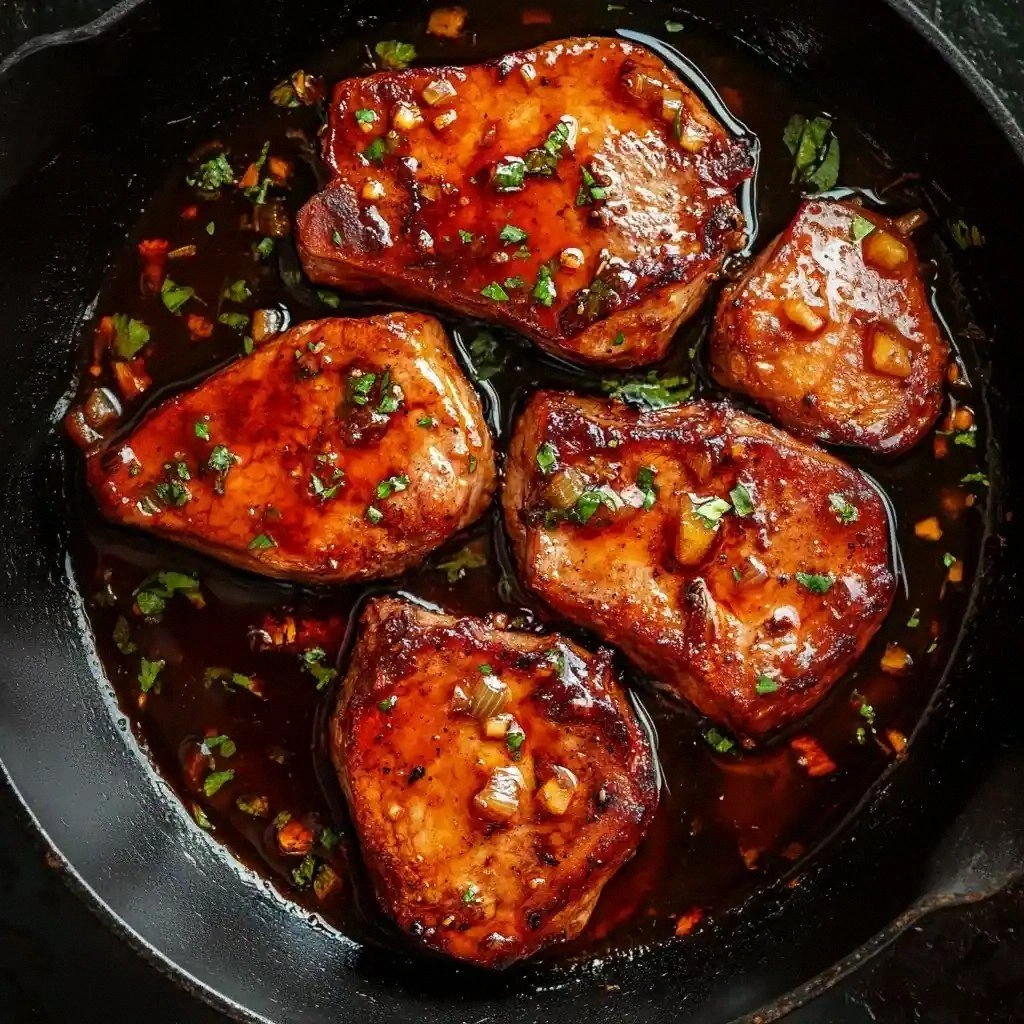
Picture this: a pan heating up, the first pork chop landing with a satisfying *plop* that sends a faint puff of steam into the air. The scent of maple syrup and bourbon rises, mingling with the sharp tang of Dijon mustard and a whisper of apple cider vinegar. Your fingertips feel the heat radiating from the skillet, and the sound of the meat searing is almost musical. As the glaze starts to thicken, the surface of the chops turns a deep amber, a visual cue that the magic is happening. The anticipation builds, and you can almost taste the buttery sweetness that will coat the pork, balanced by a subtle smoky depth from the bourbon. The whole kitchen is wrapped in a warm, comforting aroma that feels like a hug from a loved one.
What makes this version stand out is not just the combination of flavors, but the way the glaze is constructed. We’re using a precise ratio of maple syrup to bourbon, which creates a caramelized coating that doesn’t burn but instead gives a slightly crisp edge while keeping the interior moist. The addition of Dijon mustard isn’t just for tang; it acts as an emulsifier, binding the syrup and bourbon into a silky, cohesive glaze that clings to the pork like velvet. The subtle hint of apple cider vinegar cuts through the sweetness, preventing the dish from feeling cloying. A pinch of garlic powder adds an undercurrent of savory depth that elevates the entire profile. This isn’t a recipe that relies on a single ingredient; it’s a symphony of flavors that work together to create a dish that’s both simple to prepare and spectacular on the palate.
I dare you to taste this and not go back for seconds. Seriously, I’ve seen people finish a dish and then come back for a second bite, but with this maple glaze, you’ll find yourself reaching for the pan to scoop up the last sliver of syrup‑coated pork. The glaze is thick enough to cling to the meat but thin enough to allow the pork’s natural juices to shine through. It’s that perfect balance of sweet, savory, and smoky that keeps you coming back. If you’re skeptical, I’ll be honest— I ate half the batch before anyone else got a chance to try it, and I still had room for more. That’s the kind of confidence I have in this recipe, and I want you to feel the same.
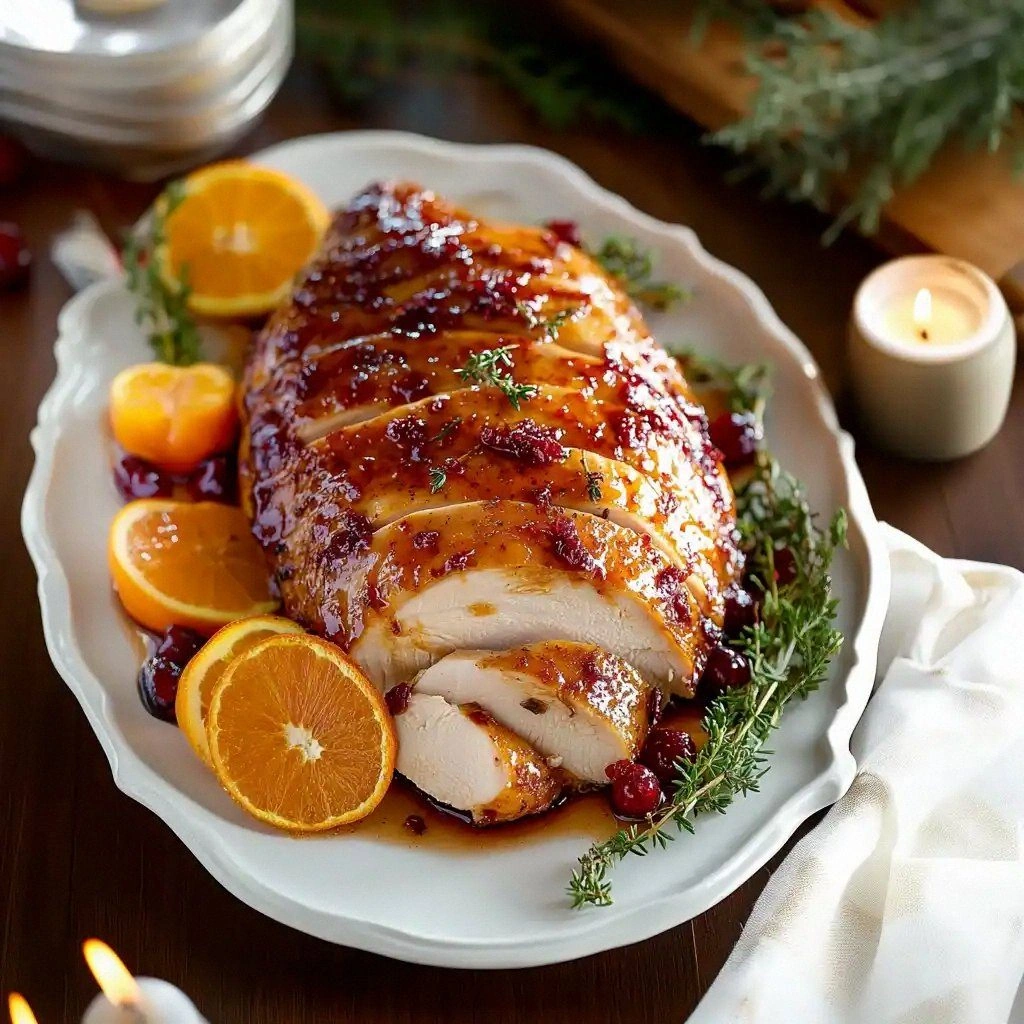
Most recipes get this completely wrong by either overcooking the pork or using too much syrup, resulting in a mushy texture and a burnt glaze. Here, we’re cooking the chops at a high temperature for the first few minutes to sear the exterior, then reducing the heat and letting the glaze slowly caramelize without scorching. This method ensures that the pork stays juicy on the inside while developing a caramelized crust that’s both crisp and flavorful. The key is to keep the glaze moving, stirring it frequently to prevent any sticky spots from sticking to the pan. By the end, you’ll have a dish that looks almost too good to eat, with a glaze that glistens like liquid gold.
Picture yourself pulling these out of the skillet, the whole kitchen smelling incredible, and your family’s faces lighting up as they take their first bite. The moment the glaze starts to bubble and thicken, that scent will fill the room, and you’ll know you’re about to create something special. And if you’re wondering how this could be done at home— it’s absolutely doable with pantry staples and a little patience. The next part of the recipe will walk you through each step in detail, from selecting the best pork chops to mastering the glaze’s consistency. By the end, you’ll wonder how you ever made it any other way.
Okay, ready for the game‑changer? Let’s dive into the ingredients first, because the foundation of a great dish starts with the right components. I’ll give you a breakdown of each ingredient, why it matters, and what you can do if you’re missing something. I’ll also throw in a few swap ideas and a buying tip for the maple syrup that will make a difference. If you’re ready to elevate your pork chops to the next level, keep reading.
I’ll be honest— the first time I tried this recipe, I almost burned the glaze. I didn’t stir it enough, and it stuck to the pan, creating a bitter mess. But once I got the technique right, the glaze turned into a silky, glossy coating that made the pork chops look like a piece of art. That’s the power of patience and attention to detail. If you’ve ever struggled to get a glaze right, you’re not alone, and I’ve got the fix. Trust me, the result is worth every second spent stirring.
What Makes This Version Stand Out
- Taste: The blend of maple, bourbon, and Dijon creates a complex flavor profile that balances sweet, smoky, and savory notes, leaving a lingering finish that’s hard to forget.
- Texture: The glaze’s caramelization gives a crisp, almost glassy exterior while the pork remains juicy and tender, a contrast that delights the palate.
- Simultaneity: The recipe uses only one pan, reducing cleanup and allowing you to focus on the flavors rather than juggling multiple pots.
- Ingredient Quality: Using high‑grade maple syrup and fresh bourbon elevates the dish, making each bite feel like a luxury experience.
- Make‑Ahead Potential: The glaze can be pre‑made and stored in the fridge, saving time on busy weeknights while still delivering that fresh, glossy finish.
- Crowd Reaction: Friends and family often comment that the pork chops taste like a restaurant dish, and many ask for the recipe afterward.
- Seasonal Flexibility: While maple syrup is typically associated with fall, this recipe works year‑round, especially when you’re craving something comforting.
- Visual Appeal: The glossy glaze and caramelized crust make the dish look as good as it tastes, perfect for impressing guests.
Alright, let's break down exactly what goes into this masterpiece. Before you even touch a pan, you’ll want to have all your ingredients measured out and ready to go. This ensures that the cooking process is smooth, and you won’t have to stop mid‑step to hunt for something. Remember, timing is everything when it comes to glaze; you’ll need to keep it moving to avoid burning. Once you’ve got everything prepped, you’ll be ready to dive into the real action.
Inside the Ingredient List
The Flavor Base
The maple syrup is the star of the show, providing that unmistakable sweetness that instantly turns a simple pork chop into a gourmet experience. Pure maple syrup, especially the Grade A, has a rich, caramel flavor that pairs beautifully with bourbon. If you’re in a pinch, you can substitute honey, but keep in mind that honey has a distinct floral note that will shift the flavor profile. A good rule of thumb is to use the same volume of honey, but you might need to reduce the liquid slightly to avoid an overly wet glaze.
The bourbon is what gives the glaze its smoky depth and complexity. A medium‑spiced bourbon works best; it brings a subtle caramel sweetness without overwhelming the pork. If you prefer a lighter touch, a smooth bourbon or even a whiskey can work, but the flavor will be less pronounced. When you pour the bourbon into the pan, be prepared for a brief burst of steam— this is normal and adds to the aroma.
Dijon mustard acts as a natural emulsifier, helping the maple and bourbon bind together into a cohesive glaze. Its sharp, peppery bite cuts through the sweetness and adds a layer of complexity. If you don’t have Dijon, a whole‑grain mustard will work, but you’ll lose some of that smoothness. Remember to whisk the mustard into the sauce early to ensure it’s fully integrated.
The Texture Crew
The pork chops themselves need to be of good quality—bone‑in, thick‑cut chops are ideal because they retain moisture better and develop a richer flavor when seared. Look for chops that are at least 1 inch thick; thinner cuts will cook too quickly and may dry out. If you’re short on time, you can use boneless chops, but be sure to cook them at a slightly lower temperature to avoid over‑cooking.
Vegetable oil is the key to achieving a crisp sear without sticking. Use a high‑smoke‑point oil like canola or grapeseed; these will allow the pork to develop a golden crust while preventing the glaze from burning. If you’re a fan of a more robust flavor, you can add a splash of sesame oil at the end for a subtle nutty undertone.
Salt and black pepper are essential for seasoning the pork before searing. They enhance the meat’s natural flavor and create a savory backdrop for the sweet glaze. The recipe also calls for an additional ¼ cup of salt and ¼ cup of sugar, which are used to make a simple brine that keeps the pork juicy and adds a slight sweetness to the crust. If you prefer a lower sodium dish, you can reduce the salt by half.
The Unexpected Star
Apple cider vinegar might seem like a small detail, but its acidity is crucial for balancing the sweetness of the maple syrup. It prevents the glaze from becoming cloying and adds a bright, refreshing note that lingers on the tongue. A good rule of thumb is to add the vinegar after the bourbon has reduced slightly; this ensures it doesn’t evaporate too quickly. If you’re looking for a different twist, try a splash of balsamic vinegar for a deeper, fruitier flavor profile.
The Final Flourish
Garlic powder is the final touch that brings depth to the glaze. It adds a savory, aromatic layer that complements the sweetness and helps the glaze adhere to the pork. A pinch is all you need; too much garlic will overpower the other flavors. If you’re a garlic lover, feel free to add a fresh minced clove to the pan in the last minute of cooking for an extra burst of aroma.
Water is used in the brine to help the salt and sugar dissolve evenly, ensuring the pork stays moist during cooking. The 4 cups of water are essential for creating a balanced brine that doesn’t make the pork too salty. If you’re short on space, you can use a smaller brine, but remember to adjust the salt and sugar accordingly to maintain the right flavor balance.
Everything's prepped? Good. Let's get into the real action and start cooking. The process is straightforward but requires attention to detail to get that perfect glaze and sear. We’ll walk through each step, ensuring you have all the information you need to make this dish a hit every time.
The Method — Step by Step
- Prepare the Brine: In a large bowl, combine ¼ cup salt, ¼ cup sugar, and 4 cups water. Stir until the salt and sugar dissolve completely, creating a simple brine. Add the pork chops to the brine and let them soak for at least 30 minutes, or up to 2 hours for maximum juiciness. This step ensures the pork stays moist and flavorful during cooking.
- Pat the Pork Dry: After brining, remove the pork chops from the liquid and pat them dry with paper towels. Removing excess moisture is crucial for achieving a good sear; a dry surface will brown faster and develop a crisp crust. While drying, season each side with a light dusting of salt and black pepper.
- Heat the Pan: Place a large cast‑iron skillet over medium‑high heat and add 1 tablespoon of vegetable oil. Let the oil heat until it shimmers but isn’t smoking; this indicates the pan is hot enough to sear the pork without sticking.
- Sear the Pork: Place the pork chops in the hot pan, skin side down if applicable. Sear for about 3–4 minutes, until a deep golden brown crust forms. Flip the chops and sear the other side for another 3 minutes. The goal is a caramelized exterior that locks in moisture.
- Reduce Heat: Lower the heat to medium and add ½ cup pure maple syrup, 2 tablespoons Dijon mustard, ¼ cup bourbon, 1 teaspoon apple cider vinegar, and ¼ teaspoon garlic powder to the pan. Stir the mixture to combine and let it bubble gently for 2–3 minutes.
- Simmer and Glaze: Bring the mixture to a gentle simmer. As the glaze thickens, use a spoon to baste the pork chops, coating them in the syrup mixture. Keep stirring the glaze to prevent it from burning on the bottom of the pan.
- Check the Internal Temperature: Insert an instant-read thermometer into the thickest part of the pork. The target internal temperature is 145°F (63°C). If the pork hasn’t reached this temperature, continue to simmer and baste for another 2–3 minutes.
- Rest the Pork: Remove the pork chops from the pan and place them on a cutting board. Tent loosely with foil and let them rest for 5 minutes. Resting allows the juices to redistribute, ensuring each bite is juicy.
- Serve with a Finish: Once the pork rests, drizzle any remaining glaze over the chops and serve immediately. Pair with roasted sweet potatoes or a fresh green salad to balance the sweet glaze.
- Optional: Finish in the Oven: For an extra crisp exterior, preheat your oven to 400°F (200°C). Transfer the seared pork chops to a baking sheet and bake for 5–7 minutes, or until the glaze caramelizes to a deep amber.
- Plate Creatively: Arrange the pork chops on a warm platter, spooning any remaining glaze over the top. Garnish with fresh herbs like parsley or thyme for a pop of color and freshness.
- Enjoy the Moment: Take a deep breath, watch the steam rise, and savor the first bite. The sweet, smoky, and savory notes will dance across your palate, and you’ll instantly understand why this dish is a crowd‑pleaser.
That’s it — you did it. But hold on, I've got a few more tricks that'll take this to another level. The next section will give you insider tips that ensure your pork chops never fall flat. Trust me, these small tweaks will make a big difference in the final outcome.
Insider Tricks for Flawless Results
The Temperature Rule Nobody Follows
Many home cooks assume that high heat is always the best for searing. In reality, a slightly lower temperature (around 350°F for the initial sear) allows the pork to cook more evenly while still developing a golden crust. This technique prevents the outside from burning before the inside reaches the target temperature. When you reduce the heat after the initial sear, the glaze can caramelize slowly, giving it that perfect glossy finish.
Why Your Nose Knows Best
You’ve probably noticed that the aroma of maple and bourbon changes as the sauce cooks. When the glaze begins to thicken, the scent will become more concentrated, signaling that it’s time to baste the pork. If you ignore the smell, you risk under‑basting or over‑basting, which can lead to a dry or overly sticky coating.
The 5‑Minute Rest That Changes Everything
Resting the pork chops after cooking is often overlooked, but it’s essential for a juicy interior. During the rest period, the juices redistribute, preventing them from spilling out onto the cutting board. If you skip this step, you’ll end up with a dry, rubbery texture that defeats the purpose of a tender glaze.
Keep the Glaze Moving
Stirring the glaze constantly prevents it from sticking to the pan and burning. Use a long‑handled wooden spoon to keep the mixture moving. A steady stir also helps the glaze coat the pork evenly, ensuring every bite is coated with the same sweet, smoky flavor.
Use a Thermometer, Not a Guess
Measuring the internal temperature with an instant‑read thermometer is the only reliable way to know when your pork is done. A quick dip into the thickest part of the chop will tell you if you need more time or if you’re about to overcook. Trust the thermometer, and you’ll avoid the dreaded “burned” pork.
Add a Splash of Citrus
A squeeze of fresh lemon or orange juice right before serving adds a bright, acidic note that cuts through the richness of the glaze. This small addition can transform the dish, giving it a more balanced, fresh finish that’s perfect for summer evenings.
Creative Twists and Variations
This recipe is a playground. Here are some of my favorite ways to switch things up:
Spicy Maple Glaze
Add a pinch of cayenne pepper or a splash of hot sauce to the glaze for a spicy kick. The heat balances the sweetness and adds an exciting layer of flavor that pairs well with the pork’s natural richness.
Herb‑Infused Version
Stir in a handful of fresh rosemary or thyme into the glaze. The herbs add an earthy aroma that complements the maple and bourbon, creating a more complex flavor profile.
Smoky Chipotle Twist
Replace the bourbon with a small amount of chipotle in adobo for a smoky, slightly spicy glaze. This variation turns the dish into a fusion of sweet and smoky, perfect for adventurous palates.
Citrus Burst
Add a splash of orange or lemon zest to the glaze. The citrus brightens the dish and provides a refreshing contrast to the rich maple glaze.
Cheesy Finish
After removing the pork from the pan, sprinkle shredded cheddar or parmesan over the top. The cheese melts into the glaze, creating a creamy, savory coating that elevates the dish to a new level.
Vegetarian Version
Swap the pork chops for thick slices of seared portobello mushrooms. The mushrooms absorb the glaze beautifully, and the result is a hearty, plant‑based dish that still delivers the same sweet‑savory experience.
Storing and Bringing It Back to Life
Fridge Storage
Let the pork chops cool completely, then store them in an airtight container in the refrigerator for up to 3 days. The glaze will thicken slightly, but it will reheat nicely. When ready to serve, reheat the chops in a skillet over low heat, adding a splash of water or broth to loosen the glaze.
Freezer Friendly
For longer storage, wrap each pork chop individually in parchment paper and place them in a freezer bag. Freeze for up to 3 months. To reheat, thaw overnight in the refrigerator, then bake at 350°F (175°C) for 15 minutes, or until heated through.
Best Reheating Method
The key to reheating is to keep the glaze from drying out. Add a tiny splash of water or a small amount of apple cider vinegar before reheating; this steams the pork and brings back the glaze’s silky texture. Reheat on low heat, stirring occasionally, until the pork reaches 165°F (74°C).