Picture this: I’m standing in my kitchen, the oven timer has just gone off, and the air is thick with the scent of citrus and butter. I open the door to find a tray of golden‑brown cookies that look like they’ve just been kissed by sunshine. The first bite is a revelation—chewy, buttery, and bursting with lemon that feels like a bright summer afternoon. I was skeptical at first; most lemon cookies I’ve tried are either dry or too sweet, but this batch was a game‑changer. I dared my friends to taste one and not come back for seconds, and they all agreed it was “hands down the best version you’ll ever make at home.”
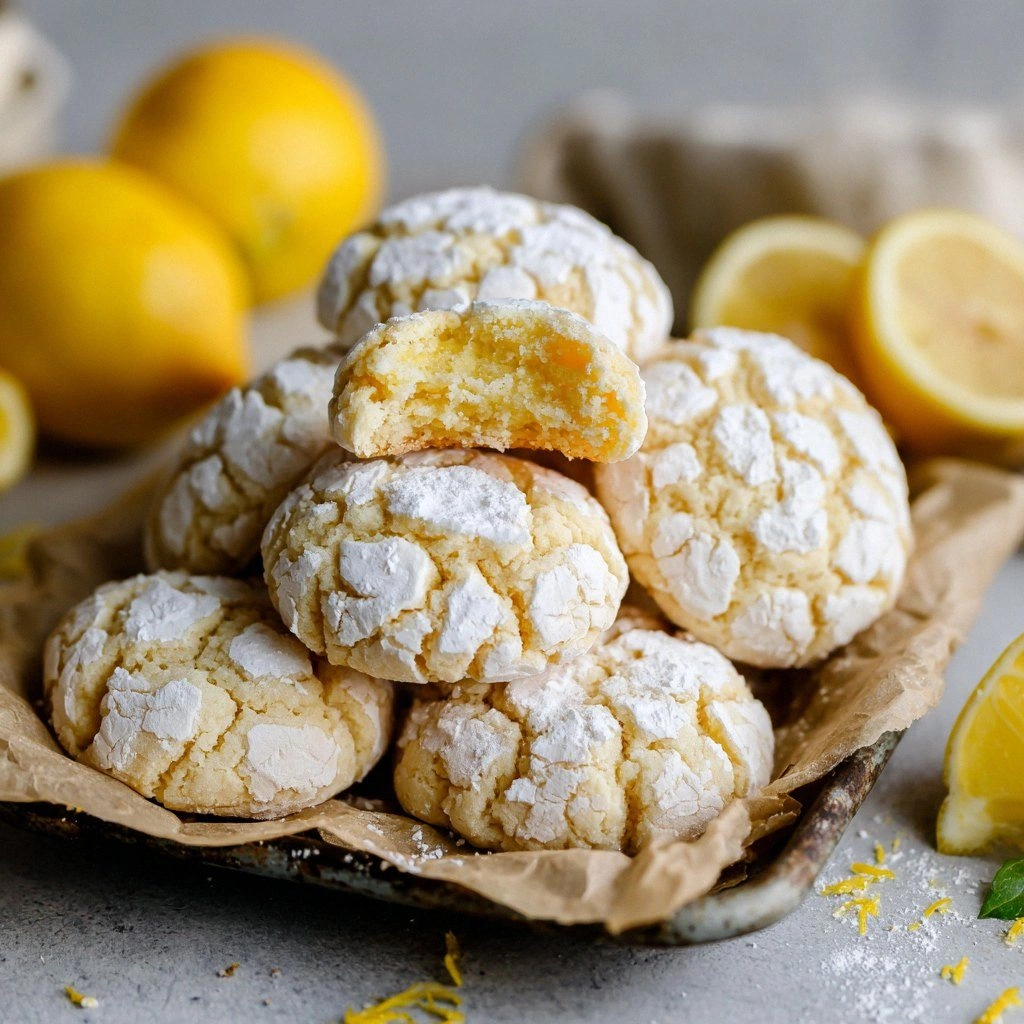
If you’ve ever tried to recreate that same balance, you know how easy it is to tip the scale. Too much sugar and it turns into a candy bar, too little and it’s a lemon‑flavored crumb. The trick lies in the harmony of textures: a soft, chewy center wrapped in a slightly crisp edge that shatters like thin ice when you bite it. The aroma alone—fresh lemon zest mingling with butter—makes the kitchen feel like a citrus orchard. And that final dusting of powdered sugar? It’s not just for looks; it adds a gentle crunch that contrasts beautifully with the tender crumb.
What makes this version stand out is that it’s not just about the ingredients; it’s about the technique. I use a simple method to incorporate the lemon zest early, which infuses the dough with flavor before it even starts baking. The dough’s resting time is just long enough to develop gluten, giving that chewy texture without becoming tough. And the powdered sugar swirl—yes, that’s the crinkle part—creates a visual and textural pop that turns an ordinary cookie into a showstopper. If you’re ready for a recipe that will transform your cookie game, let me walk you through every single step—by the end, you’ll wonder how you ever made it any other way.
I’ve spent countless evenings experimenting with lemon cookies, and this one is the culmination of those trials. I’ve trimmed the sugar, tweaked the baking time, and even added a touch of vanilla to balance the citrus sharpness. The result is a cookie that’s soft enough to melt in your mouth but chewy enough to keep you coming back. Picture yourself pulling this out of the oven, the whole kitchen smelling incredible, and the first bite revealing that sweet‑tart harmony that makes every other lemon cookie feel like a pale imitation.
What Makes This Version Stand Out
- Taste: The bright lemon zest and fresh juice create a citrus punch that never overwhelms the buttery base.
- Texture: Soft, chewy centers meet a slightly crisp edge, giving each bite a satisfying contrast.
- Visual Appeal: A swirl of powdered sugar gives the crinkle effect—perfect for Instagram and family photos.
- Ingredient Quality: Using fresh lemons and real butter elevates flavor beyond store‑bought mixes.
- Make‑Ahead Potential: The dough can be refrigerated or frozen, making it a reliable go‑to for busy days.
- Crowd Reaction: Friends and family rave about the balance of sweet and tart, and the cookies keep disappearing.
- Simplicity: With only a handful of pantry staples, you can whip up these treats in under an hour.
- Versatility: Add a splash of almond extract or a pinch of sea salt for a unique twist.
Alright, let’s break down exactly what goes into this masterpiece…
Inside the Ingredient List
The Flavor Base
All-purpose flour is the backbone of our cookie dough. It provides structure and a neutral canvas for the lemon to shine. Using a high‑protein flour can make the cookies tougher, so I stick to a standard blend. If you’re on a gluten‑free diet, a 1:1 blend of rice flour and tapioca starch works, but the texture will shift slightly.
The Sweetness Crew
Powdered sugar is the star of the sweet section. It dissolves quickly, giving a silky sweetness that pairs beautifully with the tart lemon. Brown sugar adds a hint of molasses flavor, balancing the brightness of the citrus. I use an equal weight of brown and powdered sugar to keep the dough moist without making it overly sweet.
The Texture Enhancers
Baking soda and salt are small but mighty. Baking soda neutralizes the acidity of the lemon juice, preventing the cookies from becoming overly tart or puffy. Salt, on the other hand, enhances all the flavors, making the lemon zing more pronounced. A pinch of sea salt on top after baking adds a subtle contrast.
The Unexpected Star
Fresh lemon zest is the secret weapon. Unlike bottled lemon juice, zest contains essential oils that give the cookie a fragrant, authentic lemon aroma. Grate the zest finely to avoid large pieces that could dominate the bite. If you’re short on time, a tablespoon of dried lemon zest works, but the flavor will be less vibrant.
The Final Flourish
Powdered sugar for dusting isn’t just for looks. When sprinkled over the hot cookies, it creates a subtle crunch that contrasts the chewy interior. It also adds a touch of sweetness that balances the tartness. A light dusting of sea salt on top before baking can elevate the flavor profile even further.
Everything's prepped? Good. Let's get into the real action…
The Method — Step by Step
- Preheat your oven to 350°F (175°C) and line two baking sheets with parchment paper. The parchment prevents sticking and ensures even baking. While the oven heats, bring a small saucepan to a gentle simmer and add a splash of water to keep the room from drying out.
- In a medium bowl, whisk together 2 cups of all‑purpose flour, 1 cup of powdered sugar, 1 teaspoon of baking soda, and 1/2 teaspoon of salt. Sifting the dry ingredients helps avoid clumps and creates a smoother dough.
- In a separate large bowl, cream 1 cup of softened unsalted butter with 1 cup of brown sugar until light and fluffy. This should take about 3–4 minutes with an electric mixer on medium speed. The creamed butter traps air, giving the cookies a tender crumb.
- Add 2 large eggs, one at a time, to the butter mixture, beating well after each addition. Then stir in 1 teaspoon of vanilla extract and 1 cup of freshly grated lemon zest. The zest should be finely grated to avoid large pieces that might overpower the texture.
- Pour in 1/4 cup of fresh lemon juice and mix until combined. The acidity of the lemon juice will react with the baking soda, creating a light lift in the dough. This step is crucial for achieving that chewy interior.
- Gradually fold the dry ingredient mixture into the wet mixture using a spatula or a wooden spoon. Stir until just combined; overmixing will develop gluten and make the cookies tough. The dough should be soft but not sticky.
- Divide the dough into 12 equal portions (about 1.5 ounces each) and roll each into a ball. Place the balls on the prepared baking sheets, spacing them about 2 inches apart to allow for spreading.
- Sprinkle a light dusting of powdered sugar over each ball. The sugar will caramelize slightly during baking, creating the signature crinkle effect. This is the moment of truth—watch the sugar melt into a glossy swirl.
- Bake for 12–15 minutes, or until the edges turn golden brown and the centers still feel slightly soft. A good test is to press the center gently; it should give slightly but not collapse. The cookies will set as they cool.
- Remove the sheets from the oven and let the cookies cool on them for 5 minutes. Then transfer the cookies to a wire rack to cool completely. The final dusting of powdered sugar will settle into the tiny cracks, giving a subtle crunch.
That's it — you did it. But hold on, I've got a few more tricks that'll take this to another level…
Insider Tricks for Flawless Results
The Temperature Rule Nobody Follows
Many bakers bake at 375°F, thinking it will give a crisp cookie. For these soft, chewy lemon crinkles, 350°F is key. The lower temperature allows the butter to melt slowly, creating steam that keeps the interior tender. If you’re using a convection oven, reduce the temperature by 25°F to avoid over‑browning.
Why Your Nose Knows Best
The aroma of fresh lemon zest and butter is a reliable indicator of doneness. When the cookies smell toasty and the citrus aroma peaks, they’re ready to go. Trust your nose—if it smells like a citrus orchard, you’re good to pull them out.
The 5‑Minute Rest That Changes Everything
Letting the cookies rest on the baking sheet for 5 minutes after removal from the oven is not a waste of time. This rest period allows the interior to set while the edges finish cooking. It also makes transferring them to a wire rack easier, preventing breakage.
Add a Pinch of Sea Salt Before Baking
A light sprinkle of sea salt on top of the powdered sugar before baking enhances the lemon’s brightness. The salt’s micro‑crystals dissolve slightly, giving a subtle crunch and a flavor lift. I’ve found this trick makes the cookies feel more sophisticated.
Use a Silicone Baking Mat
A silicone mat provides a non‑stick surface that ensures even heat distribution. Unlike parchment, it prevents the bottoms from sticking and gives a slightly crisp base. The mat also makes cleanup a breeze.
Creative Twists and Variations
This recipe is a playground. Here are some of my favorite ways to switch things up:
Honey‑Lemon Crinkles
Replace the brown sugar with an equal amount of honey. The honey adds a floral sweetness that pairs well with lemon. Keep the baking time the same; honey can brown faster, so watch the edges.
Almond‑Infused Delight
Add 1 tablespoon of almond extract to the wet mixture. The nutty aroma enhances the citrus notes, creating a more complex flavor profile. This variation is perfect for those who love a subtle almond undertone.
Chocolate‑Covered Crinkles
Dip the cooled cookies in melted dark chocolate for a decadent finish. Let the chocolate set on parchment. The chocolate adds a rich contrast to the bright lemon.
Coconut‑Lemon Crunch
Sprinkle toasted shredded coconut over the dusting of powdered sugar before baking. The coconut adds a tropical flavor and a satisfying crunch that pairs beautifully with the lemon.
Salted Caramel Lemon Crinkles
Drizzle a thin layer of salted caramel sauce over the cooled cookies. The caramel’s buttery sweetness balances the tartness of the lemon, creating a multi‑layered taste experience.
Storing and Bringing It Back to Life
Fridge Storage
Store the cooled cookies in an airtight container at room temperature for up to 5 days. The airtight seal prevents the cookies from drying out, keeping them chewy. If you notice any moisture, a quick pop in the oven at 300°F for 2 minutes can revive them.
Freezer Friendly
Place the cookies in a single layer on a parchment‑lined tray and freeze until solid. Then transfer to a freezer‑safe bag or container. They’ll stay fresh for up to 3 months. Thaw at room temperature before serving.
Best Reheating Method
Reheat frozen or stale cookies in a preheated oven at 300°F for 5–7 minutes. Add a tiny splash of water to the baking sheet; the steam will soften the cookie’s interior, restoring that chewy texture. Let them cool on a rack before enjoying.