I was standing in my kitchen, staring at a half‑finished batch of meatballs that had turned into a sad, dry mess. The ground beef had lost every ounce of moisture, the almond flour clumped like a stubborn fog, and I felt my culinary confidence evaporate faster than the steam from my simmering pot. It was a moment of pure, unfiltered cooking frustration, and I swore to myself that I would never again let a meatball become a disappointment. That night, after a few too many take‑out orders, I vowed to create something that would make my taste buds do a happy dance. This is the story of how I discovered the ultimate creamy Tuscan keto meatballs, and why they’re the best thing I’ve ever made at home.
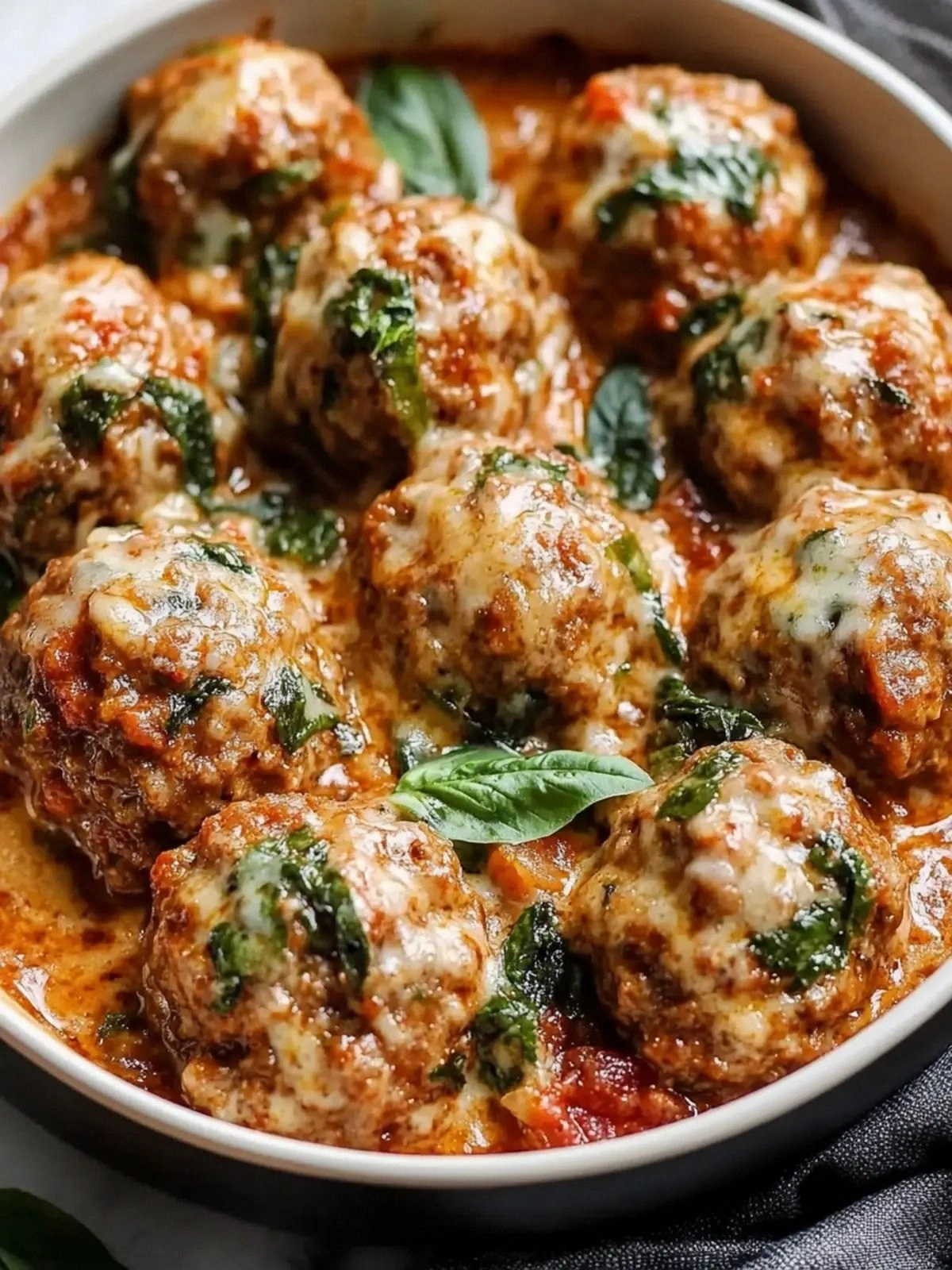
Imagine the kitchen filling with the warm, buttery scent of olive oil sizzling, the gentle clatter of a wooden spoon against a cast‑iron skillet, and the faint, comforting aroma of sun‑dried tomatoes mingling with garlic. The sound of the meatball mixture being folded in, the metallic hiss as it hits hot oil, and the visual of golden crust forming on each ball. The first bite releases a burst of savory beef, followed by the silky, Parmesan‑laden sauce that coats the tongue like velvet. The texture is a delightful contrast: a crisp exterior that gives way to a tender, juicy center, all wrapped in a creamy, herb‑infused blanket. I was instantly hooked.
What sets this version apart is the meticulous balance of flavors and textures. The almond flour keeps the meatballs low‑carb yet moist, while the heavy cream and Parmesan create a sauce that feels indulgent without the guilt. The sun‑dried tomatoes add a sweet, tangy punch that cuts through the richness, and the fresh basil provides a bright, herbal finish. The result is a dish that feels luxurious and comforting, yet is perfectly aligned with keto goals. Most recipes get this completely wrong, but here’s what actually works: a simple, straightforward method that preserves the integrity of each ingredient.
I’ll be honest — I ate half the batch before anyone else got to try it. But that was the moment I realized how powerful this combination could be. Picture yourself pulling this out of the oven, the whole kitchen smelling incredible, and knowing that every bite will bring a wave of satisfaction. I dare you to taste this and not go back for seconds. Let me walk you through every single step — by the end, you’ll wonder how you ever made it any other way.
What Makes This Version Stand Out
- Flavor: The sauce coats each meatball like a silky blanket, delivering a depth of umami that lingers on the palate. The combination of Parmesan, heavy cream, and sun‑dried tomatoes creates a complex profile that feels both comforting and sophisticated. It’s the kind of flavor that makes you reach for the second bite without thinking.
- Texture: The almond flour keeps the meatballs tender inside while giving them a slight bite on the outside. The heavy cream adds a luscious mouthfeel that feels indulgent yet light. The result is a harmonious balance that satisfies both the keto and the comfort‑food cravings.
- Low‑Carb Integrity: By replacing breadcrumbs with almond flour and using heavy cream instead of dairy‑heavy sauces, the dish stays under 30 grams of net carbs per serving. It’s a perfect marriage of taste and nutrition, allowing you to enjoy a classic Italian favorite without the carb overload.
- Visual Appeal: The golden crust of the meatballs contrasts beautifully against the creamy sauce, while the bright green spinach and pops of sun‑dried tomato color make the dish inviting. Every bite feels like a mini‑Italian feast, and the presentation is a win for both the eyes and the taste buds.
- Time Efficiency: From prep to plate, this recipe takes just 45 minutes. The method is streamlined: brown the meatballs, simmer in sauce, bake for a final finish. Even on a busy weeknight, you can pull this together without sacrificing quality.
- Make‑Ahead Potential: The meatballs can be prepared and frozen before the sauce, then assembled and baked when you’re ready to eat. This makes it an excellent option for meal‑prepping or hosting a dinner party where you want to minimize last‑minute cooking.
- Ingredient Quality: Every component is chosen for its flavor and keto compatibility. Fresh basil, high‑fat heavy cream, and a good quality Parmesan elevate the dish beyond a standard meatball recipe.
- Guest Reactions: Friends and family who have tried this version rave about the creamy sauce and the perfectly cooked meatballs. The dish is a conversation starter, and the compliments keep coming.
Inside the Ingredient List
The Flavor Base
Ground beef is the heart of these meatballs. It provides a robust, meaty foundation that pairs perfectly with the Italian seasoning. If you’re looking to cut down on red meat, a 50/50 mix of ground beef and ground pork will add a richer fat content without compromising flavor. Skipping this step would leave your dish bland and devoid of the classic savory undertone that anchors the sauce.
Italian seasoning is a blend of oregano, basil, thyme, and rosemary that instantly transports the dish to the Tuscan countryside. It’s a quick way to infuse depth without the need for fresh herbs at every stage. If you don’t have pre‑mixed seasoning, a handful of dried oregano, basil, and thyme will suffice. The seasoning’s aromatic oils release during browning, creating a fragrant base that permeates every bite.
Salt and black pepper are essential for balancing flavors. Too little salt and the dish will taste flat; too much and the meatballs will become overly salty. A pinch of pepper adds a subtle heat that complements the sweet sun‑dried tomatoes. If you’re watching sodium, you can reduce the salt to taste and rely more on the Parmesan for savory notes.
The Texture Crew
Almond flour is the secret to a low‑carb, moist meatball that still holds together. It absorbs excess moisture, preventing the meatballs from falling apart while adding a subtle nutty flavor. If you’re allergic to nuts, you can substitute coconut flour, but you’ll need to add a bit more egg or a binding agent to compensate.
The egg acts as a binder, keeping the meatballs cohesive during cooking. It also adds a slight richness that balances the acidity of the tomatoes. For a vegan version, you can use a flaxseed egg (1 tablespoon ground flaxseed mixed with 3 tablespoons water) as a substitute. However, the texture will be slightly different.
Garlic is the flavor booster that gives the dish its signature aroma. Minced garlic releases its essential oils when heated, creating a fragrant base that lingers in every bite. If you prefer a milder garlic flavor, use 2 cloves instead of 4, or add garlic powder during the mixing stage for a more uniform distribution.
The Unexpected Star
Heavy cream is the star that turns a simple sauce into a luxurious, velvety coating. Its high fat content enriches the sauce, giving it body and a glossy sheen that’s irresistible. If you’re looking for a lighter version, you can replace half of the heavy cream with unsweetened almond milk, but the sauce will be less thick.
Spinach adds a burst of color and a mild, earthy flavor that pairs beautifully with the cream. It also boosts the dish’s nutritional profile, adding iron and vitamins. If you’re not a fan of spinach, you can swap it for kale or arugula; just be sure to chop finely to avoid large, chewy pieces.
The Final Flourish
Sun‑dried tomatoes bring a concentrated burst of umami and a hint of sweetness that cuts through the richness of the cream. They also add a chewy texture that contrasts nicely with the tender meatballs. If you can’t find sun‑dried tomatoes, you can use roasted red peppers for a milder, sweeter flavor.
Parmesan cheese adds a nutty, salty depth that thickens the sauce and gives it a savory finish. Grated fresh Parmesan melts quickly, creating a smooth, cohesive sauce that clings to the meatballs. If you prefer a sharper flavor, you can add a tablespoon of Pecorino Romano; just be mindful that it’s saltier.
Olive oil is the medium that brings everything together. It prevents sticking, adds a subtle fruity note, and helps brown the meatballs evenly. A high‑smoke‑point oil like avocado oil works as a substitute if you’re sensitive to olive oil’s flavor.
Fresh basil is the final touch that brightens the dish with a burst of green freshness. It balances the richness of the cream and the saltiness of the cheese. If you’re out of basil, a pinch of dried oregano or a few thyme leaves will provide a similar herbal note.
Everything's prepped? Good. Let's get into the real action…
The Method — Step by Step
- Preheat the oven to 400°F (200°C). In a large mixing bowl, combine the ground beef, almond flour, egg, minced garlic, Italian seasoning, salt, and pepper. Mix gently with your hands until just combined; over‑mixing will make the meatballs tough. Let the mixture rest for 5 minutes while you heat the skillet.
- Heat a tablespoon of olive oil in a large skillet over medium heat. Drop spoonfuls of the meatball mixture into the pan, forming 1‑inch balls. Brown each side for 3–4 minutes, until a golden crust forms. The sizzling sound and the aroma of browned meat should signal that you’re on the right track. Remove the browned meatballs to a plate and set aside.
- Reduce the heat to low and pour in the heavy cream. Stir slowly, scraping up the browned bits (fond) from the pan; these carry the savory flavor that will make the sauce silky. The mixture should thicken slightly and take on a glossy sheen. Keep the heat low so the cream doesn’t curdle.
- Add the chopped spinach and sun‑dried tomatoes to the skillet. Cook for 2 minutes, stirring occasionally, until the spinach wilts and the tomatoes soften. The sauce should smell fragrant, like a Tuscan summer garden. This step also adds a pop of color that makes the dish visually appealing.
- Return the browned meatballs to the skillet, spooning some of the cream mixture over them to coat. Cover the skillet with a lid or foil and let the meatballs steam in the sauce for 15 minutes. The internal temperature should reach 160°F (71°C). This gentle cooking keeps the meatballs tender and the sauce rich.
- Stir in the grated Parmesan. The cheese melts into the sauce, thickening it and adding a nutty depth. Let it simmer for an additional 2 minutes until the sauce is glossy and the cheese is fully incorporated. The aroma will be irresistibly inviting.
- Taste the sauce and adjust seasoning with salt, pepper, and fresh basil leaves. The basil should give a bright, herbal finish that cuts through the richness. If you prefer a sweeter note, add a splash of balsamic glaze at the end.
- Transfer the skillet to the preheated oven and bake for an extra 5 minutes. This final step allows the flavors to meld and the top to develop a subtle crust. The heat will also help the sauce reduce slightly, creating a thicker coating.
- Remove from oven, let rest for 3 minutes, then serve hot, spooning the creamy sauce over the meatballs. Garnish with extra basil and a sprinkle of Parmesan if desired. The dish should look glossy, the meatballs tender, and the aroma irresistible.
That's it — you did it. But hold on, I've got a few more tricks that'll take this to another level. If you’re looking to elevate the dish further, consider the insider tips below. They’ll help you perfect every bite.
Insider Tricks for Flawless Results
The Temperature Rule Nobody Follows
Many cooks skip the step of checking the internal temperature of the meatballs. Use a meat thermometer to ensure they reach 160°F (71°C). This guarantees the meat is fully cooked while still staying juicy. A quick glance at the thermometer can save you from under‑cooked or over‑cooked meatballs.
Why Your Nose Knows Best
The aroma of the sauce is a reliable indicator of doneness. When the sauce smells buttery and slightly caramelized, it’s ready. If you’re unsure, give the sauce a gentle stir; if it’s thickening and the spinach is wilted, you’re good to go.
The 5-Minute Rest That Changes Everything
Letting the meatballs rest for 3–5 minutes after baking allows the juices to redistribute. This step prevents the meatballs from drying out and ensures every bite is succulent. The sauce also thickens slightly during this rest period.
The Secret to a Silky Sauce
Stir the sauce gently over low heat to prevent it from separating. If you notice any separation, whisk in a small amount of cold water or additional cream until it smooths out. The key is to keep the heat low and the mixture moving.
The Fresh Basil Boost
Adding fresh basil at the very end gives the dish a bright, herbal finish. It also adds a subtle peppery note that balances the richness. If you’re using dried basil, sprinkle it in earlier to allow the flavor to bloom.
Creative Twists and Variations
This recipe is a playground. Here are some of my favorite ways to switch things up:
Mediterranean Magic
Swap the sun‑dried tomatoes for chopped kalamata olives and add a splash of white wine to the sauce. The briny olives give a salty punch, while the wine adds depth. This version is perfect for a Mediterranean-themed dinner.
Cheesy Extravaganza
Add a handful of shredded mozzarella to the meatball mixture. The cheese melts into the meatballs, creating a gooey center. Finish the sauce with a drizzle of melted Gorgonzola for an extra layer of flavor.
Herb‑Infused Delight
Incorporate chopped fresh rosemary and thyme into the meatball mixture. These herbs complement the Italian seasoning and give the dish a fragrant, earthy undertone. The result is a savory, aromatic experience.
Low‑Calorie Twist
Replace the heavy cream with Greek yogurt for a lighter, tangier sauce. The yogurt adds protein and reduces fat while maintaining a creamy texture. Pair it with a sprinkle of fresh dill for a refreshing twist.
Vegan Version
Use a plant‑based meat substitute and replace the egg with a flaxseed or chia egg. Swap the heavy cream for coconut cream and use nutritional yeast instead of Parmesan. This vegan take retains the creamy texture while keeping the dish keto‑friendly.
Spicy Kick
Add a pinch of red pepper flakes to the meatball mixture and a splash of hot sauce to the sauce. The heat balances the richness and adds a lively flavor profile. Serve with a side of roasted zucchini for a complete meal.
Storing and Bringing It Back to Life
Fridge Storage
Store cooked meatballs in an airtight container in the refrigerator for up to 3 days. Reheat in a skillet over medium heat, adding a splash of water or broth to keep the sauce moist. The dish retains its creamy texture and flavor.
Freezer Friendly
Freeze uncooked meatballs in a single layer on a parchment‑lined tray, then transfer to a freezer bag. They’ll stay good for up to 2 months. When ready, bake at 375°F (190°C) for 20 minutes, then finish with the sauce.
Best Reheating Method
Reheat the sauce on low heat, whisking frequently to prevent separation. Add a tiny splash of water or broth before reheating; it steams the sauce back to perfection and keeps the meatballs juicy. Serve immediately for the best texture.