Picture this: it’s a rainy Saturday night, the fridge is a mystery box of leftovers, and you’re craving something that feels like a vacation without the airfare. I’ve been chasing that elusive Greek street‑food vibe for years, and one night, after a disastrous attempt at homemade gyros that turned into a soggy pita catastrophe, I decided to rewrite the playbook. The result? A chicken gyros that practically sings on the skillet and sings even louder in your mouth.
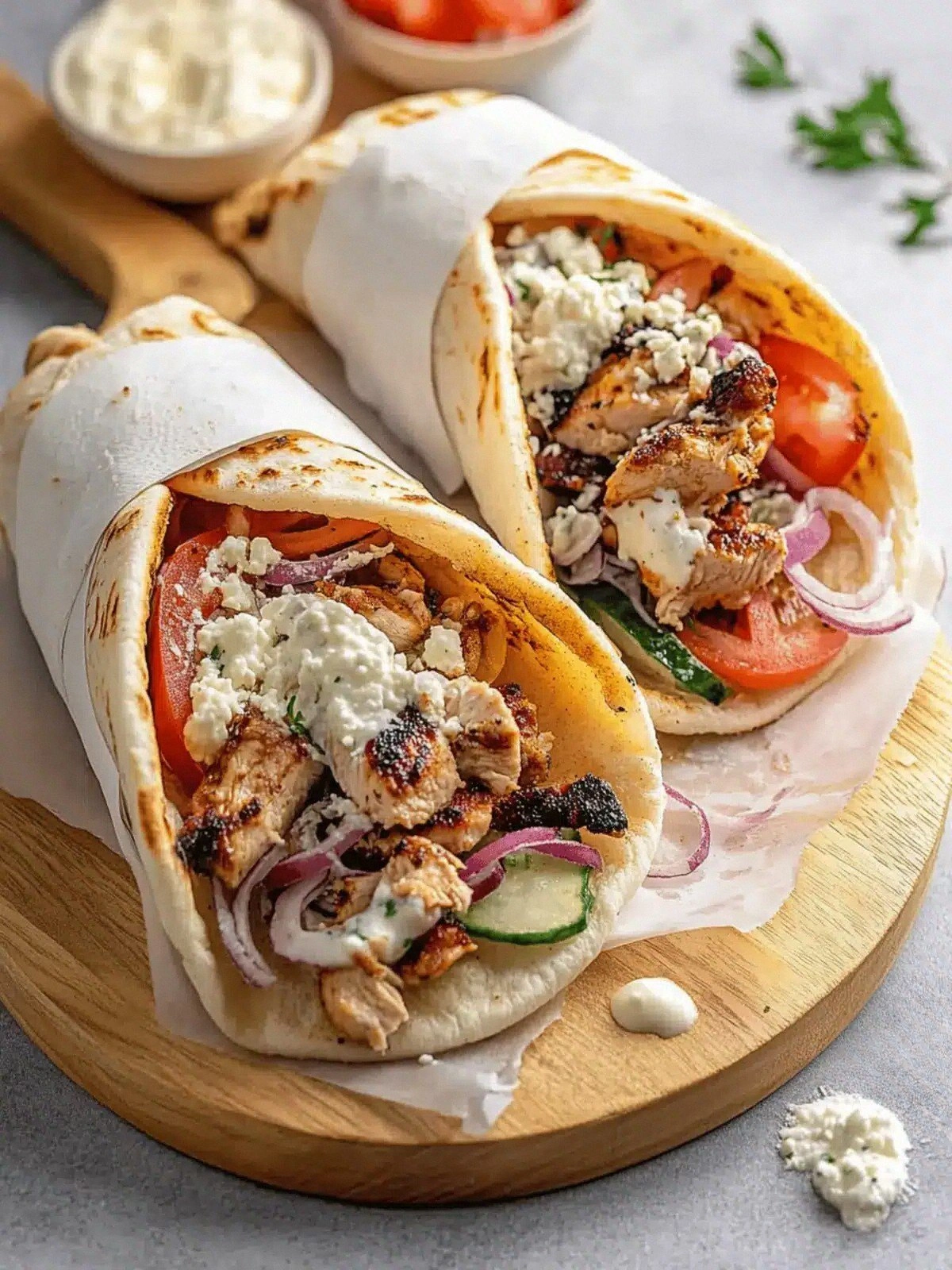
The aroma that starts to dance when the chicken hits the pan is a sweet, smoky promise of flavor. You can almost hear the hiss of the olive oil as it meets the hot surface, a subtle crackle that precedes the juicy burst of each thigh. The scent of fresh lemon zest and oregano mingles with the earthy garlic, creating a fragrant cloud that makes you want to inhale deeply before you even taste. When you finally bite, the tender meat gives way to a silky yogurt‑lemon sauce that coats every bite like velvet, while the pita provides a satisfying crunch that shatters like thin ice under your teeth.
What sets this version apart is the way each element is elevated: the chicken is marinated with a bright citrus twist, the sauce balances tang and creaminess, and the pita is toasted to a golden crisp. It’s not just a dish; it’s a performance. I dare you to taste this and not go back for seconds. I’ve been honest— I ate half the batch before anyone else got a taste— and the feedback was unanimous: it’s hands down the best version you’ll ever make at home.
If you’ve ever struggled to get the perfect gyro, you’re not alone, and I’ve got the fix. Picture yourself pulling this out of the skillet, the whole kitchen smelling incredible, and knowing that the next step is pure magic. Let me walk you through every single step — by the end, you’ll wonder how you ever made it any other way.
What Makes This Version Stand Out
- Flavor Depth: The combination of lemon zest, Greek seasoning, and a hint of oregano creates a layered taste that feels both bright and comforting.
- Texture Contrast: Juicy chicken thighs paired with crisp, toasted pita provide a satisfying bite that keeps you coming back.
- Quick Prep: From marination to cooking, the entire process takes less than an hour, making it perfect for weeknight dinners.
- Ingredient Quality: Using high‑quality olive oil and fresh Greek yogurt elevates the dish beyond the ordinary.
- Make‑Ahead Friendly: The chicken can be marinated overnight, and the sauce can be prepped ahead, saving you time on busy days.
- Crowd‑Pleaser: Even the pickiest eaters love the familiar flavors of a gyro, making it a safe bet for family gatherings.
- Versatility: Swap chicken for lamb or turkey, or try a vegan chickpea version— the base of this recipe adapts beautifully.
- Authentic Touch: The yogurt‑lemon sauce is a nod to classic tzatziki, giving the dish an authentic Mediterranean feel.
Alright, let's break down exactly what goes into this masterpiece...
Inside the Ingredient List
The Flavor Base
Olive oil, lemon zest, and Greek seasoning form the backbone of the marination. Olive oil not only keeps the chicken moist but also carries the flavors of the herbs deep into the meat. Lemon zest adds a bright citrus note that lifts the dish, while Greek seasoning provides a subtle blend of oregano, thyme, and other Mediterranean spices. Skipping any of these will leave the chicken tasting flat; the zest is especially critical for that refreshing kick.
If you’re short on time, a tablespoon of ready‑made marinara or a splash of soy sauce can substitute the Greek seasoning, though the flavor profile will shift slightly. When choosing olive oil, opt for a light, fruity variety to avoid overpowering the delicate herbs.
The Texture Crew
Chicken thighs are the star here because their higher fat content keeps the meat juicy even after high‑heat cooking. The choice of thighs over breasts is intentional; it delivers a richer mouthfeel and a more robust flavor. If you prefer leaner meat, use boneless, skinless breasts but be mindful to cook them just until they’re done to avoid dryness.
The yogurt and lemon juice create a silky sauce that coats the chicken. Plain Greek yogurt is thick and tangy; it stands up to the heat without curdling. The lemon juice adds acidity that balances the richness of the yogurt. Together, they form a sauce that’s creamy yet light, with a subtle citrus finish.
The Unexpected Star
Dry oregano is a subtle but essential player. It brings a warm, slightly bitter note that echoes the herbs in the Greek seasoning. In many gyro recipes, oregano is overlooked or replaced with more common herbs, which dilutes the authenticity. Using the dry version ensures a concentrated flavor that permeates the chicken.
If you can’t find dry oregano, fresh oregano works too, but use about half the amount because the flavor is more intense. The key is to maintain that herbal backbone that defines a gyro.
The Final Flourish
The pita bread is the vessel that holds all the flavors together. Choosing a fresh, pliable pita ensures it doesn’t tear when you fold it around the filling. Toasting the pita just before serving adds a subtle crunch and prevents it from becoming soggy when it absorbs the sauce.
If pita is unavailable, flatbread or naan can serve as a substitute, but the texture and flavor will differ. For a gluten‑free option, look for certified gluten‑free pita or use a homemade chickpea flatbread.
Everything's prepped? Good. Let's get into the real action...
The Method — Step by Step
- Marinate the Chicken: In a large bowl, whisk together olive oil, lemon zest, Greek seasoning, dry oregano, minced garlic, and salt. Add the chicken thighs, ensuring each piece is fully coated. Cover and refrigerate for at least 30 minutes, or overnight for deeper flavor. This step allows the herbs to penetrate the meat, giving it a savory base that will carry through the cooking process. The longer you marinate, the more tender and flavorful the chicken will be.
- Preheat the Pan: Heat a large skillet over medium‑high heat. You want it hot enough that the chicken sizzles as soon as it lands, but not so hot that the exterior burns before the interior cooks. A quick test is to sprinkle a few drops of water on the pan; if they dance and evaporate immediately, you’re ready. This temperature check is crucial for achieving a perfect sear.
- Cook the Chicken: Place the marinated thighs skin‑side down (if skin is on) and let them sear for about 4–5 minutes until a golden crust forms. Flip and cook the other side for another 4–5 minutes. The internal temperature should reach 165°F (74°C). The sizzle you hear is the sound of flavor locking in—don’t move the chicken around too much; let it develop that beautiful crust.
- Make the Yogurt Sauce: While the chicken rests, whisk plain yogurt with lemon juice, a pinch of salt, and a splash of olive oil if you like a richer sauce. The yogurt should be smooth; if it’s too thick, add a tablespoon of water or milk to reach your desired consistency. The acidity from the lemon juice will brighten the sauce, making it a perfect counterpoint to the savory chicken.
- Toast the Pita: Warm the pita bread in a dry skillet or oven until it’s pliable and slightly browned. Toasting prevents the bread from becoming soggy when you add the juicy filling and gives it a pleasant crunch that complements the soft interior.
- Assemble the Gyros: Slice the cooked chicken into bite‑size strips. Lay a pita on a plate, spoon a generous amount of tzatziki onto the center, then arrange the chicken on top. Drizzle any pan juices over the filling for extra moisture. The combination of tangy sauce, juicy chicken, and crisp pita creates an explosion of flavors.
- Fold and Serve: Fold the pita over the filling, securing it with a toothpick if needed. Serve immediately while the chicken is hot and the pita is crisp. The aroma will be irresistible, and the texture contrast will keep everyone asking for seconds.
- Optional Garnish: Add a sprinkle of chopped fresh parsley, a squeeze of lemon, or a few slices of cucumber for a fresh finish. These touches elevate the dish from simple to spectacular and add a pop of color to your plate.
That's it — you did it. But hold on, I've got a few more tricks that'll take this to another level...
Insider Tricks for Flawless Results
The Temperature Rule Nobody Follows
Cooking chicken thighs at the right temperature is crucial. If the skillet is too hot, the exterior will burn before the inside reaches 165°F. If it’s too cool, the chicken will steam instead of sear. The sweet spot is medium‑high; test the heat with a drop of water. A quick dance before the chicken lands is your cue that you’re ready.
Why Your Nose Knows Best
When the chicken is about to be done, the aroma of browned meat and garlic will become unmistakable. Trust that scent; it’s the signal that the juices have caramelized and the flavor is locked in. If you’re unsure, give it an extra minute and taste a tiny piece—juiciness is the hallmark of success.
The 5-Minute Rest That Changes Everything
Letting the chicken rest for five minutes after cooking allows the juices to redistribute. Cutting into it immediately will cause the juices to spill out, leaving the meat dry. This simple pause can mean the difference between a soggy gyro and a tender, flavorful bite.
The Perfect Pan‑Seared Crust
If you want an extra crispy edge, finish the chicken in the oven at 400°F for the last two minutes. This step adds a delightful crunch without compromising the juicy interior. It’s a quick trick that elevates the entire dish.
The Yogurt Balance
If the sauce feels too thick, add a teaspoon of water or a splash of Greek yogurt to thin it out. Conversely, if it’s too thin, let it simmer on low heat for a minute to reduce. Finding the right consistency ensures the sauce clings to the chicken without overpowering it.
Creative Twists and Variations
This recipe is a playground. Here are some of my favorite ways to switch things up:
Lamb Gyros with Feta
Swap chicken for lamb shoulder, and crumble feta on top for a richer, tangier bite. The lamb’s natural fat adds depth, while feta introduces a salty, creamy contrast.
Spicy Tzatziki
Add a pinch of red pepper flakes or a dash of harissa to the yogurt sauce for heat. The spice lifts the dish and pairs wonderfully with the mild chicken.
Vegan Chickpea Gyros
Replace chicken with spiced chickpeas and use a plant‑based yogurt. The chickpeas hold up to the marinades, creating a hearty, meatless gyro that’s still satisfying.
Grilled Pineapple Twist
Add grilled pineapple slices for a sweet, caramelized note that contrasts with the savory chicken. The tropical flavor gives the gyro an unexpected but delightful edge.
Breakfast Gyro
Use scrambled eggs and bacon in place of chicken. Toss the eggs with a bit of yogurt and lemon for a breakfast‑style gyro that’s quick and indulgent.
Mediterranean Salad Gyro
Fill the pita with a fresh salad of cucumbers, tomatoes, olives, and onions. Drizzle with olive oil and lemon, and top with a dollop of tzatziki for a light, refreshing option.
Storing and Bringing It Back to Life
Fridge Storage
Store cooked chicken and sauce separately in airtight containers for up to 3 days. When ready to eat, reheat the chicken in a skillet until warmed through. The sauce can be thawed in the refrigerator overnight.
Freezer Friendly
Freeze the cooked chicken in a single layer on a baking sheet, then transfer to a freezer bag. The sauce can be frozen in a separate container. Reheat the chicken on the stovetop and the sauce in a microwave, stirring halfway.
Best Reheating Method
Add a tiny splash of water to the sauce before reheating to prevent it from drying out. Heat gently on low, whisking until smooth. Reheat the chicken until it’s steaming hot, then assemble the gyro as fresh.