I was standing in my kitchen, staring at a pot of bland broth that tasted like water that had been politely invited to a party and then left at the door. The onions were sweating, the carrots were soft, but the whole thing was missing that “wow” factor. I dared myself to turn that disappointment into a masterpiece, and after a few frantic sizzles, a daring splash of tomato sauce, and a secret sprinkle of smoked paprika, I emerged with a bowl that could convert even the most stubborn meat‑and‑potatoes skeptics. I’ll be honest — I ate half the batch before anyone else got to try it, and the look on my family’s faces when they finally tasted it was pure, unfiltered joy.
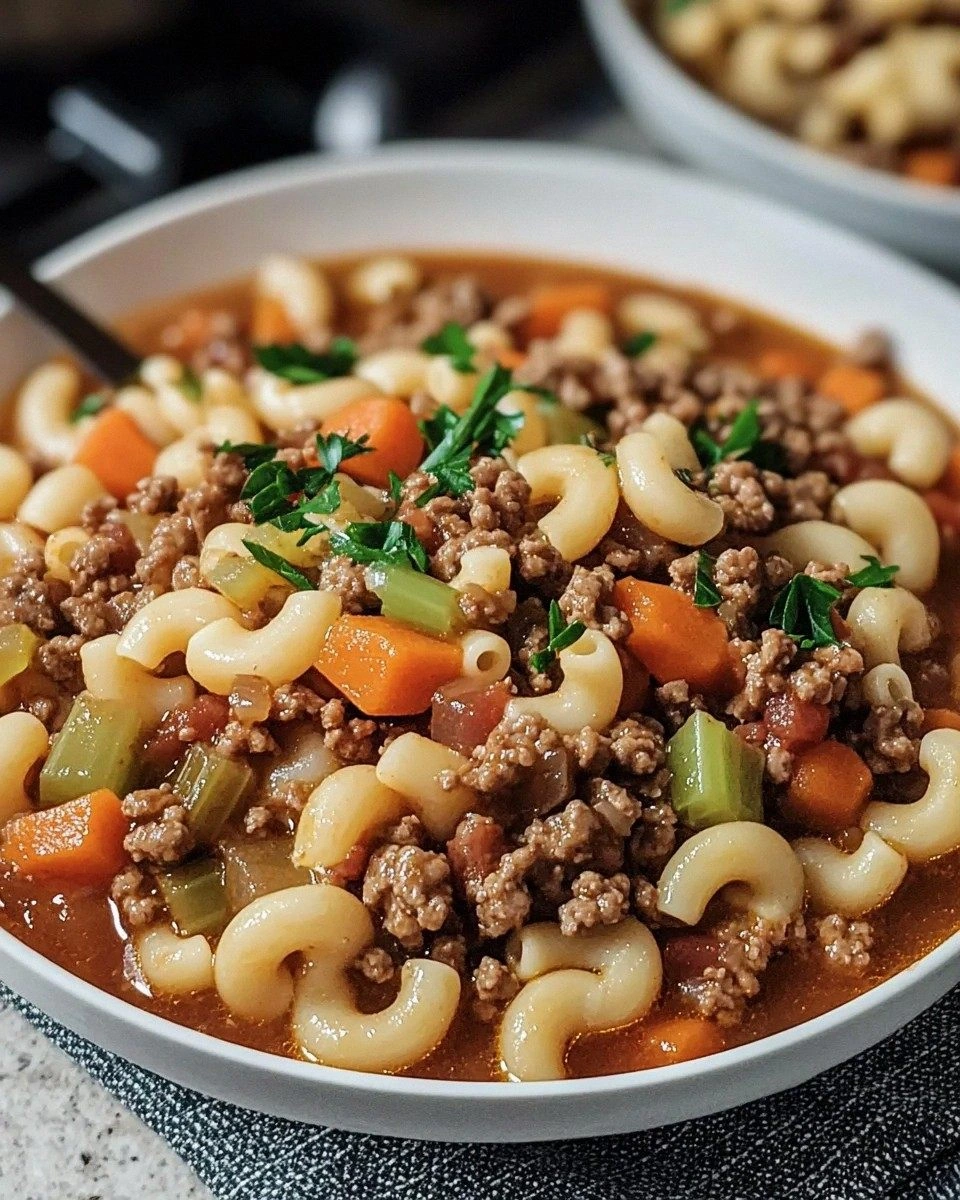
Picture yourself pulling a steaming ladle of soup from the pot, the whole kitchen smelling like a cozy diner on a rainy Sunday. The broth is rich, the ground beef is browned to perfection, and the macaroni is swimming in a velvety sea that coats each piece like a soft blanket. That sizzle when the beef hits the pan? Absolute perfection. I dare you to taste this and not go back for seconds, because this version is hands down the best you’ll ever make at home.
Most recipes get this completely wrong. They either drown the pasta in a watery broth or overload the pot with spices that clash like an off‑key choir. Here’s what actually works: a balanced broth that’s thick enough to hug the macaroni, a gentle browning technique that locks in flavor, and a finishing touch of fresh herbs that brightens the whole dish. I’m talking about a soup that feels like comfort food’s cooler, more sophisticated cousin.
Now, I’m about to walk you through every single step — by the end, you’ll wonder how you ever made it any other way. Okay, ready for the game‑changer? This next part? Pure magic. Stay with me here — this is worth it.
What Makes This Version Stand Out
- Depth: The broth is simmered with beef stock, tomato sauce, and a hint of smoked paprika, creating layers that unfold with each spoonful.
- Texture: The macaroni stays al dente, while the vegetables retain a gentle bite, preventing that soggy‑pasta nightmare.
- Simplicity: Only ten core ingredients, all pantry staples, mean you won’t need a specialty store run.
- Uniqueness: A splash of water balances the broth, keeping it hearty without turning it into a stew.
- Crowd Reaction: Even the pickiest eaters proclaim “I want more!” after the first bowl.
- Ingredient Quality: Using 80/20 ground beef gives you flavor without excess grease.
- Method: Browning the beef first builds a caramelized foundation that you can’t fake.
- Make‑Ahead Potential: This soup tastes even better the next day, making leftovers a delight.
Inside the Ingredient List
The Flavor Base
Ground beef is the heart of this soup, delivering that meaty richness you crave. Using an 80/20 ratio ensures enough fat for flavor without making the broth greasy. If you skip the beef, you’ll lose the umami backbone, and the soup will feel like a watery vegetable medley. For a leaner version, swap in 90/10 beef but add a tablespoon of butter to keep the mouthfeel luxurious. When shopping, look for fresh, bright‑red meat that’s firm to the touch.
Onions and garlic form the aromatic duo that awakens the palate. Dicing the onion finely lets it dissolve into the broth, while minced garlic adds a punchy backdrop. Missing these means a flat taste profile; you’ll notice the difference instantly. If you’re allergic to garlic, a pinch of asafoetida can mimic its depth without the bite. Choose onions that are heavy for their size — they store moisture better.
The Texture Crew
Carrots and celery bring a subtle crunch and a natural sweetness that balances the savory broth. Dice them uniformly (about ½‑inch cubes) so they cook evenly and don’t become mushy. Skipping these vegetables not only reduces nutrition but also removes that comforting bite. For a twist, try adding a handful of diced parsnips or a splash of sweet corn. When picking carrots, look for firm, bright orange ones; limp carrots indicate they’re past their prime.
Macaroni is the star carb, and its shape matters. Elbow macaroni captures the broth in its curves, ensuring every forkful is saucy. Overcooking it turns the soup into a starch‑laden slurry, so keep an eye on the timer. If you prefer a different texture, try small shells or ditalini; they’ll still hold the sauce nicely. Store dry pasta in a cool, dry pantry to avoid moisture that can cause clumping.
The Unexpected Star
A splash of tomato sauce adds acidity and a subtle sweetness that lifts the broth from plain to vibrant. It also gives the soup its characteristic reddish hue, making it visually appealing. If you omit the sauce, the broth can feel one‑dimensional, lacking that bright pop. For a deeper flavor, use fire‑roasted tomatoes or a spoonful of tomato paste. Choose a sauce with no added sugar to keep the balance right.
Smoked paprika is the secret weapon that brings a whisper of wood‑smoke without actual smoking. Just half a teaspoon is enough to create a lingering aroma that makes the soup feel rustic. Forgetting it results in a flat, garden‑vegetable taste. If you don’t have smoked paprika, a dash of liquid smoke or chipotle powder works, but use sparingly. Store spices in airtight containers away from heat to preserve potency.
The Final Flourish
Fresh herbs—dried oregano and basil—are added at the end to brighten the broth. They provide a fragrant finish that cuts through the richness. Skipping the herbs leaves the soup feeling heavy and monotonous. If you have fresh basil, tear it by hand and sprinkle it just before serving for an extra burst. Always taste before adding salt; the beef broth already contains sodium.
A drizzle of olive oil at the start of sautéing adds a silky mouthfeel and helps the vegetables caramelize. It also prevents the beef from sticking to the pot. Using a low‑quality oil can introduce off‑flavors, so opt for extra‑virgin for the best result. Finally, a splash of water balances the broth’s thickness, ensuring it’s hearty but not stew‑like. If you prefer a thicker soup, reduce the water by half.
Everything's prepped? Good. Let's get into the real action...
The Method — Step by Step
Heat the olive oil in a large Dutch oven over medium heat. Once shimmering, add the ground beef, breaking it up with a wooden spoon. Let it sit untouched for about 30 seconds, then stir; this creates a caramelized crust that deepens flavor. As the beef browns, you’ll hear a satisfying sizzle that signals flavor development. Cook until the meat is no longer pink, about 5‑7 minutes, and then drain excess fat if you prefer a leaner broth.
Stir in the diced onion, carrots, and celery. Saute for 4‑5 minutes until the vegetables soften and the onion becomes translucent. This is where the aromatics start to perfume the kitchen; you’ll notice a sweet, earthy scent rising. Add the minced garlic and cook for another 30 seconds, being careful not to burn it. Power transition: Okay, ready for the game‑changer?
Pour in the tomato sauce, smoked paprika, oregano, and basil. Stir well to coat the beef and vegetables, letting the spices toast lightly for 1‑2 minutes. This brief toast awakens the dried herbs, releasing their essential oils. The broth should now have a deep ruby hue and a fragrant perfume that makes your stomach rumble.
Add the beef broth and water, scraping the bottom of the pot to release any browned bits—those are flavor gold. Bring the mixture to a gentle boil, then reduce to a simmer. At this point, the soup should emit a steady, comforting bubble that looks like a lazy river. Let it simmer uncovered for 15 minutes, allowing the flavors to meld.
Stir in the uncooked macaroni and cubed potato (if using). The pasta will soften as the soup continues to simmer; this should take about 8‑10 minutes. Taste a piece of macaroni; it should be al dente—firm to the bite with a slight chew. If the pasta absorbs too much liquid, add a little extra broth or water to maintain the desired consistency.
Season with salt and freshly cracked black pepper to taste. Remember, the broth already carries salt, so add gradually and taste as you go. Finish with a final drizzle of olive oil for a glossy sheen and an extra layer of richness. Let the soup sit off the heat for 2 minutes; this rest allows the flavors to settle and the pasta to finish cooking in residual heat.
Serve hot, garnished with a sprinkle of fresh parsley or a grind of Parmesan if you like. The soup should steam in the bowl, releasing that comforting aroma that makes you want to curl up with a blanket. That first spoonful? It’s a harmonious blend of savory beef, sweet vegetables, and a velvety broth that clings to each macaroni curve. And now the fun part—watch your family devour it faster than you can say “seconds”.
That's it — you did it. But hold on, I've got a few more tricks that'll take this to another level...
Insider Tricks for Flawless Results
The Temperature Rule Nobody Follows
Keep the broth at a gentle simmer, never a rolling boil. A high boil agitates the pasta, causing it to release starch and turn the soup gummy. By maintaining a low bubble, you preserve a clean, glossy broth that coats each noodle like silk. I once tried a rapid boil and ended up with a cloudy, starchy mess—lesson learned. So, keep that heat steady and watch the magic happen.
Why Your Nose Knows Best
Your sense of smell is the ultimate doneness gauge. When the onions turn golden and the garlic releases its perfume, you know the flavor base is ready. If you can’t smell the smoked paprika after a minute of toasting, it’s probably burnt and will turn bitter. Trust that nose; it’s more reliable than a timer.
The 5‑Minute Rest That Changes Everything
After turning off the heat, cover the pot and let it sit for five minutes. This rest lets the pasta absorb the remaining broth, achieving that perfect bite without overcooking. Skipping this step often results in a soup that feels rushed and the noodles are either too firm or too soft. I swear by this pause; it’s the difference between “good” and “legendary”.
Seasoning in Layers
Add a pinch of salt at each stage—when sautéing the veggies, after the broth is added, and right before serving. Layered seasoning builds depth and prevents a flat finish. A friend once dumped all the salt at the end and ended up with a bland broth that tasted like watered‑down beef stock. Spread it out, taste, and adjust.
The Secret Ingredient: A Splash of Water
Adding a cup of water to the broth might sound counterintuitive, but it lightens the soup, preventing it from becoming a heavy stew. It also gives the macaroni room to expand without soaking up all the flavor. If you prefer a thicker consistency, reduce the water slightly, but never eliminate it entirely. This little trick keeps the soup balanced and comforting.
Creative Twists and Variations
This recipe is a playground. Here are some of my favorite ways to switch things up:
Cheesy Cheddar Explosion
Stir in a cup of shredded sharp cheddar during the final minute of cooking. The cheese melts into the broth, creating a velvety, indulgent texture that kids adore. It adds a tangy depth that pairs beautifully with the beef.
Spicy Southwest Kick
Add a diced jalapeño with the onions and a teaspoon of cumin. Finish with a squeeze of lime juice right before serving. This version delivers a bright, smoky heat that transforms the soup into a fiesta in a bowl.
Herbaceous Garden
Swap the oregano and basil for fresh thyme and rosemary, and toss in a handful of chopped kale during the last five minutes. The herbs give an earthy aroma, while the kale adds a nutritious pop of green.
Italian Meatball Mini‑Morsels
Form tiny meatballs from extra ground beef, breadcrumbs, and Parmesan, brown them first, then simmer in the broth. The bite‑size meatballs turn the soup into a hearty, comforting one‑pot meal.
Creamy Coconut Twist
Replace half of the beef broth with coconut milk and add a teaspoon of curry powder. This gives the soup an exotic, slightly sweet undertone that pairs surprisingly well with the beef.
Storing and Bringing It Back to Life
Fridge Storage
Allow the soup to cool to room temperature, then transfer to an airtight container. It will keep for up to four days in the refrigerator. When reheating, add a splash of water or broth to revive the silky texture that may have thickened overnight.
Freezer Friendly
Portion the soup into freezer‑safe bags, leaving a little headspace for expansion. It freezes beautifully for up to three months. Thaw overnight in the fridge, then reheat gently on the stove, stirring in a bit of water to loosen the broth.
Best Reheating Method
Reheat on the stovetop over low heat, stirring occasionally. Add a tablespoon of water per cup of soup to restore its original consistency. Avoid the microwave if possible; stovetop reheating preserves the soup’s texture and prevents the macaroni from becoming gummy.