I remember the night I was supposed to impress my roommate with a fancy dinner, and the kitchen turned into a war zone. I had a bag of chicken breasts, a pot, and a dream, but the moment I tossed the chicken in, the sizzle sounded less like culinary triumph and more like an alarm clock. I stared at the pan, realizing the chicken was browning unevenly, and my stomach growled louder than the kitchen timer. That was the moment I decided to rewrite the recipe, turning a potential flop into a flavor fireworks show. My friend dared me to finish the dish without burning anything, and I accepted the challenge with a grin. The scent of garlic and herbs already mingled with the faint tang of lemon, promising a dish that would make my taste buds dance. Let me walk you through every single step — by the end, you'll wonder how you ever made it any other way.
Picture this: a single pot, a splash of olive oil, and the bright, citrusy promise of lemon. The aroma of garlic begins to fill the air as it hits the hot oil, releasing a golden perfume that makes your eyes water in the best way possible. The chicken, seasoned with salt, pepper, and a whisper of red pepper flakes, sizzles, creating a caramelized crust that crackles like tiny fireworks. As the broth simmers, the pasta starts to absorb the savory liquid, turning from a dry noodle to a silky, sauce-coated masterpiece. The fresh herbs tumble in, their green vibrancy brightening the dish like a splash of fresh paint. By the time the dish is plated, the kitchen smells like a Mediterranean garden, and you can’t help but feel a rush of satisfaction that you’re about to taste something extraordinary.
The first time I tried this one-pot wonder, I was skeptical. I had always thought that chicken and pasta required separate pans and careful timing. But this recipe collapses the steps into a single vessel, saving time and reducing cleanup. I was amazed when the pasta emerged perfectly al dente, soaked in a sauce that clung to every strand like velvet. The lemon zest added a bright, citrusy lift that cut through the richness of the Parmesan, while the herbs brought an earthy depth that made the dish feel complete. I dare you to taste this and not go back for seconds; the flavors are so balanced, the dish feels like a well-crafted symphony. I’ll be honest — I ate half the batch before anyone else got to try it, and the leftovers still taste better than most restaurant dishes.
Most recipes get this completely wrong by overcooking the pasta or under-seasoning the chicken, resulting in a bland, mushy mess. Here’s what actually works: a single pot, a careful balance of acidity and heat, and the right timing for each ingredient. The key is to let the broth reduce slightly before adding the pasta, ensuring the sauce thickens without becoming too thick. This method also means you can cook the dish in under 45 minutes, making it perfect for a busy weeknight. Picture yourself pulling this out of the oven, the whole kitchen smelling incredible, and serving a plate that feels both comforting and luxurious. If you've ever struggled with pasta dishes, you're not alone — and I've got the fix.
The secret to this recipe is not just the ingredients but the way they interact in a single pot. The lemon juice brightens the broth, the garlic creates depth, and the fresh herbs give it that aromatic punch. The Parmesan cheese melts into a silky sauce that coats the pasta like a velvety blanket. The red pepper flakes add a subtle heat that wakes up the palate without overpowering the dish. And the best part? It’s so simple that even a novice cook can master it. And now the fun part — let’s dive into the details and discover how to make this dish unforgettable.
What Makes This Version Stand Out
- Flavor: The combination of lemon zest, fresh herbs, and a touch of red pepper creates a bright, vibrant profile that stands out from ordinary chicken pasta.
- Texture: The pasta is cooked directly in the sauce, resulting in strands that cling to the sauce like velvet and a chicken that stays juicy.
- One-Pot Simplicity: No separate pans, no extra utensils, just a single pot and a few minutes of attention.
- Time Efficiency: The entire meal can be prepared in under 45 minutes, perfect for a hectic weeknight.
- Ingredient Quality: Fresh herbs, real lemon juice, and high-quality Parmesan elevate the dish beyond supermarket staples.
- Crowd Appeal: The balanced flavor profile makes it a hit with both kids and adults, and it can be served as a main or a side.
- Make-Ahead Potential: The dish keeps well for a day in the fridge and can be reheated without losing its mouth‑watering essence.
- Versatility: Swap the chicken for shrimp or use gluten‑free pasta for a quick adaptation.
Inside the Ingredient List
The Flavor Base
The olive oil is the first to meet the heat, creating a canvas for the garlic to sizzle and release its sweet, aromatic oils. Without oil, the garlic would burn and produce a bitter taste that ruins the dish’s bright profile. If you’re watching calories, you can reduce the oil to half a tablespoon, but the flavor depth will be noticeably less. A good tip is to use a light‑to‑medium olive oil so the finish stays smooth and not overly fruity.
The Texture Crew
The chicken breasts are the heart of the dish; they must be cut into bite‑sized pieces so they cook evenly and absorb the sauce. If you prefer a leaner option, trim the fat before cutting. The pasta, 8 ounces of your choice, is added after the broth has reduced slightly, preventing it from becoming mushy. For a twist, try a spiral or fusilli to catch more sauce.
The Unexpected Star
Lemon zest is often overlooked, but it provides a bright, citrusy aroma that lifts the entire dish. It’s the secret weapon that keeps the sauce from feeling heavy. If you can’t find fresh lemons, a tablespoon of lemon zest can be replaced with a teaspoon of lemon zest from a jar, though the aroma will be less vibrant. The zest also adds a slight bitterness that balances the richness of the cheese.
The Final Flourish
Fresh herbs—parsley, thyme, or basil—are added at the end to keep their color and flavor intact. They add a green, earthy note that contrasts nicely with the bright lemon. If you’re in a pinch, a handful of frozen herbs will work, but thaw and drain them first. A pinch of red pepper flakes gives a subtle heat that keeps the dish from feeling flat. Salt and pepper are added to taste, but be careful not to over‑salt the broth.
Everything's prepped? Good. Let's get into the real action…
The Method — Step by Step
- Heat a large, heavy‑bottom pot over medium‑high heat. Add the tablespoon of olive oil, letting it shimmer but not smoke. Once the oil is hot, add the chicken pieces. Season them with salt, pepper, and a pinch of red pepper flakes. Sear until the edges are golden and the chicken is almost cooked through, about 3–4 minutes. This step locks in flavor and creates a caramelized crust that adds depth to the dish.
- Add the minced garlic to the pot. Stir constantly to prevent burning; garlic burns quickly and turns bitter. The garlic should release a fragrant aroma within 30 seconds, indicating it’s ready. If you notice any brown bits, let them caramelize for an extra 10 seconds to bring out their sweetness.
- Pour in the chicken broth, ensuring the chicken is fully submerged. Bring the mixture to a gentle boil, then reduce to a simmer. Allow the broth to reduce by about a third, concentrating the flavors and thickening the sauce slightly. This reduction step is crucial; skipping it results in a watery sauce that doesn’t cling to the pasta.
- Add the pasta, stirring immediately to prevent sticking. The pasta should be added when the broth is at a rolling simmer. Cook for 8–10 minutes, stirring occasionally, until the pasta is al dente. The pasta will absorb the broth, turning from a dry noodle into a silky, sauce‑coated masterpiece.
- Stir in the fresh lemon juice, lemon zest, and fresh herbs. The acidity brightens the dish, while the herbs add a green, earthy note. The sauce should thicken slightly, coating the pasta like velvet. If the sauce appears too thin, let it simmer uncovered for an additional 2–3 minutes.
- Reduce the heat to low and add the grated Parmesan cheese. Stir until the cheese melts into a smooth, creamy sauce that clings to the pasta. The cheese also helps to bind the sauce and adds a subtle nutty flavor.
- Taste the dish and adjust seasoning as needed. Add more salt, pepper, or lemon juice for brightness. If you want more heat, sprinkle additional red pepper flakes. Remember, the sauce should taste bright, creamy, and slightly spicy.
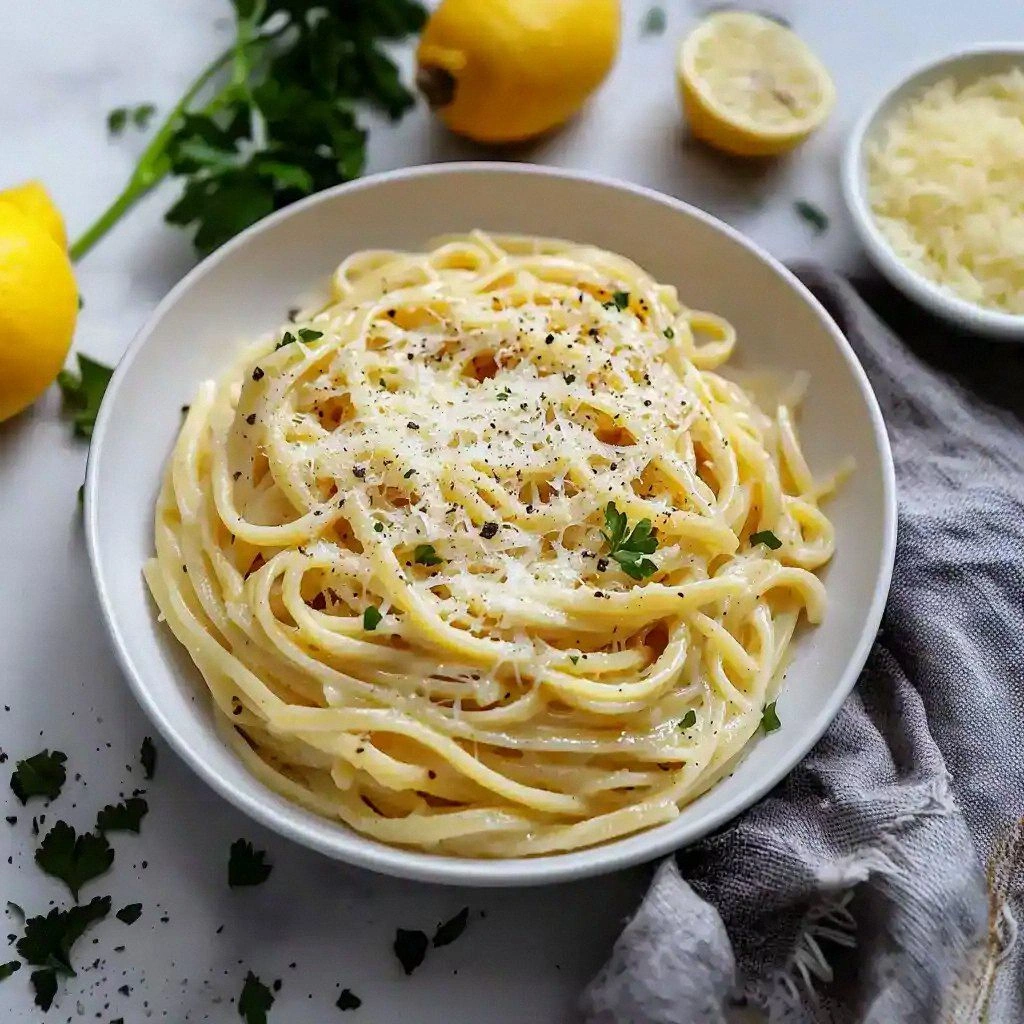
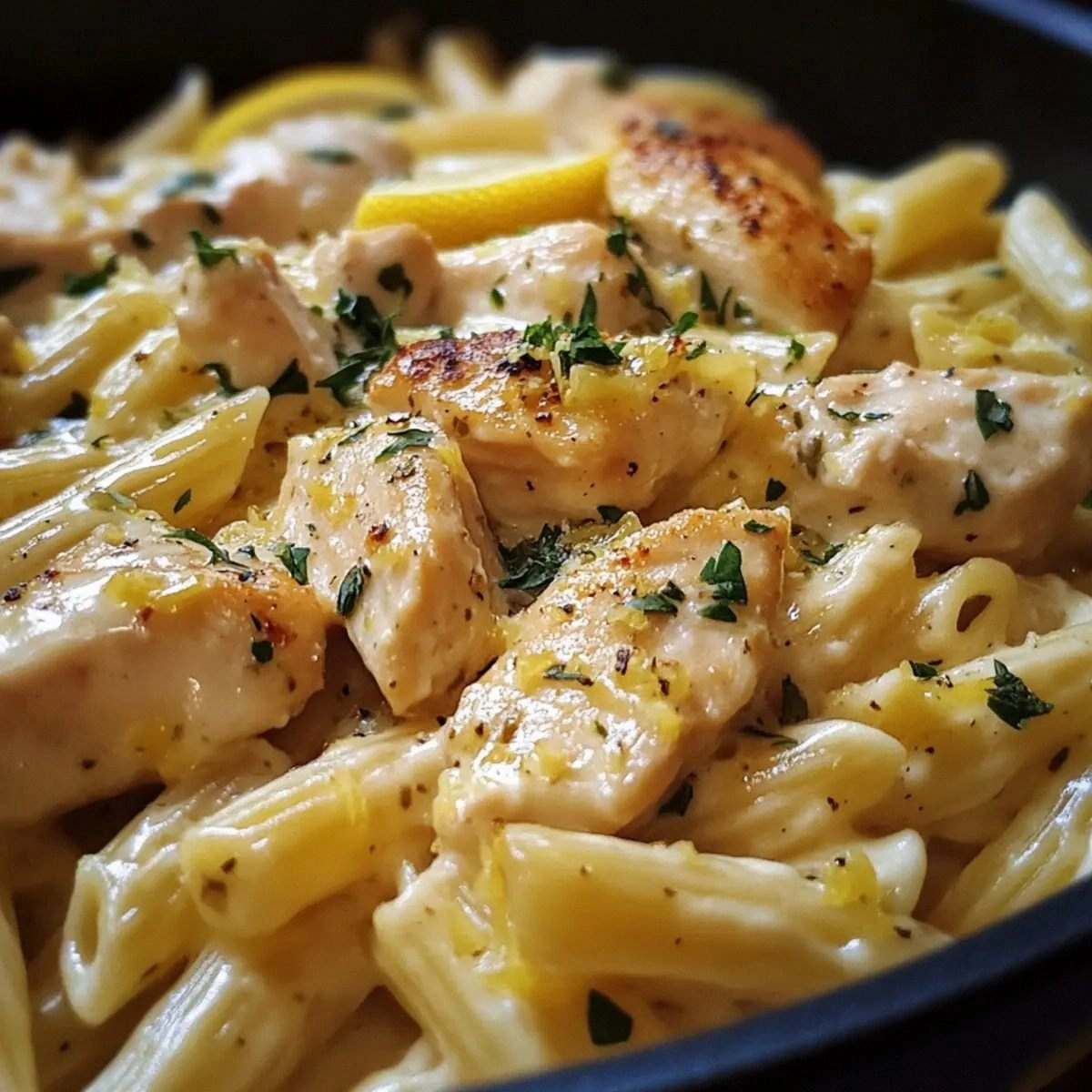
- Serve immediately, garnished with extra fresh herbs and a drizzle of olive oil if desired. The dish should look golden, the pasta coated in a glossy sauce, and the aroma should be irresistibly inviting. Enjoy the first bite that tastes like sunshine on a plate.
That’s it — you did it. But hold on, I've got a few more tricks that'll take this to another level. These insider tips will make the dish shine even brighter and help you avoid common pitfalls.
Insider Tricks for Flawless Results
The Temperature Rule Nobody Follows
Many cooks keep the pot at a constant high heat, but that can cause the broth to evaporate too quickly, leaving the pasta dry. Instead, start at medium‑high for searing, then drop to medium for simmering. Keep the heat low enough that the broth gently bubbles, not a rolling boil. This subtle temperature control keeps the sauce from thickening too fast and allows the pasta to cook evenly.
Why Your Nose Knows Best
The aroma of garlic and lemon is a reliable indicator of progress. When the garlic releases a bright, nutty scent and the lemon aroma is sharp, the dish is ready to move to the next step. If the scent is flat, give it another minute; the flavors need time to marry.
The 5‑Minute Rest That Changes Everything
After the pasta is cooked, let the pot sit covered for 5 minutes before serving. This brief rest allows the pasta to finish absorbing the sauce, resulting in a silky, cohesive bite. The rest also lets the flavors meld, giving the dish a richer, more harmonious taste.
The Secret of Fresh Herbs
Add the herbs at the very end of cooking to preserve their bright color and flavor. If you add them too early, they’ll wilt and lose their punch. Chop them finely so they distribute evenly and release their essential oils.
The Right Cheese Choice
Use a high‑quality Parmesan that melts smoothly. A block of aged Parmesan will give a deeper, nuttier flavor compared to pre‑grated varieties. If you prefer a sharper taste, sprinkle a little extra at the end of cooking.
Creative Twists and Variations
This recipe is a playground. Here are some of my favorite ways to switch things up:
Shrimp Citrus Surprise
Swap the chicken for peeled shrimp, adding them after the broth has reduced. Shrimp cook quickly, so keep an eye on them to avoid over‑cooking. The citrusy sauce pairs beautifully with the sweet, delicate shrimp, creating a light yet satisfying dish.
Gluten‑Free Delight
Use your favorite gluten‑free pasta and follow the same steps. The sauce will still cling beautifully to the noodles, and the bright lemon notes will keep the dish from feeling heavy.
Creamy Mushroom Medley
Add sliced mushrooms to the pot with the garlic. Sauté until they release their moisture and develop a deep brown color. The earthiness of mushrooms complements the lemony sauce and adds a hearty texture.
Pesto Power-Up
Stir in a couple of spoonfuls of basil pesto at the end for a green, nutty twist. The pesto adds richness while keeping the dish fresh. It’s a great way to incorporate extra greens into your meal.
Spicy Thai Twist
Replace the red pepper flakes with Thai bird’s eye chilies and add a splash of fish sauce. This version takes the dish into Southeast Asian territory, pairing the bright lemon with bold, umami flavors.
Vegan Version
Use tofu cubes instead of chicken and substitute vegetable broth. Keep the lemon, herbs, and Parmesan for a vegan-friendly, protein‑rich dish that still delivers on flavor.
Storing and Bringing It Back to Life
Fridge Storage
Cool the dish completely before transferring it to an airtight container. Store in the refrigerator for up to 3 days. The sauce may thicken slightly; a splash of water or broth will restore its silky texture.
Freezer Friendly
Divide the dish into single‑serving portions and freeze in freezer‑safe containers or bags. It can be stored for up to 2 months. Thaw overnight in the fridge before reheating.
Best Reheating Method
Reheat the dish in a saucepan over medium heat, stirring frequently. Add a tiny splash of water or broth to loosen the sauce, then bring to a gentle simmer. Finish with a sprinkle of fresh herbs for a fresh finish.